The Writing Game – and What to Watch For

Image Credit:  Pixels/Pixabay. A HUGE thank you to my lovely guest authors in my new Chandler’s Ford Today series for their photos.

MAJOR NEW CHANDLER’S FORD TODAY SERIES

I’ll be sharing Part 1 of a major new Chandler’s Ford Today series called The Writing Game – and What to Watch For. The series will be packed with useful advice. It is particularly useful for new writers or those seeking publication. More experienced writers should find plenty of useful tips too. More on this in a moment but I wanted to give a big shout out to all of the lovely authors who are taking part in this.

Richard Hardie, Brenda H Sedgwick, Francesca Tyer, Teresa Bassett, and Maggie Farran for Part 1 – tonight’s post.

Dawn Kentish Knox, Gill James, Amanda Baber (aka Amanda Jones), Paula C Readman, and Amanda Huggins for Part 2 – next Friday’s post, appearing 31st July.

Jacci Gooding, Jennifer C Wilson, Val Penny, and Wendy H Jones for Part 3 – the following Friday’s post, appearing 7th August.

See the slideshow below. Do check out the posts, not just for the great advice given by everyone, but to discover for yourself what a wealth of talent there is here. The genres represented here cover such a wide range of writing – think romantic fiction to horror and so much in between too!

This slideshow requires JavaScript.

Facebook – General – and Chandler’s Ford Today

You will gather from the above I am rather proud of this new series. Guilty, as charged! BUT this is the kind of series I would have lapped up when I was starting out as a writer. My guests and I all hope you find it useful and entertaining. Now to business!

Am pleased to share the link to my new CFT series – The Writing Game and What to Watch For. This is a three-parter and it’s the kind of post I would have lapped up when I was starting out as a writer.

Many thanks to the guest authors today and to the others who are taking part in the next two posts. Between us all, we have a wide range of experience in writing and cover a fantastic range of genres.

There is everything from YA fantasy to romantic comedy to horror. There’s flash fiction (I know, guess who!) to short stories to novelists. There are the traditionally published to those who have deliberately self published and have done a fantastic job doing so.

The tips and advice given here will be particularly useful for new writers or for those who have written for a while, but are now seeking advice about publication.

But, having said that, I’ve always found it to be true you learn so much from listening to or reading what other writers have to say so I’m sure there will be plenty of good “pickings” for more experienced writers too.

I very much look forward to sharing the next two posts on this topic. Today’s fab authors are #RichardHardie, #BrendaHSedgwick, #FrancescaTyer, #TeresaBassett, and #MaggieFarran.

This slideshow requires JavaScript.

Am looking forward to sharing Part 1 of my new series on Chandler’s Ford Today tomorrow.

Called The Writing Game – and What to Watch For, I set guest authors three questions. These questions are:-

1. Which tip over the years has proved most useful to them?

2. What do they know now that, with hindsight, they wished they’d known when they started writing seriously?

3. What do you think a new author should most be wary about?

My guests have come up with fabulous answers to these and we all hope the three part series will provide a wealth of useful advice.

Naturally I answer the questions myself, one over the next three weeks, and share another Top Tip I’ve found invaluable over the years.

Guests come from Swanwick Writers’ Summer School, the Association of Christian Writers, Bridge House Publishing/Cafelit/Chapeltown, the world of self publishing, and some fantastic local (to me!) authors. Between us we cover a huge variety of genres including non-fiction.

Link up tomorrow. And a huge thank you to my guests for their great contributions and photos.

I’ve switched back to the old Facebook and lo and behold I can now add pictures! I was more disappointed not to have ANY responses to my Report a Problem comments to be honest. Still back to service as normal here. I’ll stick with the old school then! On a more positive note:-

Enjoyed the follow up Zoom creative writing workshop this afternoon (Wednesday 22nd July). Have a promising funny flash fiction tale from it so will work on that at some point as it needs some editing to sharpen it up. Both workshops have shown me new ideas for finding story ideas so will make good use of those I’m sure in time.

It has also been a while since I had to write something in ten minutes so it was good to get back to that kind of thing again. It keeps you on your writing toes which is always good.

And I really have loved the haiku exercise that was set so to finish for tonight…

When the midweek blues
Hit home always remember
Two days – it’s Friday!😊

Facebook – From Light to Dark and Back Again

Am listening to the theme from Dick Barton Special Agent on Classic FM as I type this. I don’t remember the original series (though it is repeated every so often on Radio 4 Extra) but the music IS very evocative.

It was great fun choosing the music for the book trailer for FLTDBA. I went for Danse Macabre by Camille Saint-Saens as I saw it as quirky music for quirky fiction.

I’m currently drawing up a shortlist of suitable choices for Tripping the Flash Fantastic. Finding a piece that reflects either one specific mood of story OR has different moods within it which reflects the variety in the book is not always easy. But it is still great fun to try to do!

And of course it combines my two great loves – classical music and stories!😊I just need to find a way of somehow getting chocolate, prosecco, and a decent cup of tea into the mix!😆


My CFT series The Writing Game – and What to Watch For, which starts tomorrow, has a wealth of advice, especially for new writers or those who are seeking publication whether that is immediately or after having written for a number of years first.

I didn’t start out seeking publication myself. I wanted to prove to myself I could write and it was a long time before I actively sought to be published. I don’t regret doing that. I learned a lot. My ONLY regret with writing is not having started at all a lot sooner than I did.

One thing I could’ve added to this was be open to the types of writing you do. As I’ve mentioned before, it is how I discovered flash fiction. Also, taking part in writing exercises on Zoom this week, has reminded me of the importance of using different ways to trigger story ideas. You need to keep an open mind and to use things that are not immediately obvious story material. But it pays to look into different writing exercises and see what you can do with them. It’s fun too!

(I shall be writing more haiku for a start!).

This slideshow requires JavaScript.

A writing exercise I took part in via a Zoom workshop today involved two objects (given from a list) and drafting a story about them. I’ve got a rough draft of a funny flash tale from that. Good fun to do.

It struck me that it was useful the list was set by someone else. There is a certain amount of the “you’ve got to get on with it then” syndrome here.

Could you scupper yourself by choosing your own objects? Possibly. The temptation would be to stick to the things you know you could write about. The whole point of the exercise is to make you think outside of the box and stretch yourself here.

This slideshow requires JavaScript.

Fairytales With Bite – Quirky Characters

There are those who might feel that the reason I love quirky characters is because I am one! Hmm…

So what is it about quirky characters that appeals to me so much, both in terms of reading about them and writing them myself?

Humour – there’s usually a lot of humour, often irony, involved here. That appeals directly ever since I first came across irony in Pride and Prejudice which I read at secondary school many, many moons ago. That book was an eye opener for me in terms of how irony can be used (and the best kind is subtle with it too). It paved the way for me to appreciate more direct irony in the works of Terry Pratchett and P.G. Wodehouse, to name but two, later on

The Unexpected – The irony (!) here is you expect the unexpected from quirky characters. You’d be a bit disappointed to say the least if they didn’t come out with something. Often this is the pivoting point of the whole story too. What is fun is trying to guess what they come up with.

Memorable – You remember quirky characters. It’s why I’ve always loved Jo March in Little Women and George in The Famous Five. Again I wanted to find out what they could do and whether they could surpass what had gone before. It kept me reading! The trick for a writer is to achieve the same thing. It is also the challenge! What is it that makes your characters memorable?


This World and Others –

Elements of Worlds I Love to Pick Up On When Reading

In fantasy and science fiction, the created world can be a character in its own right. (The very name Mordor to me will always imply evil, for example). I don’t need to know the nuts and bolts of that created world. I just need to know what the main characters think of their world and that shows up in how they react to it.

The kind of information I do need is basic common sense stuff. If everyone in the world flies everywhere, how do they do it? What problems does that cause? How do they deal with traffic congestion at peak flying times (and I refuse to believe there isn’t any!)?

I needed to know in The Lord of the Rings that it was highly unusual for hobbits to go on adventures and they certainly weren’t considered as hero material by anyone one else in Middle Earth. I didn’t need to know the ins and outs of daily life as lived by a hobbit.

So what do you like to know when it comes to reading alien worlds? What does your reader know to know to make sense of the world you’re showing them?

This slideshow requires JavaScript.


Favourite Things and Publication News

Image Credit:  Pixabay and Pexels unless otherwise stated.

PUBLICATION NEWS

As you will see from my posts below, Tripping the Flash Fantastic, my second flash fiction collection, is almost ready to be published by Chapeltown Books. I will share more news when I have it but I can say now that the cover is stunning. I hope to share a book cover reveal in due course. Am I excited? You bet! This week has been very busy in working with the cover designer and ensuring there is nothing further to change to the text but it has been a great few days as you can imagine. I do hope to have a cyberlaunch in due course.

Facebook – General – and Chandler’s Ford Today

Favourite Things was such a fun post to write but with a title like that, it should be really! I share five favourites in various categories ranging from book genres to dog breeds to TV themes, stopping at favourite meals and drinks along the way.
Do check the post out and send your nominees in via the CFT comments box.
Also check out the fab TV themes I picked, they will bring great memories for many, and it was marvellous hearing them again.

This slideshow requires JavaScript.

GracieathomeIMAG0001

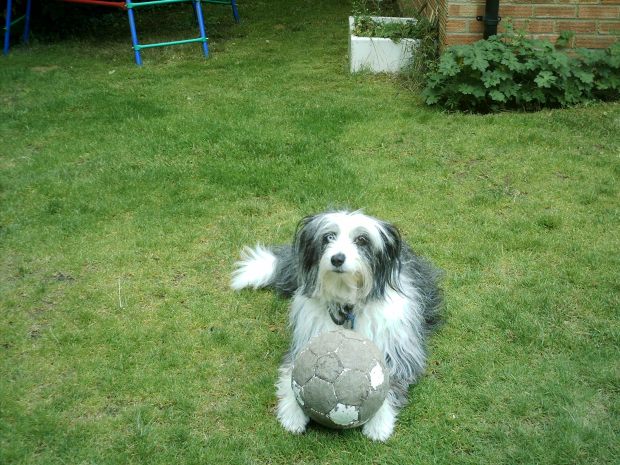
Gracie, my much missed bearded collie cross (with border collie). Image by Allison Symes

IMAG0017

Mabel, my much missed border collie. Image by Allison Symes.

Inquisitive Lady - 1

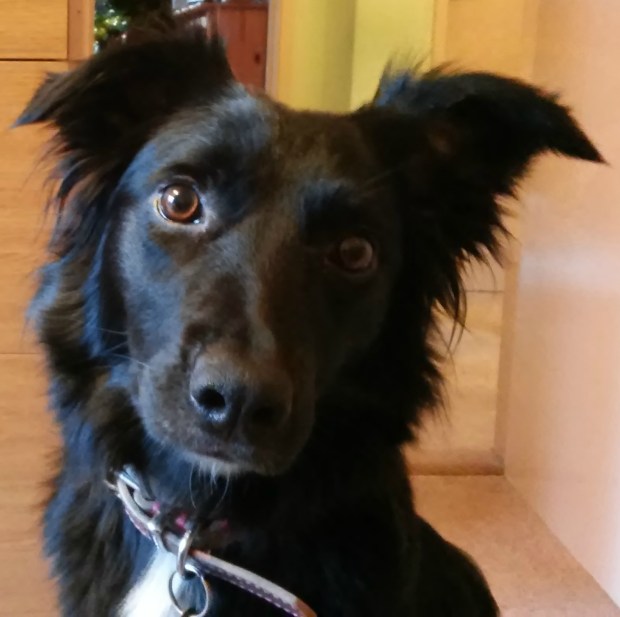
Lady, the border collie cross (flat coat retriever and chiahuahua, yes really,the inquisitive and loveable! Image by Allison Symes

Glad to see that the beautifully painted stones around my neck of the woods are still in place. I’ve enjoyed spotting those when out and about with Lady. I’ve no artistry at all when it comes to painting, drawing etc., but I do know what I like when I see it!
My CFT post is all about Favourite Things. I share various categories and pick my five favourites. Link up tomorrow. See what you think and do send comments in. There are also some TV themes from yesteryear as part of this post too and it was fun looking those up and playing them again. Hope you’ll enjoy them too. And with all of the categories I’ve chosen, I could’ve picked a lot more than five!
Incidentally, a good way to outline your characters is to think about what their favourite things are and why “they” would choose them. (By all means use the categories in my CFT post tomorrow to start you off and good luck!).

This slideshow requires JavaScript.

Another nice day. I’m shortly going to start the final text checks on Tripping The Flash Fantastic so that will keep me out of mischief for a while.
I was also “on” a hugely enjoyable Zoom creative writing workshop this afternoon which was good fun. Live writing to different challenges and work produced I plan to polish up in the next couple of days. There will be a follow-up Zoom workshop to this one next week so am already looking forward to that.
Good workshops will show you what you can do and then set you the challenge to do it. They’re a great way of stretching your imagination. For example, I wrote a couple of haiku this afternoon. Fun to do, not my normal area of work at all, and will I write some more in due course? I expect so.
I write in notebooks;
I write on laptop and phone;
Edits by red pen!😊😊
Allison Symes – 15th July 2020

This slideshow requires JavaScript.

Facebook – From Light to Dark and Back Again

This week has been a very exciting one as I’ve worked with the cover designer from Chapeltown Books on Tripping the Flash Fantastic. I’ve also checked the text for the final time. So a busy but productive week and a lovely way to go into the weekend.
I hope in due course to post a cover reveal and I plan to hold a cyberlaunch. More details to follow.
This is the lovely side of writing. So much goes on behind the scenes and often for a long time at that. When you get to the point that the book is shortly going to be “out there”, then that’s the exciting and lovely pay off for all that hard work behind the scenes.

This slideshow requires JavaScript.

I was at a creative writing workshop via Zoom on Wednesday afternoon. Great fun it was too and I have a few flash fiction pieces from it I will polish up in due course! Now there’s a result.
Okay, I could’ve done without the dog barking an hour into it but she doesn’t like disembodied voices. That’s not going to change any time soon. Even when I’ve been away at events like Swanwick and I call home, I am told she looks at the phone, she can clearly hear my voice, and she backs off from it. (Phone eaten Mum type of scenario in Lady’s head I guess!).
So is Lady an aide to my “muse”? Err…. no. That’s not going to change any time soon either though I have sometimes written dog related flash fiction stories.

This slideshow requires JavaScript.

I need stories to make me react in some way, whether I write them or read them. A story that I’m indifferent to is one that has failed for me and it is always a challenge to make sure I don’t write tales that people would be half-hearted about.
This is the biggest reason I think why the characters are the most important element in a story. If I can’t get behind the characters, or see why they are the way they are, then why should I read on?
So when I write stories, I try to ask myself throughout editing, how do my characters make me react? Do they still make me laugh, cry, scream or what have you? Is there anything I can do to “beef up” their portrayal?
Sometimes slipping in an odd extra detail can help make that portrayal more realistic and add depth. But it’s not until I’ve read the story afresh I can see where that odd extra detail might be necessary.
(So for anyone thinking stories just get “bashed out”, they really don’t!).

This slideshow requires JavaScript.

Nice day today working with the book cover designer on Tripping the Flash Fantastic. Look forward to revealing more later.
This, of course, is the lovely side to writing where you can see your work almost ready to be out there in the big, bad world. What isn’t seen is the writing, rewriting, editing etc that goes on to get the stories into shape for a collection like this.
It is so true that overnight success usually takes years! Meanwhile a story from From Light to Dark and Back Again to enjoy.


Fairytales with Bite – Murphy’s Law

Now we all know Murphy’s Law is no respecter of barriers. Whatever profession you’re in, whichever hobby you enjoy, it will strike at some point. So as to the actual creating of a story, what are the things to look for so you can avoid them?

Naming Characters

For longer works of fiction, it is too easy to give characters names that are too similar to others (for example Stephanie and Stephan. Two different characters but the problem with names that are similar is they can make the characters forgettable or interchangeable, neither of which you want).

I get around this by ensuring each of my characters has a name that starts with a different letter of the alphabet. It’s simple but it works.

Murphy’s Law can kick in here by making you not spot this until after you’ve got your first draft down. (Yes, it can be fixed at that point but it can be frustrating when you’ve got two similar sounding characters. The last thing you want is anything that might cause confusion in a reader or a sense of “what is that character doing here? I don’t see the point of them” reaction).

Outlining –

The query here is how much to do? Will Murphy’s Law strike in that you either outline too much or not enough? How can you judge what is correct for the writing you’re working on?

A rule of thumb I use is have I got enough to get started on the story? Have I got enough to get me to the middle of the story? Have I got enough to be able to conclude the story? You don’t necessarily need to outline everything. You just need enough to get you to the next stage in the story. Think of this as outlining the major markers. Get those right and it will help you get everything else in place.

You just want to stop yourself going off at unproductive tangents and that is where Murphy’s Law will trip you up. Stop the unhelpful tangents and you save yourself valuable time too. Work out what you think you need to know.

Settings –

The trap here again is detail. How much do you need to know before you write the story? What impact will the setting have on your characters? Preparation is the key to beating Murphy’s Law hitting you here.

Again work out what you think you need to know. And bear in mind the setting must have some kind of impact on your characters – they’re either going to love where they are (but it is under threat – which is where your story comes in) or loathe it and want to escape (which is where another type of story can come in).

This slideshow requires JavaScript.

This World and Others – Making Space and Characters

Where does making space come into your creation of characters?

I think the best way to answer that is to list what I think a truly great character needs to have. Also, it really does pay to take time out (make space) to think about your characters in advance and plan them out. It doesn’t mean you have to plan everything but you do need to know about your people in enough detail to be able to write about and for them with utter conviction. You need to decide what you need to know first!

I am convinced that when a writer writes with conviction something of that does show through in your writing and readers subconciously pick up on that. I also think they pick up when a character really doesn’t work and I know, for me, when that has happened, it is nearly always due to my not taking the time to flesh my character out properly in the first place.

So a truly great character should:-

Be Memorable – (and that usually means having distinctive traits a reader will love to love or love to hate. Both work but not usually in the same character!).

Be Someone –  Be someone a reader would want to identify with or be happy they’re nothing like them!

Be Put in Situations – Be put in situations a reader has to find out whether the character resolves or not (and how. Failure to resolve something can ironically be a resolution of sorts. For example, a character wants to achieve a goal, they find they can’t do it, but they do achieve something positive they had not done before despite the overall “failure”. Readers will pick up on something being achieved, a positive point of change for the character, and everyone accepts not all endings are happy ones necessarily. Endings do have to be appropriate).

This slideshow requires JavaScript.


Walkies and Interviews!

Image Credit:  As ever Pixabay or Pexels unless otherwise stated. The ones of Hiltingbury Flower Meadow were taken by me!

Facebook – General – and Chandler’s Ford Today

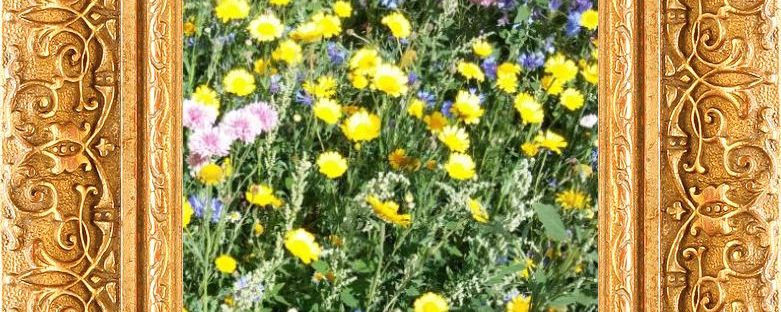
My latest CFT post is called Walkies and I look at the joys of local walking and living with collies. I am also pleased to share pictures taken by me this week of our beautiful wildflower meadow at the Hiltingbury Recreation Ground. It is absolutely stunning and it always cheers me to see such brightness. See if you can spot the poppy by the way!

I also look at how walking dogs has helped me. I did think I would get loads of ideas for stories and blog posts when I was out walking a dog. My sum total of ideas that have come to me doing this is precisely zero!

I’m too busy keeping an eye on the dog, particularly my young mischief, Lady, but walking her (and my previous two) relaxes me, gets me out into the fresh air, and I come back, refreshed, having had a break from the writing desk. That is important. Tiredness is the biggest factor, I think, in stifling any kind of creativity.

Hope you enjoy the post.

This slideshow requires JavaScript.


Many thanks to fellow Swanwicker, Val Penny, for hosting me on her blog today (9th July 2020). It was great fun to take part! Hope you enjoy.

Amongst other topics, I talk about my writing routine and share some tips I’ve found useful over the years. I also talk about how I got into flash fiction writing. It wasn’t something I anticipated when I first started out but it is easily my happiest “writing accident”!’

I also talk about what I like and dislike about marketing. See what you think – do you agree with my choices?

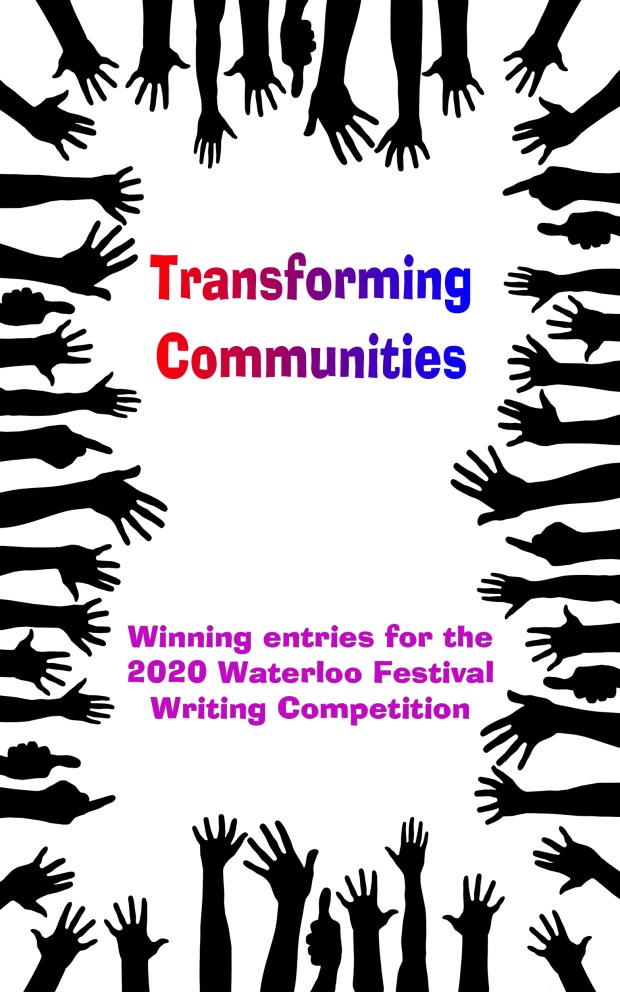
Transforming Communities Full

My CFT post this week will be called Walkies! I share the joys of walking with Lady during lockdown, the latest pics of our beautiful wildflower meadow, which is looking stunning right now, and share how walking has helped me. Link up on Friday.

I did think when I first became a dog owner 15 years ago, I would be able to think up ideas for stories while out walking Gracie, then Mabel, and now Lady. Not a bit of it! Haven’t thought of one story idea at all walking them!

Mind you, I have made many wonderful dog owner pals and Lady especially has made a few four-legged friends too.

What walking the dog does do though is enable me to unwind. Ideas for stories are far more likely to come to me when I’m in a relaxed state after getting back home again. And of course there are plenty of opportunities for practising observational skills. A particular colour of a front door might strike me as nice for Character A’s cloak in a flash fiction story – that kind of thing.

Never despise the little details! They may come in handy in a story one day.

Facebook – From Light to Dark and Back Again

It has been a good week with another flash piece up on Cafelit (Rotten Day) and my interview on Val Penny’s blog post (see next piece down for the link to this).

Oh and a bit of promotional news – From Light to Dark and Back Again is currently on offer on Amazon. So if you fancy quirky fiction at a discounted price, do check the link out. Reviews are always welcome too.

My favourite story in FLTDBA? Hmm… tricky one though I do have a very soft spot for Calling the Doctor which you can check out for free on the book trailer. (See below!).

Whatever you read or write this weekend, have a good one!


A big thanks to Val Penny for interviewing me on her blog today. (9th July 2020). See link for more but one of the topics I discuss here is how I got into flash fiction writing at all.

Let’s just say it wasn’t planned! Let’s also say I am very pleased with how it has turned out and hope to keep going with it for as long as possible!

On a side note, interviews like this really make you think about what you’re doing and why and where your writing journey has brought you to date. That’s no bad thing. And interviewing your characters can make you as their creator think about what they’re doing in your story and why. It’s a good way to see who is really necessary to your tale and who isn’t.


Much as I love listening to classical music when writing, I haven’t used it in my stories. The only time I use it is when trying to pick something what would work well in book trailers or when I am creating videos of flash tales to put on my website.

Music can set mood of course and I think I would rather my characters did that directly through what they say and do. (And isn’t it always more interesting when what they do goes against what they say?! Hypocrites are always good fun to write stories for!).


Fairytales with Bite – Fairytale Acrostic

F = Fantastic has to come into it somewhere, usually in the form of magic being performed, usually to help the deserving.
A = Animals often play a crucial role and sometimes at least prove to be more intelligent than the humans in the story.
I = Inventiveness can come into the stories – you wouldn’t usually think of turning a pumpkin into a coach would you?!
R = Realism? Well maybe. Fairytales can show a great deal of truth about human nature, not all of it is pleasant either, but it is accurate.
Y = Your fairy godmother awaIts… hmm… not necessarily. The character often doesn’t know they’ve got one until they show up. Best not to assume here!
T = Tension between the forces of good and evil is a given in this world.
A = Animated versions of the tale are generally good but some of them can’t be as originally written given the latter are often more violent!
L = Love and its importance is a key theme. Not just the romantic kind either. Think of Hansel and Gretel and their care for one another. Also I thought Gerta was a magnificent character in The Snow Queen with her commitment to rescuing Kay. (And I so loved the idea that the girl was rescuing the boy here).
E = Elephants! Have always had a very soft spot for Dumbo. Always will do. I see it as a classic film fairytale.
S = Stories. The classic fairytales have very strong storylines behind them. Wrong is righted. Evil is confronted. Good prevails. Not always a happy ending though. And I love fairytales for all of those reasons.

This slideshow requires JavaScript.

This World and Others –

Questions to Ask Your Characters

One great thing about this topic is that it is a timeless one! (Bear in mind also if you’re writing non-fiction, if you are using a narrative voice, you can treat that voice as a character, so some of these questions at least may also be worth trying). So what to ask then as part of your outline?

What do you really want and why?

What stops you getting what you really want?

Why would your life be complete if you achieve what you want?

How are you going to achieve your objectives?

Have you got other characters to support you and, if so, how reliable are they?

Are you making your life unnecessarily complicated? (Worth asking this one – any complications getting in the way of your character achieving what they want should be those that arise naturally out of the plot. There should be nothing that seems “faked” to increase the tension in the story. The tension should be genuine, the obstacles real and so on. For a non-fictional narrator, a good question to ask instead of this one is are you communicating as clearly as possible (i.e. go for clarity, not gobbledegook, don’t make your narration unnecessarily complicated? Are you conveying the facts reasonably? Are you backing the facts up with evidence? What are your sources?).

What has driven you to decide this is what you really want?

What if you’re wrong? (How would your character handle that? That could make for a really interesting story).

Are there limits you won’t cross (and if so what are these? What is your thinking behind this?).

Are there rules you are prepared to break? What would the consequences be? How are you going to limit your risk (or are you not worried about that? Some characters aren’t!).

Now if answering those questions doesn’t generate story ideas, I’d be very surprised!


This slideshow requires JavaScript.

Word Games

Image Credit: As ever Pixabay/Pexels, unless I say otherwise.

Facebook – General – and Chandler’s Ford Today

I set some anagrams and other word puzzles in this week’s CFT post, Book Games.

I also share some memories of word games played on car journeys when I was a kid (and most of them you could still do now, once we’re out and about again).

I also look at why word games can be helpful to a writer. Having fun with the language is a good thing! And for flash fiction writers like myself where I often want more than one meaning to words for punchline endings and the like, playing with words and exploiting those meanings is vital.

I’ll be putting up the answers mid-next week. No prizes but kudos to anyone getting them all.

Hope you enjoy.

Feature Image - Book Games

It was great fun setting some word puzzles for this week’s CFT post. I used to invent word searches for the church magazine when I was in my teens. (The last T-Rex had just left the planet. You get the idea of how long ago it was!).

I love playing with words and will often unwind by playing these after a writing session. Of course with the likes of Scrabble, you can get a side benefit of improving your vocabulary as you look up what those strange two and three letter words that ARE valid actually mean!

Looking forward to sharing a new Cafelit story from me which is due on site tomorrow. Have just submitted a short story to a competition. Need to pick on another one to have a crack at. I like writing to themes set by others. It’s a good discipline and makes me up my game here, which is never a bad thing.

Am also looking ahead with prepping material I know I’m going to need later in the year so busy, busy.

Whatever you’re doing this weekend writing/reading/both wise, have fun! Writing is hard work but it should be fun, most of the time anyway.

This slideshow requires JavaScript.

W = Wonderful characters created by you.
R = Realistic or fantastical worlds? It’s entirely up to you.
I = Imagination stretched – yours and your readers!
T = Tension increasing as all manner of obstacles get in your lead character’s way but it is fun to drop them right in it!
I = Inventiveness is a great trait in your lead character(s) as they overcome what you’ve thrown at them.
N = Nearing the end of the story, the tension should not let up. There must be a proper and satisfactory resolution. It doesn’t have to be a happy one necessarily!
G = Genre – there are so many of these to write in but what will you choose and why?

This slideshow requires JavaScript.

I’m sharing some anagrams and book title puzzles in my CFT post this week. I’ll also be looking at word games in general, how they’ve long been a part of my life, and why I think they’re good for writers. Link up on Friday. (Will post the answers in the comments box on this post at about this time next week. No prizes but plenty of kudos if you get them all).

Lady had a lovely day playing with a border collie lad and then went on to have a “girlie” party in the park with her best buddie, a lovely Rhodesian Ridgeback, and a golden retriever friend. Fab time had by all. It was great to watch them “at work”. None of them were sorry the temperature has dropped! Must admit though it felt more like autumn at times out there today.

Do you find it easier to write in the summer months or when the nights draw in? I try to be fairly consistent but it is easier to focus at your desk when there isn’t the temptation to stay outdoors so I guess that says something positive about autumnal like weather after all!

This slideshow requires JavaScript.

Facebook – From Light to Dark and Back Again

I’ve been talking about word games this week in CFT. So how do they help me when I write flash fiction?

Firstly, for my punchline ending tales, I’m often reliant on a humorous one-liner and for those to work best, double meanins of words come into their own. So I have to know ALL of the meanings of the particular words to come up with something suitable for my character/story.

Secondly, I’ve found that playing around with words via crosswords, Scrabble etc., can trigger story ideas and I’m never sorry to have plenty of those to work with!


This slideshow requires JavaScript.

A = Always think of flash as being focused on the most important character, the most important situation they have to face.
C = Characters make a story so what is special about yours?
R = Reactions to your flash tale – what are you seeking to achieve here? Think about impact on your readers. What would be appropriate for this character and this situation?
O = Originality – it is said there are seven basic plots but what you bring to the mix which is unique is your writing voice. The more you write, the sooner you will discover what that voice is and then you can use it to great effect.
S = Story, story, story. What will keep your readers with you to the end of your flash tales?
T = Tension is even more important in flash fiction. You have ground to cover in fewer words. How can you use these to maximum effect? The tension should not let up until the resolution.
I = Imagination. As flash needs to be character led, flesh out your characters a bit before you write their stories. Make sure you know what they’re capable of and then have fun putting them in situations they have to resolve. Do or die? Literally maybe but not always. There are other ways a character has to overcome something and it is still absolutely vital. What can you explore here?
C = Change. Stories are about the most significant point of change in your character’s life. That literally is their story. So what matters to your character? What has to change and why? Does your character react well to that?

Happy writing!


This slideshow requires JavaScript.

I suppose the biggest thing getting in the way of writing for me is if I’m really tired. One thing I do when I’m “buzzing and raring to go” is draft blog posts and flash fiction pieces so I have something to post fairly quickly. It makes me feel better (which in itself can help lift some of the tiredness. Feeling down because you’re shattered – well, it doesn’t help).

On days when I’ve been particularly busy, it’s a case of being kind to myself and not expecting too much. This is where having material good to go helps. A bit of polishing finishes the material off nicely and I feel as if I have done something positive. And THAT is always a good thing.


This slideshow requires JavaScript.

Fairytales With Bite – 

What Triggered Your Love of Fairytales?

I have the nagging feeling I really should have asked this question a long time ago!
For me, the trigger for my life-long love of fairytales comes from The Reader’s Digest Collection of Fairytales which came in two volumes. Both are hefty hardbacks and you wouldn’t want to drop them on your foot!

I loved the stories and beautiful illustrations. These books were given to me by my late parents. I still have the books. The spine on Volume 1 in particular has been bound up by tape! I’m probably going to leave the building long before these books do!

The stories are those collected by Perrault, the Brothers Grimm, as well as originals by Hans Christen Andersen etc. I remember the shock at discovering fairytales didn’t necessarily have to have happy endings when I first read The Little Mermaid.

My favourite overall fairytale is Cinderella. Mind, my first published story was A Helping Hand in Bridge House Publishing’s Alternative Renditions anthology. I look at the Cinderella story from the viewpoint of the younger stepsister who is not best pleased with the fairy godmother turns up again. Great fun to write and, being my first published story, it will always have a special place in my heart. I still love writing fairytales from different viewpoints. It’s good fun!

Looking at why you love stories can help inspire you write your own (and do so better!).

This slideshow requires JavaScript.

This World and Others – 

Putting a Fictional World Together

The basic building blocks for putting a fictional world together are, for me, as follows:-

Species – Who will live in this fictional world? One species, a couple, many? If more than one, how do they interact with each other and if they don’t interact at all, what is the reason for that? If you have only one species, how are they sub-divided? Do you have the majority of the species living in an area and a minority live elsewhere? What are the reasons behind this?

Government and Society – This ties in with 1. How are your species governed and by whom? Are they governed well or badly? Can governments be changed? How is society organised? What is expected of everyone and does that vary from species to species? If so, what are the differences and why do they exist? What happens to rebels? (You can pretty much guarantee there will be those who do not like the status quo and won’t accept it so what happens to those who do this?).

Survival – How do the species survive? What do they eat/drink? Is their world an agricultural one and what shape does this take? Do they farm crops as we would know them or farm something very different? Climate and weather and their impact can come into this category too. How much do your readers need to know?

This slideshow requires JavaScript.


Non-Fiction Journey and Author Interviews

Image Credit:  Pixabay/Pexels, unless otherwise stated.

Facebook – General – and Chandler’s Ford Today

It is always a huge pleasure to chat with fellow authors on Chandler’s Ford Today. There is always something interesting to learn. Every author’s writing journey is unique and I find that endlessly fascinating. Hope you do too.

This week I chat with Scottish crime writer, Val Penny, about her venture into non-fiction publishing with her recently released Let’s Get Published. Not that she has left her (writing) life of crime behind, I’m glad to say.

I love reading as well as writing author interviews. Every writer has their own insights into the business of writing, as well as thoughts on the ups and downs we all face, whether published or not. It is also good to know you are not alone on those ups and downs. (It is also reassuring to know that is normal!).

Hope you enjoy!

This slideshow requires JavaScript.

The current hot weather is one of the few times I bless living in a north facing bungalow. It is relatively cool in here. The heat doesn’t affect my writing much in that I still get on and do it but I tend to finish earlier than normal knowing I’ll feel tired earlier than normal. Still I compensate by starting my writing session earlier so that’s okay.

Looking forward to sharing my interview with Val Penny on Chandler’s Ford Today tomorrow. She talks about her venture into non-fiction with her recent publication, Let’s Get Published. I’m always fascinated by other authors’ writing journeys. Each is unique to the writer and you can always learn something useful and interesting.

Am happily editing a short story which I hope will end up being published at some point! As ever, having a bit of time away from it has proved useful. That time away makes it much easier to see where the weaknesses are and therefore do something about them!

Have also been busy drafting flash fiction pieces.

I’ve also recently revised my Linkedin profile.

So not a bad old week so far but I must admit I won’t be that sorry when it cools down a bit. (And neither will Lady!).

Screenshot_2020-06-26 Allison Symes LinkedIn


I’ve mentioned before that sometimes I will start a flash fiction story by writing the ending first and work backwards from there. It’s a useful technique but I do sometimes find that by the time I’ve finished, I’ve thought of a better last line. But that’s okay. I just change it.

I remember I used to feel annoyed at that kind of thing. Why couldn’t I have thought of the better last line in the first place etc etc?

Now I know better than to waste time and energy fretting about that. Just change the line and move on. It’s a good sign the story has “go” to it when you can think of things to improve with it.

Yes, it would save a lot of time and effort if you could cut straight to the chase, but writing doesn’t work like that for me. I need to get some ideas down before I can come up with better ones.

What helped me to come to terms with that was on realising other writers find the same thing happens to them. It’s always good to know you’re not alone!

This slideshow requires JavaScript.

Facebook – From Light to Dark and Back Again

One thing I’ve learned to watch out for when editing my stories is my pet phrases. Most of the time with my flash fiction, they are amongst the first things to be cut, along with my wasted words of very, actually, and that. (Very few examples of that are actually necessary! If the story works just as well without them, out they come).

Every writer has their pet phrases. Sometimes they’re useful BUT not each and every time! Pet phrases can act as a kind of shorthand for you but if they’re not useful to your readers, it is best said phrases come out. (Another meaning for the phrase “kill your darlings” perhaps).


This slideshow requires JavaScript.

Finding ideas for flash fiction is generally not an issue for me. It is working out which are the really strong ones and worth pursuing that can be tricky at times.

But I find character outlining helps me with that. By the time I’ve fleshed out what I need to know about my lead character, I can tell whether they’re “up” to being in a story.

I can also tell the kind of trouble they’re likely to land themselves in (with help from yours truly of course as I love landing my people right in it!) and from that the story starts to take shape. Away I go and write it before resting it for a while before editing it.

I also find flash fiction writing to be a useful warm up or warm down writing exercise. From my viewpoint, it’s another piece of work produced which I can polish and hopefully find a home for in due time.

Whatever you’re working on at the moment, I hope the writing is going well and that you’re enjoying it. Enjoying your writing is so important. It helps to motivate you and to keep you going when all you seem to get are rejections or not hearing back from competitions etc.

This slideshow requires JavaScript.

I’ve found it helpful to think of flash fiction as it being from the viewpoint of ONE main character getting across ONE vital point and there has to be transformation in it somewhere.

That’s why we read. We want to find out what happens to the character. Do they get their happy ever after ending? Do they muck it up big time but somehow manage to redeem the situation? (I LOVE those stories!).

One of the aspects of flash fiction I love the most and I think is one of the useful as well is that it does make you focus on what really matters to your character. You do have to work out what the story is so you can focus on it properly.


This slideshow requires JavaScript.

Fairytales With Bite – Murphy’s Law of Fairytales

So how could Murphy’s Law relate to fairytales then? I offer the following thoughts.

1. Never be unkind to the wizened old crone or man etc. They are bound to be a powerful witch/wizard/fairy godmother in disguise. It will be just your luck to cross them and be turned into something unpleasant. These things happen in the fairytale world.

2. Never be rude to passers-by. You might be glad of their help later on, especially if you HAVE crossed the wizened old crone etc. You’ll need someone to tell you what it is you have been turned into. Then and only then can you scream.

3. You know that downtrodden kid everyone ignores or is rude to? Watch them. They’re either going to end up marrying Prince Charming or somehow do something heroic. In the fairytale world, that kind of character is always marked out for great things. They like humility here.

4. It is best to assume the animals you come across can talk, are intelligent etc., and a quick word to the wise – if you do come across bears who live in a house, never ever pinch their breakfast. It won’t end well.

5. Actively be kind. You may be rewarded. You may not. But you won’t end up crossing the aforementioned wizened old crone etc.

6. If you come across a sweet covered house, run the other way as fast you can. (Well, you don’t want to risk a huge weight gain thanks to gobbling all that sugar now, do you?).

7. Don’t try and eat the Gingerbread Man. He resents that kind of thing.

8. If you need to cross a bridge and you are not sure if there are trolls in the area, see if you can get some friendly neighbourhood goats to cross the bridge first. They are excellent at getting rid of unwanted trolls.

9. If you think Grandma has suddenly become very hairy, it is not a trick of the light. She has. Go and get the woodcutter NOW.

10. If something seems too good to be true, it is. Mind you, that applies to all universes so is a good general principle to go by.

This slideshow requires JavaScript.

This World and Others – 

Creating Something Out of Nothing

I was listening to Classic FM when it was reported a well known composer still suffered nerves when coming up with a new composition. They were still made nervous by the blank page, despite their many years of successful composition. Ironically, this cheered me up somewhat. It’s the same for any creator and I know it’s true for me. That touch of nerves before you start writing is the worst bit. Once you get going, you’re absolutely okay.

I’ve learned over time to just get the words down any old how. Editing and polishing happen much later. Nobody writes a perfect draft. Shakespeare didn’t. Austen didn’t. Dickens didn’t. I’m certainly not going to but that’s fine! So how can you get over the nervous start bit or, at least, make it not so bad and easier to handle?

I’ve found having a range of ways to get started on stories or blog posts helpful. I also find having brainstorming sessions every so often useful to jot down ideas and when I am struggling, I can turn to these and find something to inspire me there. My range of ways to get started include:-

1. Using a random word generator, pick three, and put them into a story. Using random words like this makes me think deeper and if there is no obvious link between the three words, even better. It makes me think again!

2. Look back over my old blog posts and stories. Often there will a link there I didn’t follow up at the time but might prove useful now.

3. Take a well known saying and use it as a theme or title (sometimes both) for a story or article.

4. Use a spider diagram or flowchart to flesh out basic ideas. That will soon show if ideas in the back of my head do have some “legs” to them or not. Naturally I go with the ones that do! This is especially useful when used in conjunction with a random word generator.

5. Look up writing competitions. Sometimes I’ll enter said competitions. Sometimes I’ll just write up a story to the theme and not submit it deliberately. I will go back to that story at a later date to polish it up further knowing it is not ready for a competition yet but I can still write to the theme. Who knows? The story might end up in an anthology later. Themes come up reasonably often so there will be other competitions the story the might fit.

However you get over the blank page nerves, happy writing and good luck!


Looking Back and Trailers/Videos

Image Credit:  As ever, the images are from Pixabay or Pexels unless stated otherwise.

Facebook – General – and Chandler’s Ford Today

I review last Friday’s online event for the Waterloo Art Festival’s Writing Competition for my CFT post this week.

It was great fun (though I admit missing getting together with the other writers involved in this. Still there’s always next year and I think Zoom has a role to play even when things get back to whatever comes to pass as being normal!).

I share the trailer for Transforming Communities, the ebook launched here. I also share a video where I read an extract from my winning tale, Books and the Barbarians. Enjoy!

Transforming Communities Full

It was a joy to review how the Waterloo Arts Festival Writing Event worked as an online only “get together” last Friday for Chandler’s Ford Today this week. I also share the book trailer for Transforming Communities. Also see below.

This ebook is a compilation of the fifteen winning entries and includes my story, Books and the Barbarians. I also share the link to the video I created for the Festival. I read an extract from my story on that. Hope you enjoy.

Zoom and other social media have been a lifeline in keeping some writing events together. Indeed as I write this I’ve just come off a very interesting Zoom session looking at marketing. (There is always something to learn with that topic!).

I take the view if I can’t together with author friends and go to writing talks in person then I will do so online whenever possible. I must admit though I am looking forward to the usual events being back again but I see a use for Zoom and the like long after “normality” returns.

I hope these platforms make events more accessible to those where transport is an issue for one thing. There is great good to be kept there I think.


This slideshow requires JavaScript.

C = Creating new fictional people is always fun.
H = Heroes or Villains? You need both.
A = Aspirations of the characters are something a reader should identify with; ideally the aspiration of the villain should be in direct contrast to that of the hero.
R = Reasons for behaviours, attitudes etc of the characters should be sensible to them and a reader should be able to see where they come from here.
A = Agreeing with those reasons is not necessary!
C = Conclusion of the story should result in resolution of the conflict between your hero and villain.
T = Tension should ratchet up throughout the story as hero and villain race to try to achieve their objectives, knowing one of them has to fail.
E = Energy should come from your characters so your readers feel these people could be real in some world somewhere.
R = Rationality is in the eye of the beholder; a villain will find reasons to justify their actions and those reasons will be rational enough to them.
S = Super stories as a result of the above? But of course!

Happy writing!


I’m a fan of the quiz show Pointless and love the word rounds. No surprises there to be honest. I like Scrabble and the quick crosswords, things like that. What word games do you like? Do you find they help your writing?

When I have time, I sometimes use word games to help me relax AFTER a writing session as they can be a good way for me to wind down yet still have fun playing with words.

Many decades ago, I used to write wordsearch puzzles for our church magazine (and to show how long ago that was, the magazine was produced on an old Gestetner duplicating machine. (For younger readers, these are the days before the photocopier became readily available. The last T-Rex had just left the earth.. you know the kind of thing. 😆).

Words are fun. They’re even more fun in a story or blog post!


This slideshow requires JavaScript.

Facebook – From Light to Dark and Back Again

It was good to see some fellow flash fiction writers as part of the Zoom course I was on this afternoon. I learned a lot. I was also encouraged a lot by it too. I also hope to put some more things into practice over the next few months!

One nice thing about flash fiction in particular is it is an easy form to share online. The reduced word count means it is easy enough to share a story and it is the best way I know of showing people new to the format what flash fiction is all about.

And it is lovely to share some new stories on this page too from time to time. I find it great fun to do and I hope to share some more before too long.

I hope to catch up with some story writing over the weekend. Whatever your writing and/or reading plans are, I hope you enjoy them!

This slideshow requires JavaScript.

Although flash fiction is necessarily short, I still mix up the length of sentences in my stories. I like a nice balance of short and longer sentences to give my tales a sense of rhythm. To me, this seems more natural to read. Nothing is at a fast pace all the time. Even in a flash story there can be pauses even if it is a pause of one line before the action starts up again.

Happily listening to Holst’s The Planet Suite on Classic FM when I drafted this. My favourite from it, Jupiter, is always one piece I turn the volume up for!

What I love about this suite is that each piece within it reminds me of a musical short story/flash fiction. Each piece represents each planet and they are so different. It is, to me, as if each piece is telling its own story.

And so nice to write and/or relax to as well!

Do you listen to music while writing? What kind helps most and why?


This slideshow requires JavaScript.

Fairytales With Bite – 

Ten Things I Look For in a Good Story

I suspect there won’t be any great surprises here but each one should be a challenge to all of us to ensure we keep doing these!

  1. Characters I love or love to loathe. They’ve got to be memorable.
  2. Situations which are critical for the characters. They’ve got to strive for something important.
  3. A setting I would love to visit! (Anyone fancy a trip to The Shire in The Lord of the Rings? Mordor, I’d be happy to miss!).
  4. Great pace. Absolutely no boring bits!
  5. It’s a story I’d be happy to re-read at any time and enjoy it all over again.
  6. Humour, where apt for the story and the characters. I have a very soft spot for irony.
  7. Tragedy, when necessary as it often is, not to be overdone. (I think tragedy has much more of an impact when it does not become melodrama).
  8. Snappy dialogue.
  9. Catchphrases I can remember – and enjoy doing so.
  10. The story shows me something of the human condition which I’d either not considered before or reaffirms something. Funny stories can do this surprisingly well.

What are the most important elements to a story for you?


This World and Others –

Where to Find Ideas for Creating Your Fictional World

The best way by far is to read plenty of books across all genres and I do mean all. You can obviously learn directly from science fiction and fantasy as to how their worlds are set up. You learn a lot from what the writer decided you as the reader needed to know. But bear in mind you can also learn from history (fiction and non-fiction).

There is a lot of truth in the saying “the past is a different country, they do things differently there”. For a writer that’s wonderful stuff. So consider going back in time and having your fictional world set there. But do your research.

For example, readers may not need to know every detail of King Henry VIII’s court but they do need to know how many times he was married and how that affected life in the country (clue: it did and in a massive way!).

As for crime novels, again look at what the authors decided you needed to know. Setting is often used almost as a character in its own right in crime novels. What can you learn from that and apply to what you’re writing?

Work out a list of what you think you need to know. Then do a second one working out what it is a reader needs to know so they get the most from your story. And good luck!


Genre Fiction

Image Credit:  As ever, Pixabay and Pexels unless otherwise stated.

REMINDER –

WATERLOO ART FESTIVAL – WRITING COMPETITION – LAUNCH OF TRANSFORMING COMMUNITIES EBOOK ON FRIDAY 12TH JUNE 2020 FROM 6.30 PM UK TIME.

Just a quick reminder that the writing side of the Waterloo Arts Festival is on this evening, 12th June, from 6.30 pm to about 8.00 pm.

The event has to be online this year but it is free. You do need a ticket for the event but the link is here.

The launch is for the ebook of Transforming Communities, the theme for this year’s WAF writing competition, and my story, Books and Barbarians, is part of that. I am delighted to be a winner here again and many congratulations to all of the other winners too.

There will be videos, extracts of stories, and you can get to meet, via Zoom, the writers and publishers.

Hope to see you!😊

Image from link above to the Festival.

Facebook – General – and Chandler’s Ford Today

My CFT post this week is all about Genre Fiction.  I share what I love about it and why I loathe the snobbery that can exist around it. Genre fiction is the bread and butter for publishing houses and helps fund literary fiction.

That’s fine but I do wonder if some of the snobbery is a hangover from the old “penny dreadfuls”. Though I’d argue even those had their place. They got people reading! Anyway, check out the post and see what you think. Do share your favourite genre books too. It’s another way of building up a reading list!

I’m taking part in the online Waterloo Arts Festival – Writing Competition Ebook Launch later on this evening and hope to report back on that for my CFT post next week. I hope some of you can “pop along”.

Zoom has been a lifeline for many writing events and I hope the good from that continues once we are back to any kind of normality again. It will make events more accessible for more people I think and that’s a good thing always.

This slideshow requires JavaScript.

Funny old day weather wise here. Sun, thunder, lightning, heavy rain, sun again. Still it IS only June…!

Stages of Storytelling for me:-

1. Get initial idea for a character and flesh that out.

2. Get initial idea for a situation to dump them in and flesh that out. Well, I’m not going to make their life easy for them. There’d be no story otherwise.

3. Write first draft and put aside.

4. Start thinking of other story ideas and making notes.

5. Back to story 1 after a suitable gap away from it and re-read it on paper. Immediately notice lots of ways to improve it and do so. Put aside again.

6. Start fleshing out story 2 following steps 1 and 2 above.

7. Re-read my story 1. Less to improve on this time but I can see the odd awkward phrase so reword that. I can see how a change of phrase will make the flow of the story more even so go with that. I finish correcting any typos and grammatical errors.

8. I write the first draft of story 2.

9. Final read through of story 1. I often read dialogue out loud to make sure a reader won’t stumble over it and make any final changes.

10. Knowing the story is as good as I can make it, I ensure I am following publisher/competition guidelines and submit the story, well ahead of the deadline.

And then back to story 2!

My CFT post this week is all about Genre Fiction and what I love about it. Great fun to write. Hope you’ll share some of your favourites in the comments box when the post goes live on Friday.

I’ll also be interviewing authors over the next few weeks and am on the receiving end of the questions for an interview I’ll be taking part in. So busy busy and that’s how I like it.

Looking forward to Waterloo Art Festival on Friday night. I will share the link again for where you can get a free ticket at some point during the day on Friday so do keep a look out for that.

I hope to report back via CFT on how everything went. The strange situation we’re all in pandemic wise has led to some creative thinking about how we do things and I hope the good from that continues long after the pandemic is over (or as over as it ever will be).

Facebook – General – and Book Cover Challenge

See previous post for Days 1 to 5!

Day 6

I have accepted a challenge by #JaneBrocklehurst to post seven books that I love, one per day, no reviews, just covers. Each day I ask a friend to take up the challenge, let’s promote literacy and build a book list.

Today I nominate #FranHill who I hope will join in the fun.

My choice today? Code of the Woosters by P.G. Wodehouse. Wonderfully funny.

No photo description available.

A wonderfully funny writer!

Day 7

I have accepted a challenge by #JaneBrocklehurst to post seven books that I love, one per day, no reviews, just covers. Each day I ask a friend to take up the challenge, let’s promote literacy and build a book list.

Today I nominate #DawnKentishKnox who I hope will join in the fun.

My choice today? Raising Steam by Terry Pratchett. I love the Discworld series and this has two of my favourite characters in it – Sam Vimes and Moist von Lipwig. It’s also about trains and I have a soft spot for them too! Great storyline.

No photo description available.

One of my favourite Discworld stories.

Facebook – From Light To Dark And Back Again

Where does the time go? I was looking through my Cafelit stories and came across my first 100-word tale on there. A Study In Magic appeared all the way back in 2013! This story made it into FLTDBA and I’m looking forward to sharing more details about Tripping the Flash Fantastic in due course.

I must admit I couldn’t imagine my writing life without flash fiction now.

Can I see how I could improve this first flash tale now?

Of course. I’m not saying how though! Why? Simply because you write to the best of your ability at the time you write. Hindsight is a rotten mistress!

What you do though is pick up on how you can improve things and apply that to the next story, the one after that and so on. The idea is to try to continually improve on what you do. Doing that stretches you and, for me, it makes writing more fun.

This slideshow requires JavaScript.

Flash fiction has to be to the point but that’s a good thing regardless of word count. Any story needs to reveal what a reader needs to know to make sense of it but no more. Flash fiction forces you to cut the waffle and I know that has gone on to help me with my blogging, short story writing, etc.

I keep some questions in mind for when I’m editing a story and have found these useful. Hope you do too.

1. Does this contribute to the story in any way? (If no, cut immediately!).

2. If yes, how vital is it? Is it something a reader absolutely has to know? If yes, fine. It stays as it is.

3. If no but the information is important enough to add depth to the story, then note it. At the end of your first edit, prioritise what information the reader has to know. Is this particular piece STILL vital after all of that?

4. If yes, keep it in. If no, then look at whether you can get this information into the story another way so it IS vital. If that’s not possible, then the information almost certainly isn’t as crucial as you first thought!

5. Does everything in the story move it on to the conclusion? If there is anything in there that doesn’t move the story on, then I’d remove it.

Happy editing!

This slideshow requires JavaScript.

Another advantage to flash fiction is when it comes to Open Prose Mic Nights, you know you’re not going to send your audience to sleep. You’re not on for long enough!😆😆😆

Joking aside, flash fiction does work really well for this. You haven’t long to keep the audience’s attention but you are only reading/performing a short piece so that helps.

And of course you can also make a story trailer/video for your website and use that as an advert for what you do, writing wise.

On my book trailers page on the website, there are videos for FLTDBA, Nativity, The Best of Cafelit 8, and I experimented with one of my stories, Job Satisfaction, from FLTDBA too and produced a trailer for that. I hope to do more of this. It’s good fun to do and helps add interest to your website.


Fairytales With Bite –

Top tips for the Aspiring Character

You are a character who wants to come to life on your creator’s page but they’re umming and ahhing about whether you are really the character they want to lead what they laughingly call their story. It is your story, naturally. They just haven’t realised it yet. So what can be done to make your writer give you your proper place in the tale? Top tips include:-

1. Ensure your personality is strong enough. Don’t be a doormat. Doormats not only get trodden on but, far worse, they’re forgotten. That must not happen to you.

2. You must have good turns of phrase so your conversation is unforgettable too. If you can be witty and come out with appropriate one-liners, so much the better. Readers remember those. Your writer should remember that.

3. Are you prepared for adventure? Are you happy for your writer to drop you right in it, several times if need be and usually from a great height? Yes? Good! They can do what they like with you then and they will like that.

Good luck! (And tell your writer to get a move on and get you in the story).

Let your writer charge up their batteries and give you the proper star billing in the story.


This World and Others –

Do You Have Favourite Characters?

So do you have favourite characters of your own making and, if so, should you?

I must admit I can’t see how any writer can avoid having favourites amongst their characters. There are bound to be creations we prefer over others, simply for things such as we like Character A’s sense of irony, which Character B, noble as they are, simply doesn’t have. What DOES matter is that we are scrupulous about how we create our characters.

By this I mean when planning out characters, we should ensure each and every one of them has flaws and virtues. Each and every one of them must have good reasons for acting the way they are. Each and every one of them should feel real to a reader. No cardboard cut-outs here!

You, as the writer, have got to know what makes them all tick. You need to know what drives them, what would frustrate them, what would tempt them away from the path they’re supposed to be on, and how they handle weakness in themselves, yet alone in others.

A good sign of a “proper” favourite character is knowing you’ve created a character that for many reasons you dislike (e.g. you disagree with their attitudes) but have brought them to life in such a way your reader will be intrigued by them and there will be no sign of your antipathy towards them either. Good luck!

This slideshow requires JavaScript.

Changing Direction

Image Credit:  Unless otherwise stated, images are from Pixabay or Pexels.

Facebook – General – and Chandler’s Ford Today

My post this week looks at why changing direction in writing can be benefical and why it is inevitable at some point. After all when you start writing, you cannot know at that point for sure you will always write short stories, say. You may decide to write a novella or a play or what have you.

I share some thoughts about my own changes of direction and flag up a new one but see the post for more on that.

This slideshow requires JavaScript.

Did you know what you wanted to write when you first began creative writing? Or was it a case of wanting to try different forms until you found the one you were most at home with?

It was those questions which led to my writing this week’s Chandler’s Ford Today post on Changing Direction.

Writers are often urged to not give up and rightly so. Persistence does pay (it has for me) but it should also be said that it is perfectly okay to change direction if you want to do so. It was a turn of direction that led me to discover flash fiction after all. I hadn’t anticipated this at all when I began writing.

And so often writers will start by writing short stories, say, go on to write a novel, and then come back to the short form again.

The writing journey is not a straight line by any means. What it should be though is fun (at least most of the time!).

This slideshow requires JavaScript.

Facebook – General – Book Cover Challenge

I was nominated to take part in this on 5th June. I thought I would share my posts here (and again on my next post) as there are some wonderful books to share. If you haven’t read them already, do consider adding them to your TBR list. (I will repeat this post next time so all of the book covers are together). Oh and do check out the writing of the authors I nominate too!

Day 1
I have accepted a challenge by Jane Brocklehurst to post seven books that I love, one per day, no reviews, just covers. Each day I ask a friend to take up the challenge, let’s promote literacy and build a book list.

Today I nominate Val Penny who I hope will join in the fun.

My choice today? The Daughter of Time by Josephine Tey. Changed my opinion about Richard III. Is also a different kind of detective novel. A gripping read. Hope you check it out.

Image may contain: 1 person, text


Facebook – General

It can sometimes be difficult stopping a story because you really love the characters and the setting and you want to keep writing but, of course, you can’t.

The story has to end at the right point for that tale. There has to be a point of change and we should see the results of that change. Literally end of story.

One advantage of writing flash for me is the fact I have to make myself move on to tackle the next 100-worder or what have you. The lower word counts with flash means I can’t have too long to fall in love with my characters and therefore face the temptation of extending the story out beyond where it should really go.


This slideshow requires JavaScript.

Do you have pet phrases you like to use in your stories? Or do you find yourself coming out with the same turn of phrase more than once in a story as if you are on “hit default phrase selection” mode?!

Writing flash does help against that given the need to keep inventing new characters and situations. What I DO have to watch are my infamous wasted words and ensuring I don’t start each story in the same way. (That is particularly easy to do if you use the first person. Every story starts “I, I, I” etc etc).

I think it is useful to be aware of things like this so you can look out for them in your editing.


Facebook – From Light to Dark and Back Again

It seems such a long time ago that I took a change of direction with my writing and discovered flash fiction. Now there is one turning point I really don’t regret! And it has enlivened my reading too. Flash fiction collections are great fun to delve into (and ideal for a quick read when you haven’t much time).

Yes, yes, I know, I’m biased. Course I am. Go on check out some flash collections and see if I’m right or not then!

Do you work out your themes in advance of writing your story or does the theme arise naturally out of the tale you’re writing?

It has been a case of both for me. For example, I think I’d like to write a poetic justice story so I then plan out a character and a situation where that theme emerges.

The nice thing with that theme is sometimes poetic justice can have a humorous element to it (and I do enjoy writing and reading those kinds of stories).

There have been cases where I know who my character is and where they’re going plot wise and the theme then comes out of that.

Though in both cases I do like my heroes/heroines to have some fire in their belly. No time for wishy-washy characters here!😆]

I expect my characters to justify being created in that I WANT to write about them, there is no problem finding things for them to do or land themselves in or so on.

For my quieter characters, I want their trait of quiet determination to win through so it is clear to a reader that there is more to them than meets the eye. Any character like that intrigues me as I want to find out what that “more” is and I would hope a reader would feel the same for my people here.

This slideshow requires JavaScript.

What do I like in an opening line, especially for a flash fiction story? Some of the things I look for here include:-

1. An interesting situation or character that intrigues from the start.

2. Dialogue that sets the scene and, usually, indicates the problem the character has to overcome.

3. Internal thoughts of a character showing them in some sort of turmoil. My story, Rewards, has as its opening line: ‘”She must go,” Becky thought.’

I referred to this story when I was on #WendyHJones‘ podcast The Writing and Marketing Show a little while back.

And the reason I went for this as an example of an opening line to hook the reader immediately is because I would hope you would want to find out who the “she” is and why Becky thinks she has to go. After that you would want, I hope, to find out if Becky did get rid of whoever “she” is and how.

I think the ultimate “rule” here is that an opening line which makes me HAVE to find out what happens next means that opening line has done its job!

Now just to deliver on the rest of the story!


This slideshow requires JavaScript.

Fairytales with Bite – Character Motivation

Character motivations can cover a wide spectrum. There are the “obvious” ones of love, revenge, seeking justice etc but motivations can be more subtle than that – for example the wish to prove someone wrong.

What matters is whatever the motivation is, it is the be all and end all to your character, even if it seems to everyone else they’re making a fuss about very little.

A motivated character will do whatever it takes to get what they want and the important thing is to ensure your people are driven enough.

It’s not enough for a character to just want to stay out of trouble. But if your character goes to extraordinary lengths to stay out of trouble then a great deal of humour or tragedy can result from that.

What could be behind that? Maybe they’ve got a bet on with a friend to stay out of trouble for six days, say, and the friend has always been right in the past but this time our hero wants to prove them wrong and is determined to do so. They’re fed up with their friend being right all the time and finally want something to go their way.

There, the motivation is powerful enough and understandable. Your readers have to get behind your character to carry on reading their adventures after all. Naturally your character’s friend will know or be able to guess at their friend’s motivation here and will do all they can to scupper any chances of success.

Voila! Instant clashes and tension as you work out how your hero does or does not prove the friend wrong.

This World and Others – 

Top Tips For When Writing Isn’t Working As You Would Like

It happens. You go through phases where writing is either difficult or simply isn’t working out as you’d hoped. Lots of submissions. Lots of rejections. Few acceptances. Do you wonder if you should keep going? Some tips I’ve found useful to keep me going during difficult times include:-

1. Read More. Feed your own imagination. Remind yourself of why you love stories and why you wanted to write any.

2. Remove the Pressure. Deliberately write just for your own pleasure. Make up complete nonsense. Have fun. (Later, if you can do anything with the writing, even if it is just the odd line or two makes it into a story, say, then fab. Even if not, you’re taking time out to play with words and again remind yourself why you wanted to write).

3. Look at Where You’ve Come From Writing Wise. How much have you written over the years? Can you list publication credits (online and in print)? If not at that stage, have you had shortlistings? Are you simply submitting more stories for competitions than ever before?

Remember you define what success in writing is. Yes, publication is the obvious goal but it isn’t the only one. Saying you’ll write 3 or 4 stories and then try and get them published later is a fine goal too. Look at what you’ve learned as you have written more. Have you learned how to improve your editing skills? Have you picked up tips on the way that are helping you write better now (I would be surprised if you hadn’t)? All of these are good and worthy things.

4. Find supportive writing buddies via online groups or in creative writing classes. We all need to be reminded we’re not alone. Others do understand our compulsion to write. Others understand the frustrations of trying to get published. You need that support. It can make all the difference during low times, creatively speaking.


Books On The Radio

Image Credit:  As ever, images are from Pixabay or Pexels unless otherwise stated.

Facebook – General – and Chandler’s Ford Today

My CFT post this week is all about the links between books and radio. I also share the radio interview links for YA author #RichardHardie and myself when we were on #ChatandSpin radio recently.

(I also share the link with Wendy H. Jones‘ marvellous podcast The Writing and Marketing Show where I discussed, well what else, flash fiction!). This is a post you can read AND listen to! Hope you enjoy.

This slideshow requires JavaScript.

It was good fun to take part in the Chat and Spin radio interview, as well as being a guest on Wendy H Jones’ The Writing and Marketing Show.

(For more see my CFT post this week called Books on the Radio – https://chandlersfordtoday.co.uk/books-on-the-radio-local-a…).

Now I’ve mentioned before that preparation is key and it is. I prepared too much material for both shows but (a) I know I can use that material at some point and (b) it settled my nerves a bit knowing I had material to hand. I can’t overstate the importance of (b) there!

I hope to put some of that material on my website at some point (but you can still check out my website anyway meantime!!). See https://allisonsymescollectedworks.com/

I also hope after the Waterloo Arts Festival event I’ll be involved in on 12th June to put the video I made for that on my website too.

And yes preparing material for future website usage is also a good idea and helps to keep that fresh and keep followers interested.

This slideshow requires JavaScript.

Am at the very happy stage of the second edit on my Tripping the Flash Fantastic, which is due out later this year. Also planning my blurb and cover material. All good fun to do!

(Will be following my own advice on a recent CFT post in that I hope to have a cyberlaunch in due course and I will be preparing material for that too. It is always better to have too much material and not use all of it than be in a panic on the night because you haven’t got enough!).

Have also selected another writing competition to have a crack at. Deadline is not until July but that gives me plenty of thinking time. (I will set my own deadline for this to be the end of June so I make sure the story is in well ahead of time and I have time for that extra polish which can make all the difference beween a piece being accepted or not).

When I don’t have a lot of time to write, I draft blog pieces and build up a stock of these. It means I’ve got something ready to edit and send off where appropriate as I blog for the Association of Christian Writers and sometimes have pieces appear in their journal, Christian Writer.

I also like to have pieces to hand that I can adjust and turn into articles for Chandler’s Ford Today.

So always something to do then and that’s just how I like it!


This slideshow requires JavaScript.

How do you feel when you get to the end of a first draft?

Relieved that part is over?
Sorry that part is over?
Dreading the edit(s) (especially as you know there’ll be more than one!)?
Wishing it hadn’t taken so long?

For me, it is a combination of the first and last ones! So over to you then. What is your reaction the moment you write The End for the first time?

This slideshow requires JavaScript.

Facebook – General – and

Association of Christian Writers – More than Writers –

Honest Writing

A busy night for me this evening as it is my turn on the More than Writers blog spot. This is the Association of Christian Writers’ blog and my piece this time is called Honest Writing. Hope you enjoy.


Twitter News – @AllisonSymes1

I’m slowly learning to use Twitter more and I thought I’d share something here which is also a good piece of marketing (and great fun to take part in!).

The only book I couldn’t get into the above tweet was Magnetism where I have a short story. This book was produced by Gill James and features the work of Cafelit and Bridge House authors.  It is very much meant to give a flavour of what we do. To get a FREE COPY of this book, you just need to sign up to Books, Books, Books.

Magnetism Small


Facebook – From Light to Dark and Back Again

The “oomph” moment in a flash fiction story can take different forms and be in varying places in the tale.

The whole mood of my story Calling the Doctor (see book trailer below!) changes on the very last word. This is why it is one of my own favourite pieces.

One of the challenges of flash is to find the right “oomph” moment for your character and to place it in exactly the right place in the story.

In this case, had I placed that particular word earlier in the story, the impact of the story would have been severely diluted.

But sometimes I start a story with a powerful moment where you know from that point onwards, something has got to change and quickly. The fun of those stories is in finding out what that change is and what its consequences are – and there are always some! – and it is just as much fun finding that out when you’re writing the tales!

My CFT post this week is about Books on the Radio and I’ll be sharing links to radio interviews on Chat and Spin Radio which YA author, #RichardHardie, and I took part in recently. I’ll also be looking at the general role of books on the airwaves. Link up on Friday.

Naturally for the radio interview I was waving the flag for flash fiction and books being a perfect form of escapism. And whether you write them or read them or do both, that escapism is so welcome right now!

My favourite flash stories are the ones that make me smile or laugh though. I do like the emotional ones where you really want the character to do well and they can’t/don’t but, for me, you can’t beat a good laugh.

Flash lends itself well to humorous stories because they often work so well when kept short. Flash helps a lot there!

This slideshow requires JavaScript.

Fairytales With Bite – Making Space

I believe fairytales and fantasy fills the spaces between reality and chaos. Why? Because so many tales in these genres reflect what we can be like, while others give strong moral messages. Why do we need such things?

  • To guide us as to what our behaviour should/should not be;
  • To show us what life could be like without kindness, gratitude etc. Would you really not want things to come right for Cinderella, for example?

As writers, we also need to give our characters space to develop in themselves and as part of the plot development. A character who doesn’t change will be of little interest to readers.

This slideshow requires JavaScript.

This World and Others –

How Do You Know When A World Is Going To Work?

I would say that a fictional world has worked for me when I can:-

  • Spot connections between the fictional world and the real one we know here.
  • See what is better on the fictional world and wish we had it here. (Flying carpets anyone? No emissions but I’ve always thought the landing on those things must be on the rough side and there is definitely no in flight entertainment. You’d be hanging on for grim life, yes?).
  • See what is worse on the fictional world and be glad it’s not coming here.
  • Can understand what the lead character has to contend with and how the setting helps/hinders them.
  • Can see further stories being set in that world, even if it is not with the same characters. That is always a good sign. For me, the Discworld series by Terry Pratchett really took off when it could “host” the Rincewind stories, the Vimes ones, the witches ones and so on. I also liked looking for the connections between the different series. For example a character would refer to another one not appearing in the story. It wouldn’t matter if you hadn’t read the other story. Referring to other characters like that implies a life above and beyond the immediate world of the story you are reading and that is great.


Lockdown Effects on Writing

Image Credit:  As ever, Pixabay or Pexels are the sources of the images unless otherwise stated.

RADIO NEWS – CHAT AND SPIN RADIO

photo of a copper audio mixer

Photo by Dmitry Demidov on Pexels.com

RADIO NEWS:

I’m thrilled to say I was on Chat and Spin Radio on Tuesday, 19th May at about 9.35 pm (UK time) talking about my great writing love – flash fiction – and From Light to Dark and Back Again. See www.chatandspinradio.com

AND if you like their Facebook page, www.facebook.com/chatandspin, you’re in with a chance of winning a £20 shopping voucher too.

I’ll be talking more about this later in the week, especially when I have a link to share! (See below)

Now for actors you say “break a leg” as a kind of good luck thing (though I know it sounds anything but!). What do you say for this? Don’t lose your voice, I guess!😀


sound speaker radio microphone

Photo by Gratisography on Pexels.com

RADIO INTERVIEW LINK

A big thank you, everyone, for your support following  my interview on Chat and Spin Radio. It was good fun to do and I’m now thrilled to be able to share the link.

I appear at the 27 minute in stage. Appropriately for a flash fiction writer, I’m brief (!) but it was a fun experience to take part in and I hope to do it again at some point.

Hope you enjoy. Also see their website.

The first link given above takes you to their Facebook Groups page. The second one takes you to where the show starts playing. And if you’re a fan of 1980s music, you are in for a treat there too.  My favourite genre is classical  but I have fond memories of 1980s pop and what I heard as I was waiting to go on the show brought back good recollections!

It was also great to put in a good plug for Cafelit as well! I also got to talk about how I got into flash fiction writing in the first place.


black microphone on black microphone stand

Photo by cottonbro on Pexels.com

And now on to other things!

Facebook – General – and Chandler’s Ford Today

My CFT post this week, Lockdown Effects on Writing, is one of the few things I’ll write about coronavirus. I look at how the lockdown has affected my reading and writing. I also talk about the first video I’ve made for the Waterloo Arts Festival, given that has had to go online only this year.

The upside to all of this is having to learn new things and develop other ways of reaching out to people.

The great thing is that, regardless of format, books and stories remain wonderful entertainment, whether you write them, read them or, ideally, do both.

This slideshow requires JavaScript.

I’ve deliberately chosen not to write much about the coronavirus so my CFT post this week and one other item will be about the sum of it for me.

There are various reasons for this, not least of which is that when life gets grim, I automatically turn to the lighter side of things. I feel the need for balance. I can see me “using” coronavirus in future stories but mainly as a way of giving a period setting! There will be excellent stories and articles directly about the virus but it just isn’t me to specifically write about it.

And I’ll always wave the flag for books and stories that “only” strive to entertain. These things may be easy to read but I can tell you their authors would have worked phenomenally hard to get to that point. I learned a long time ago if someone makes something look easy, they worked hard for years to get to that!

Mind you, the Feature Image I’ve used for CFT this week is probably my favourite Covid-19 related photo (and as ever is from Pixabay).

Feature Image - Lockdown Effects on Writing

What a week it has been! A lot of learning, a new writing experience (radio interview), and a flash piece submitted (tonight).

My CFT piece this week will be Lockdown Effects on Writing and I also talk a bit about my video production and why it was done too. Link up on Friday.


Facebook – From Light to Dark and Back Again

It has been quite a week what with my first radio appearance and in my CFT post tonight I also talk about why I made my first video recently. Both of these are waving the flag for flash fiction as well as for FLTDBA specifically. Plus I’ve learned so much about Zoom and Skype recently.

I’ll also have publication news next week so look forward to sharing that and I’m working on my Edit 2 of what will be my second flash fiction collection, Tripping the Flash Fantastic, as well. Glad to say that’s going well though it is lovely to be at the “almost there” stage.

Plans for the weekend are to continue the editing and I hope to batch write some 100-worders. I find it useful to do that as I can then choose where and when to send them over a month or so. It’s always good to know you’ve got something to send out when you want too!

Happy reading and writing!

Pleased to have sent off another 100 worder tonight. I often batch write these and hope to have another good writing session on this over the weekend. (Is it just me or will it simply not feel like a bank holiday again?).

I often use first person for my drabbles as it gives a sense of immediacy and that is so useful for the shorter flashes.


This slideshow requires JavaScript.

Fairytales with Bite – Characters With Bite!

My favourite types of character are those with bite (and I’m not a vampire fan either!). So what does with bite mean here?

I adore characters who:-

1. Say what they mean and follow up on what they say they will do (equally applies to villains!).

2. Are not afraid to stand up for what they believe in (and can apply to villains too!).

3. Have good, understandable reasons for their actions, even if you don’t agree with them.

4. Are memorable. Some will have distinctive phrases but for me the most memorable ones are the ones with attitudes I remember and agree with or loathe. Whatever way it is, they stick in the mind, which is precisely what you want your characters to achieve.

5. I love characters with a sense of humour (and even more so if they can laugh at themselves).

6. I adore characters with courage. (Frodo Baggins, Sam Gamgee and a host of others).

7. I love characters who fight for their own happy ever after, even if they fail. I loathe wishy-washy characters. I’ve got to feel the character has done something and that the story would be incomplete without them. If I feel why is this character in here then there’s something amiss.

What would you list as the attributes your characters must have? And how do you go about showing those in your stories?

By far the best method is to get your character demonstrating cowardice or courage or whatever the attribute is and then readers will pick up on that without you needing to spell it out.  What can be both funny and tragic is when a character thinks they’re brave but their actions show otherwise so do bear that in mind as a possibility as well. Actions speak louder for characters as well as for “real people”!

This slideshow requires JavaScript.

This World and Others – What Books Mean To Me

What do books mean to your characters? Is their world a literate one or is the oral storytelling tradition the strongest influence? Are stories welcomed or do your characters have to stick strictly to the facts and imagination is discouraged, punished even?

Can your characters read any books they like or do they have to stick to an official list? Is there a secret underground world of books where banned items can be read?

Do your characters treasure books themselves or do they leave that to others? If so, why?

Attitudes to books and stories can reveal so much about characters and their world settings. There are stories to be written here – lots of them ideally!


This slideshow requires JavaScript.