

Image Credits:-
All images from Pixabay/Pexels unless otherwise stated with many created in Book Brush. Book cover images from Chapeltown Books and Bridge House Publishing. Screenshots taken by me, Allison Symes.
Hope you have had a good few days. Summer weather continuing at a nice temperature for Lady and me. Swimming sessions have been especially nice this week! Delighted to discover a useful notes program on my new smartphone. Am sure I will make good use of this when out and about. Writing wise, am keeping busy with blogs, flash fiction, and editing work – loving it all!

Facebook – General and Chandler’s Ford Today
Pleased to share Employing Kipling’s Serving Men on Chandler’s Ford Today this week. I look at what these serving men are and why they are so useful to any form of writing. I also add in a “serving man” of my own – I use this particular one a lot in my own writing.
I share an example of a non-fiction and fictional use of the serving men and discuss frameworks, which is essentially what the serving men give you. Hope you find the post and the serving men useful for your own work.
Employing Kipling’s Serving Men
Hope the day has been good. Lady accompanied me at the polling booth this morning. Only one in there who didn’t need photo ID.
Will be sharing Employing Kipling’s Serving Men on Chandler’s Ford Today tomorrow. Just who are these serving men and why can every writer benefit from them? Details in the CFT post tomorrow. See above.
Have had to change smartphone recently. Delighted to find it comes with its own useful note program. Have used it for both of my Facebook posts today (4th July 2024). Am sure I will be making good use of this. I did use another but have not liked them wanting everyone to have a paid subscription. Not worth it for me.
Hope the day has been a good one. Lady got to play with her Rhodesian Ridgeback pal and a lovely Nova Scotia Tolling Retriever called Charlie. Fantastic time had by all. Three tired dogs went home.
Will be looking at Employing Kipling’s Serving Men on Chandler’s Ford Today on Friday. Said serving men make for an excellent structure for any piece of writing. More later in the week. See above. There will be more author interviews to come on CFT too plus a review to come for the next Chameleon Theatre Group show, Bleak Expectations, so plenty happening.
I see in this month’s Writing Magazine there is a feature about The Writers’ Summer School, Swanwick. Will look forward to reading that soon. Can’t wait to be at Swanwick again – it is a major highlight of my writing year. Also hoping to get to a day writing event in the autumn and a book fair but I hope say more on both of those nearer the time.
Writing Tip: Always give yourself more time than you think for editing and polishing stories especially those for competitions. You get one shot at these things so taking that bit of extra time and care gives you the best chance. (Will be talking more on that in the editing course I’m running at Swanwick this year too but I’ve found it pays off).
Facebook – From Light to Dark and Back Again
Am delighted to be back on Friday Flash Fiction with my latest drabble (100 worder), Blockage Removed. The word “bar” came up as a prompt I set for the Association of Christian Writers Flash Fiction Group recently and this is how I put the word to work for me. Hope you enjoy the tale.
Ideas for stories can pop up anywhere. I’ve sometimes used overheard snippets of conversation, colourful hats etc I’ve spotted when out and about, and other observations for character portrayal. All out of original contexts too so nobody would recognise themselves.
I’ve heard it said writers have magpie minds – they collect this and that and it ends up in a story. Still I take comfort from the thought this has gone on from the dawn of time. Most storytellers want their audience to relate to their tales and that is done by crafted observations.

Just a quick reminder to say I do take direct sales of my books via my website as well as at events of course. I am always happy to sign copies of From Light to Dark and Back Again and Tripping the Flash Fantastic for people. Just contact me via my website – link below. I can also supply copies of the various anthologies I’ve had work in – just contact me for more details.
Flash Writing Tip: Get the story down first and then worry about the word count. Once I’ve got a first draft down, I rest it for a while and then come back and look at it again. It’s at that point I spot things I can strengthen and/or cut. If the story works well at 150 words, I leave it there and find a suitable home for it at a later date. The story does have to suit the word count rather than the other way around.
Contact
Fairytales with Bite – A Letter From a Fairy Godmother to a Novice
Hope you enjoy the following. I suspect a letter of this type could be sent out to all magical beings about to graduate.
Learning The Ropes
Dear Novice
As a senior fairy godmother of many decades’ standing, and I am still standing, do take heed of the following. I was grateful for these tips when I was about to complete my final exams and continue to be. They are literally life savers.
Keep your wand fully charged. There is never a convenient time for it to lose power. It may be boring but get into a routine of looking after your equipment properly. Then when you need it, it will look after you.
Make sure your books are fully legible. Some of the ancient ones are easy to misread. You don’t want to find out what the consequences of a misreading will be. (It is still not clear, after all these centuries, what did happen to Fairy Mexatonia. All that was left of her were her smoking boots and a spell book with steam coming off its pages. No chance of reading anything on that now).
Dragons are best avoided. Left to themselves, they are seldom any trouble. They only cause trouble when they feel under threat so don’t go there. Yes, you get the odd rogue one who decides it wants to dine out on roasted fairy godmother but then you discover the joys of having a fully charged wand and zap the thing, right?
Treat all with respect. Many of our more powerful colleagues do look as if a strong gust of wind might blow them over. Not a bit of it. They’re the ones who’ve turned arrogant humans into hairy creatures. You don’t want that happening to you.
If something seems too good to be true, it is. Run away fast. This is a universal principle for all beings.
Best of luck with the practical and theory exams.
Senior Fairy Godmother Artexia
Allison Symes – 3rd July 2024
 This World and Others – Getting Through
I would hope that any novice fairy, on receipt of the letter, Learning the Ropes, outlined in Fairytales with Bite, would realise they’ve got to take this seriously. Getting through to others though isn’t always easy though. Prejudices, pride, arrogance etc can all get in the way of someone learning something invaluable. That applies to our characters as well to ourselves!
So you have a story where an older character needs to get information through to a younger colleague, whom they know won’t want to listen. How do they get around this and get the vital information through to the one needing it? Give some thought as to why the younger one won’t listen – it is just youthful impatience or has the younger character got good reasons to be wary of taking seriously anything their older colleague tells them?
There would be some interesting conflicts there. Also does the younger character have to learn their lesson the hard way? Does the older character need to learn how to get things across in a better way so people will listen?
What worked back in the day may not be so effective now given times and technologies change. A younger character could be unwilling to study old magical text books when they could access material via whatever their equivalent of a computer would be. The older one to know perhaps there is information in these old books which shouldn’t be lost and not everything transfers to technology well.
Generational cross-purposes form the basis of many stories in different genres, but especially sagas. There is no reason why this couldn’t come into fantasy stories too. The same issues of being willing or unwilling to listen occur regardless of where your world setting might be.

WRITERS NARRATIVE SUBSCRIBER LINK
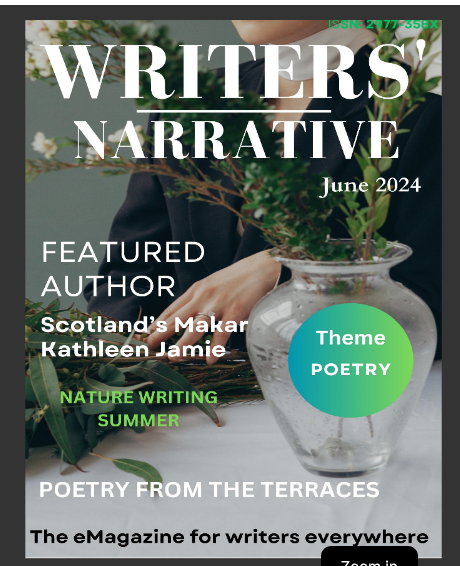
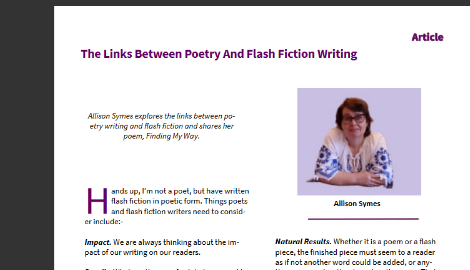
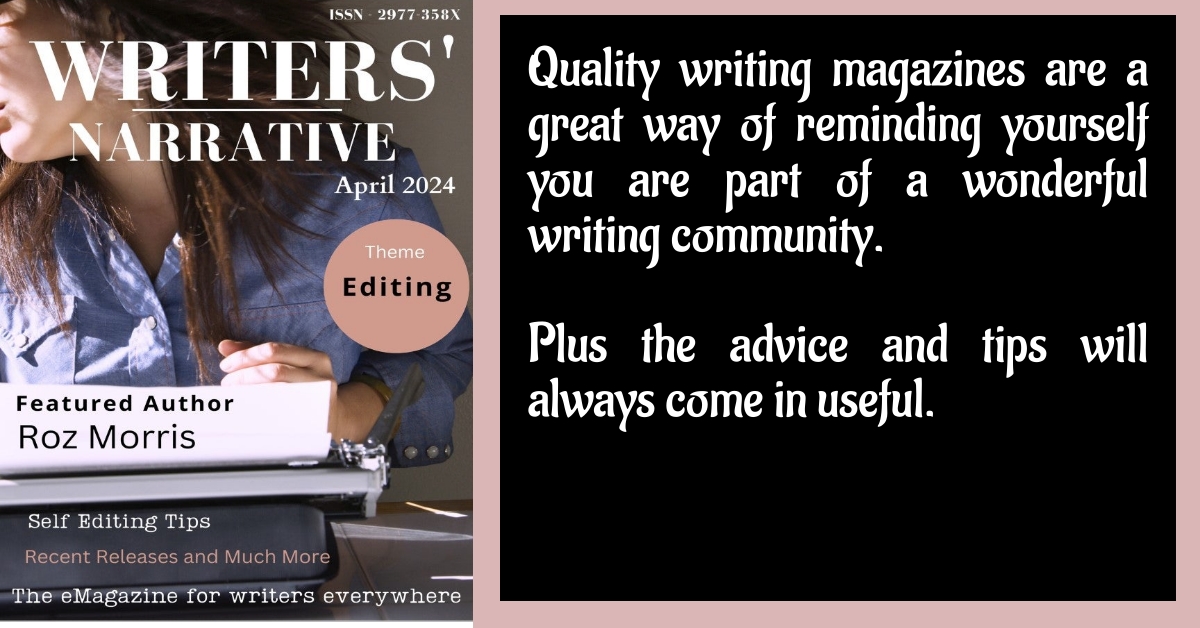
The magazine is back in 2025 after a hiatus but in the meantime do check out the back issues. This time I share the March 2024 edition with its theme of Writing For Children. Plenty of wonderful articles here. I had two pieces in here – Writing for Children and, separately, Writing for Anthologies.
AMAZON AUTHOR CENTRAL – ALLISON SYMES

https://platform.twitter.com/widgets.jsBlockage Removed, by Allison Symes – Friday Flash Fiction https://t.co/KF1pXPRb4d Delighted to be on FFF with my new drabble, Blockage Removed. The word “bar” came up as a prompt I set for the ACW Flash Fiction Group. This is how I used the word in a story. Hope you enjoy it. pic.twitter.com/RsDxVAALbv
— Allison Symes (@AllisonSymes1) July 5, 2024
https://platform.twitter.com/widgets.jsEmploying Kipling's Serving Men https://t.co/8tSbOAD5Yu Pleased to share Employing Kipling’s Serving Men on CFT. I share what these serving men are and why they are useful to any writing. I also add a “serving man” of my own, which I use a lot. Hope you find the post useful.
— Allison Symes (@AllisonSymes1) July 5, 2024


























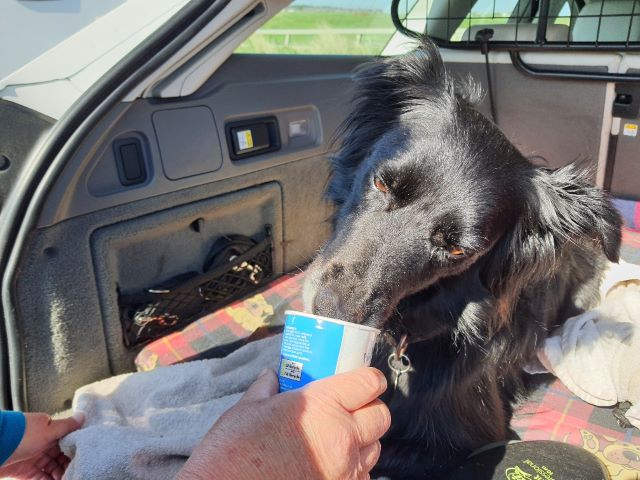


 Hope you have had a good day. Proper spring weather at last – Lady and I loved it.


 Amazon still has From Light to Dark and Back Again on offer as a paperback. See the link for more details. I don’t know how long they will hold the book at this price. Also do bear in mind you can contact me via my website if you’re interested in having signed copies of either of my flash collections or the anthologies I’ve contributed to over the years. Both of my flash collections are also available as ebooks.

 Allison Symes: Collected Works