The Gift of Reading and Writing

Image Credit: 

As ever, unless otherwise stated, the images are from Pixabay. The stained glass window shot is taken by Allison Symes (at Tewkesbury Abbey).

Facebook – General

Publication News

Am absolutely delighted to announce my short story What Goes Around is now published in Bridge House Publishing’s anthology for 2019 called Nativity.

Many congratulations to all of the other writers who are also included in this eclectic collection. Currently available in Kindle but will also be out in paperback. Naturally I will share those details when available!

(It’s going to be a nice task updating my Goodreads and Amazon Author Central pages again! That’s the kind of task no writer will ever mind!).


Nativity Full

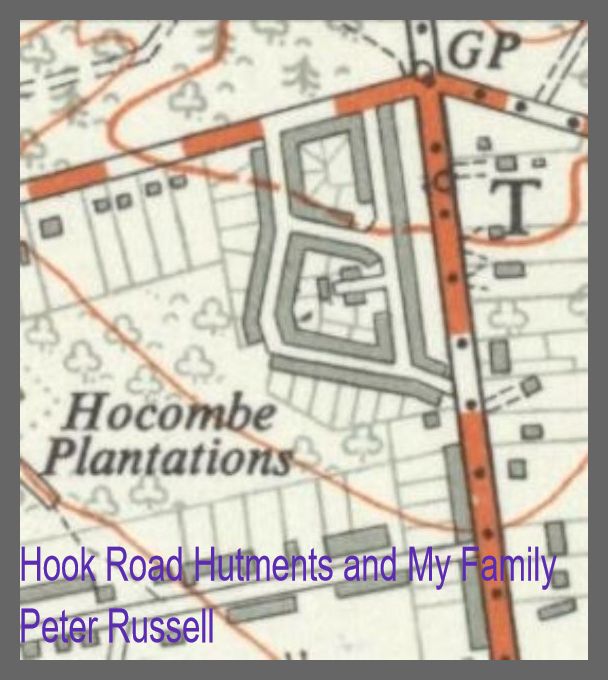
Am delighted to share this new three part series by Peter Russell on Chandler’s Ford Today. I acted as editor and it was a pleasure and privilege to do so. The Hutments were a community within a community and are now long gone. For anyone interested in local history, do have a read. Part 2 will go live next Saturday.

Feature Image - Hook Road Hutments and My Family

I cannot tell you how much pleasure writing and reading books has given me over the years. They are gifts that keep on giving.

The more widely you read, in terms of both volume and genre, the more room you give your imagination to fire up. Every writer is inspired, and continues to be inspired, by both what has gone before and what is contemporary and that’s exactly how it should be.

I realised long ago that I will never be in competition with any writer for the simple reason I write in my voice and they write in theirs. What inspires each writer is also unique to that writer.

Sure, there will be themes and books in common BUT there will be differences too. It is what we as individual writers bring to the mix that matters and we will bring something unique because we bring something of ourselves to our stories, consciously or otherwise, and we are all different. None of us brings exactly the same thing as the writer next to us (metaphorically speaking).

What I DO know is I owe a huge debt to my late mum, who I lost four years ago today (9th November 2019) to dementia, who taught me to read before I started school. She got into trouble for that. Apparently, I was taught “the wrong way”. Today, she’d probably be given a medal but things were very different back in the 1970s. Oh they were different! Incidentally, I don’t think I’ve done too badly for having been taught “the wrong way”.

One of my treasured memories is her joy in seeing my first story in print (A Helping Hand in Bridge House Publishing’s Alternative Renditions back in 2009). That memory will always mean so much to me.

Says it all really

I owe a huge debt to my late mother for her encouraging my love of books.  Pixabay image.


Thought it was time to update the cover photo (on my Facebook page).  I’m using this image on this website too. As well as being “branding”, it makes it simpler for me to have a common image running through my Facebook page, website etc.

Happily drafting a new story for a competition. Really like the way the character has come to life. That is one of my favourite aspects to creating new stories, regardless of word count. When that character “takes off” for me, they will do for a reader too. It is then a question of finding the right competition or market to reach the kind of reader I think will enjoy the story the most.

Biggest writing issue for me? Finding enough time to do all the things I would like to do, writing wise, but that’s a nice problem to have. What I loathe is having additional time but not knowing what to do with it – what a waste that is! – so I make sure I always have competitions to draft for etc.

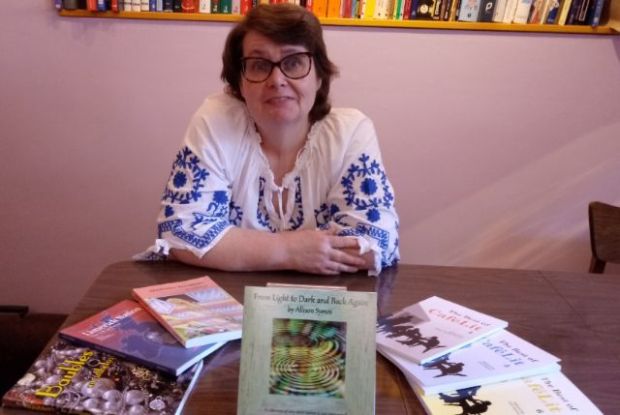
Allison Symes and published works

Image taken by Adrian Symes

Great to hear I’m Sorry I Haven’t A Clue is back on Radio 4. The word play on this is sublime (as it is on Just a Minute too).

Have completed the draft of a short story. Time to rest it for a bit and work on something else. I’ll probably look at the story again in a couple of weeks’ time. It will only be at that point I can re-read the tale and look at it as a reader would.

I also ask myself questions as to what I think a reader would make of the story and why. I also look for anything that might be considered weak from a reader’s viewpoint – and then either eliminate it or strengthen it.

But the crucial thing is having enough time away from the story before I look at it again. You really do have to distance yourself.

Also looking forward to going to YA writer Richard Hardie’s and Cold Case Jury writer, Antony M Brown’s, author talk and signing session at the Hiltonbury Farmhouse tomorrow from 7.30 pm. Should be fun.

This slideshow requires JavaScript.

Facebook – From Light to Dark and Back Again

Publication News

Many congratulations to all of the writers in Bridge House Publishing’s Nativity anthology. I have a standard length short story in here called What Goes Around.

I often use well known phrases and proverbs as titles for my flash pieces too. They can make a very useful short cut as they spell out the theme too without me having to repeat it! They’re also open to interpretation too. For a story like What Goes Around that could be humorous or serious. I love the flexibility of that.

Looking forward to the Bridge House celebration event in December. It will be the first time I’ve had a story in the BHP anthology AND two in the Cafelit collection for the year, The Best of Cafelit 8 (The Art Critic and Dignity and Injustice).

I just love that the buzz of being published online or in print or both never goes away. And does it encourage me to keep writing? Of course!


I’d not heard of flash fiction when I began writing seriously. I was sticking to the standard length short story (which I still love writing) and drafting a novel. It was when Cafelit issued their 100 word challenge, I thought I would try the form and quickly became hooked. So beware of what you get into then!!!

Having said that, I adore flash. Sometimes when writing a longer story (or more accurately what is MEANT to be a longer story), I realise the material is strong enough for something around the 750 word mark but to get it to, say, magazine requirement, I would have to add at least 250 and probably 500 words to it.

If there is one thing I have learned over the years it is NEVER pad a story. It never works. It comes across, I think, that the good ideas were in the first half of the story and the rest was to get it to the required word count length. I know I’ve read stories where I’ve had the impression and I also think you, as the writer, just know this isn’t really working. So stick with a shorter piece you know DOES work and find an alternative home for it instead.

The lovely thing with flash fiction is there is now a very welcome home for those shorter, strong pieces. So win-win then!

This slideshow requires JavaScript.

How do I create a new flash fiction story?

It depends! I know, I know – not particularly helpful is it, but it really does depend on:-

1. Am I writing for a competition with a set theme?

Here I need to focus on the kind of character who would suit that theme best. Once I’ve got them pictured and outlined, away I go. You can tell when you’ve got the character right because it can feel as if they are telling you the story!

2. Am I writing for a competition with an open theme?
I start by thinking about what theme I would like to tackle. I like to give myself room for manoeuvre here so I tend to go for a simple but open theme such as love, justice etc. You can do so much with themes like that. I then look at the kind of character who would suit the theme I’ve chosen.

I sometimes deliberately set myself a word count target even if I haven’t got a competition in mind. This is partly to keep me on my toes and also because I know I’ll find a potential market for it later on.

Again, I outline the character I want to write about and then think about what kind of trouble I can stir up for them. That is the fun bit, always! I also look at what it is about my character that will either get them out of that trouble or land themselves further in it.

For a very short flash (under 250 words), I go for one lightning quick problem the character has got to resolve quickly. They really have to get on with it but there has to be strength in that character so I know they are capable of doing it.


This slideshow requires JavaScript.

When do I know a flash fiction story is complete?

I put the piece aside for a while, re-read it and then work out what impact the story had on me. I’m usually looking for a strong response whether it is to laugh, scream or what have you.

Sometimes I write more thoughtful flash tales and there I’m looking for impact in terms of just how thought provoking was the story? When it is a character study, did the story leave me with insights as to why that character is as how they have been portrayed? Do I get a sense this character is realistic? Am I glad to have spent time in their company?

This slideshow requires JavaScript.

Goodreads Author Blog – Living in a Fictional World

I’ve never really wanted to live in a fictional world.

I wouldn’t mind a guided tour of Terry Pratchett’s Discworld (as long as it wasn’t by Rincewind and Twoflower. See The Colour of Magic and The Light Fantastic for more on why!).

I’d love to visit Middle Earth from Tolkein’s The Lord of the Rings, though I would give Mordor a miss.

And I never had the slightest inclination to follow Alice down the rabbit hole in Alice in Wonderland, Even as a kid, I thought that was a daft idea, though I loved the story itself.

Incidentally is this just me or was Alice either incredibly gullible or greedy? Whenever she saw signs saying Eat Me or Drink Me, she’d just do so. Never thought to question it and then wondered why she suddenly shot up in height etc. (I refuse to believe saying that is a plot spoiler, not after this length of time). Oh well…

I loved the Famous Five by Enid Blyton so a good nose around Kirrin Island would suit me. (I always thought of Kirrin Island whenever I’ve visited Brownsea Island, just off Poole Harbour. It’s the sort of place the Five would visit).

So if there was a fictional world you would visit, which would it be and why?

This slideshow requires JavaScript.

Getting Started and Genre Fiction

Image Credit

Unless otherwise stated all images are from the brilliant Pixabay.

Facebook – General

Regardless of what I write where, the hard part is getting started. Once I’m away, I’m away. But I have learned over time to trust the instinct that something will come which I can work up into a story or a blog post. The great thing is it’s going to be a first draft and the only person seeing that is me.

I never worry about getting the writing right first go. I know I won’t. What matters is getting started and putting something down on paper or on screen. You can only work with what you’ve put down to work with after all!

So ways to get started on a piece of writing then?

1. Look through any brainstorming notes and see if ideas jotted down there take your fancy now. If so, away you go.

2. Have another brainstorming session and write anything down that occurs to you. I’d do this for about five minutes. Then look through the ideas. Did one in particular stand out? If so, great, off you go. If not, what was the idea you like the best and why do you think that is? Then still write it up. There will be a reason why you like this particular idea so go with it.

I’ve found that once you start writing, the ideas continue to flow. It is a bit like turning on a creative tap. Stronger and better ideas come as you write too. Jot them down. Come back to them. But just get writing and have fun. Nobody has to see this work but you.

Out of what you jot down, there may come ideas to write up fully. Even if you seem to draw a blank, you are clearing away some creative clutter from your brain in getting these ideas down and out of your system. Just put them away for a bit. Come back to them later. You might see potential in them THEN.

This slideshow requires JavaScript.

Am forging away with my CFT post for this coming Friday – and it will include a quiz too. No prizes – just bask in the glow of getting the questions right! More details later in the week.

Revamping a website always takes longer than you think. I’m adding pages to my work on Cafelit and Bridge House Publishing/Chapeltown Books. I also hope to have a page on writing tips etc. Looking forward to sharing more details when all done. Do explore the rest of the site. There will be more goodies to come in due course. The site is now known as allisonsymescollectedworks.com

Next big event for me will probably be the Bridge House celebration event in December. Looking forward to that a lot. So good to meet up with fellow writers that, for the rest of the year, I meet courtesy of Facebook! Incidentally, I do think that is one of the nicest aspects of social media – writers being able to encourage one another even if they can’t meet in person.

More immediately, I’ve got short stories to draft and non-fiction ideas to work on too. Why is it that it can take ages to get started on a piece of work, you get into your stride with it and THEN the time whizzes by and you have to stop? Oh well. The one comfort there is I know I’m not alone on that one!

Allison Symes and published works

Facebook – General – and Publication News

Glad to say Staying In is my latest story on Cafelit. It ties in with my last story, Humourless. I’ve been working on some linked flash fiction this year and hope to write more of these.

Definitely on the darker side of my particular writing scale but I hope you enjoy them both.


Catching up with reading on the Kindle at the moment. I’m also re-reading my novel on there too (I do love the Send to Kindle function!) and am trying to read it as a reader would.

I tend to save using the Save to Kindle function for my big projects. I think I might try batching my short stories and flash fiction in one document so I can review them like this too.

When I put the Kindle on, I am straight into reader mode which is precisely what I want to achieve here. The inner editor has been told to go away somewhat forcefully and I can relax and read.

Ironically, I’ve found on the novel it has made me spot things I can improve but that is because I’m reading it in a relaxed way. I’m not at this stage trying specifically to do anything to it. I think state of mind as you read is key here.

This slideshow requires JavaScript.

Facebook – From Light to Dark and Back Again

I like to write flash fiction in a variety of moods. My absolute favourite are the humorous kind but that’s because I’ve always had a very soft spot for funny writing. I also think it’s under-estimated. (Anything that looks easy to write, you can bet the writer has worked very hard for years to get to that point).

Humour, I think, is the most difficult to get right in any form because it is so subjective. You have to accept not everyone might “get” your sense of irony.

My dear late mum loved a wide range of books but just didn’t “get” funny writing at all. I suspect that’s one reason I DO love it. Well, I guess it is one way of rebelling… albeit very tamely. (She would have been delighted though about From Light to Dark and Back Again and my other published stories).

This slideshow requires JavaScript.

I’ve mentioned using random word and phrase generators before as good triggers for story ideas. I thought I’d take a look at the random phrase generator and again and came up with:-

Two Down, One To Go
Down for the Count
On the Ropes

All of those would make great titles and/or themes for stories. May well have a crack at some of these myself. The nice thing is you can keep clicking until you come to a phrase you like the sound of and, also, how about combining phrases?

Two Down, One to Go could make a great title while On the Ropes could be the theme of that same story.

Happy writing!

This slideshow requires JavaScript.

Are there themes that really resonate with you whether you’re writing the stories, reading them, or both? I think I’d list mine as:-

1. Seeing the tables turned on superiors by a character who has been underrated or rejected.

2. Injustice put right, especially if someone has been falsely accused. (This is why Azkaban remains my favourite Harry Potter story).

3. A quest carried out by someone who is assumed will never fulfil it but they do. Take a bow, Frodo Baggins!

4. Where someone technically inferior is clearly far superior to their boss (but their boss knows it and acknowledges it) – Jeeves and Wooster are the top men here.

For flash fiction, of course, you would need to show a “brief taste” of these themes but there is nothing to stop you fleshing our a short piece into something much longer if you wanted to do so later.

That is one aspect of flash fiction I love – you CAN have a second bite of the cherry here. It’s just that the second bite is going to go much deeper (and go on for longer) than the first one!

This slideshow requires JavaScript.

Am having great fun revamping my website at the moment. Am planning to put on an All About Flash Fiction page with hints and tips. Will share once it’s ready. Plan is to update it regularly. I’ll also use it to compile some of the advice I’ve shared here and I hope to share thoughts on writing exercises too.

I love flash fiction for the way it shines a sharp light on one moment in a character’s life. There is something about the intensity of flash that really appeals to me. And I love getting to create so many different characters too.

This slideshow requires JavaScript.

Goodreads Author Blog – Genre Fiction

I’ve never understood snobbery around genre fiction. Genre fiction encourages people to read according to their tastes and isn’t the idea to get people into books in the first place?

My favourite genres include:-

1. Fantasy
2. Crime
3. Historical

(And yes you can combine those. Terry Pratchett’s Sam Vimes novels in his Discworld series combines 1 and 2 and I’m sure you can think of others that blend genres).

I suppose the only “properly literary” fiction I’ve read is Hilary Mantel’s Wolf Hall, which I adored, but my go-to-for-a-good-read first is always something which is genre based.

Yes, I know what to expect from, say, a crime novel, but what is fascinating is seeing how different crime writers handle their material. (As a writer, I can pick up tips there myself so win-win!).

I’m always fascinated as well by character creation and different writers take varying approaches to this. So reading widely across genres opens my eyes to different ways that this can be done.

So reading books then is a good idea then? Well of course it is!

Now to decide which genre I’m going to go for next…

Happy reading!

This slideshow requires JavaScript.


What Writing Means To Me

Image Credit:  Unless otherwise stated, the images come from Pixabay.

Facebook – General

What does writing mean to you? For me it’s:-

1. Escapism. (Always welcome that!).

2. Writing stretches and challenges me. I came up with blog posts or stories yesterday, can I do the same today? (The discipline of daily writing is very good for developing your imagination and stamina and is also brilliant for keeping the brain active).

3. Writing has given me a creative art form I can take part in and love. I’m useless at art (my kid sister was much better there – and still is) but I can use words. I believe most of us have a creative streak somewhere and it’s a question of finding the one that suits us best. Being creative does something positive for my soul/mental well being/self-esteem etc and that is a good thing for my sake obviously but also for those around me.

4. Writing has led me to doing things I would never have dreamt of doing (such as reading publicly from my own work).

5. Writing has given me wonderful friends who understand the joys and frustrations of writing and that wonderful buzz when your books arrive with your stories in them!

This slideshow requires JavaScript.

So what does the coming writing week hold in store for you?

I’m currently preparing a review of the play My Husband’s Nuts performed by The Chameleon Theatre Group for Chandler’s Ford Today. Yes, it really is called that. Reviews can sometimes be tricky. How much do you reveal about the plot? My approach is to give enough of the “flavour” of the play without giving away spoilers. And yes, this one is a farce. Well with a title like that, it kind of had to be really.

I’ve just submitted work to a competition and I plan to work on my big projects throughout the week. Am making good progress on one in particular. I also want to get another flash fiction collection together at some point.

Delighted that the Best of Cafelit 8 with its lovely green cover goes beautifully with the cover of my From Light to Dark and Back Again. They’ll look good together on a book stall! The Cafelit series always has the same cover image, just the colour of the cover changes, and the Chapeltown flash fiction collections always have a frame around a differing central image. Branding, folks, branding – it does matter but it doesn’t have to be complicated. Simple ideas here can work wonders.

Publication News

Delighted to share my latest story on Cafelit called Humourless. Hope you enjoy. Definitely not something that could be applied to me, I’m glad to say.

Facebook – General

When something unexpected happens, how do you react? Okay, okay, I know. It depends on whether the unexpected happening is nice or not. (I was nominated for Miss Slinky in my Slimming World group tonight – very nice surprise and it brightened up my Tuesday considerably!).

Okay, next question. How would your characters react? Same response from you? Yes, and rightly so too. But it pays you to know how your characters are likely to react, no matter what turns up in their lives.

Also think about why they would react the way you think they will. If someone reacts badly to a balloon bursting, is that because their link that sound to a bad memory? There should be a reason for their reaction, especially if other characters seems to consider it an over-reaction. You can ask yourself if it IS your character over reacting and then think about why your character might do that. Trying to get sympathy perhaps?

This slideshow requires JavaScript.

Facebook – From Light to Dark and Back Again

I occasionally write a piece of flash fiction where the first letter of each line spells out a word. Let’s give that a go again now and appropriately I think I’ll go for Autumn. (Now this is where I could cheat and go for the American word of Fall here to make my life easier but I won’t!).

AUTUMN

A = Allison finished digging in the garden not a moment too soon as the rain started pelting down.
U = Urgent requirement for a hot cup of a tea and a Hi-fi bar made her put her spade away in record time.
T = Turning away from the garden shed, she ran indoors, put the kettle on, and grabbed her bar from the larder.
U = Unaware her actions had been witnessed.
M = Missy, next door’s dog, got through the gap in the fence and went to where Allison had been digging.
N = Never had a body been uncovered again so quickly; never had Allison shooed a dog off so quickly before as she rushed to cover up her work.

Allison Symes – 26th October 2019

Not based on a true story, honestly!


This slideshow requires JavaScript.

Reasons to engage with other writers positively:-

1. It’s fun – best reason of all.

2. You will learn useful information – I’ve found out about competitions etc thanks to chatting with other writers. Some of it I’ve used, some of it I may use in the future, some I may never get to use at all.

3. When you can share useful information, see it as paying your dues. I know I’m grateful for the good advice from other writers that has helped me so pass it on.

4. Ultimately, we all want to write good material, whether it’s flash fiction, or an epic saga. There are things on our writing journeys that we will share in common. You don’t have to cope with these things on your own!

5. You can be warned about scams. No industry is exempt from these so why should publishing be?

6. Linking with 5, other writers can tell you where to go for good advice and what has helped them.

7. I was told about Cafelit and from there found out about flash fiction and I’ve been very grateful for finding out about those!!😀

This slideshow requires JavaScript.

Pleased to have another story up on Cafelit – Humourless. More to come too.

http://cafelitcreativecafe.blogspot.com/…/10/humourless.html

For Cafelit, you need to assign a drink to your story and I try to match the mood of the tale with an appropriate beverage. I sometimes find that harder to do than write the story and I’ve often searched cafe menus for inspiration!

It is a great way to discreetly flag up the mood of the tale though. This, and finding pictures for my CFT posts, are probably the main ways where I’m “forced” to think laterally sometimes. But it is worth persisting with doing that. Other story ideas have come to me that way.

This slideshow requires JavaScript.

I always feel a certain amount of relief when I’ve got the first draft of a story written. I never worry about making each line or paragraph “perfect” before moving on because I know if I took that approach, I would get very little written. Also, there’s no such thing as “perfect” writing anyway.

I like to get a first draft written, move on to another piece I’m editing or submitting somewhere, then come back to that draft to give myself enough distance from it to be able to judge it as objectively as I can.

There are two reactions made by a writer to something they’ve written.

1. This is genius. Not true, sadly.

2. This is awful. Whatever made me think I could write. Not true either and that’s better news!

It is inevitable as you read through a piece, ideas for better ways of phrasing things occur to you so go with that and don’t worry about it.

This slideshow requires JavaScript.

Association of Christian Writers – More Than Writers – A Season For Everything

Do you find the seasons affect your writing? I can’t say they do with me. One good thing about the evenings drawing in earlier is the lure of a cosy room, my desk, hot drinks on the go, and an evening’s writing is even more appealing than it normally is!

I don’t write much about the seasons. Flash fiction with its word count limits means I have little room for description. If I want to show it’s cold, I’ll get my character to put on their big coat, having established they usually wear shorts or something daft like that.

Sorry to all shorts fans out there but I’ve never liked them. I’d also consign flip-flops to history’s dustbin. If I ever come up with a character I really can’t stand, I could make them wear shorts and flip-flops in freezing weather and make them suffer! I guess that could be fun…

Is there any writer who doesn’t get some enjoyment out of putting their characters through the mill, especially when those characters have it coming? I refuse to believe that is just me.

If I have seasons to writing, it is not in the quantity of what I do but in the tasks themselves. I will have weeks where I’m submitting work all over the place. (I finished drafting this after sending three stories off to Cafelit).

There will be other weeks where I’m editing work I’d deliberately put aside to look at again with fresh eyes prior to submission. It does pay to give yourself that time so you return to your story afresh. It’s the only way I know that works where you do come back and read your work as a reader would.

Without a time break, I’ve found you can be too close to your own work to be objective about it. This is why when there’s a competition deadline, I take off at least a week from the official end date and that will be the date I aim to submit the piece by. If life gets in the way as it does sometimes, I still have a few days in hand to still submit that piece.

I am so grateful for email submissions! I did start writing seriously when everything went in by snail mail (it was just after the last T Rex left this world). Some things have definitely got better. (I don’t miss typewriters, carbon paper or Tippex either. I did use to cut and paste literally).

I’ve found it pays to have periods when I’m creating new work. While I’m working on the second story, the first one is having its “time break” for me to edit effectively later.

There is always something on the go  writing wise and that’s how I like it. I have a very low boredom threshold and the lovely thing with creative writing is that threshold is never tested. There is always something to do.

Happy writing, editing etc etc!

Goodreads Author Blog –

What Do I Want Books To Do For Me?

This slideshow requires JavaScript.


Meanings

Image Credit:  Unless otherwise stated, the images come from the marvellous Pixabay

Facebook – and Chandler’s Ford Today

For this week’s CFT post, I look at Meanings, how comedy writing depends on there being multiple meanings to get the laughs (particularly true for puns), and discuss how certain radio shows can help you as a writer learn about the use of language. Hope you enjoy.

Feature Image - Meanings

My inspiration for my Chandler’s Ford Today post on Meanings this week comes from going to see My Husband’s Nuts, the latest production from the Chameleon Theatre Group. (Review next week).

I guessed that there would be at least some reference to the various meanings of nuts within the play (you can fill in your own gags here!) and that led me to look at how much comedy writing depends on multiple meanings etc.

Ideas can be funny things at times. All it needs is that initial spark to create a starting point and you go from there. You just need to be open to recognising that initial spark for what it is AND to see that it really is just the beginning.

I’ve found reading and writing more makes it easier to recognise those initial sparks. And ideas do come from all over the place (and not always at convenient times either!) but you get used to that.

I have brainstorming sessions every so often and just write down all the ideas I come up with then. A lot I do go on to use either for story ideas or CFT blog posts and some I discard.

Closer examination, after a break away from that brainstorming session, leads me to critically decide which ideas have the “legs” and which don’t. But coming up with ideas I don’t take further later on is not a waste of time. Far from it. Sometimes I have to add another element into that initial idea and then it has the “legs”. What matters is there ARE ideas I can flesh up and write up. I think there is a certain element of having to think through ideas to get to the nuggets you can do something with.

This slideshow requires JavaScript.

Posting early today as off to see The Chameleon Theatre Group’s latest production, My Husband’s Nuts, later tonight. I make no comment on the title except to say I’ll be reviewing the play and production next week for Chandler’s Ford Today. This week’s post will be all about Meanings. Read into that what you will! 😀😀

I’ll be meeting up with my lovely CFT editor, Janet Williams. Going to the plays has become something of a CFT tradition for both of us. I like to think of it as a kind of works outing! What I do know is this evening should be a lot of fun!

Have put in my order for the Best of Cafelit 8. Looking forward to that postal delivery. You never lose the thrill of being in a book!

Am working on a story for a competition and hope to get that submitted over the weekend. I really don’t miss the old days of having to get everything sent off in the post – email submissions are so much easier.

I’m looking at Meanings for this week’s CFT post. I look a little at how the use of certain English words has changed.

I also discuss how radio shows like Just A Minute and I’m Sorry I Haven’t A Clue, as well as being great fun, are excellent for writers to learn from. This is particularly true for JAM. (If you get the chance, do check out earlier series where grammatical deviation challenges are particularly useful for writers to learn from).

I look at how comedy writing is so dependent on getting the right meaning from the right words to get the laughs. Well, where would puns be without having more than one meaning?

This slideshow requires JavaScript.

Facebook – From Light to Dark and Back Again

Pleased to say I’ll have another flash fiction tale up on Cafelit soon. Will share the link obviously. Very pleased with the look of The Best of Cafelit 8. Receiving parcels with books with your stories in is a great joy. It doesn’t dim!

How do I decide what is a great moment in a character’s life that deserves having a flash fiction tale revealing said moment?

Well firstly that moment has to grip ME. A writer is their own first reader and if you’re not gripped by the characters and situation you’ve put them in, nobody else will be.

Secondly that moment should reveal something interesting to a reader.

That can be anything from the character finally learns a much needed lesson (humour can work well here), the character changes their ways or deals with a conflict and resolves it.

I’m always interested in how characters resolve problems and why they’ve gone the route they have. I think most readers are fascinated by that. It’s why we read to the end if we are gripped by the tale. We have to find out what happens and that urge to find out has been with humanity for centuries. It’s not going anywhere any time soon!

This slideshow requires JavaScript.

Posting early as off to see My Husband’s Nuts, the latest production by The Chameleon Theatre Group, later on. Oh the power of a title!!

I look at Meanings (including how comedy writing depends on words having multiple meanings to get the laughs at all) for this week’s Chandler’s Ford Today post. Link up tomorrow.

I sometimes know the title of a flash fiction story immediately because I’ve come up with something I really want to write something to and so off I go. At other times, the title emerges from the character and the story but at all times I have to have a draft title to get me started. I do need a “peg” like that but once I’ve got one, away I go!

But I’ve learned not to worry about changing the title if a better one comes to me. Only the Ten Commandments were set in stone, folks.

(Oh and have literally just had The Best of Cafelit 8 delivered – at 5 pm on Thursday 24th October. I like getting parcels like that! So naturally that needs a photo!).

This slideshow requires JavaScript.

For someone who writes flash fiction, I can’t say I have that many flashes of inspiration! I don’t usually get an idea out of the blue. What I do hear is a character’s voice and I can detect from that something of what their major traits are likely to be.

Assuming I like the sound of this character (whether they’re hero or villain doesn’t matter – all I need is to see possibilities for them), I ask myself what situations would they hate having to deal with and why. I then dump them in those situations. It’s time for my character to sink or swim then! No shortage of conflict here either (especially internal conflict). And yes, I know, I’m all heart to my characters – NOT!

There’s no point in putting your super duper character in a situation you know they can handle. Where’s the story in that? Give them hell and then some. It will challenge you to work out how your character deals with it and that is where the story is!

Have fun dropping your characters right in it then!

Fairytales With Bite – What I Like in a Fairytale

  • Strong characters (even if they themselves don’t think they are but prove it later)
  • To see wrong being righted (with some help from a fairy godmother and a magic wand. Be prepared for pumpkins to be involved. Just go with it… it’s part of the fairy godmother’s stock in trade).
  • Humour. While the character of Buttons is not in Cinderella to the best of my knowledge, I can understand his addition to the traditional pantomime. If the main character can’t be humorous, for whatever reason, best to get a sidekick to do it then!
  • A good and appropriate ending, usually a happy one though there are exceptions (The Little Mermaid as told by Hans Christen Andersen is a classic example here).


This slideshow requires JavaScript.

This World and Others – Deciding on a Setting

How do you decide what setting is best for your characters?

  • The setting has to meet the character’s needs. If a character is on a quest, where are they likely to meet those who will help them/supply them etc? Also where are they going to and why? What kind of obstacles must they overcome to achieve their objective?
  • The setting has to be appropriate to the characters. You wouldn’t get a mermaid to live in an inner city etc (well she wouldn’t last for long if you did!).
  • What kind of world do you want to create? Have you got a hankering for forests? Then create a world which has plenty of them and think about what kind of characters would live in woodlands? Which characters would hate that? Would there be conflict between the two types (I should think so but good stories always come out of conflict!)?


The Writing Life and Publication News

Image Credit:  Unless otherwise stated, the images are from Pixabay.

Facebook – General

I drafted this post on my way to a Writers’ Day (19th October 2019) run by the Association of Christian Writers. (I’m their Membership Secretary). I do love a good train journey and Evernote! I adjusted to using a stylus quicker than I thought I would too.

The event itself will be good fun and it will be nice catching up with friends too. Am enjoying seeing the sun rise over the Hampshire countryside as I draft this. Will be seeing the sun set on my way home. (And I did. It was lovely).

Writing wise, I’ll have a story up on Cafelit tomorrow so look forward to sharing the link for that.

I’m also looking forward to seeing the next production by The Chameleon Theatre Group called My Husband’s Nuts next week. Should be fun. Review to follow in due course.

Am making progress on projects I’m working on but why is progress never as quick as.I’d like it to be?! Oh well says she, pressing onwards!

This slideshow requires JavaScript.

Publication News

Delighted to say The Best of Cafelit 8 is now available in paperback as well as in ebook form. Reviews welcome, as always!

I have two flash stories in here – The Art Critic and Dignity and Injustice. Very different moods for those two as well! Great collection of stories so if you’re not sure what you fancy reading next, try this assortment! You’ll find something to suit…! Lovely eclectic mix of authors, styles, and moods. (Pleased to say Cafelit 8 is now up on my Amazon Author Page too!). Thanks to my recent CFT series on What Books Mean to Me I can share some of the images of the authors in Cafelit 8 but do check the book out and catch up on all the authors included here. There is a great mix of styles but you don’t just have to take my word for it!

Also thrilled to share my latest story on Cafelit called Takeover. The thrill of being published in print, online or both never dims!


Facebook – General

Favourite moment in editing? When you know the changes you’ve made have strengthened your story/book and your only regret is not having spotted the necessary changes when you were drafting the tale in the first place.

The one thought that has always cheered me up here is that nobody writes a perfect first draft. Shakespeare didn’t. Dickens didn’t. I’m not going to – so that’s okay then. What matters is the edit. And it does pay to take your time over it, leave the work for a while, before then re-reading the piece as a reader would.

Least favourite moment in editing? Checking for typos and then spotting one after you’ve gone through the document several times. The one comfort here is that this happens to us all at some point so you’re definitely not alone!


This slideshow requires JavaScript.

S = Spellbinding characters make you have to find out what happens to them so you keep reading.
T = Tall tales, flash fiction stories – there’s something for every word count!
O = Originality. I find it fascinating how writers create unique characters and keep doing so and, of course that is a challenge to me too.
R = Reading – the other side of writing. Two wonderful creative arts in one in many ways. You have to read well to be able to write. Name a better way of working out how a book works, how characters come across on the page etc.
I = Inventiveness. I love inventing new people and situations to put them in. Exercising the imagination regularly like this has to be good for the brain – and your writing muscles.
E = Entertainment – stories cover the whole range. Some are entertained via tragedy, others via humour, crime, historical fiction. There are plenty of wonderful books out there. And don’t forget the anthologies – flash fiction and short stories. Perfect for quick reads.
S = Setting. Via a book, I can visit fantasy worlds, places on this planet I may or may not get to see for myself, places I’ve never heard of – does this give another meaning to losing yourself in a good book? You can lose yourself in an enthralling setting. The world of The Lord of the Rings is a good example (though I admit I’d never visit Mordor out of choice if that option was available).

This slideshow requires JavaScript.

Facebook – From Light to Dark and Back Again

I was listening to the gloriously peaceful music of Sailing By on Classic FM as my train left Basingstoke when I drafted this earlier today (on my way to the ACW Writers’ Day mentioned earlier). Quite a contrast in images there! Flowing water, sunny days, and a big town!

Contrasting images can work well in flash fiction but, due to the word count limits, contrasts are best shown sharply. You are flashing a brief light on the lives of your characters to your readers when all is said and done. So what is the contrast they must pick up on? Focus on that.

For the longer flash stories, there may be room for subtle contrasts to come in but again focus only on what your reader needs to pick up. You still won’t have room for more than that. Flash is all about focus (which is why it is a great discipline for any writer).


This slideshow requires JavaScript.

Places I have drafted flash fiction stories:-

1. At home on laptop (very conventional!).
2. On the train on Evernote.
3. In a notebook using good old pen and paper while waiting for my phone to recharge! (There is much to still be said for pen and paper).
4. On a car journey.
5. Just the once – at the end of a church service, I had a very strong idea for a story which I knew I just had to write down a few notes about so I could write it up properly later. I usually hear my characters speaking, then visualise them. For this story, it was the other way round. Yes, it does have a faith based theme but I just had a very strong compulsion to get this story idea down quickly – so I did, using Evernote.
6. When I’ve got ten minutes before I have to go out anywhere… well it’s useful writing time and I flesh up the stories properly later on.
7. At writing conferences when I’ve been set a writing exercise. Nearly all of mine turn into a first draft af flash fiction.

I have NEVER followed the advice to keep a notebook by the bed to jot down thoughts that occur over night. This, I know, simply wouldn’t work for me. I sleep very heavily as a rule and don’t often dream so this is a no-go. I am never at my best first thing anyway so any notes jotted down would make no sense to me yet alone anyone else!

This slideshow requires JavaScript.

Why do I like using the first person in flash fiction so much?

1. It’s immediate. I can take you right into the thoughts (and attitudes) of my characters.

2. It reads like a first-hand account (which from the character’s viewpoint is, of course, the case!).

3. I can get my character to refer to other characters and give a sense of a life being lead without actually bringing those other characters into the story itself. It saves on word count, obviously, but if I just need to show Character X hates Character Y, I can show you that by revealing X’s thoughts about them. I don’t need to bring in Y at all. It is more direct and, to me, comes across as more natural.

4. I find first person works really well in the sub-500 words stories so it does tend to be my “go to” when I specifically want to write to that limit or under.

5. There isn’t a lot of room for dialogue and character development in flash fiction. Flash is, as I mentioned the other day, all about focus and I’ve found it best to focus on one to two characters at most in a sub-500 words story. In sub-250 words, one character works very well (and therefore the means of showing their story is often best done via the mouth of the character concerned).

This slideshow requires JavaScript.

Goodreads Author Blog – Travel Reading

I tend not to read much while travelling. I’m usually drafting blog posts and stories on my phone for one thing! But I like to take a good mix of good reads for when I get to my destination.

I prefer light reads when away. I am escaping from the usual routine so want to escape through books too. I’m currently enjoying Ben Macintyre’s The Last Word on Kindle which takes a light look at the use of language and is good fun. Highly recommend.

I also loved his Operation Mincemeat. Not a light read so to speak but a cracking and true story told at a great pace.

What do you look for in a good read?

I like to be entertained, escape my cares for a bit, and ideally learn something too.

When reading fiction, I learn something from how the characters are portrayed, how the dialogue is put together etc. I get so much from books and hope you do too.

This slideshow requires JavaScript.


What Books Mean To Me Part 3

Image Credit:  Unless otherwise stated, all images are from Pixabay. A big thank you to my guests on the Chandler’s Ford Today Series What Books Mean to Me for supplying photos.

Facebook – General – and Chandler’s Ford Today

I’m delighted to share the final, bumper edition of my What Books Mean To Me series for Chandler’s Ford Today. A big thank you to all of fantastic guests for sharing their insights here. It has been a superb series to put together and great fun!

This time Gail Aldwin, Paula Readman, Jim Bates, Wendy H. Jones, Val Penny and yours truly answer the three questions I set.

I asked which ONE book would you save in the event of a disaster, what does reading mean to you, and what do you think reading has done for you as a writer.

As ever, do share your thoughts on the books you’d save over on the CFT page.

A HUGE thank you to all of my guests appearing in the What Books Mean to Me series on Chandler’s Ford Today.

The series was great fun to put together. The wide variety of books chosen to save was amazing (as were the reasons why).

There is plenty to learn from also when my guests discussed what reading had done for them as writers (and of course continues to do).

If you were ever in doubt about the importance of reading for writers, do check this series out. My guests’ comments will leave you in no doubt that the best thing any writer can do to help them improve their craft – read and read widely and read lots. But, hey, don’t just take our word for it. Get on and read and discover how true this is for yourself (and the great thing is you can include reading the posts as part of that!).

Incidentally one of the joys of my CFT posts is choosing a Feature Image (nearly always from those magnificent people at Pixabay). Isn’t the library image for this week’s post just gorgeous?! See the slideshow!

This slideshow requires JavaScript.

W = Welcome into a new world (sometimes it’s this one but seen from a new angle).

R = Real characters you can identify with come to life before your eyes as you read and you root for them all the way to the finish.

I = Imagination. The writer has clearly shared theirs with you. Does your imagination picture the world the writer has created clearly enough? Does the story spark your imagination and maybe inspire you to write your own stories or, even if that is not the case, can you think how the characters might live on after the book is finished? The latter shows the characters really are “live”.

T = Tension. There should be plenty of that, even in the funniest of books. Characters have to strive for something important. Other characters should get in their way for good reasons of their own. No tension/conflict = no story.

I = Intensity. Does the story grip you with its intensity? Do you feel the emotions the characters are being made to feel? (You should. No cardboard cut out characters here, thank you).

N = Narrative should be lively and speed the story along. The information given here should be crucial to your enjoyment of the tale.

G = Genre. Read widely in many! Think how many worlds you can explore through book covers if you do that!

This slideshow requires JavaScript.

Looking forward to sharing Part 3 of What Books Mean to Me on Chandler’s Ford Today later this week. It has been great fun putting this series together and there have been some fabulous insights and books selected to be saved. More to come on Friday!

My guests this week are #GailAldwin, #JimBates, #PaulaCReadman, #WendyHJones, #ValPenny and…. er… Allison Symes. Well I thought I should answer the three questions I set! Never ask other writers questions you’re not prepared to answer yourself!

(And if the series gives you a marvellous Wish List for a certain season due in a couple of months’ time, even better!).

Second image in was taken on my phone at the pub just before the Waterloo Arts Festival in the summer. Here are three happy flash fiction writers – Paula Readman, Gail Aldwin, oh and me.

Many thanks to Wendy Jones and Jim Bates for supplying their pictures. Val Penny and I were having a selfie moment at the Winchester Writers’ Festival earlier this year.

Do check out everyone’s thoughts on what books mean to them on Friday. Meanwhile, there are Parts 1 and 2 to catch up on over at CFT.

This slideshow requires JavaScript.

Facebook – From Light to Dark and Back Again

Glad to say I will be having more stories on Cafelit later this month and into November. Two of them are linked. I’ve experimented with linked flash fiction stories this year and have found these to be good fun. I think the trick, if there is one, to them, is to ensure the link is strong enough and don’t keep it going for too long. Will keep you posted.

Tying in with my post on my author page, here is another acrostic which I hope shares some good tips.

F = Flesh out your character who is going to be the focus of your flash fiction story. Why are they the star of your story? What is special about them? Some of that needs to come through so your reader picks up on their special qualities and will want to read on. (Not necessarily all by the way. Readers won’t need the full biography! Just give the readers what they need to know.).

L = Lively pace. Well nobody wants a dull read, do they?

A = Animated character(s). They’ve got to be the type of people who readers will want to root for and, in the case of villains, are perhaps a little sorry when they lose (assuming they do).

S = Setting(s) to be places readers could picture, even if the setting is a fantastical world beyond any known galaxy. What is there readers can identify with? (That even on Planet QZog, the females of the species have trouble getting their men to put the bins out?).

H = History – character and setting. There won’t be a lot of room in a flash fiction tale of course, so imply what you can when you can. A character’s thoughts can be a useful device here as they consider what action they will take based on the circumstances you’ve put them in. They will decide what to do based on their past experience and also based on any known history of their country etc, as indeed we do.

What do I want my flash fiction to be?

1. Entertaining. (Never despite the value of the escapism value of a book or story. The ability to escape into a good story is invaluable and I’m convinced has health benefits too).
2. To have the impact on a reader I hoped it would, whether it be to make them laugh, scream, or, where appropriate, both.
3. To be something I can be proud of – not just now but years on when I can look back at it and think, yes I loved writing that story/book and I still enjoy reading it.
4. A good character study, even if my character is a rotten piece of work. (Marvellous fun to write up though!).
5. To sometimes, and where appropriate, give a reader (and me) pause for thought.

Fairytales with Bite – What Books Mean to Me

I’ve thoroughly enjoyed interviewing my guests for the Chandler’s Ford Today series for the past three weeks. But linking that into fiction writing, I’ve got to ask what do books mean to your characters? Are your characters set in a world where they can read and books are easily available? Or are their stories preserved in other ways?

When you think about it, we have not had the printed word for that long compared with how long we have had the oral storytelling tradition. I love both “formats” and long may they reign but what would your characters know best? What is their technological equivalent to the Kindle if they have it? What fictional books would they read?

You can also ask that last question as you create your characters. Their choices may well tell you a great deal about them (and do query why the choices are the ones they are. Do they love, as I do, Jane Austen’s Pride and Prejudice because they appreciate irony? How do they express their own irony and is it appreciated? Does it land them in trouble?).

Thoughts to ponder!

This World and Others – Goalposts

When you create a setting for your characters, do you set up goalposts for yourself? What do I mean by that? Simply, do you set limits for the setting that you absolutely have to know about before you write?

For example, you may decide you need to know the history of the town your lead character lives in but not of the neighbouring villages. There’s one limit set (one goalpost if you like that you won’t cross!).

Look at what you decide you need to know and examine why you need that. You should have no problems justifying those choices. What does pay is if thoughts occur to you about your setting that do not appear to be relevant, do jot them down anyway. You may find they come in useful later on in the story draft.

This slideshow requires JavaScript.


The Writing Life – and Publication News

Image Credit:  As ever, all images, unless stated, are from Pixabay


Facebook – General

I thought I would look at what reading non-fiction has done for me.

I was a huge fan of the Simon Schama History of Britain TV series so got the books too. They are a fascinating read both in terms of content and how they are structured. Lots of useful pointers there for a writer.

I love guide books. Whenever I visit a historical place, I always get the guide book (and usually a nice pen too!). I learn so much from the contents but also from the human interest stories that often form part of these and how they fit into the factual narrative. Again, things to learn about blending material there.

I sometimes read specific books around a subject but I also love dipping into encyclopedias and other reference books (Brewer’s Dictionary of Phrase and Fable is a favourite) and seeing what I find out! It is a lot of fun exploring avenues here and makes you think along ways you wouldn’t have planned. Ideas for stories and blog posts do spark from doing things like this. Give it a go. If nothing else, you expand your reading!

Pleased to bits to have my first review for From Light to Dark and Back Again on Amazon.com – the simplest thing people can do to support authors is to review their books. Reviews don’t have to be long either. Honesty about what you liked (or didn’t) is key.

So please, please review!

Also pleased to say that the Kindle version of The Best of Cafelit 8 is now available. There will be a paperback later in the year. My flash stories Dignity and Injustice and The Art Critic are here. The book is now on my Author Central page.

Last but not least, I’ve finally sent off a pitch for an idea I’ve been working on. Got to have the old hat in the ring after all to be a contender!

Do I still get nervous about submitting new work? Oh yes. Do rejections still leave me feeling flat? Oh yes. But, over time, you do get used to this being a normal part of a writer’s life. You do dust yourself down, look at your idea again, think about reworking it and so on.

Sometimes when an answer is no, the real answer is not yet or not here. What you can’t know when you submit material is whether similiar ideas have been received by whoever it is you’re submitting work to and so, of course, they can’t have something that is too like work they’ve already accepted. Park the idea, revisit it later, and if you can think of a suitable alternative market, go for it. The worst that can happen is they say no but, even after all the years I’ve been writing, you still have to fight the nerves and get that work out there!

Of course, you can’t beat the feeling when you receive acceptances! I only wish I could bottle it.

Open Prose Mic Night Swanwick 2019 - image by Penny Blackburn

I read The Art Critic at Swanwick earlier this year. Many thanks to Penny Blackburn for the picture.

cropped-20190622_151100.jpg

Love having my creations around me! Image by Adrian Symes

0b75f-fromlighttodark_small

My flash fiction collection. Image taken by Allison Symes.

that lightbulb moment is a wonderful one for writers - pixabay

The lightbulb moment of inspiration for writers is wonderful. Pixabay image.

much easier to cut and paste and edit on one of these - pixabay

Write to screen but edit on paper. Pixabay image.

Glad to report The Best of Cafelit 8 is now up on my Amazon Author Page (see link above). Looks good on there! (Am also looking forward to the paperback coming out later in the year and the Bridge House Publishing event in December. Always good fun).

How do you find writing works for you when you’re tired? I find that shorter pieces of writing perk me up and I save the marathon sprints for when I have more energy. I do get ratty if I can’t write at all as those nearest to me would testify.

I have got to write something creative even if it is just the outline for a flash fiction story. Having said that, once I get started, I find the creative instinct takes over and often I’ll get to the end of a session having written more than I thought I would. So that cheers me up no end. Mondays ARE the worst day of the week for me for this. Do you have any bugbear writing days? How do you manage them?

This slideshow requires JavaScript.

My favourite part of writing is when I’m drafting a character’s thoughts. Why? Because I can get the character to show something of themselves without them being aware of it! It is the reader who will make judgements about the character based on what they read of their thoughts and actions.

I also like writing thoughts because they can be a great way of a character revealing what they think of themselves and what they feel other characters think about them. They don’t have to be right on either of these! (There’s potential for comedy or tragedy there).

Also characters will think things they would never say out loud to anyone else (just as we do) and there can be fun to had there as a reader “watches” a character struggle to keep their real feelings for another character hidden.

If you think someone is a dingbat but they’re your boss, you’re going to think twice about saying so AND know you’ll have to suppress how you really feel to make sure nothing embarrassing unwittingly is “let out”.

This slideshow requires JavaScript.

Facebook – From Light to Dark and Back Again

Do the seasons affect what you write? I can’t say I’ve noticed anything here but I can imagine it may be easier to write a darker tale when all is dark and gloomy outside. (You’ve at least got the atmospheric setting for it!).

Having said that, I often write cheerier stories during the darker months because I like something to cheer me up and I figure readers would like that too!

From a practical viewpoint, when the weather is awful, the lure of being at my desk in the warm with hot drinks on the go is too tempting to resist so I don’t! There is much to be said for bad weather increasing productivity!

This slideshow requires JavaScript.

Managed to do some writing while I was away in glorious Northumberland for a week. As well as my blog posts, I’ve drafted two new flash fiction stories (of the circa 500 words variety. I know, that’s going on a bit by my standards! Good fun to write though).

Pleased to say The Best of Cafelit 8 is now out on Kindle. It is now on my Amazon Author Central page (see links shared earlier). My flash tales Dignity and Injustice and The Art Critic are in there. Very different moods too just on those two stories. What I love about the Cafelit collections is the range of styles and moods of tales they have. (Paperback will be out later in the year).

I’m a great advocate of short story and flash fiction collections for the obvious reason I am sometimes in them (!) but also because they are a fabulous way to get a feel for a writer’s work. Give them a go!

This slideshow requires JavaScript.

I was away last week in gorgeous Northumberland and the scenery was amazing. The dog loved the stunning coastline and we all did plenty of walking.

I don’t usually go in for a lot of descriptions in my stories. There isn’t the room for them in flash fiction but if I ever set a story on a windswept beach with stunning views, then you can take it I was referring to either Dunnet in Scotland (right on the top edge of the country) or Duridge Bay in Northumberland! Would love to revisit both places next year.

Where setting is invaluable for a writer is where it is almost a character in its own right. Check out the crime writing series for great examples of these (Morse = Oxford is probably the best known). Mordor hangs over Frodo Baggins long before he gets anywhere near it. The latter is a great example as the very name Mordor implies dread and darkness. Well it does for me anyway.

(Oh and for Part 3 of my What Books Mean to Me series on Chandler’s Ford Today this week I will be featuring, amongst others, two Scottish crime writers who very much use their settings as a vital part of their stories. More later in the week).

This slideshow requires JavaScript.

What is your favourite kind of character?

I like characters that can surprise me even though I created them.

I like characters who might seem a bit dodgy but really do have good hearts. (It may be a cliche but it’s one I love. I also think we need far more good hearted people in this world – can we ever have enough of them? I think not).

I love characters who can make me laugh. The character who is good at one-liners will always go down well with me, even if they’re a villain. (‘And cancel Christmas’ – Alan Rickman as the Sheriff of Nottingham in Robin Hood: Prince of Thieves is a great example of that kind of character).

I love the underdog who becomes the hero/heroine. I like supporting characters who understand their role is to support the lead and don’t resent that. (Sam Gamgee of The Lord of the Rings and Ron Weasley in the Harry Potter series are great examples there).

So what kind of characters do you really love to read about and, better still, write for?


This slideshow requires JavaScript.

Goodreads Author Blog – Holiday Reading

I drafted this just as I was packing up to come home from a fabulous week in Northumberland. Lots of walking and wonderful scenery.

As ever, I took lots to read, read some of it, and fell asleep far too quickly.

My best opportunities for reading came before an evening meal and even then I had to fight the urge to nod off. I blame the gloriously fresh northern air!

I mixed up the reading I did do. Naturally I took the Kindle, magazines, and paperbacks.

Do you find you read more or less when away?

I don’t usually buy specific holiday reading as I see holiday time as a chance to reduce my To Be Read pile a bit. It’s another matter whether I’m successful or not!

What matters though is whether you can read for five minutes a day or five hours a day, you ARE reading!

This slideshow requires JavaScript.


A Busy Week and Relishing Flash Fiction

Publication News

Delighted to say my short story, Three Wishes, now out on Cafelit. Hope you enjoy it.

Facebook – General

Am on the train again today so out comes Evernote and my trusty stylus! Lovely early morning sun over Hampshire countryside too.

I use my writing sessions on the move as free writing ones. The only thing I like to get done for sure is to draft my blogs for a Saturday. I post them later on the way home when I’d like to do some writing work but am too tired to do much. The creative work I’ll do shortly after my drafting while the old brainbox is relatively fresh!

So will it be flash fiction, a longer story, or a brainstorming session for future stories and posts? Right now as I draft this at 7.36 am, I don’t know but I will have fun finding out!

Am posting this now at 7.58 pm (on Saturday 21st September). Have drafted a fair amount towards a new CFT post for future use. Well pleased.

This slideshow requires JavaScript.

Looking forward to sharing a new short story tomorrow when it goes live on Cafelit (done – see above link!). One of my favourite things about writing (and I think it always will be) is not losing the “buzz” of excitement when you know work of yours is going to be published. It also spurs you on to greater efforts and that’s never a bad thing either.

On the flip side, there’s a couple of competitions I haven’t heard back from (which by now I should have done had my stories got anywhere). Still, I can and will look those stories up, edit as necessary and re-submit elsewhere.

I’ve found writing is rarely wasted and that’s true even when I decide not to re-submit a story for some reason. Nearly always the latter decision is due to timing. There has been a spate of stories on Subject X in Magazine Y so they’re not going to need another one on a similar theme from me! But I can “park” my story and see if I can do something with it later on.

This slideshow requires JavaScript.

Delighted to find out my posts have been liked 1000 times. Let’s see if we can get that up to at least…. oh I don’t know… 1001!!

Am thrilled to share my latest short story on Cafelit called Three Wishes. See above link. Hope you enjoy. Definitely not a flash piece this one but I am very fond of my two lead characters here. Hope you will be too.

This slideshow requires JavaScript.

A big thank you to fellow Swanwicker, Jennifer C Wilson, of the Kindred Spirits series (and The Last Plantagenet and The Raided Heart) for hosting me on her blog today. Good fun!

(Am looking forward to having to update the picture in December when The Best of Cafelit 8 and Nativity (Bridge House Publishing 2019 anthology) are due out!).

cropped-20190622_151100.jpg

Facebook – From Light to Dark and Back Again

One nice thing about train travel is you can get snapshots of scenes and characters by simply looking out of the window and observing, discreetly, your fellow passengers.

Naturally there are times you hear their conversations when you would really rather not! Even there though, you can use how that makes you feel to inspire creating a character who feels the same way.

Do they suppress how they feel or tell people to shut up? What are the consequences? Where is your character going and why? Do they need peace to be able to focus on what they’ve got to do at journey’s end? What is that, do they succeed, and does the journey affect the outcome?

Food for thought there, I think.


This slideshow requires JavaScript.

My favourite form of flash tale is the one where not a word could be added or taken out without tipping the balance of it. That can sometimes mean my story has ended up becoming a 25-word tale or, more often for me at least, a 100-worder or more.

It’s also the way I judge a story of mine. I ask myself IS any more needed for this? You CAN over-egg the pudding, to use that wonderful phrase. When I’m pondering, I ask if the details I’m thinking of adding in really will make any difference to the story. If the answer is no, then they stay out. Well, they really would be no point in adding them, would there?

If ever there was a form of fiction where you don’t write a single word more than you have to, it is flash fiction!

This slideshow requires JavaScript.

It’s an evening for sharing stories I think. I was pleased to share my latest short story on Cafelit, Three Wishes earlier on. Now for a flash fiction piece. Complete opposite end of the scale when it comes to word count!

EATING OUT
The gull enjoyed the look of astonishment on the day tripper’s face, almost as much as the bird loved the stolen battered cod. Dessert was sorted – the gull went back and pinched the same tourist’s mint choc chip icecream.

Ends

Allison Symes 2019

This slideshow requires JavaScript.

Very pleased to be guest blogger on Jennifer C Wilson’s blog today.

I will be starting a new series on Chandler’s Ford Today soon about What Books Mean to Me and I’m glad to say Jennifer will be taking part in that. I asked a number of writer friends three questions and I look forward to sharing their responses soon. I answer the questions myself right at the end of the series. I didn’t make them easy ones, honest!

It has been a good week with Three Wishes out on Cafelit yesterday and it’s only Tuesday. Hmm… time to press on then.

This slideshow requires JavaScript.

Goodreads Author Blog –

Why are your Favourite Books your Favourites?

I don’t have just one favourite book. Do any of us, come to that?!

The reasons for my favourite books being so favoured vary enormously and can depend on how I’m feeling at any one time. What links the favourites is one solid fact – I couldn’t part with any of them!

So I have favourite books because:-

1. They’re classic childhood stories.

2. They were given to me by loved ones, now passed on.

3. They were given to me by friends and family whom I cherish.

4. They first introduced me to irony and humour in fiction. (Wodehouse, Austen, Pratchett).

5. Sherlock and Poirot are just brilliant, albeit in different ways.

6. The Lord of the Rings – no need to say more!

7. Discworld – likewise!

8. The books are written by me or are anthologies with my flash fiction and short stories in them.

9. The books are written by friends!

10. Some are photo books of my dogs with apt captons for my first two collies and now Lady too.

So why are your favourites your favourites then?

This slideshow requires JavaScript.


The Power of Language

Image Credit:  Unless otherwise stated, images are from Pixabay

Facebook – General – and Chandler’s Ford Today

I think I may have found my favourite image for this week’s CFT post. There is so much truth in it, don’t you think?!

I look at the Power of Language and discuss rhetoric, the role of swearing, putting words INTO the language, and how flash fiction has affected how I use language. I also feel we should celebrate language, its richness and its origins. English of course notably borrows, sorry steals, from other languages and is the richer for it.

I also find proof of someone cheating at Scrabble…

Hope you enjoy! Captions over on CFT.


This slideshow requires JavaScript.

If you ask most writers what every new writer needs, I think the answers would be something like:-

1. Comfortable working environment with good support for your back given you can be at your desk for some time.

2. A willingness to commit what time you can to writing and to accept you are in for the long haul.

3. The ability to develop a thick skin when rejections/critical feedback/bad reviews come in, as they do.

4. Pens, paper, laptop, printer, and all requisites.

5. Tea/coffee/other drink of choice which will keep you going.

6. The ability to focus.

7. Accepting rewrites (often many) are a necessary part of the process.

8. A love of books in a wide range of genres and a good reading habit.

9. A willingness to learn and improve your craft.

All of these are vital BUT I would add in:-

10. An appreciation of language and what you can do with it. Play with words, have fun with them.

(It’s not just because I talk about the Power of Language on my CFT post tonight, though it helps!).

This slideshow requires JavaScript.

Questions to ask as you outline a story:-

1. What is its mood?

2. Why is it the right mood for the story?

3. What makes the lead character tick?

4. Are they the right lead character for this story? (It doesn’t always work out the way you think it will. I’ve rewritten a story from another viewpoint which proved to be far better than the one I’d originally chosen. If something doesn’t seem to be working, it may be worth looking at whether you are telling the story from the right character’s viewpoint).

5. What does the lead character want?

6. Why does it matter? (This one is crucial. The motivation has got to be strong enough to convince a reader a character would do X, Y, Z etc to obtain it).

7. What gets in the lead character’s way?

8. How are they going to overcome the obstacles? (At outlining, you may only have the vaguest idea but there should be something within the personality of your character that will make all the difference to the resolution of the story).

This slideshow requires JavaScript.

I’ll be looking at the Power of Language in my CFT post later this week. I share my thoughts on rhetoric and swearing amongst other things (and there’s a good mix!). Post up on Friday.

It’s one of those topics I should have had a look at before given flash fiction writing has meant I have to concentrate on the impact of the words I use given I can’t use as many as a short story writer (1500+) or a novelist (80K or so).

I’m also looking forward to sharing a new series, What Books Mean to Me, where guest writers share their answers to three specific questions. I finish the series by answering them myself. I didn’t pick easy questions, honestly. One of them is a question all writers would want to “modify” but more on that when the series starts in October.


This slideshow requires JavaScript.

Facebook – From Light to Dark and Back Again

Glad to report I will have a short story called Three Wishes up on Cafelit on Monday. Will share the link then. Yes, I’ve been flirting with the longer form of fiction but have also written new flash work this week. So a very good week then!

But I will always have a very soft spot for the flash fiction with fantasy at its heart. This is a relatively new one of mine which I hope will make it into a future collection.

And it solves a mystery too.. what DID happen to Humpty Dumpty?

I’M BORED
‘It’s up to you, I really don’t mind,’ Joe said, swinging his legs idly against the brick wall.
‘Grrr… all I asked was what would you like to do today, as a considerate friend does and as I ask every bloody day, and you still come up with that rot. Are you incapable of giving me a straight answer? I get so bored trying to come up with different things for us at least to try. It is boring sitting on this wall all the time.’
‘Then stop asking me such a stupid question then,’ and with that Joe pushed Humpty Dumpty off the wall.
The mess on the pavement was impressive. Humpty had been a huge egg.
‘Not going to be bored any more, are you, Hump?’

Ends
Allison Symes – September 2019

This slideshow requires JavaScript.

Do you ever use photos as writing prompts? I do occasionally (and usually use the ones in my writing diary) but there are some pictures I just know I couldn’t write about. Why?

Because I know I can’t have enough distance from the subject in the photos. Therefore I wouldn’t be able to write objectively. Without that objectivity, the story fails. I’ve got to be able to see the characters IN the picture as exactly that.

Landscapes are easier to do but if they are of places I know well or have special memories attached to them, then they’re out, again due to the lack of objectivity.

See what you can do with the ones below then. Pixabay as ever are the image suppliers here (except the ones of sunlight around a Scottish loch. I took that while on holiday earlier this year and was amazed at how the light worked on this one).

As I use first person a lot in my flash stories, I don’t use many names. When I do though, I look for something that will indicate age, class/background, their level of formality they’re likely to countenance etc. It saves on the word count too!

My parents named me thinking you couldn’t abbreviate Allison. Wrong! I never minded being called Ali (and still don’t). I deliberately gave my son a name where all the abbreviations of it we liked as much as the full name. Win-win there.

So what can you do your characters here? An Abigail is likely to be more formal than an Abby. What would you make of a George as opposed to a Georgie (and that can apply to male or female characters)?

Think of how you want your characters to come across to your reader. That should be the benchmark for you to decide on the appropriate names for your people.

Fairytales with Bite – Character Motivation

Character motivations can cover a wide spectrum. There are the “obvious” ones of love, revenge, seeking justice etc but motivations can be more subtle than that – for example the wish to prove someone wrong.

What matters is whatever the motivation is, it is the be all and end all to your character, even if it seems to everyone else they’re making a fuss about very little.

A motivated character will do whatever it takes to get what they want and the important thing is to ensure your people are driven enough.

It’s not enough for a character to just want to stay out of trouble. But if your character goes to extraordinary lengths to stay out of trouble then  a great deal of humour or tragedy can result from that.

What could be behind that? Maybe they’ve got a bet on with a friend to stay out of trouble for six days, say, and the friend has always been right in the past but this time our hero wants to prove them wrong and is determined to do so. They’re fed up with their friend being right all the time and finally want something to go their way.

There, the motivation is powerful enough and understandable. Your readers have to get behind your character to carry on reading their adventures after all. Naturally your character’s friend will know or be able to guess at their friend’s motivation here and will do all they can to scupper any chances of success. Voila! Instant clashes and tension as you work out how your hero does or does not prove the friend wrong.

This slideshow requires JavaScript.

This World and Others – The Power of Language

My CFT post this week looks at The Power of Language.  I look at this from a variety of angles, including how flash fiction has affected how I use language.  But let’s turn to this topic from the viewpoint of our stories and created worlds.

Is your created world one where everyone speaks formally? Is it one where you have to know the right language to use to be able to get anywhere in life and only certain people have that knowledge?

Is the power of language suppressed in any way? For example, does your setting allow for free speech, good access to different literature etc. How are journalists and other writers treated? With respect or are they considered threats? (Sadly, they too often are for real of course).

Where magic comes into your stories, does it have a special language all of its own? Is it widely accessible to beings of all backgrounds or again do only certain people have the knowledge? How are they stopped from controlling everything?

Some story ideas there I think!

This slideshow requires JavaScript.


Back to Earth, Special Moments for Writers, and Publication News

Publication News

My story, The Delivery, is now up on Cafelit. It looks at what can happen when you fall foul of the old boss and not just any old boss, come to that. Hope you enjoy. It was good fun to write!

brown envelopes in mail box

The Delivery! Photo by rawpixel.com on Pexels.com

Facebook – General – and Chandler’s Ford Today

My CFT post this week was a real labour of love. (They all are but this one is particularly so). I get to talk about Swanwick Writers’ Summer School! I also look at why seeking to develop and feeding your mind is so important to a writer.

The lovely thing is you feed your mind through fabulous things like reading and interacting with your fellow writers! The best forms of development should be fun (otherwise you won’t stick with them, will you?).

Image Credit:  All Swanwick images taken by Allison Symes, except those of me reading at the Prose Open Mic Night. A huge thank you to Penny Blackburn for those. Captions as ever on the CFT post. (Also it was great to include here a photo of Jennifer C Wilson of the Kindred Spirits series at her Social Media for Writers talk at Swanwick, which rightly was very well received).

This slideshow requires JavaScript.


Tough questions to answer:-

1. Why does time drag when doing anything boring yet flies by when you’re enjoying your writing and/or reading? The latter is when I want time to slow down, thank you. I wish there was a way we could control these things.

2. Why do you run out of paper and/or printer ink half way through printing a MSS you want to work on? Why can it never be at a convenient moment? I’ve lost count of the times I’ve had to re-run a significant portion of a MSS because I went and did something else during the printing, only to come back and go “argh” (or swear, much depends on my mood!), as I discover the last 30% or so is not readable.

3. Why are there either loads of writing competitions you want to go in for because you know you can meet the brief or none at all when you could do with them? You either have the dilemma of working out what you can do in the time and miss out on entering some because you know you can’t do them all, or have nothing to submit to, and neither is good!

Special moments for writers:-

1. Finishing first story/article/book. Just getting to the end is a huge achievement. Well done! (Many say they will write, many will start, not all will see it through and complete the work).

2. First rejection. I know it sounds odd but it is proof you are getting work out there. Also, all writers get them. You’re not going to avoid this (so it’s best to face up to this and remember it is never, ever personal). This is where it can be helpful to have a couple of pieces of work out there at any one time. There is always something then that might do better.

3. First publication.

4. First writing conference (and knowing you fit right in!).

5. First acceptance of a previously rejected piece of work. You’ve looked at the piece again, edited it again, and send it to another competition or market. They take it. I believe no writing is ever wasted. So what might be rejected now might, with more work, be accepted somewhere else later.

6. Discovering new competitions/markets to submit to – this is fun!

7. First review of something you’ve written (on the assumption it is a good one).

8. First shortlisting in a competition.

9. First book signing.

10. First taking part in a book fair etc with other writers. (Okay, getting sales is another matter but it is good experience and usually fun too. They can be great opportunities to engage with readers. I’ve nearly always found, after an event, my Kindle sales have gone up even if I didn’t sell many paperbacks).

Can you think of others to add to this list? I’ve treasured all of the above (and still do).

This slideshow requires JavaScript.

Facebook – From Light to Dark and Back Again

Delighted to have my story, The Delivery, up on Cafelit today. Hope you enjoy.

Will be out and about over the weekend so hope to get more work drafted while travelling. It’s a great use of time!


red mail box

See the link to post in The Delivery. Photo by Lisa Fotios on Pexels.com


Which writing exercise do you find the most difficult?

For me, I think it is where you have to put a certain line in the middle of a story. I have written these but not often as I much prefer an opening line or a closing one.

With closing lines, I will “outline backwards” before writing the story up to make sure I get to the required line in a way that makes sense. Once I’ve got my outline I will look to see if I can improve on my initial thoughts. I nearly always can and then when happy with the outline, I write the story up.

But with a middle line, I’ve found the temptation is to cut the story into two halves. The problem with that is it may well come across to the reader as a story of two halves, which is not what you really want. So the trick there is to ensure you can’t see the join, as the wonderful Eric Morecambe so often said to the equally wonderful Ernie Wise!

What is your favourite writing exercise?

I love them all but I think for me it has to be the opening line. Why? Because a promising opening line can take you in all kinds of directions and that’s very addictive!

Usually with this I jot down a few thoughts as to where the story could go and then pick the one I like most and away I write. I do look at the ones I discarded again later and occasionally pick up on another one or two on the list. Why only occasionally?

Because inevitably those at the top of my list are the “obvious” ideas and while there is nothing wrong with them, a competition judge will have seen them all before. You want your own take on the theme that has been set which still meets that theme. You have to dig deep to find the gold.

One wonderful idea that came from Swanwick was to write down your first ten ideas. Having to come up with ten forces you to think more deeply (and laterally) about the topic and that is never a bad thing. And this can be applied to whatever kind of writing exercise or prompt you use too.

Fairytales with Bite –

Top Tips for the Aspiring Character

You are a character who wants to come to life on your creator’s page but they’re umming and ahhing about whether you are really the character they want to lead what they laughingly call their story. It is your story, naturally. They just haven’t realised it yet. So what can be done to make your writer give you your proper place in the tale?  Top tips include:-

1.  Ensure your personality is strong enough. Don’t be a doormat. Doormats not only get trodden on but, far worse, they’re forgotten. That must not happen to you.

2.  You must have good turns of phrase so your conversation is unforgettable too. If you can be witty and come out with appropriate one-liners, so much the better. Readers remember those. Your writer should remember that.

3.  Are you prepared for adventure? Are you happy for your writer to drop you right in it, several times if need be and usually from a great height? Yes? Good! They can do what they like with you then and they will like that.

Good luck! (And tell your writer to get a move on and get you in the story).

This slideshow requires JavaScript.

This World and Others – Back to Earth

I had a wonderful week at the Swanwick Writers’ Summer School and now it is back down to earth once more. I share a little of what it is like at Swanwick on my Chandler’s Ford Today post this week. I do think you need at least a week to get over a holiday, wonderful writing school or what have you.

How do your characters react when they have to come back to reality after their adventures? Most of the time we don’t find out of course because the story stops when the adventure does. One thing I love about The Lord of the Rings is it does show that things are never the same again, particularly for Frodo, when he finally returns to Middle Earth. I won’t say more than that but I thought this part of the story is realistically done. Frodo would be affected by all that he has gone through.

All stories should show that your characters (especially your main one) have changed in some way, otherwise there is no story. Changes can be positive or negative. Now I must admit I generally prefer positive changes but there is a place for the opposite. What would work best for your character and story?