New Year, New Book

Image Credit:  Unless otherwise stated, all images are from Pixabay.

Happy New Year to you all!

PUBLICATION NEWS

As you can imagine, I am thrilled to bits to start the New Year in such a positive way and look forward to bringing more news about Tripping the Flash Fantastic in due course.

Advance Notice

I am planning to change the name of my book page on Facebook from From Light to Dark and Back Again to something more flash fiction related nearer to when I know Tripping the Flash Fantastic will be out. That way the page can cover both books and I’ve been using this page mainly to discuss flash fiction anyway.

Facebook – General

One goal I have set myself this year is to try to prepare more posts in advance and schedule them to free up writing time for other things. I have done this before, mainly ahead of going on holiday, and it works well but I need to do this more often. (If I can do the same with Twitter as well, even better!).

I’m currently reading 500 Words You Should Know, which was a lovely gift from a friend who thinks I probably know most of them already. Hmm…. we’ll see. Incidentally I did pick up the word “soporific” from Beatrix Potter many, many moons ago. Reading is by far the most enjoyable way of improving your vocabulary.

I’m relishing being back in the writing saddle again properly now having submitted two short stories already and working away on several new flash fiction tales. What I love about writing is that buzz of creativity never loses its attraction! I always feel so much better within myself for having created something with words.

Loved Part 2 of Spyfall from Doctor Who tonight as well and that’s all I’m saying on this for now, given I know people who haven’t seen it yet! Very much looking forward to the rest of the series after such a cracking start.

Hope to be able to share publication news again soon (so I think I’m off to a cracking start for 2020 too, not that I mind this, far from it!). Again will share news as and when I can but really looking forward to being able to do so soon.

One of the writing prompts in my new diary is to write a New Year’s Eve party from the viewpoint of three different characters. Not sure I’ll do this one mainly because I simply don’t do New Year’s Eve parties so feel I wouldn’t write convincingly on same! I would rather stay at home and curl up with a good book (and I would have done so in my younger years too. Yes, I know. Boring it may seem to be but give me a good book and I can assure you the hours whizz by very nicely reading and that suits me just fine!).

This slideshow requires JavaScript.

Am thrilled to announce my second flash fiction collection, Tripping the Flash Fantastic, will be published by Chapeltown Books later this year. Will share more details as and when I have them.

What I love is that the buzz of being published never diminishes whether it is having a story online, or in an anthology, or you have another book out.

I only wish I could bottle the buzzy feeling for those times when writing feels like really hard work and you have to push yourself harder to keep going!


This slideshow requires JavaScript.

Many thanks, everyone, on your wonderful support at my publication news yesterday. It is very much appreciated. I look forward to sharing more news as and when I have it.

I am also delighted for friends who I know will also be published later this year – well done, all. I look forward to seeing your books come out too. I never mind adding to my To Be Read pile!

Now back to the nitty-gritty! The writing life can be compared to a rollercoaster. It really is full of ups and downs. Stamina is useful!

Incidentally, I’ve mentioned elsewhere that you have to play the long game in writing. You can’t know that what you write will be accepted or successful. You can only give it your best shot (and be prepared to edit, rewrite, edit etc). So writing for the joy of writing is vital in my view. It is what helps keep you going when nothing seems to be happening.

Seeds can take a long time to germinate. That’s even more true of the writing seeds you send out there. But it is lovely when the first shoots and then the blooms appear! And it is important to cherish the moment, especially as you can’t know when the next one will be. It is equally important to then move on and keep writing and sending work out.

So I’d better get on then!

This slideshow requires JavaScript.

Facebook – From Light to Dark and Back Again

Do you find when writing stories in batches one mood tends to dominate? In the last couple of days, I’ve written sinster and sadder but moving stories. I am hoping to lighten up a bit in the next few days!

What matters is being true to the characters you create. If their story is a sad one, so be it, but the character has to engage with a reader so they will want to find out what happens to said character.

I am very fond of stories where characters find a way of dealing with issues troubling them. I always thought it realistic that Frodo never did fully recover from all he went through in The Lord of the Rings. A happy ever after ending still has to be appropriate for the character. It wasn’t for Frodo, it was for Sam.


This slideshow requires JavaScript.

I hope to be able to share exciting publication news soon so, as they say, watch this space.

Meanwhile, I’m happily drafting plenty of flash fiction pieces I will submit as and when over the next couple of months or so. I am also currently sorting out my running order for a further flash fiction collection I hope to submit at some point though I know there will be further editing to do on that once I’ve done this. I find sorting out the running order helps clear my thoughts and makes editing easier to do. Note I said easier, not easy!

Running order matters to a collection. It can make a huge difference as to how well the stories flow into each other. Also when you specifically want a contrast in moods (as I did with FLTDBA) you want that contrast to stand out. I grouped my stories in FLTDBA specifically by mood and that worked well. I suspect for what I am currently working on, I will probably organise it by type of flash fiction (e.g. group the historical ones together, group the funny ones together etc).

This slideshow requires JavaScript.

As mentioned on my author page, I am delighted to say Tripping the Flash Fantastic, my second flash fiction collection, will be published by Chapeltown Books later this year. Will share further details as and when possible but naturally am thrilled about this. (I had the great joy of sending the signed contract back today. That’s a good job to have!).

Meanwhile there will be more flash stories from me on Cafelit later this month and in March. Naturally I hope to get some more on there throughout the year too.

You have to accept, I think, that you are playing the long game when you are writing and seeking publication. There are no guaranteed results for anyone. You do have to work hard on your writing and be prepared to edit and edit again etc but the joy of publication is truly a wonderful thing and never diminishes!


This slideshow requires JavaScript.

Many thanks for all the kind messages here and on Twitter re my publication news yesterday. All very much appreciated.

Whatever your writing projects are, I hope they are going well and that you are having the proverbial ball writing them.

Writing should be enjoyable. Yes, it can be a hard slog but there should be the joy of being creative in there too. I love it when I hit that moment when I know my characters have come to life for me. (If they do so for me, they will do for other readers).

There is something fantastic about storytelling, whether you read stories, write them, or do both. It is certainly worth celebrating!

Goodreads Author Blog – Happy New (Reading) Year!

Happy New Year!

I’m looking forward to discovering authors new to me this year and getting plenty of reading done. The TBR pile, unlike my ironing pile, is one where I’m not that sorry if it stays pretty much at its high level!

I’d like to read more non-fiction this year too and expand my range of subjects.

The biggest problem, of course, is time. I always mean to read more over the Christmas break and, yes, I did catch up a bit. However, I’m usually too tired to read for long so I never get as much done as I was hoping for.

Am trying to read more (particularly magazines) at lunch time and am enjoying that.

I’d also like to get back to more humorous reading and suspect it will soon be time to resume the works of P.G. Wodehouse and Terry Pratchett, both of whose books bring me much joy.

Whatever your reading plans are this year, I hope you have a fabulous time with them. I intend to!


Seasonal Stories and Songs

Image Credit:   Unless otherwise stated, all images come from Pixabay

Facebook – General

I’ll be looking at what makes a good story for the next CFT post. I promise to make it a reasonable length as I know I could write chapter and verse, quite literally, on this topic! I know, I know – the irony, given I write flash fiction and I’m duty bound there to keep it short!

I’ve mentioned before I have “patches” of reading one specific thing – e.g. crime stories – before moving on to the next thing I fancy. At the moment I’m particularly into short story collections. Hope to be reviewing a couple on Amazon before too long.

Stories coming up that I always enjoy at this time of year are Terry Pratchett’s Hogfather (probably going to watch the DVD), A Christmas Carol (have watched the Muppet one which is brilliant but I also like the Patrick Stewart version), and possibly The Polar Express. (I like that as it is not twee. I loathe twee).

I love the carols as so many of them are stories in themselves and/or encourage strong imagery. My favourite there is probably In the Bleak Midwinter. Fabulous poem by Christina Rossetti. I love both tunes to the carol but for me the Holst one is THE one to sing along to.

This slideshow requires JavaScript.

Part 1 of Hogfather watched tonight. Cracking story and the film adaptation is wonderful. Fantastic music to it too. Do check it out. I’ll be watching the final part on Friday I hope.

Am feeling virtuous as have given my desk the pre-Christmas tidy up. Yes, it did take a while. It doesn’t take long for clutter to gather. I freely admit to not being the tidiest writer in the world but I do know where everything is so there!

What must I have on my desk? Well, aside from the usual pens, PC, printer etc., there have to be the family photos, notebooks, my dictionary, Writers and Artists’ Yearbook, the Mslexia Indie Press Guide, and Scrivener for Dummies.

I also have my writing diary and the projects I’m working on and a lovely doggy calendar (which is one of those will do for any year types. Each date has a picture of a dog and a suitable quote to go with it). Incidentally, Lady takes no interest in my writing whatsoever. She’d rather curl up on the sofa with my other half!

I deliberately keep reading material well away from my desk. The temptation to read rather than write is far too obvious! (And not that easy to resist!).

Murphy’s Law For Writers (an occasional series!):-

1. Your printer will run out of paper and/or ink at the most inconvenient time.

2. You will either have loads of ideas for stories/articles or none at all.

3. Your favourite writing conferences will always have several talks/workshops to go to but they’re all on at the same day and time. (I know. I don’t envy those who put the timetables together. Anyone who prepares timetables come to that…).

4. You will never find a new notebook when you want one, though you know you’ve got loads. There’s nothing for it, of course, but to go out and choose another!

5. You will find that notebook you were looking for when you get back with your purchase. Never mind.

This slideshow requires JavaScript.

Have just got back from a lovely evening at our church’s Carols by Candlelight Sing-Along. The church goers used to go around the village singing carols. Now the village comes to the church and frankly it is warmer, more comfortable, we can have tea, coffee, mince pies etc., and a lovely time is had by all. In between the carols were Christmas cracker jokes and poems!

Why did one of Santa’s helpers need to go to the doctor?
Because they had low elf-esteem.

Not sure the writer of that one is going to get any prizes but I am very happy to claim I DIDN’T write it! Mind you, a good cracker joke is one that can make you laugh or groan so I guess you can’t lose here!

All of the carols tell the Christmas story in different ways. Now there is inspiration for writers. There may be only a few basic plots but it is what we do with them that gives a story its uniqueness.

Oh and we did sing my favourite carol, In the Bleak Midwinter (and it was tonight too – very foggy!) and to the tune I love – the Gustav Holst one.

This slideshow requires JavaScript.

Facebook – From Light to Dark and Back Again

A good flash fiction story should have:-

1. Impact (whether it is to make a reader laugh or cry or to surprise them).

2. A strong lead character.

3. Not many characters. Many of my stories are single characters only (though they often refer to others and that can tell you quite a bit about the “off stage” people and my lead’s attitude towards them. It’s not always nice!).

4. Leave the reader feeling as if nothing more could be added to the story.

5. Have a good pace to it (and funnily enough that goes for reflective pieces too. The pace must be suitable for the kind of story you’re telling).

This slideshow requires JavaScript.

Is it worth analysing flash fiction given its brevity? Oh yes!

Coming across flash tales you love still gives you the opportunity to work out what it is you DID love about them. You can still look at why the story worked for you. You can also think about how you would have approached the theme in the story you’ve read and why you would take the approach you would.

Also if you come across flash fiction tales that don’t grip you for whatever reason, again take the opportunity to look at why. Then look at your own work and see if any of the points you noted might apply to your stories.

Taking time to figure out what works or doesn’t work in a story always pays off, regardless of the word count.

This slideshow requires JavaScript.

Another form of writing prompt that can prove useful is to list ten words associated with something and get all of those into a story. For Christmas as a topic you could have:-

Elves
Tree
Tinsel
Reindeer
Cards
Presents
Cooking
Music
Stories
Post

The clever bit will be to ensure you use the words in a way that makes sense but doesn’t seem too obvious. (Mind you, the idea of the elves doing the Christmas Day cooking while the reindeer look on horrified at the mess the elves are making is one that quite appeals to me!).

It’s also useful to think of connections but to then go beyond the obvious ones. For example, we associate the elves helping Santa get the presents ready but what if the elves decided they’d had enough for one year and went on strike? How would that story resolve? (Who would mediate between Santa and the elves? I have images of someone like Cinderella’s fairy godmother being called in but then I have an imagination like that! What could yours come up with?).

So if you’re stuck for story ideas try listing some words and using some or all of them in a tale. Make the story as ridiculous or otherwise as you want. Have fun with this. The idea is to help you “relax” into writing (which I always find increases creativity).

Singing carols tonight reminds me that stories can be shared in many formats. Each carol tells its own tale though for me Ding Dong Merrily On High is not so much a carol as a challenge. I’m asthmatic and have to take a breath halfway through the long “Gloria” so I sing it as “Glor….or…..or TAKE IN BREATH…. or….ia”! Hmm…. very much a case of taking a run at it and giving it my best shot and that will have to do!

I guess carols could be considered a form of flash fiction. I can’t think of any of them that would be above 1000 words!


Goodreads Author Blog –Weighty Tomes

I guess the reason Santa’s sleigh is as big as it is must be to take the weight of all of the books that are given as Christmas presents. (He must’ve loved the invention of the Kindle. Think of all the weight and space saved!).

On the assumption you have made it on to Santa’s nice list, how many books have you asked for this year?

I don’t ask for as many as I used to funnily enough. I download many to my Kindle. I almost always pick up books to read at book events such as the Bridge House Publishing I was so pleased to be part of last weekend. (Still saving Santa time and effort here. That’s got to put me on the good list alone, surely!).

The heaviest hardback I own is The Collected Works of Sherlock Holmes by Sir Arthur Conan Doyle. Wonderful book. Beautifully illustrated too but not something you have on your lap for a quick read.

The heaviest paperbacks I own are The Lord of the Rings trilogy and The Seven Basic Plots. Neither are books you’d want to drop on your foot!

But I love all my books, whether they’re ebooks or print, whether Santa brings them or I pick them up.

Of all the joys in life, books, music and chocolate are my top three.

This slideshow requires JavaScript.


Controlling the Weather and Writing Prompts

Facebook – General – and Chandler’s Ford Today

In my CFT post Controlling the Weather I share a flash fiction story of mine which is shorter than Edward Bulwer-Lytton’s “it was a dark and stormy night”. Do see the post for the full sentence (and take a deep breath before you start too!).

I now know why Snoopy only ever quotes “it was a dark and stormy night” but no more as there wouldn’t be enough room in the caption bubble!

I rarely use the weather in flash fiction as the word count means I have to show you the pertinent detail(s) about the characters. The weather rarely comes into that!

So what would count as pertinent details then? For me these are:-

1. Something of their attitude/outlook on life (I show this via internal thought as well as dialogue).

2. Something of their setting. Setting can change the outcome of the story or have a huge influence on it, for good or bad.

3. Sometimes a brief physical description where it matters to the story. In my Pen Portrait I show Mary as a character who brushes her hair once a day whether she needed it or not. I mention her clothes and shoes would see her through a battlefield but DON’T specify what they are. I don’t think I need to do so either. Those two lines should conjure up an image of Mary well enough! It also shows something of her attitude (double whammy here!).

I’d say 1 is the most important and “where it matters to the story” is THE golden rule of fiction writing, regardless of whether you write flash stories or longer works.

Image Credit:  The magnificient Pixabay. Captions via the CFT post! Also this post was shared on From Light to Dark and Back Again as well as I thought the pertinent details relevant to that page too!

This slideshow requires JavaScript.

Managed to catch up with a couple of writing prompt exercises, both of which will become flash fiction stories later. Complete contrast in moods for the exercises too but I like that. It keeps me on my toes, which of course is the idea behind said prompts.

I tend to write up these prompts in batches but that’s fine. It’s a little like not being able to stop at one crisp or what have you once you get started on them!

The nice thing about free writing like this is I know the stories aren’t perfect but that doesn’t matter at this stage. I’ve now got two more stories to work on for submission somewhere in due course and that’s great.

My CFT post this week will be looking at Controlling the Weather. You can tell my other writing hat is fantasy, yes?!

I look at why controlling the weather isn’t a good idea, even if we could do it.

Also I discuss why “it was a dark and stormy night” has gone down as one of the most renowned writing cliches. (Possibly to only be beaten by “and it was all a dream”? Thoughts on that would be welcome when the link goes up on Friday).

I have to say I’ve written flash fiction stories shorter than that infamous opening line from Bulwer-Lytton and I go on to prove it in this post too! And if could control the weather for a day, what would you ask for and why? Thinking heads on in time for Friday’s post then (and those of you of a certain age will remember where that phrase comes from! Clue to those who are not: a former Doctor Who plays a scarecrow, yes really!).

PS Looks like no photos will upload tonight so apologies. Believe this is a FB issue. Hopefully normal service (and photos) will resume soon…  (NB  From Wednesday, 3rd July when FB and What’s App seemed to have an issue with photos. Glad it appears to have been resolved).


Facebook – From Light to Dark and Back Again

Occasionally a story idea proves to be a better match for a standard length short story (1500 words or so) than flash fiction, which is fine. I find a suitable competition/market for that longer story and don’t try to keep it sub1000. (How do I know incidentally? It is always the character’s voice and sometimes they have more to say than I originally thought they would!).

I sometimes deliberately make myself write longer stories as the discipline of working to very small word counts AND what would be considered an industry standard is very good for you as a writer. Shaping what I’ve written to fit the most appropriate market/competition is something that will always be needed and is a useful skill to develop.

This slideshow requires JavaScript.

Looks like the photos will be unavailable for a bit though I understand this is a FB/What’s App issue. Hope it’s resolved soon. Don’t envy those trying to sort it out.

Meanwhile back to good old text only.

In researching my CFT post this week about Controlling the Weather (yes, really – more on Friday when the link goes up), I looked at a very famous opening line that has gone down in the annals of Cliche and Purple Prose, so much so even Snoopy quotes it regularly.

To my surprise, I found I’ve written flash fiction stories which come in at under the word count of that opening line!

So every word counts then in a flash story? Of course but the words have all got to pull their weight. You know when the story’s right (or as much as it can ever be) when you can’t change anything or remove a word without it spoiling the story somehow. One lovely thing about flash is you know you haven’t got the room for purple prose which is a huge encouragement not to write it at all!

Fairytales with Bite – Controlling the Weather and What Writers Should Control

My CFT post looks at why Controlling the Weather isn’t a good idea even if we could do it. I also look at why “it was a dark and stormy night” has gone down as one of the all time “great” writing cliches. But can the weather play a purpose in writing? Can writers control their use of it so it is effective, rather than something that can be mocked (as that infamous opening line so often is)? What should writers control in their writing?

The weather can play a role in writing as long as it matters to the story (in terms of outcome/character development etc).  Generally speaking, it matters to the story is the most important rule in all fiction writing! Weather can also be used to reflect or contrast mood. If someone is singing in the rain, we would generally want to know why!  Interest piqued… now follow through with interesting reasons why!

What writers should seek to control in their writing should be:-

1.  Everything that is in the story has to be in there. Something would be lost in terms of character and/or plot if anything was removed. If anything could be skipped, cut it out. It is what readers/editors will skip.

2.  Their characters. Characters should be well developed and should engage with the reader (even if it is to make the reader hate them!).

3.  Dialogue.  This should reveal information/move the story onwards. Any dialogue without a purpose shouldn’t be in there.

This slideshow requires JavaScript.

This World and Others –

When You Know Your World Works

There are certain pointers which will indicate your created world is working and hopefully will encourage you to develop it further.

1.  You know how the world is run. (There has to be some sort of government).

2.  You know who are the powerful and who are the downtrodden (some things are just universal!).

3.  You know the immediate setting for your story intimately. You need to be able to portray this, almost as if it were a character in its own right.

4.  You know where your characters fit into your world (and whether they fit in well or not. Do they defy convention or follow it religiously?).

5.  You have some idea of how your people survive in terms of food/water/sanitation/employment provision. I can’t think of any created world where characters don’t have to eat, be able to resource themselves etc.

Not all of these details need to make it into your story. We don’t need to know everything about politics in your world but we do need to know what matters to the story (which I think is going to be a new mantra for me but it is a useful one!).

This slideshow requires JavaScript.

Other News including Publication News

Am delighted to say my story What Goes Around will be in Bridge House Publishing’s Nativity anthology later this year. What with The Art Critic and Dignity and Injustice due to be published in The Best of Cafelit 8 in December, I will have three stories in two books then! I am also still thrilled of course that The Professional was in the ebook Transforming Being, the Bridge House published ebook of the winning entries for the Waterloo Arts Festival Writing Competition.

I have also set up an Amazon Authors Central page and these are set for the US, UK, France, Germany, and Japan. Here you can find out more about the anthologies my stories have appeared in as well as about From Light to Dark and Back Again of course.

It has been a good month!


The Good Writing Fairy, Research and the Waterloo Arts Festival

Facebook – General

Which writing books have you found most useful? I’d have to list:-

On Writing – Stephen King

Scrivener for Dummies – Gwen Hernandez

Wannabe a Writer?/Wannabe a Writer We’ve Heard Of? – Jane Wenham-Jones

Story – Robert McKee

There are loads of others I’ve found useful, for different reasons, over the years but these ones stick out. I’m also fond of The Seven Basic Plots which is a detailed book and gave me plenty of pause for thought.

What do you want from a writing book? Encouragement, yes. Honesty, yes. (You do need to know you need stamina and persistence but that it is also okay to change direction if you want to do so). Useful tips you can apply to your own writing, yes. A friendly and easy to read style – in most cases, yes. For something like The Seven Basic Plots, the style is more academic but is still a fascinating read.

This slideshow requires JavaScript.

Have caught up on a few writing prompt exercises in my diary. One was based on a lovely picture of a dog having fun at the beach (my Lady could so identify with that!) and another was to list 10 words associated with a train journey which I then had to use on a piece of writing. Very good stretching the imagination type work though what came out was a couple of very rough poems rather than flash fiction.

Whether these pieces will stay as rough poems (and they are VERY rough right now!) or whether I’ll transform them into stories later, I don’t know, but there is something liberating about a writing exercise where you can use any form you like. You don’t feel compelled to write to your normal form. You have fun playing around with words and seeing what happens.


This slideshow requires JavaScript.

How much research do you do for your writing? I suspect your answer will be the same as mine – it depends on what I’m writing. Correct!

Do I need to do any research for my flash fiction stories? Yes, sometimes. For historical stories, I have to ensure any dates used are accurate and so on. If I mention a piece of furniture, for example, I need to ensure it WAS around at the time I’ve set the story.

For my CFT posts, I have to do more research of course. Can research become procrastination unless you know that’s a risk and don’t allow it to happen? Oh yes. Is it too easy to go down all sorts of interesting byways and be distracted from the task in hand? Oh yes.

But being aware of that risk can help nullify it.

Looking forward to the Waterloo Arts Festival on Saturday and meeting up with fellow writers there. Hope everyone is in good voice. Am looking forward to hearing the different stories. It is a real treat being read aloud to at events like this.

What I like about this is all of us have had to write to the same word count and on the same theme, but there will be 16 different stories here. You can’t have a book with 16 stories all with the same take on the topic as that would be boring to say the least.

This kind of event proves the point that what makes a writer unique is THEIR voice, THEIR take on a topic and nobody can write as YOU do with YOUR voice. So write away!

Facebook – From Light to Dark and Back Again

The story in one sentence exercise is great for stretching the brain AND cutting your word count, but other uses for it are:-

1. Using what you come up with as an opening line. For example, “She refused to part with the key. This was the beginning of things going wrong for Sharon…”

2. Using what you come up with as a key to “twist” the story. For example, “She refused to part with the key” could lead to a twist being that she knows the key is useless for the purposes her partner in crime wants it for but cannot say how she knows.

3. Deliberately using what you come up with as the closing line. For example, “It was no good Bill arguing. Mary had been consistent. She refused to part with the key.”

Have fun with your one-liners then and put them in different places and see what impact they have.

This slideshow requires JavaScript.

I use Scrivener for my writing and one of the things I have found most useful for my flash fiction work is being able to set the word count target you want. I love seeing the bar change colour as I near my target. I know it sounds silly but watching that colour change is great incentive to keep on writing (and especially when you might feel like giving up).

I use the short story character and setting templates for longer stories and these effectively help me get my outlining done. As I flesh out who my character is, what their traits are etc, ideas are beginning to tease away at just what awful situations I can dump that character in (nobody said a writer had to be nice! This is also so much fun!).

In organising my writing in a better way, I do get more done. I don’t use all of the Scrivener features by any means but select the ones I know I’d find most useful. The word count setting is brilliant for flash fiction writers as I can adjust it to take account of those markets where the title IS part of the word count and for those where it ISN’T. I know I’m not going to get it wrong.

The screenshots of Scrivener below were taken by me. It’s also useful being able to see how much you do in a session.

This slideshow requires JavaScript.

What do I look for when reading flash fiction? There is no one definitive answer to this but I would include the following.

1. It has to be an entertaining read.
2. It should show me the most important point of change in a character’s life, especially as there won’t be word count room for anything else.
3. It can take me back or forwards in time.
4. It can show me new worlds or make me look at this one with new eyes.
5. The ending should be a powerful one.
6. Any twist should have clues within the story that I can go back and check later on those occasions when I fail to pick them up immediately!
7. I like slices of life stories but would like to see more humorous tales.

This slideshow requires JavaScript.

If the good writing fairy turned up, what would most writers wish for? Aside from wanting to know why she hadn’t turned up earlier in my writing life (!), my wishes would be:-

1. To have as much time as possible for writing and to use that time well. (She may count this as two wishes in one here but I’d chance my luck here and see if I could get away with it counting as one!).

2. For reviews to appear at a steady rate against FLTDBA and the Cafelit and Bridge House anthologies in which my work has appeared.

3. To never run out of ideas to write up and energy with which to get on and do so. (Again, she might count that as two wishes. I’d argue it was two sides of ONE coin so ONE wish).

Now while waiting for said fairy to turn up, I’d better get on and write!

Goodreads Author Blog – Mixing Up What You Read

I like to mix up what I read in several ways.

1. I mix up genre. I tend to read a crime book or two, then must move on to, say, fantasy for a book or two, before moving on again.

2. I mix up how I read. I have a “glut” of reading on the Kindle followed by a “glut” of reading printed books, then magazines etc. (The one thing I’ve not really “got” on the Kindle are e-magazines but I suspect I’ll get around to them eventually).

3. I mix up reading novels, short stories, flash fiction, non-fiction. So for a while I will only read novels, then move on to short story collections for a while, then have a non-fiction feast etc.

4. I switch between books and magazines. I do love a good magazine.

All of this means I’m never short of something to read!

I think mixing things up is good for my old brain and I like to ensure I don’t neglect any type of reading material I like. It would be too easy to “just” read books or magazines and neglect the other.

What would I wish for though?

More time to read, definitely.

This slideshow requires JavaScript.


Editing, Dream Characters, and Story Collections

Facebook – General

I’ve never understood writers who edit as they write. I know full well I would stymie myself if I tried that. When would I ever accept I had written a good enough first line yet alone a first page etc?

It has helped me enormously to know you don’t have to get it right all in one go. Indeed, the one guarantee is you won’t! So I write and focus on getting the story written.

Then I worry about:-

1. Does the story work?

2. Does the structure make sense?

3. Have I overwritten anything? (The answer to that is always yes!).

4. What “flabby prose” can I tighten up by better choices of words, phrases etc? (There is always something to be improved here but that’s fine. You get better over time at knowing what to look for here and how you can put it right. It is slightly annoying you can’t stop yourself writing flabby prose but at least nobody else has to see it!).

5. Do my characters come across the way I want them to do? (There’s nearly always room for improvement here).

I love editing. It’s a great feeling when you know your story has improved dramatically because you’ve dealt with the 5 points above properly.

But it is a case of one thing at a time. Write first, edit later.


Pleased I’ve submitted a couple of flash fiction pieces. Won’t know results for a while but it’s such a joy being able to submit work online.

When I first started out (and the dinosaurs had just left the planet etc etc), all submissions had to be done by snail mail. When I think of the costs and time tied up in that, the mind boggles!

The great thing is I have acknowledgement of receipt of entries pretty much straight away too. I recall having to put in stamped addressed postcards to publishers when I was particularly keen to know if something had reached them.

So am I pleased at the development of email submissions etc? You bet! Technological change is often a good thing.

What would you class as a dream character? For me this would be someone who was:-

1. Feisty and honourable. (Funnily enough, that can apply to villains too. They will have a code they adhere to no matter what. It may not be one we as readers like or agree with but there will be something there where we can see why the villain would act the way they are. What I can’t stand are characters who do things for no apparent reason. They leave me thinking “What….?!”).

2. Comes up with all the best one-liners

3. Gets on with most other characters because they’re not full of themselves or, in the case of a villain, is able to charm other characters into obeying them. The fascination there is how they draw people in.

4. Is the type of person you would definitely want on your side in a fight/life or death scenario. In the case of a villain. who is the cause of said fight/life or death scenario, they are the kind of person you would run a million miles from. They have got to be PROPER villains.

5. Fascinate YOU as the writer. You are your own first audience.

This slideshow requires JavaScript.

I’ll be looking at What Do You Think Makes a Good Book in my CFT post later this week. I’ll also be naming three of my all-time favourites, which are varied in genre and era, and look at what they have in common. Link up on Friday. I love writing for CFT but posts this like are especially fun to write!

How to spot a committed writer (and possibly one that should be!):-

1. Their book shelves are piled high with books from across the genres

2. They have notebooks everywhere (but can have trouble finding a pen when asked).

3. They can go on about stories for ever and ever amen (and do given half a chance).

Hmm…

This slideshow requires JavaScript.

Facebook – From Light to Dark and Back Again

Editing is my theme for tonight. One of the issues with flash fiction is how far do you edit? It is too easy just to focus on getting the word count right and not look at the balance of the story overall. It’s something I have to watch out for.

If a phrase, say, tells me something more about a character than a shorter expression would, the longer phrase stays in. It’s all about the relevant details. Focus on what HAS to be in your story. What’s left is where you can cut back.

But look at how the story flows and do read it aloud to hear this for yourself. An edit doesn’t work if you’ve taken out ALL that makes the story flow. This is the point if I decide a story works better at 250 words than 100, it stays at 250.

This slideshow requires JavaScript.

What are the advantages of using the first person in flash fiction?

1. I can take you straight into that character’s thoughts.

2. That in turn will show you their attitudes (which will also give clues as to what their significant traits are likely to be).

3. I show you the story through that character’s eyes and I think it creates immediacy.

4. I can vary how my “I” character talks to you as a reader – and that can in turn help you guess at likely age and so on. My Calling the Doctor has a confiding tone to it. My They Don’t Understand has my narrator looking back at life with regret. I don’t need to tell you the latter is going to be a senior citizen as a result. It is all implied in how they “talk”.

5. As first person is so direct, it can save a lot on the word count!

What do I look for in a writing prompt? The obvious answer is something to stretch me (no, not a rack or a huge elastic band!). The format of that prompt matters less.

I’ve used picture prompts, opening line and closing line prompts, list so many words connected to a theme prompts and so on.

I do think it a good idea to mix up which prompts you use to keep things interesting for you and also to ensure you ARE challenging yourself frequently enough. It can be easy to get into a rut of using only certain kinds of prompts/ideas to get you started.

Mix things up, have fun, play with words. Once you’ve got your thoughts down, then stand back and put your editor’s hat on.

This slideshow requires JavaScript.

I’ve long been an advocate of reading work out loud. I’ve picked up errors this way and find out if my dialogue really is as smooth as I thought it was when I wrote it. If I stumble over it, a reader will too, and out comes the editing pen again.

It is one of those oddballs that something which looks great written down does not necessarily transfer well to speech.

The other advantage of reading work out loud is you hear the rhythm within the prose and you can tweak that to the advantage of the story’s overall impact.

The great thing with flash fiction?

Reading work out loud doesn’t take long!


Goodreads Author Blog – Story Collections

I have got a very soft spot for story collections for several reasons:-

1. My first real reading loves was the Reader’s Digest Collection of Fairytales, which I still have.

2. You get a lovely mixture of tones and length of story in an anthlogy.

3. I’ve been published in such anthologies (and am due to be so again) so am not unbiased here!

4. If you’re not sure what to read next novel wise, why not switch to short story collections for a while? I’ve found reading a collection makes a nice “refresher” before I pick which novel I’ll read next. You also get to mix up your reading here (which I think is always a good thing as it can be a great way to discover authors new to you).

5. You can have collections on a single theme or genre so it is easy enough to go with what you fancy here.

6. You can support the indie presses who bring out such anthologies as these give more authors a voice (and readers more choice too).

7. It’s my belief short stories and flash fiction can encourage reluctant readers to venture further into the wonderful world of books. You’re not asking them to commit to too much at the start. Hopefully by the time they’ve finished a collection, they’ll be hooked and will want to read more.


Blogging on the Move

I was away in the stunning far North of Scotland last week and was pleased I managed to blog most of what I would usually do most of the time.  Tonight’s roundup will include two Goodreads blog posts I wasn’t able to share while on the move last week.  I’ll also include the Fairytales with Bite and This World and Others links I also wasn’t able to share last week (and repeat the copy from each blog).

Must say I found the Word Press mobile app a joy to use though and that is encouraging.  (Only things I couldn’t do were coloured headings which is not overly crucial when all is said and done, nor could I share slideshows, so got around that with various individual images instead.  That worked a treat.).

First things first though.

Facebook – General

Learned a lot this week as to which mobile apps really are mobile friendly and those will be the ones I’ll stick to when next blogging on the move.

Having said that, it has been lovely writing overlooking a beautiful loch. From tomorrow it will be back to looking at my study wall! Mind, I can turn and look at the garden.

What matters when writing is being in the right frame of mind. That is, you are ready to write and you want to write because you can’t stop yourself from writing.

No photo description available.

Loved this when I found it on Pixabay.

Back to my desk and now it is time to catch up with my usual writing (though I drafted a lot while on the move last week, which I am going to be so thankful for this week!). Have smartphone, have Evernote, am dab hand with a stylus, and away I go.

I’m planning on submitting a couple of flash fiction stories this week, having drafted them while away. Later this week will be about the right time to look at them again with a “clear view” and if they still grab me, I will submit them. You do have to be grabbed by your own stories. You are your own first audience. If you don’t like what you write, why should anyone else?

The important point is to be objective and above all be honest. What did you like about your story and why? Are there any points you think need strengthening? Do trust your gut instincts here by the way, they’re nearly always right.

This slideshow requires JavaScript.

I’ve got a few writing prompts in my diary to catch up on later this week. The one that takes my fancy the most is the picture of the white terrier running along a sandy beach – now I wonder why that is!

Another prompt is to select ten words associated with a train journey and write these up into a piece of writing. The nice thing with this one is you can easily make that fiction or non-fiction. (I suspect for anyone caught up in train delays, broken down trains etc that they’d have no trouble coming up with at least 10 words on the subject! How many of them would be non-swearing is another matter though…).

Am delighted to say I’ll be going to the Waterloo Arts Festival on 8th June. I missed it last year due to holiday.

My story, The Professional, is one of the 16 winners in the Waterloo writing competition. I’m looking forward to meeting up with friends and there will be the opportunity to read out extracts of the winning stories at the event.

I look forward to reading some of my story but also hearing the others. It is a treat to be read to!

If last year’s collection To Be…To Become (where I also had a story published) is anything to go by, it’ll be a good eclectic mix of tales.

Will share the link to the ebook when it is available.

This slideshow requires JavaScript.

Facebook – From Light to Dark and Back Again

My favourite kind of flash fiction is where it ends with a punchline that makes me smile. That’s partly because I’ve got a very soft spot for any kind of humorous prose. It’s also because having something that “just” makes you laugh is worth so much. Escapism, especially in humour, is invaluable.

Image may contain: outdoor

Haven’t seen this one round my way.  Pixabay

Image may contain: text

Good idea!  Pixabay

Looking forward to reviewing some flash pieces I drafted while away last week. (Have smartphone and Evernote, the free version, love both!). Once done, I’ll be sending them off to a couple of competitions. Then it’ll be a case of working out which competitions I’d like to have a go at and getting on with the next batch of stories.

The nice thing with short fiction is being able to get work out there far more quickly than you can with novels.

One of the frequent reminders on the motorway is “Tiredness kills, take a break”. In terms of writing, tiredness saps your mental energy and it can be tough to write when you feel like that.

What has helped me has been seeing writing as something that helps me unwind, whatever I come up with now doesn’t have to be “perfect” now (which is just as well!), and that I always feel a bit better once I have written something, even if it is only a few lines.

I see the writing as the “taking the break” bit of the above phrase. When a day has been particularly tough, I jot down ideas for future blogs and stories, and find it is almost like clearing my mind out for a while. (That in itself can help with unwinding). And, of course, when feeling brighter, there are ideas ready for me to write up into what I hope will be something special!

This slideshow requires JavaScript.

June is going to be a busy month. I’ll be going to the Waterloo Arts Festival (where winners of their writing competition will read extracts from their stories – really looking forward to taking part in that and listening to the others).

A week later I’ll be at the Winchester Writers’ Festival.

At both, I’ll look forward to meeting up with friends as well as enjoying the events. I’ve no doubt I’ll learn plenty from them too.

This slideshow requires JavaScript.

A Double Dose of Goodreads Author Blogs!

Reading and Travelling

I was never able to read while on a car journey when I was a kid as it used to make me feel sick. Now it’s not a problem and is one of the joys of a long journey.

It is also where the Kindle does come into its own. Not much to pack either, just don’t forget the charger!

I catch up with reading, as well as draft stories, when travelling and have a lovely time doing so.

Do you remember the old I-Spy books? I used to love them but they were no good to me on a trip! I had to remember what I’d seen and fill my books in on getting home!

I don’t pick specific holiday reading as I always have books to catch up on but the joy of holidays is having the time to do that.

Wherever you go this summer, happy reading!

What Do You Love Most About a Story?

My favourite part of any story is in the middle. The characters and situation are set up, the (usually) life versus death scenario is well under way, and it is a question of whether you can outguess the author as to the resolution.

I love it when I guess correctly but love it more when a writer wrongfoots me here. I then go back and re-read the story and inevitably find clues over the unexpected resolution that had been there. I just hadn’t paid enough attention, which is an object lesson in itself!

Naturally, I can apply what I learn here to my own writing, but it is also no coincidence the stories I re-read are the ones that have kept me on my toes. There is just so much enjoyment to be had here.

The great thing with twist in the tail stories is the simpler the twist the better and more effective it is. Simple doesn’t necessarily mean easy to guess at either, as it is easy to overlook or forget the “obvious”.

This slideshow requires JavaScript.

Fairytales with Bite – Character Values

In my CFT post this week, I’ve looked at what I value most. It won’t come as a huge surprise to know I’ve included family, friends, and literacy in this, amongst other important things.

What is it that your characters value most? As with me, it is highly unlikely to be just one thing, but you should be able to deduce which your characters would fight for and which they wouldn’t. It should also be apparent why they would feel this way.

It can be useful information for an enemy, of course. What can they use against your heroes here? What does the enemy value that could be used against them? (It’s never a one-way street in fiction but you can exploit that).

See this as an invaluable part of an outline and have fun working out how you can use a character’s values to strengthen their portrayal and against them to generate conflict.

This World and Others – Pointer Checklist

Hope you find the following useful.  The following list is a guide to checking if your created world makes sense to a reader.

  1. Can a reader picture your world in their imagination?
  2. Can a reader identify with your characters? They don’t have to like them though!
  3. Does your world have a system of government that makes sense to your reader? Someone has to be in charge. Your characters should know who they would be answerable to!
  4. How do your characters survive on a daily basis? They will have to eat, drink, breath, excrete, reproduce, and die (unless they’re immortals of course but could anything threaten that?).

By ensuring you can answer these points, you will have a functioning created world of your own.

This slideshow requires JavaScript.


Phases, Plays, Prioritising

I do love a good alliterative title!

Facebook – General

I tend to go through phases with my reading when all I will want to read are magazines or short stories, or crime novels, or funny fiction etc. I then come out of that phase and move on to something else entirely.

Writing wise, I like to get a good fix of non-fiction done early on in the week (usually my CFT blog). Later in the week I move on to my fiction and have sessions for my flash fiction and then sessions for working on the novel. By the end of a week I’ve made progress on all the projects I’ve got on the go.

Don’t know if this is ideal. All I do know is it works for me. Planning out your writing time – when it will be, what will you do with each slot etc IS a good idea though, no matter what you write.


This slideshow requires JavaScript.

Enjoyed writing up a couple of the writing prompts in my diary earlier. One was to think of five words you think of when it comes to Easter and then put them in a piece about an Easter egg hunt.

Another was to complete a piece of writing based on “Cross not the dragon and his wrath” which seems to combine Shakespearean language with a nod to St. George.

I like these sorts of exercises. They make me think and push myself harder. Mind you, the quote does seem to be plain common sense to me! I suppose you could get some interesting tales out of beings who DO cross a dragon. I expect that would end up as flash fiction as I can see the outcome being a greatly reduced life span = end of story in every sense!😃


Facebook – General – and

Association of Christian Writers – More Than Writers

My monthly spot on the Association of Christian Writers’ blog, More Than Writers, focuses on prioritising writing work. Easier said than done? Of course but it is worth doing. Planning out how you are going to use your writing slots enables you to get more written funnily enough.

Oh and no my desk isn’t as neat as this one, far from it! I do know where everything is though…

Facebook – General

Looking forward to sharing my review of the recent Chameleon Theatre Groups’ latest production, Spring Trio of Plays, later in the week.

I see going to watch plays like this as another way of taking in stories and they can be a great way of trying genres out you might not necessarily read. There is also a nice link to the oral tradition of storytelling here too given the audience has to focus on the words. Now what storyteller, in whatever format, doesn’t want that?!

This slideshow requires JavaScript.

Facebook – From Light to Dark and Back Again

One thing about writing flash fiction is it does encourage you to keep your titles short and punchy. You want the maximum impact for the least amount of words and if your title can be “open” as to how the story which goes with it can go, so much the better.

My Serving Up A Treat could have been a humorous cooking story. All I’ll say is it isn’t! I took a very different take but the title is still highly appropriate. Take your time working out what the best title is and don’t be afraid to change it if you have to. I have to have a title to work to but will change it if a better one crops up as I’m writing the story, which does happen sometimes. Usually the title I originally came up with is fine and I stick with it.

This slideshow requires JavaScript.

Is there any writer out there who doesn’t wish they had more time for reading? (Yes, I do make sure I read something daily whether it is fiction or non-fiction – and when I can I try to make sure I read both. It can vary from a short piece to chapters of novels etc but I do read something. I switch between paperback and the Kindle too).

One of the great joys of flash fiction is that they make the perfect form to dip into when time is short for reading. I also think that technology (especially smartphones) have helped boost the growth of the form given flash fiction is so easy to read on a screen, no matter how small that screen is.

So read and write on. Pockets of time mount up and you will get stories written/you will finish books you’re reading but keep going and keep going and don’t give up on either!

This slideshow requires JavaScript.

Can you create a sense of mystery in flash fiction given its limited word count?

Yes but it is best done through implication. In my So Close the title should make you wonder WHAT could be so described! The opening line “It has taken centuries to reach this point but you overcome anything to get what you crave” should imply quite a bit on its own.

Firstly, whoever the narrator is must be old (at least by our standards) or you could imply the possibility of time travel here (it would be centuries for us but not for the narrator).

Secondly, you wonder what on earth (or elsewhere) the narrator has overcome. Thirdly you wonder what the narrator is craving. The story does go on to reveal that.

It is a question of putting in the right telling details so a reader then goes on to put two and two together and reads the story to find out if they’re right or not.

I talked about Fads and Fancies in my most recent Goodreads blog where I ‘fessed up to having reading fads. I can sometimes be at the point where all I want to read is crime fiction or humorous prose or what have you, and where all I want to write is flash fiction or longer short stories and so on. There’s nothing wrong with that.

But the great joy of a flash fiction collection is you can write across the board of genres and moods and even vary the word counts of each story in said collection. As long as you don’t go above 1000 words, it still counts as flash!

This slideshow requires JavaScript.

And talking of my Goodreads post…

Goodreads Author Blog – Fads and Fancies

Do you find you have reading “fixes” you just have to indulge in for a while?

I find I read in cycles. There will be periods when all I will want to read are magazine articles. Other times I will want to read short stories. Then again I will have periods when it is nothing but crime I read and so on.

Equally there are times when nothing but “proper” books will do. Other times you can’t prise me away from my Kindle!

Mood of story varies too. There are times I really have to read anything funny. This is particularly true when the news in unremittingly grim. The value of books and stories for escapism should not be under-appreciated or looked down on. Being able to escape for a while I think is good for you.

When I come out from that kind of reading, I tend to go for “nothing but the facts Ma’am” and I catch up with my non-fiction TBR pile.

There is ALWAYS a TBR pile. (I’ve got one on the Kindle too. The advantage with that one is it can’t topple over!).

So what do I fancy reading later tonight then? Hmm… decisions, decisions (but such nice ones to make!).

This slideshow requires JavaScript.


Story Changes

Facebook – General

Can a story change you? Yes. My view of Richard III was changed by Josephine Tey’s The Daughter of Time. I discovered the wonder of irony in fiction thanks to Jane Austen’s Pride and Prejudice.

And this doesn’t just apply to books either. One of my favourite Doctor Who episodes is the Matt Smith one about Vincent Van Gogh. Beautifully done – and one of those Who stories you wish was true. Do check it out. I see there’s a thread elsewhere on FB today on this, which is what brought this topic to mind. The episode, Vincent, bears repeated viewing too and loses none of its emotional impact.

And, as ever, the impact of any story is all down to the character. They’ve got to be strong enough (even when they’re vulnerable and weak) to make us want to root for them.

This slideshow requires JavaScript.

What do I like most about writing non-fiction such as my CFT posts?

It’s the creativity involved in it. Okay that creativity is based on research but I still need to present my posts in ways I hope will be entertaining to others. It’s a different challenge to fiction where I’ve got to make up characters that will hopefully convince readers these people are “real enough” for them to want to read on to find out what happens to them.

I like the mix of writing here. Keeps me on my toes and I’m never short of things to write!

Sent off my competition entry yesterday. It’s so nice being able to submit work online. I am from the days when everything had to go via the post and I can’t imagine the amount of post and time I’m saving in being able to send things in electronically now!

Where the post is still wonderful is when you receive your copies of your book through your door! Nothing beats that feeling. There, delivery online doesn’t have quite the same feel about it!

Am working on non-fiction projects and my next flash fiction collection so plenty to keep me occupied. My CFT post will be looking at playing with words and form. More on that later in the week.

What is it about your characters you like the most? For me it’s all about their approach to life. I’ve always had a soft spot for those awkward characters who will question authority, point out its faults, do something to rectify said faults, and land in trouble as a result. (They always do land in trouble).

I also love the characters that never give up, no matter what, and the ones determined to prove themselves. Fairytales are full of these kinds of characters and rightly so. They can be inspiring. (Sometimes they can act as a warning!).

This slideshow requires JavaScript.

Facebook – From Light to Dark and Back Again

One useful way to reduce word count for your flash fiction is to use words with more than one meaning. Readers then pick up the meaning you want to use from the context of the rest of the story.

For example, the word “muppet” can be used as an insult as in ‘Oi, you muppet” or it can be used as a reference to Jim Henson’s wonderful creations, as in “my favourite muppet was Miss Piggy”. (Still is incidentally!).

A good double meaning word will lend itself to puns which can be great ways to end a story too.

This slideshow requires JavaScript.

I love funny flash fiction as it makes its impact quickly and generates a good belly laugh as an instinctive reaction. Mind, that’s the kind of instinctive reaction you want!

The impact is nearly always down to the closing line and the challenge is to come up with a powerful punch to end the story.

But a lot of fun can be had in setting up an oddball situation and letting the humour come out of that. (The advantage here is the humour won’t feel forced. It really will arise naturally).

I loved choosing the music for the book trailer for From Light to Dark and Back Again. I went for Danse Macabre, which was also used as the theme to Jonathan Creek. Danse Macabre is quirky music, which suits my stories well, but I try not to be influenced by music while I write.

I’ve found classical just relaxes me. Rock and pop can and has affected my mood while writing. It’s difficult, I think, to write a tender love scene, say, when you’ve got Highway to Hell blasting out on the radio. (Good image though, yes?!).

So I think I’ll stick to Beethoven’s 5th or the 1812 Overture when I want something really loud that won’t affect what I write!

This slideshow requires JavaScript.

Some of the most recent writing prompts in my diary have included:-

1. Writing about a pancake being tossed.

2. Writing about a spring flower (picture provided!).

3. Writing a description of Persephone leaving the underworld.

4. Writing about Demeter’s feelings as she watches Persephone return to the underworld.

And coming up soon will be the challenges to write about:-

1. An Easter egg hunt

2. Using a Shakespeare quote to get started on a piece.

3. Listing words describing a train journey and using all of the senses.

4. Listing favourite foods and using all the senses to describe preparing and eating them.

I’ve really enjoyed the prompts I’ve written to so far and looking forward to the others. What I like best is the real mix. And there’s nothing to stop you using your own photos to spark ideas here. The important thing is to have fun here!

This slideshow requires JavaScript.

Goodreads Author BlogTitles

How important is a story title to you?

I have mixed feelings on this one. With my reader’s hat on, a good title will draw me in but it generally isn’t what makes me buy the book. That is down to whether I like the blurb and opening paragraph.

Sometimes it’s down to whether I’ve read the author before and know I am likely to enjoy the new one (though I always check the blurb and opening paragraph out.).

With my writer’s hat on, I’m looking for titles which will convey the mood of my story and draw readers in. This is particularly useful for my genre, flash fiction, where every word has to “punch its weight”. A good title here can save a lot of words in the overall count and let your readers know what to expect.

When writing, I usually start with the title as I need a peg to hang the story from but I have changed titles as and when I need to, given sometimes a better one comes to me as I write. I just need a starting point.

When reading, if a title is really good, by the end of the story it will be apparent as to how well it suits the tale. You won’t be able to imagine a better or different one. When a writer feels like that about their title, they’ve got the job done!

Oh and this applies to non-fiction books and articles just as much as fiction.


Just a Minute and Other Thoughts

Facebook – General

Had to smile today. I receive book recommendations by email sometimes and today it finally happened. Yes, From Light To Dark and Back Again was recommended to me!

Moving on swiftly, I’m pleased to say I’m making good progress with my novel and third collection of flash fiction stories. I’ve ideas for non-fiction that I’m working on as well and I could really do with more hours in the day or to somehow be able to manage without sleep. Given neither of those are going to happen, it’s a case of best endeavours!

Have also started drafting a short story I’ve got in mind for a competition in April. Sounds ages away I know but it’ll be here before we know it and I do like to get a story drafted and then leave it for a while before reassessing and editing it. So starting the story about now is the right sort of timescale for me.

This slideshow requires JavaScript.

Have typed up a couple of writing diary prompt stories that I’m considering for my third flash fiction collection. I’m at the 15000 word mark with this so will probably go to 20K and stop there. I know there’ll be a lot of cutting to do – there always is! But I never mind that. I think it shows there IS a story there and it is just a question of getting rid of anything that doesn’t enhance it.

I’ve only consciously padded a story the once and, guess what, I gave up when I realised the idea simply wasn’t strong enough. It remains the only story I’ve ever given up on. So yes I prefer to write and then cut. It always works better for me.

The writing prompts in my diary at the moment are where you’re given an opening line and you then see what you can do with it. I like those. I like to think of them as imagination stretching exercises!

Enjoyed listening to Just a Minute on Radio 4 tonight. The rules of no repetition, no hesitation, and no deviation from the subject are great guidelines for writing fiction too.

You want your story to move onwards and upwards to its conclusion so no repetition (it will also irritate readers). I’ve found outlining a story before I start writing it gives me the confidence to write it at all and so I do (no hesitation). I also think something of that confidence shows through in the final story too.

And as for going off at a tangent… a big no-no. As someone once said “just the facts, Ma’am, just the facts”. What those facts are, as far as your story is concerned, of course is down to you!

This slideshow requires JavaScript.

Glad to say a flash fiction story of mine, Mirrored, was in the recent Swanwick Writers’ Summer School newsletter.

I discuss adaptations in my CFT post this week. What makes a good adaptation? What doesn’t? Also, this doesn’t just apply to writing either. Link up on Friday.

Editing of the novel continues to progress well and I’m drafting a 750-word short story too at the moment. Really like my lead character. They have promise! The real issue for me on this one is whether I can keep to the strict word count for this particular competition. Still, I will find out! I do love being able to set a Project Target on Scrivener and find it really useful for competitions like this. I like seeing the bar change colour as I get nearer to my goal!

Scrivener images below werebtaken by me as screenshots.

Facebook – From Light to Dark and Back Again

I’m very fond of flash fiction stories that end with a line which make me laugh. When writing this kind of story, I always write that finishing line first and then work backwards to the beginning.

I’ve found outlining in that way means the ending seems natural to a reader and springs out of what has come before. I can take the time to work out what must come before for that line to work and none of that shows in the finished story. Win-win!

How can I tell if a flash fiction idea is going to work best at 50 words, 75, 100, 500, or what have you?

A lot depends on how strong the character is – can they carry a longer story? Also the story itself is about one moment in the character’s life. The moment you’re writing about must not be dragged out (it shows, trust me, that shows) so if you are finding you are trying to extend a story, stop, think again, and look at the piece as a much shorter one. It will almost certainly work better and pack more of an emotional punch on a reader by keeping it shorter. It is impact you want. That is what a reader remembers. You don’t want to dilute that.

Equally, I’ve found sometimes a character needs space to show what is happening in their “moment” properly so fine I go with that. The time to stop is when if you add anything at all, it will weaken the story/character and the potential impact. There’s nothing to stop you incidentally from trying out a story in two different word counts and seeing what works best. Read them out loud. What has the most impact on you?

Street Cred

I’m the coolest one on my street. I’ve been here the longest. Know the best places to hang out with pals. Know the best places to get together with the girls, if you see what I mean. It was just a pity a momentary lapse in concentration meant my cool went haywire and I managed to walk into the catflap my owner put in for me, rather than through it.

Don’t let anyone tell you cats have no sense of humour. The rest of the gang were all laughing at me. Still I’m not worried. I’ll just have to fight them all tomorrow. But for now, me the big ginger tom from No. 27, is curling up on the sofa with my so-called owner. (I own HER truth to be told). She is feeding me titbits from her tuna supper. This is the life.

Being cool again can wait until tomorrow.

Allison Symes
25th February 2019

This slideshow requires JavaScript.

I love writing twist endings for my stories and, as mentioned before, often work those out first and then write the story “backwards” to get to the starting point.

But my other favourite writing technique is to begin with a promising opening line and then outline a few ideas as to where that could take me. Naturally I then go for the idea that I like the most (which is always the strongest one or has the most potential in it. Definitely not a coincidence that!).

Sometimes I can “see” a 100-word story in its entirety. My The Haunting is an example of that and was inspired by the character of Mrs Wilberforce (aka Mrs Lopsided) in The Ladykillers.

Goodreads Author Blog – Short Stories and Flash Fiction

I’m glad to see the return of short stories and the development of flash fiction for many reasons. One of these is that I write both so I won’t pretend to be unbiased here. But the major reason for loving this development is it expands the kind of reading available.

I love novels but it is great being able to read a collection of short stories or flash fiction after finishing one full length tome. It mixes up what I read. By the time I’ve finished reading an anthology I’m raring to get on with a novel again!

Also if the novel has been a dark one in terms of mood, there’s nothing like a collection of funny short stories to show the opposite side of life and I, for one, find that helpful. I don’t want to read “dark” all the time. I also know life isn’t always one big laugh so I like to have a balance of dark and light in my reading, as well as my own writing.


Collaboration, Picture Books, and Characters

Facebook – General – and Chandler’s Ford Today

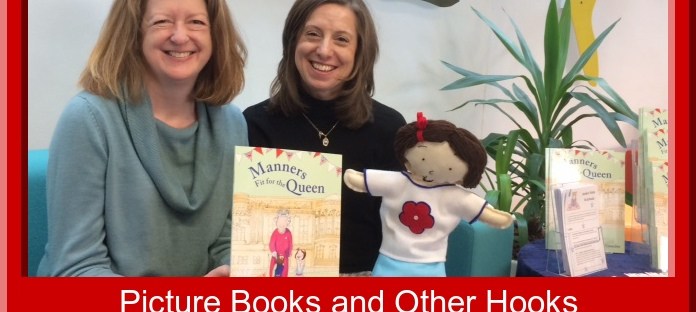
My latest CFT post is an interview with local children’s writer, Anne Wan. For her latest book, Manners Fit for the Queen, she teams up with local illustrator, Sally Goodden.

The interview looks at the colloborative process needed to produce a picture book and why picture books matter.

For most of us, one of our first introductions to the wonderful world of stories would have been through a picture book. I still love a well illustrated book. (The maps in the Lord of the Rings are fab!).

NB.  I love it when a title for a post just “comes” to me and I particularly like this week’s one.  Picture Books and Other Hooks has a good rhythm to it!

This slideshow requires JavaScript.

Looking forward to having a go at the writing prompt for this week from my diary. The prompt is to show the groundhog’s point of view as it prepares to meet his/her public for Groundhog Day (great film incidentally)!

Will have a crack at that challenge over the weekend. Should be fun! I can categorically state I’ve never created a groundhog character before! Am probably unlikely to do so again but it will be fun to find out what comes from this.

Later in the year, there‘s another prompt asking me to list 10 words associated with a train journey. People could have a lot of fun with that depending on which train operator they use regularly! (I think there should have been a comment in the prompt to “keep it clean” but that’s just me!).

As you will have gathered, I love this writing diary!


My CFT post this week will be an interview with children’s writer, Anne Wan, and illustrator, Sally Goodden. They recently had a story and craft event at Chandler’s Ford Library based on Anne’s most recent book, Manners Fit for the Queen, which is a picture book.

The ladies discuss how they worked collaboratively and how they met. Picture books look “easy” but are notoriously difficult to get right. The pictures need to convey enough of the story but without giving it all away. The text needs to be pitched right for the age range.

This slideshow requires JavaScript.

Facebook – From Light to Dark and Back Again

When did you first come across flash fiction? I ask as my latest CFT post looks at picture books and interviews Anne Wan/Sally Goodden on their colloborative work here. It made me realise that my way into reading, as it would have been for many of us, was via well cherished picture books. So on to my great love now – flash fiction – how did I get into that?

For me, it was via the 100-word challenge issued by Cafelit. Prior to that, I’d not heard of the form, yet alone had a go at it! I think part of the “not hearing” about it was due to the term used. I HAD heard about micro fiction but had not been clear about what that meant. I know now!

This slideshow requires JavaScript.

A good story will always make you react in some way. I’ve read (and written) stories that are meant to make you laugh or chill you to the bone.

So if a story isn’t working for you as you draft and edit it, look at what impact it is making on you as you read it. Is there an impact at all? If not, there is where the problem is! So think about what impact do you want it to have? How can the characters generate that impact?

If a character isn’t strong enough, ask why. Are they the right character for this story? Do you need to outline them in more depth to get right into their soul and really find out what makes them tick and react?

I’ve found a good way to get started is think of an extreme situation and look at how your character responds to it. For example, a fire breaks out in the character’s house so what do they do? What do they HAVE to save before they get out and why?

One of the nice sides to writing is you never lose the joy of hearing when something has been accepted! One huge advantage to writing flash fiction and short stories is being able to produce work and, hopefully, get it out there, building up publication credits, while working on a longer project.

Everyone knows how difficult it can be to get a novel out there but that doesn’t mean flash fiction and short stories should be considered “easy”. They’re not! You still need to craft the stories very well in order for them to have a chance of being accepted. You still need to pitch them to the right competitions/markets. They should also be recognised as a joy to write in their own right.

Ironically, it can be harder to write short than it is to write long. I always overwrite my stories but the advantage to that is I get off to a flying start with my editing pen! I find it a good acid test of whether a story is strong enough that I need to cut it back. If I’m having to pad (and I’ve only done this rarely), then the story idea isn’t strong enough in the first place (and I’ve always ended up either abandoning the idea altogether or finding ways of improving it. It never stays as it was).

Fairytales With Bite – What Matters to Your Characters?

What matters most to your characters and why? Get your characters to face losing what matters to them most and that will increase the tensions in your story considerably.

The nice things with this is whatever it is that matters most can vary considerably. For one character, it could be a life or death situation. Another character could be terribly worked up because they’re late back with their library book. The potential for humour is here too.

The one proviso is that your characters have to have very good reasons for why these things matter. A life or death scenario has an obvious “why it matters” inherent in it. In the case of the library book scenario, could it be that your character has never been late in their life for anything and fears losing control over their neat little life if they ARE late at all? Maybe they worry about what the librarian will think – other people’s opinions matter to this character. You get the idea.

Have fun and play with this. Work out what could make your character lose what matters most. For someone with a controlled life, what on earth has happened to make the possibility of being late back with their library book happen at all? Something catastrophic (to them) must have occurred. Hopefully it will be very entertaining for a reader!

This World and Others – Collaboration

Collaboration is vital when producing picture books, as discussed by local writer, Anne Wan, and illustrator, Sally Goodden in this week’s CFT post. (I must admit I was pleased with the title for this one – Picture Books and Other Hooks!).

Working in partnership matters even when you write on your own!  How and why?

For me, this means seeing writing as two distinct processes.  One is the fun creative side of getting everything down on paper or on screen.  The second is the editing process where you tighten your story up and really give it muscle by getting rid of anything and everything that does not contribute to moving your tale onwards and upwards to its conclusion.  I love editing.  I love the sense of the story improving as I spot repetitions etc I didn’t see in the giddy delight of creating new characters etc.  I love the sense of getting rid of what isn’t helping the story.

So where does the collaboration come in?  By accepting these are two distinct processes and not trying to do both at the same time.

Give your creative side free rein and enjoy the ride. Don’t let your inner editor spoil that.  It’s not time for them to come in yet.  Once that side is finished, then recognise the fact that all stories are improved (and therefore stand a better chance of publication) by good editing.

See editing as what gives your stories the wings to fly!  I do and find this side of things fun as a result.  Nothing is going to beat the heady thrill of creating something new but it helps enormously to know nobody has ever produced a truly terrific story in one go!  Everyone needs at least a second draft!  Good luck.