Lessons from Writing and Scenic Scotland

Image Credit: Pixabay/Pexels. Scottish pics and images of Lady, the daft but loveable Border Collie cross, were taken by me, Allison Symes.


Book cover images for The Best of Cafelit 9 and Tripping The Flash Fantastic supplied by my publishers – Bridge House Publishing and Chapeltown Books respectively.


Facebook – General – and Chandler’s Ford Today


Pleased to share the link to Part 2 of my Lessons series on CFT. This week I look at lessons learned from the writing life, all of which are useful beyond that.
So over to you. What lessons have you learned from writing and how have you applied these in other areas of life?

Went back to Dunnet Bay. Such a wonderful beach. Lady thinks so too! Walked for miles though it always seems further on sand than it actually is!

Plenty of brisk fresh air. Managed to see buzzards fairly close up (could make out the colouring underneath. Don’t usually get to do that). Also spotted a kestrel, sand pipers, and oyster catchers.
Now drum roll please… Very exciting news on Tripping The Flash Fantastic to come soon but in the meantime, take a peek at this!


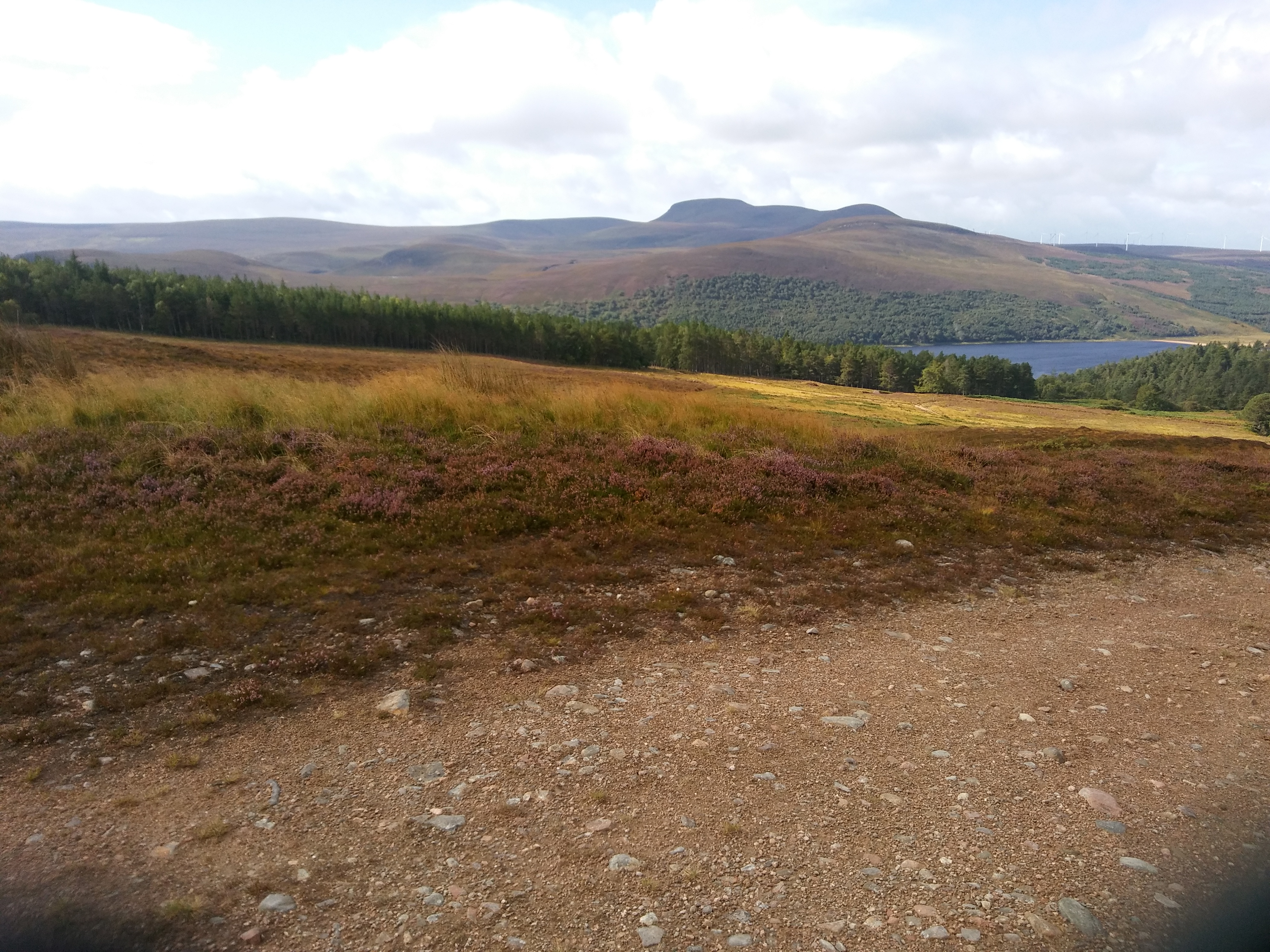
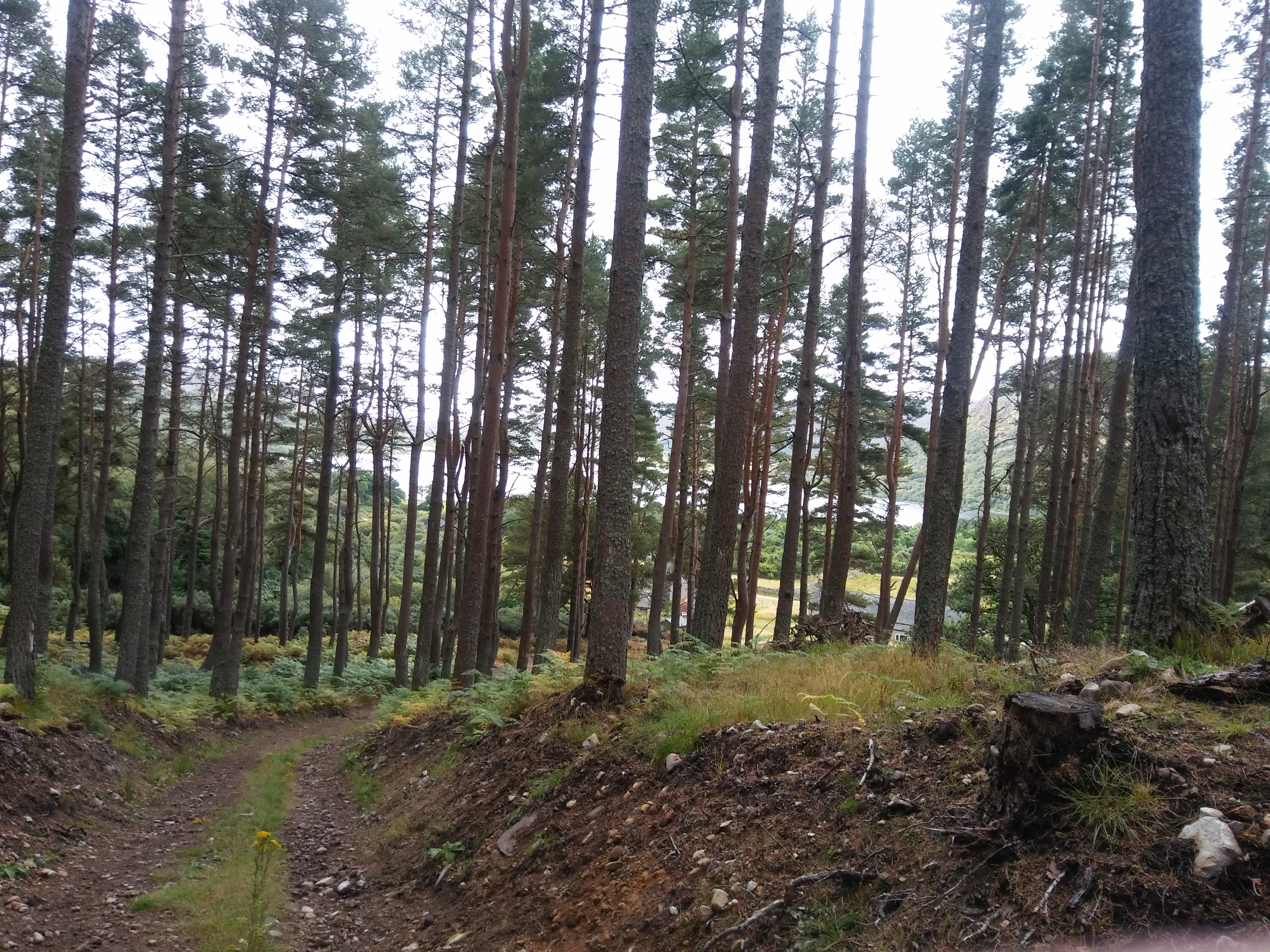
Achievement of the week and possibly the year for me  – I climbed 600 feet in about a mile exploring the track that runs behind where I’m staying. Yes, it was a very steep track! But see the views below. 

Lady bounded up it with no issues at all before going on to have a splendid playtime on Dornoch Beach later in the afternoon. Result? One tired but happy dog!

What would be the perfect day for your characters and why? What would they do to anyone or anything that got in the way of them having that perfect day?

There are story ideas there for a start but also use questions like this for outlining your people. Work out what their strengths and weaknesses are.

Different writers have varying requirements here but what you do need is enough for you to get going on a story with characters who deserve to be written about.


Facebook – From Light to Dark and Back Again


I’ve learned so much from the writing life as I discuss in this week’s CFT post. The great thing is I know that learning will continue.
My hopes with regard to flash fiction is to continue to develop characters and stories.

Maybe try different genres within flash? Maybe write a novella in flash one day – who knows?

But while I know there is writing to do and things to try within that, I know the buzz of writing won’t diminish. And I love that!😄

Big news is that I can now do a book cover reveal for my second flash fiction collection, Tripping The Flash Fantastic. Will be sharing more news soon on this.
I will be talking about TTFF as part of an author talk with Gill James and Dawn Kentish Knox on 26th September.

More details next week and my CFT post on 18th September will give details on how to register for the FREE Zoom event at the end of the month.

Am I a happy bunny right now? You bet!
Lovely day back at Dunnet today. One great thing about dog ownership is that our pets break down barriers. I’ve had far more lovely chats with people since owning a dog than before! 
Although 2020 has been an awful year, I am so pleased to hear in one week The Best Of Cafelit 9, where I have flash stories included, and Tripping the Flash Fantastic, are “out there”. (Kindle only at moment for TTFF but paperback to follow).
Would still like 2020 to dramatically improve though and I know I’m not alone there.

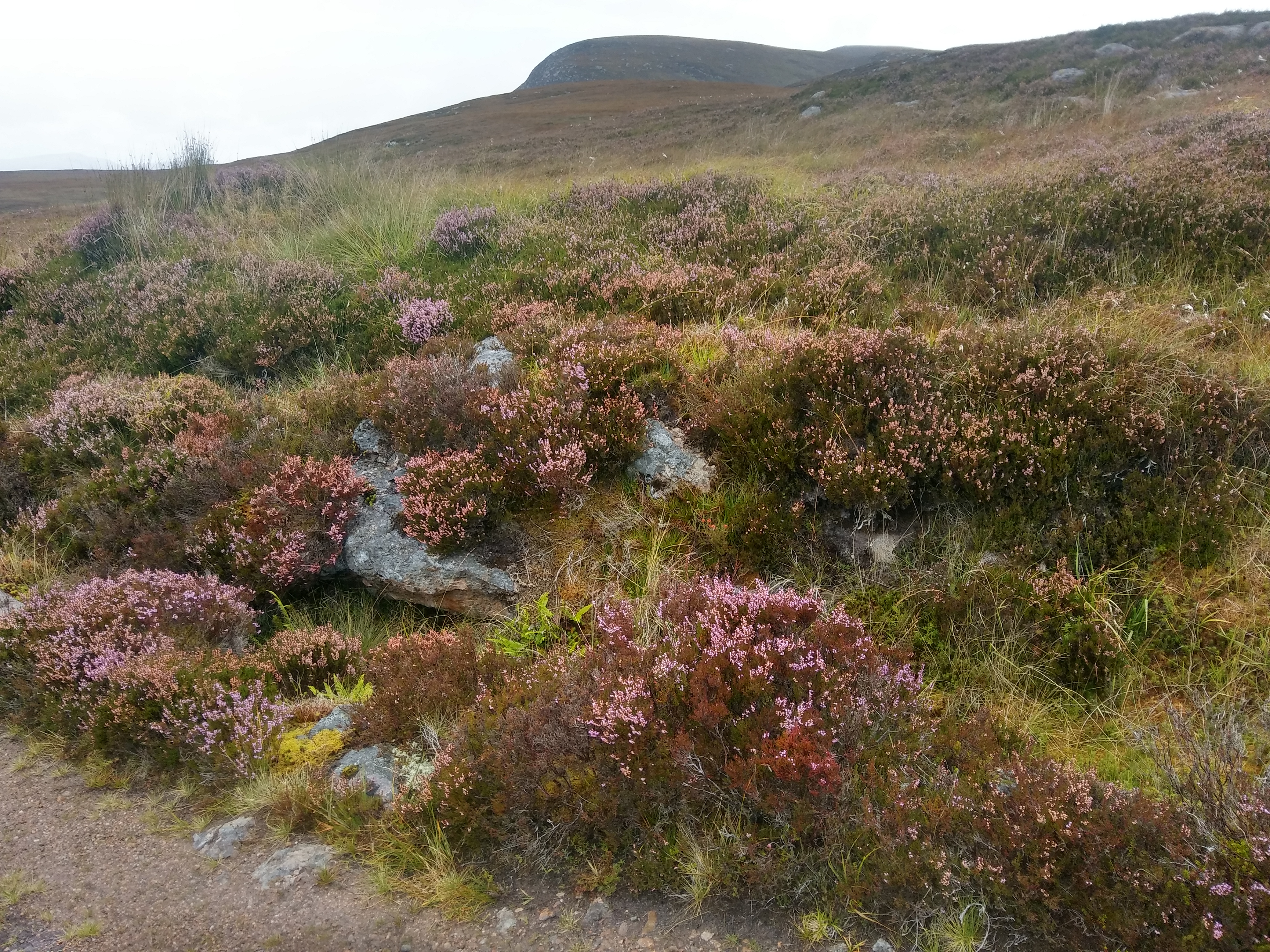
I love autumn. I love the changing leaf colours. And the heathers on the hills around where I’m staying at the moment are such wonderful colours.

But there is a sense of transition this early in September as we leave summer behind. 
Flash fiction is great for demonstrating those senses of transition in your characters.

They go from one state of being to another – that is the story you’re writing after all.

What you need to figure out is which moment of transition is the important one to write up.

Fairytales With Bite – Favourites


My favourite part of most fairytales when I was a kid was when the fairy godmother etc turned up and you knew somehow from that point, everything was going to work out okay.
My favourite part of a fairytale now is harder to define but I like to see characters contributing to the fairy godmother’s efforts to help them.

I also like to see the villains get their comeuppance.And I know that last like is something I’ll always have!
I refer to a lot of my work as fairytales with bite precisely because they are not twee. Nor am I writing to the children’s market (Roald Dahl was the past master there in my view!). 
I’ve never liked it when someone dismisses something as “just a fairytale”. There is no just about it. Fairytales are deeper stories than some give them credit for!

 

This World and Others – Geography


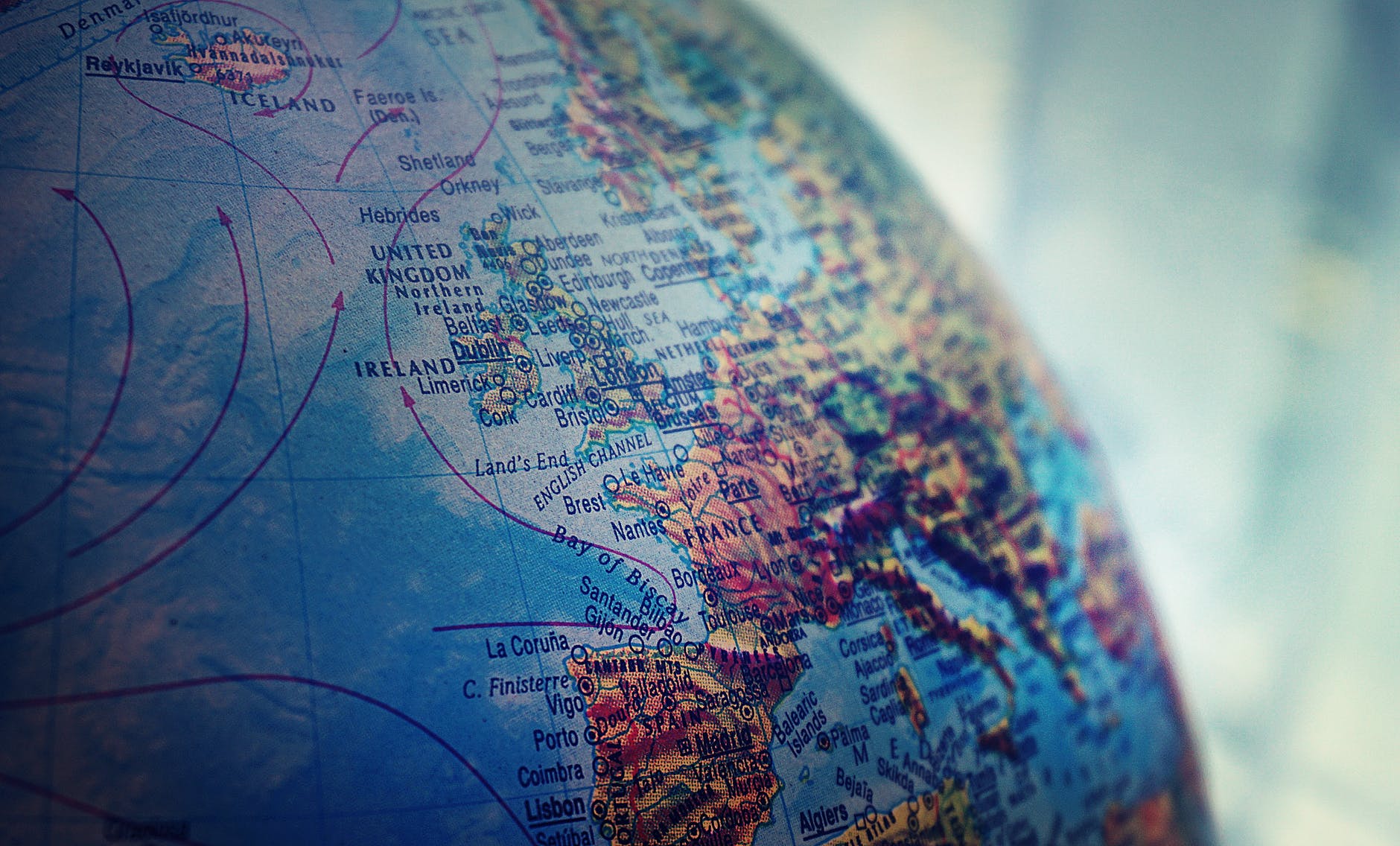
I don’t refer to geography a lot in my flash tales but did use it in my unpublished (as yet!) fantasy novel.

I needed to know something about the landscape my characters inhabit and whether that gets in their way. Also I wanted to look at the differences and similarities with our world.
This is where photos come in handy for sparking ideas. I totally understand why so many fantasy works have a map with them. (I must check out the Discworld one for The Streets of Ankh-Morpork as that is one map which will be fun!☺).
The nice thing now is there are far more avenues of research available now. Archives, libraries, the web etc. I guess the danger now might be you could have so much fun researching, the writing takes a back seat!

So it would pay I think to plan out your research just as much as you would plan out the story itself.

Think about what you need to know, jot down where you think further research might be needed later, and write.

Also make a note of sources of research in case a publisher asks and in case you need to retrace your steps. It happens!

LESSONS

Image Credit: Pixabay/Pexels generally. Pictures of my dogs are by me, Allison Symes.

Facebook – General – and Chandler’s Ford Today

Am pleased to share the link for a two-part series for Chandler’s Ford Today called Lessons.

In Part 1, I look at my favourite lessons in school and those I loathed. I discuss learning to drive later in life and how I’ve learned different things from my three dogs. All three have had great personalities but all have needed different handling. You are always on a learning curve with a dog!

In Part 2, next week, I will be looking at lessons learned from my writing life, which have not just helped with professional development, but with my life in general. Now over to you. Which school lessons did you love or loathe and why?

This slideshow requires JavaScript.

I don’t know about you but I’ve always got plenty on my To Do lists (yes, plural!). It is my writing To Do list that gives me the most joy though. No real surprises there. (If anyone can find a way of making housework, doing the laundry etc., fun, they’d be on to a winner).

The order in which I tackle my writing To Do list does depend on what time I have available on which night. My overall goal is to get so many tasks done in a week to ten days. If I can tick off a fair few, I’m happy, With longer projects I break these down into more manageable tasks and ocmplete those over a couple of weeks.

It is a question of working out what works best for you.


My CFT post this week is the first in a two-parter called Lessons. This week I look at lessons in life. For Part 2, due out on 11th September, I’ll be looking at lessons learned from writing which have helped me in all kinds of ways and not just in professional development.

But back to this week’s post. I look at what were my favourite and loathed school lessons and how having more than one dog can teach so many different things based on their personalities, amongst other topics.

Lessons are an ongoing thing. I like the idea of never stopping learning. It keeps you on your toes and, if nothing else, that has to be good for mental health. I’m definitely all for that! Link up on Friday.

Facebook – From Light to Dark and Back Again

I talked about lessons in my Chandler’s Ford Today post this week (and will be specifically talking about writing lessons next week). But the most important things I’ve learned is to be open to:

  1. The idea that story ideas can come at any time. I know where and when my main triggers for idea generation happens so I ensure I can either make a note on Evernote on my phone or I’ve got a notebook to hand. I lose fewer ideas this way.
  2. The idea there is more than one form of writing and it is perfectly okay to play with different writing styles.
  3. The idea you can’t know you can write, say, flash fiction until you do write it!
  4. The idea rejection is nothing to fear. It is never personal. You can usually learn something useful from it and that can help you with further writing projects.
  5. The idea that no writer is really in competition with one another even if we write in the same genre. We have unique voices. I can only write as Allison Symes. Anything else would be a pastiche, and not a very good one either, so I will write what I can write in the way that I write it. I will stretch myself and aim to keep on improving on what I do. That is where any competition lies. Can I write another story? Can I write it better than the last one?

This slideshow requires JavaScript.


One nice aspect to writing is that ideas can fuel other ideas. One of the stories in Tripping the Flash Fantastic was inspired by a writing prompt idea I shared during the cyberlaunch of From Light to Dark and Back Again.

I shall have to see if I can do that kind of thing again for the cyberlaunch for TTFF! Mind you, it would be nice to come up with more than one idea I think. Otherwise the next collection will take forever to get together!

As with FLTDBA, the new book is full of characters, some of whom you’d like to meet and others you definitely wouldn’t. I’ve used a mixture of first and third person and there is a good representation of the word count spectrum. I hope to share the book cover in due course and am really looking forward to doing that.

Ideas don’t always come at convenient times. I tend to sleep heavily so having the old notebook and pen by the side of the bed in case I wake up “inspired” is a complete waste of time for me. Said notebook and pen would remain unused (and I never wake up inspired!), but I do find ideas will come when I’m out about. This is where I find Evernote on my phone handy. I can jot thoughts down and come back to them later.

It pays to work out when ideas are most likely to come to you. Do certain triggers such as time of day set them off? Or is it a question of needing to be out and about in the world and picking up story cues from there?

By knowing what your own personal trigger is, you are less likely to forget good ideas. Oh and they never come to order either! My other trigger is to be busy working on another piece of writing and then a great idea for another project pops up so I make a note of it and come back to it later.

This slideshow requires JavaScript.


It has been an autumnal day here in Hampshire today. Sun, rain, a real dip in temperature, and my big cardigan is coming out of the wardrobe ready for regular use over the next few months.

Do you use the seasons in your writing at all? I mainly use Christmas given I have written fairytales based around Santa. No hiding the season there! But other than that, the seasons don’t feature in my writing much.

I suppose it is because I have always been much more interested in characters rather than in the time of year they happen to be inhabiting at the time of the story.

This slideshow requires JavaScript.

Fairytales With Bite – Spot the Fairytale

C = Characters need to be believable, even if the world in which they live is not. (Maybe especially if it not!).
I = Instinct for what is right and wrong often plays a big role in fairytales. Think of the number of “old” people who turn out to be wizards or fairy godmothers in disguise who are looking for the right “lead” to get the benefit of their magical help.
N = Narrative voices can be animal voices in fairytales.
D = Drama plays a big role in fairytales. Think of the classic tales and what the heroes/heroines are put through.
E = Expect magic to play a role in the story but it will always be for the deserving. (The undeserving either get nothing or are humiliated in some way).
R = Romance can play a role. Most of the classic fairytales involve a love story but it is always a case of ensuring the right people get together here. And so often it is the underling that is the right groom etc. Think of Aladdin for example.
E = Energy. I’ve found fairytales have an energy and rhythm of their own. The Rule of Three often turns up. (Three sons – you can bet it will be the youngest one who will be the hero). You know that good will overcome evil and the pace of a fairytale is generally fast. The longer fairytales such as The Snow Queen are broken into sections to help try and keep that sense of pace.
L = Longing. The main character will inevitably be longing for change of some sort, whether it is to escape domestic abuse or to make their fortune.
L = Listening ability is important. The lead has to take the wizened old person seriously to do what they are asked to and then be surprised in a good way when said wizened old person turns out to be far more powerful than they thought.
A = Always expect an appropriate and usually happy ending!

This World and Others – Location, Location, Location

Which location have you chosen to use for your created world and why? What makes it different from Earth? What are the similarities? What is it about your location that enables your characters to survive in it? Could we do so?

Have you ever wanted to visit fictional locations? I know I have. I’ve always fancied visiting the chocolate factory in Roald Dahl’s Charlie and the Chocolate Factory. I would definitely want free samples!

I’d also like the idea of exploring Middle Earth in The Lord of the Rings, especially The Shire, which looks charming. I’d give Mordor a miss. And I would go to Narnia the moment Christmas was restored and celebrated properly. Having said all of that, I’ve never fancied accompanying Alice down the rabbit hole in Alice in Wonderland.

So what do you like about fantasy settings and why? I like the crossing of the ordinary with the magical. Youngsters still need schooling of some sort, regardless of what species they are.

What is it about your world that readers have to know and why does it matter? Answering questions like these will help you hone in on what is most important and it will be that and only that which remains in your story.

This slideshow requires JavaScript.