An apt title as my main focus in the last few days has been blogging on different sites. All good fun, hope you enjoy.
Facebook – General – and Chandler’s Ford Today
My latest CFT post is Part 1 of a 2 part series called Why I Blog. Many thanks to my guest writers for sharing their thoughts too.
I blog for a variety of reasons – from marketing to self expression to the fact it is simple and fun to do! Who says you have to have one reason?!
See what you think and do post your comments in the CFT comments box.
This slideshow requires JavaScript.
Looking forward to sharing the Why I Blog post on CFT tomorrow (with part 2 next week). Many thanks to my fellow writers for their thoughts on the topic.
I often use blogging as a warm up “writing exercise” before I tackle my fiction. I suppose I find that useful because blogging is immediate, I can get a few hundred words under my belt fairly quickly, and then I am right into the “zone” so to speak.
My ACW post is due up on site tomorrow as well as the CFT one. Another Goodreads one is due from me soon too. Writing for the different audiences is also useful – it makes you think about your material more and that is never a bad thing.
This slideshow requires JavaScript.
Facebook – From Light to Dark and Back Again
My favourite way of getting started on a new piece of flash fiction is to take a well known saying and see what I can do with it. Sometimes the results are funny, other times the results are much darker, but I find it a great way to start.
I find I need something to “peg” my idea to so must have a title. It also challenges me to ensure my story fits that title but not in a blatantly obvious way, there still has to be room to surprise the reader, and the first reader I have to surprise is me! What I always love is when, as I am writing the story, I can kind of “feel” the tale coming together and I know then that the piece will work. It is then a question of finding the right home for it but that’s another story, so to speak.

The dark can seem to overcome the light but light will prevail. Image via Pixabay

Whenever and whatever you read, enjoy. Image via Pixabay.

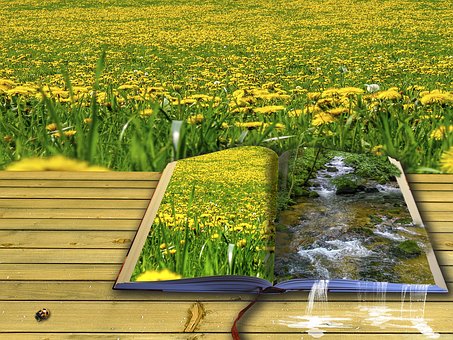
Lost in a good book. Image via Pixabay.

Trusted notebook! Image via Pixabay

Love this bookmark! Image via Pexels

What wonderful worlds we can creat! Image via Pixabay.

Pressing on towards the light. Image via Pixabay

Writing is rewriting. Image via Pixabay.

Is it Time for a Change for the dragon in my story on Cafelit? Image via Pixabay

From Light to Dark and Back Again perhaps? Image via Pixabay (and so beautiful)

Generating the writing ideas. Image via Pixabay.
I sometimes have fun writing stories in one sentence. Usually I go on to expand these a bit so they become either flash fiction pieces circa the 100 words mark or standard length short stories. However, occasionally, it is fun to leave them as they are. After all, Ernest Hemingway did this with his For Sale: one pair baby shoes.
1. After the latest foul-tasing meat scandal, the dragon decided it was time to go veggie.
2. Jemma knew monsters existed, the monsters knew they existed, so why did everyone else scoff at the idea and then end up eaten by the things?
3. Just for once, the fairy was going to grant her own wish and the authorities could go hang.
Allison Symes – 29th June 2018
-
-
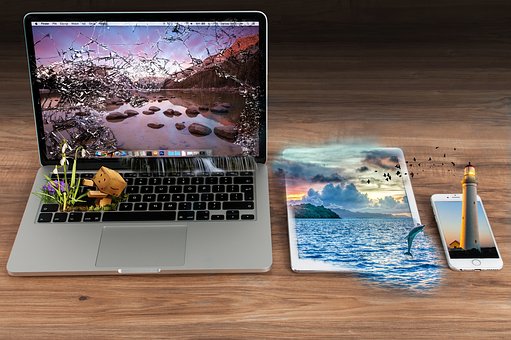
Let the words flow! Image via Pixabay.
-

-
Hopefully the Book Fair will encourage even more reading! Image via Pexels
-

-
Escape with a good book, it’s good for you! Image via Pixabay
-
-
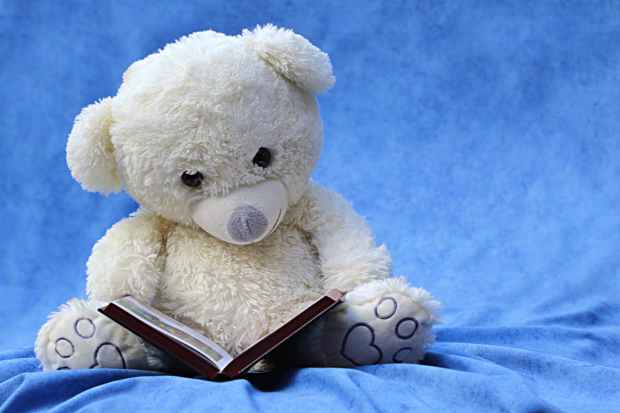
May require help turning the pages. Pexels image.
-
-
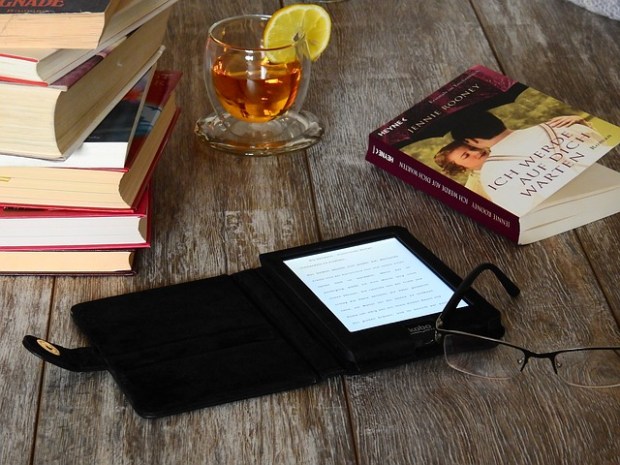
Love both the Kindle and the paperback. Why choose when you can have both? Image via Pixabay
-
-
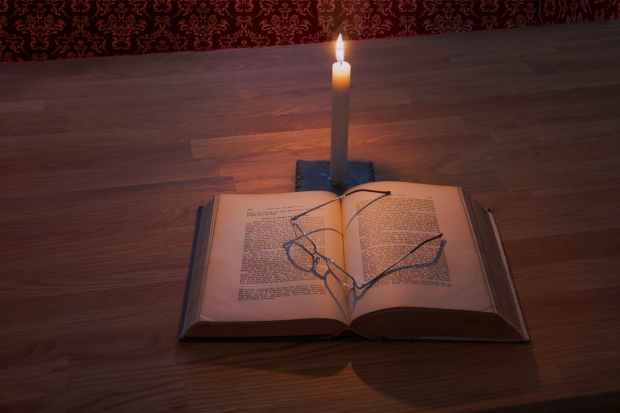
The delights of a cosy read. Pexels image
-

-
Can’t beat a good book or several. Image via Pixabay.
-

-
What ever writer needs. Image via Pixabay
-
-
Fiction can take you anywhere. Image via Pixabay.
-
-
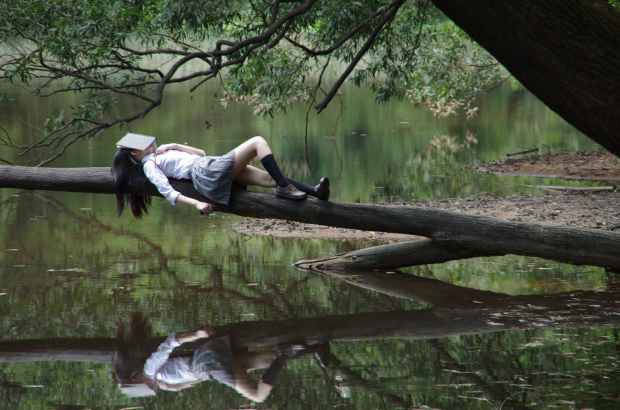
Doesn’t look comfortable to me. Pexels image.
Well, what DOES reading do for you?
In my case, it depends on the book. I read for:-
1. Entertainment – whether it makes me laugh, cry or scream.
2. Escapism – nearly always fantasy/fairytales for grown-ups so I enter another world for a while as I read.
3. To learn (especially from non-fiction) – I read a fair amount of history and am currently enjoying London by Peter Ackroyd and Double Cross by Ben Macintyre. Different “storytelling” techniques used here but both brilliant.
4. To relish what I know from past experience is masterly prose – Terry Pratchett, Jane Austen, P.G. Wodehouse for me here.
5. To experience something different from what I usually read and/or write. I like to read in my genre, flash fiction, but it is refreshing to read longer short stories, novels etc.
Reading takes me out of myself and into other places for a while. You see things from other perspectives. You identify with characters, whether you like them or not. Reading makes you think. (No wonder one of the first actions of any dictatorship is to try to limit or ban books and/or journalism).
Reading, like the arts, is good for the soul. It feeds the mind, even if the fare you prefer is lighthearted, humorous, not intended to be taken seriously etc. I do know I feel much poorer in myself during those times when things get in the way of my reading time. When life is stressful, turning to a good book won’t resolve the crisis, but gives you time out from it for a while. Sometimes that is all that is needed. At other times, the break is useful for you.
So happy reading!

I finish my writing rituals for the day by having a good read. Immerse yourself in books! Image via Pixabay.

Let the writing flow and if music can help it along even better! Image via Pixabay

Well, why not? Image via Pixabay.

Some of the strongest ideas have a simple theme. See A Christmas Carol as a classic example. Image via Pixabay.

Books are wonderful – whether in print or electronic, whether as audio stories or told by a storyteller. Image via Pixabay.

The ultimate book tunnel? Image via Pexels

Chapeltown Books have a distinctive central image in a frame such as with mine. Image by Allison Symes

I write fairytales with bite as flash fiction and short stories in particular. Image via Pixabay.

The magic of stories. Image via Pixabay

Stories reflect all sorts of moods. There is a story to suit everyone out there! Image via Pixabay.
I can think of several colleagues who would take one glance at that question and say “no way”. Some may express that more forcibly!
I can think of several of my own characters whom I would never want to meet in life, yet alone resemble, and for all sorts of reasons.
So why ask? Well, so much depends on the character, doesn’t it? If a character shows grit, determination, honour etc, we probably wouldn’t mind emulating them. If a character shows horrible traits, we’d pass, thank you. How many of us want to be a coward for example?
In outlining our stories, we have to create our “people” based on what we know about human nature and behaviour. We know we need our characters to be believable so that means no goody-goody heroes of whatever gender. It also means no cardboard cut out villains. They’ve got to have some redeeming quality or a motive which is understandable. Often writers do both of course.
Redemption, of course, is possible, as is a good character going astray. What makes us choose which way they go? A wish to show that if this character was us, this is how we’d be? Or do we opt for the choice of this is how the character would be and I wouldn’t be like this in a zillion years?
In creating our characters, we have to be honest in their portrayal (or readers will see straight through it and switch off). So maybe I should have rephrased the question to read do we resemble our characters? I suspect there would be some interesting answers to that!
Truth is stranger than fiction but good fiction can reveal something of what humans are capable of, even if we use fantastical creatures to represent us in some way. Sometimes good fiction can be prophetic and I am thinking of George Orwell’s 1984 here especially. Whatever would he have made of social media? I can imagine his harsh criticism of it.
And what is the great thing about honest character portrayal? Simply, I’ve found both as a reader and writer, that honesty comes through, and I am engaged with those characters and their stories as a result. It is, for me, honestly portrayed characters, whether they’re goodies or baddies, that grip me and keep me reading. I identify with the truth behind their portrayal.
Even in flash fiction, my genre, the moment I have what my character is like outlined, I am away, happily scribbling the story down. After all, if I’m not engaged with my people, why should anyone else be?
So it’s off to write characters that intrigue me then. The great thing is I don’t have to like them, yet alone resemble them. Just as well really. Fiction would suffer without the characters we dislike. Story is conflict and it is the dubious characters that get that conflict going. We need to see the Ebenezer Scrooges before their transformation to be able to appreciate that transformation when it happens. Now just how human is that?!
This slideshow requires JavaScript.
A great fairytale character will:-
1. Be easy to identify with. I love Tinkerbell in J.M. Barrie’s Peter Pan for “wanting to get at those who didn’t clap” when the children had been told clapping would restore her. You can just imagine the annoyness and irritation there, can’t you?
2. Sometimes arouse your pity, other times your anger. Fairytales are strong on right and wrong (which I think is why kids love them so much. I remember at a very young age already knowing the world wasn’t fair so stories which put “things to rights” very much appealed). The Little Mermaid always generates pity in me. The vileness of the cruel characters in fairytales riles me but all of the characters make you feel something.
3. Be on some journey or quest and you just HAVE to find out how it goes. This can be anything from finding out whether Cinderella will go to the ball or not to discovering if Frodo will complete his mission in the right way in The Lord of the Rings.

Let those ideas flow! Image via Pixabay,

Let the ideas flow and let journeys encourage that! Image via Pixabay

The wonderful world of writing should include non-fiction, which benefits from creative techniques too. Image via Pixabay.

The classic start to a fairytale. Image via Pixabay.

I don’t always write directly to screen. Image via Pixabay

Great characters will engross you. You will lose time reading their stories. Image via Pixabay.

Whenever and whatever you read, enjoy. Image via Pixabay.

What wonderful worlds we can creat! Image via Pixabay.

Reading is wonderful. Image via Pexels.

Even in the heart of a city, books can provide escapism. Image via Pixabay.

Great characters = great books. Image via Pixabay.

The tools of the scrivener’s trade. We’ve come on a bit since then! Image via Pixabay

Great way to relax. Now where are those biscuits? Image via Pixabay

Books are the keys to knowledge. Image via Pixabay
How do you populate your fictional worlds?
A lot will depend on genre, of course. (One great reason for loving fantasy and sci-fi is the huge scope for creating your own peoples and civilisations).
However, one fundamental here is that there will be a major people/alien being group and minorities around it. Of course there are a lot of stories to be had in showing how the major group treats the minorities and do they rebel against ill treatment etc? But even where there are no direct clashes on the grounds of racism etc, what do your peoples need to survive and how do they get this? Is there a have and have-not society going on?
You will need the suppliers and the supplied-to. You will need the ruled and the rulers. Different peoples will have specific needs so how does your world cater to those needs? What are the belief systems? Do the peoples share common values/faith etc or not?
And, to add spice to the mix, there will always be those characters who defy their society’s expectations of/for them.
So have fun creating your peoples!

Characters no matter what their world should resonate with readers. Image via Pixabay

A wonderful palette of colours. Image via Pixabay.

From Light to Dark and Back Again perhaps? Image via Pixabay (and so beautiful)

Flash fiction should sparkle! Image via Pixabay.

Books have their own sense of time and space. Image via Pixabay.

A nice clear desk (not mine!). Image via Pexels

What writing triggers will help you create your new worlds? Image via Pixabay

Fiction can take you anywhere. Image via Pixabay.

No room for gobbledygook here. Image via Pixabay.

Pressing on towards the light. Image via Pixabay
Great characters will engross you. You will lose time reading their stories. Image via Pixabay.

The dark can seem to overcome the light but light will prevail. Image via Pixabay

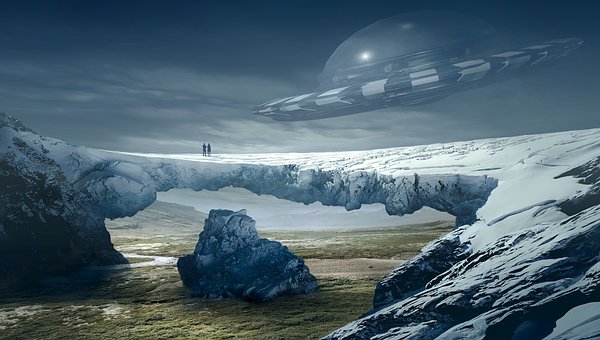
What worlds could there be out here? Image via Pixabay

What lies beyond the shore…. ideas for stories? Image via Pixabay


 😁
😁 😉
😉














 Allison Symes: Collected Works