Triggers and the Dreaded Lurgy

Facebook – General

On my desk is a calendar with pictures of dogs and a motto alongside them. Today’s one shows a puppy (who looks as if it has just been told off for something!) and the motto is “Even a puppy will endure the unendurable out of love”. And it is true. Dogs are so fantastically loyal and loving. But the motto led me to think about using that for character creation.

In the words of the Meatloaf track “I’ll do anything for love but I won’t do that“, well… just what WILL your characters put up with or go through for love? What WON’T they do? How did they develop the love they have? Is anything putting that love under strain? What would make them snap?

It’s not just romantic love either that can be the focus here. It can be the love of country, the love for an ideal or what have you. How would your characters react if that love was betrayed or spoilt in some way?

Hmm… good stories to be found there I think!

Looking forward to going to the Chameleons’ latest production during the week.

With a title of “They Came from Mars and Landed Outside the Farndale Avenue Church Hall in Time for the Townswomen’s Guild’s Coffee Morning”, I think it’s a safe bet I’m in for a good laugh or several!

I’ll be reviewing the production in due course but will be looking at the importance of good titles in my next CFT post. This one though I admit is a great example of a title which tells you its genre – sci-fi spoof, a genre of which I’m very fond. (I do miss Red Dwarf!).

This slideshow requires JavaScript.

Delighted to say I’ll have more publication news next week. Heard today so a great start to this week! The story concerned is a longer one than normal from me but one which has great personal meaning. So that will give you something to ponder! Can’t wait to share the link in due course.

Am currently preparing another story for submission and have a few very short pieces to submit elsewhere too. Making good progress on the novel too, though these things always take longer than you initially think. And that is still true even when you’ve been writing for years and know to allow LOADS more time than your initial estimate!


There are different ways to trigger flash fiction stories. A few I’ve used include:-

1. Set a word count and stick to it. (I did this when responding to Cafelit’s 100 word challenge and still do!). You can also use the Twitter character count here for the same thing.

2. Set a theme and stick to it – and then decide whether the story works better at 50 words, 500 words, or what have you and pitch to the appropriate market/competition. (I’ve done this too and how the story works has got to be the only benchmark here. The nice thing with flash is all of its sub-divisions in terms of word count so you will find something to suit).

3. Take a well known phrase or proverb and see what you can do with it storywise. (A favourite of mine. Usually gives you the title too!).

4. Find a source of pictures, pick one to write about. Come back to the others at later dates. My writing diary has inspired me here, I’m glad to say. Guess who will be trying to get the same diary next year. It has proved very useful!

This slideshow requires JavaScript.

Sorry for the no-show last night. Bad case of the dreaded lurgy hit me yesterday afternoon and that was it for me for the rest of the day. Good to be back at the desk now though. I actually feel human again!

Gave Lady her first ever Kibble ice “lolly” today. After initially looking at me as if to say “what’s this then, Mum?”, Lady soon got the hang of it and demolished it quickly. Mind, she demolishes most things quickly. I suspect she’ll be having more of these “lollies” tomorrow. Due to get to 31 degrees where I am. Hmm…

Do I find writing more difficult in the heat? Not really. As long as I’ve got plenty of ventilation, I just plough on. Have got to go to London on Saturday. Am hoping it’s a bit cooler by then. It rarely gets cold on the Tube!!

Facebook – From Light to Dark and Back Again

What sparks a story idea for you? It’s never just one thing for me but the following are some of my story triggers.

1. A snippet of overheard conversation. It doesn’t have to be particularly “juicy” either. Something as mundane as “I told her the hat looked stupid” can stir up story ideas.

2. A phrase or proverb which I know will make a great title. It’s then a great challenge to find a story idea to suit it! But I like titles and challenges like that. I just have to write to the title.

3. Clothes/hats if they’re particularly striking will make me wonder what characters of mine would wear something similar and in what circumstances. Good start for a story that.

And a particular favourite of mine…

4. Taking the viewpoint of fairytale characters but not those of the main “stars” of said fairytales. My first story in print was A Helping Hand in the Bridge House anthology Alternative Renditions and tells the Cinderella story from the viewpoint of the youngest stepsister. Good fun to write and still a favourite of mine.

This slideshow requires JavaScript.

What can a flash fiction story do better than a longer standard length competition kind of tale?

1. Level of intensity is stronger in flash fiction. When you want to make a huge emotional impact on your reader, the less said the better a lot of the time. This of course is where flash comes into its own.

2. One-liners can lose some of their impact in a longer story. They can work really well as the ending of a flash fiction piece. Leave your audience laughing etc.

3. Every story should create images and emotional reactions in their readers. Flash can get to the heart of all of this that much quicker.

4. Sometimes THE moment is THE story and flash with its word count restriction would serve this kind of tale well. It doesn’t work for everything. Hamlet can’t be less than it is for example but where you only want to show the impact of one action on one character, a flash story is almost certainly the best vehicle for this.

This slideshow requires JavaScript.

The dreaded lurgy yesterday afternoon meant the only flash I was capable of was the quick dash to the bathroom, hence the no-show. Is it a bird, is it a plane, no it’s me and nothing but nothing is stopping me getting to the loo in time! Am so glad to be feeling much better today. Must admit the heat does not help. I prefer a much milder temperature, as does Lady, my border collie cross.

The worst bit of yesterday was the feeling I just couldn’t focus, no matter how much I wanted to, so in that situation, you’re better off giving in to the inevitable. Did I miss my writing yesterday? You bet. Did I resent being poorly and keeping me away from said writing? Oh yes…!

The nearest I’ve got to writing about poorly characters is my Calling the Doctor (which is in the book trailer on this page so please do check it out). I suppose one reason I don’t write on this angle much is because I really do enjoy dropping my characters right in it and see how they manage! (I know, I know – I’m all heart!). I guess if they were poorly, I don’t think I could do that to them (told you I was all heart) and therefore I think it scuppers my writing for them.

This slideshow requires JavaScript.

Goodreads Author BlogI’m “Just” Reading

Do you ever feel guilty when you get to relax with a book? I must admit I do sometimes. There are always other things I could be getting on which would be more obviously useful.

However, that is the point. Those other things will always be there. And all writers know you need to read widely and well to feed and nurture your own imagination.

So I will continue to “just” read as and when I can though the majority of my reading time is at bedtime. It is the perfect way to wind down before sleeping (though this may be why it is just as well I’m not a huge fan of horror. I don’t want to be too scared to go to sleep!).

Flash fiction and short story collections are a great boon for people whose reading time is limited, given they make good books to dip into for those breaks in the day when you have a lovely ten minutes to relish a cup of something nice and get to “steal” some reading time to go with it. (So now you know what I do when I have a cuppa!).

I’ve never had time for those who look down on genre fiction as somehow being less worthy. Genre fiction – and reading for entertainment only – brings people into reading. Who knows what they will go on to read but it is vital that spark to read is ignited. Besides being able to entertain others with words you’ve written is something rather special.

The purpose of reading from a writer’s viewpoint is to engage with the reader whether you’re reading something serious or something light. Nobody says it has to be deadly dull and worthy. Let it be what it is – an entertaining read. It really is good enough (and more difficult to achieve than some people think).


Books, Books, Books!

Facebook – General

I suspect I’m preaching to the converted with the title for this post but never mind!

Books have been a vital part of my life since goodness knows when but I’ve only been writing since I turned 30…. X number of years ago!! Quite a considerable number of years in fact but not so many as when I first discovered the joys of reading and would spend many a happy hour in the local library.

Why did it take me so long to make the connection between “you really love books and stories” and “you really like writing your own stories” so you should become a writer? Goodness knows. Looking back on it, it is daft I didn’t start writing sooner but the main thing is I am writing now!

My advice to anyone pondering if they should write or not is to give it a go and have fun creating characters and stories. Whether you then try to get published is up to you. There’s nothing wrong with just writing for your own satisfaction. What matters is you’re writing and loving it.

This slideshow requires JavaScript.

I loved watching the TV series of Black Beauty when I was a kid. That encouraged me to read the book by Anna Sewell. Southern TV, as it was back then, adapted some of the Enid Blyton Famous Five books and I loved those too. Pity they lost the franchise because that ended the series pronto!

So a good TV adaptation can encourage people to get back to the books, which is very much A Good Thing! This also happened with me with Oliver Twist. Alec Guinness and Oliver Reed were superb as Fagin and Bill Sykes. Had to read the book after watching the film.

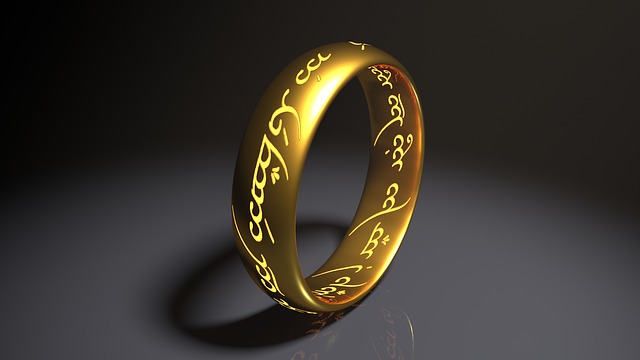
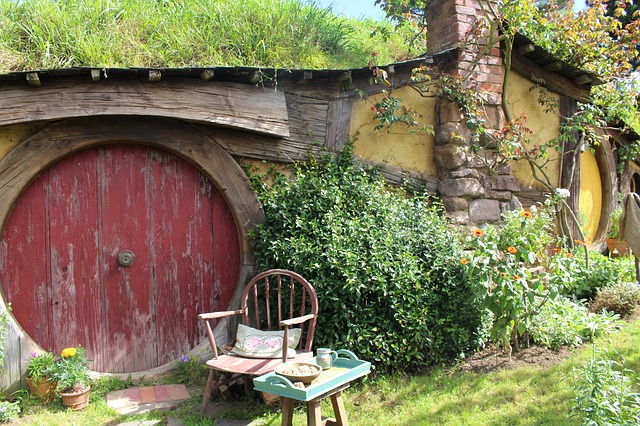
With The Lord of the Rings, I had read the trilogy first. The magic of those films was bringing to life the images I had conjured up in my head of what Middle Earth looked like. (I still like the look of the hobbit holes. I’m about the right height to live in one too!).

I love it when creative media feeds off AND benefits other creativity like this.

This slideshow requires JavaScript.

So terribly sad to see the news about Notre Dame. I hope the damage is as limited as possible. Also that restoration can take place as soon as possible too.

On to other things…

The only time I specifically write to a theme is when entering competitions. I’ve usually got a character in mind when I’m thinking about a new flash fiction story and work out, from their main characteristics, what theme would best suit them. I can’t say whether this is the right or wrong way to do things but I do know it works for me.

My other use of themes is to trigger ideas for a new story and then I spend some time working out which kind of character would best suit it. If I can’t work out a suitable character I don’t write the story.

For me it is all about the characters, always.

This slideshow requires JavaScript.

I suppose my first introduction to short stories must have been the Reader’s Digest Collections of Fairytales, which I still have.

I was never conscious of this when reading these books (over and over and over and over again etc!) though I do recall being stunned at how long The Little Mermaid was and that it really didn’t have a happy ending. That was an eye opener for me. I didn’t know stories could be like that!

I also loved The Snow Queen with Gerda being the “action lead”. That was an eye opener too. Here was a girl off having all kinds of adventures to rescue her neighbour from said Snow Queen (and the splinter of the evil mirror in his heart). Loved that on first reading.

Here is where you meet ideas for future characters of your own – by reading widely and discovering them in other stories, then wondering what YOU could do with a character like that. You then wonder what setting YOU would put them in and what adventures/problems YOU set them. YOU wonder how your characters would sound and act and react and all of this comes together, creating a story that is uniquely yours. Writing and reading are truly wonderful things.

This slideshow requires JavaScript.

Facebook – From Light to Dark and Back Again

The Book Depository UK has FLTDBA listed as available within 2-3 business days. Amazon currently has it available as one month plus! I don’t know why this happens but it does pay to check out online retailers for availability, whether it is in books or anything else!

And I will put in another word about reviews. They really do help authors. Amazon sit up and take notice if you have 50 reviews. If you’re not sure what to write, one line saying what you liked (or loathed) about the book is sufficient. It is a great irony that even a review where someone didn’t like s book still helps the author of that book when it comes to the “numbers game”.

My own policy for reviews, whether it is for groceries or books, is to have a good look through what people have said. Usually there is a consensus and I can then go with that or not as I see fit but I find reviews a useful guide when I’m on the other side of the fence. So please do review! Thanks!

This slideshow requires JavaScript.

I sometimes use alliteration in my flash fiction titles (Pen Portrait, Telling The Time etc) but I haven’t deliberately done this. In each case the title has been the right one for the story and the alliteration is a nice side effect!

I also think it is better to have things that way round rather than try to think of a clever title and try to make the story fit it. I can never see how that would work. Something would feel artificial about it.

I have to have a title to work to when writing a story (of any length) but I will change it if something better pops into my head as I’m working on the first draft. I use my titles to help me set the mood for a story. I sometimes use titles which can have a secondary meaning that the story makes clear.

The important thing is that the title suits the story.

This slideshow requires JavaScript.

Once I’ve got a flash fiction collection written and edited, I spend some time working out what would be the best “running order” for the stories. This can take some time but it’s worth it.

From Light to Dark and Back Again lives up to its name (!) but the big plus with that was it helped me group stories beautifully!

The reason for all of this? I don’t just want my individual stories to make an impact on a reader. I want the book as a whole to do so too so taking a step back and planning what stories goes where helps enormously with that.

This slideshow requires JavaScript.

What is the worst aspect of writing flash fiction?

For me, it’s coming up with a character with a strong enough voice. Once I’ve got that (after some outlining), I can set that character wherever I want and away they go!

It’s not enough for a character to be pushy or what have you. There has got be strong enough reason for them to be like that. Give them this and you will take the reader with you even though the reading journey for flash fiction is necessarily a short one!

This slideshow requires JavaScript.

Goodreads Author Blog – Playing with Genre

With my flash fiction, I like to play with genre a lot. As flash fiction has to be character led due to the strict word count, I can have great fun putting that character wherever and whenever I want. I’ve written fantasy flash fiction, historical flash fiction, crime flash fiction etc as a result.

I’ve read excellent collections by other authors too. Some focus on one genre. The Great War by Dawn Kentish Knox is a great example of a themed historical flash fiction collection. Do check it out. The characterisation is very moving.

But it is not just in the flash and short story form that genre can be played with, far from it.

I love the crossover novel. It blends the best of the two (usually) genres it is mixing and gives something unique to the reader as a result. A good example to check out here is Jennifer C Wilson’s Kindred Spirits series which crosses ghost stories with historical fiction. Great mix!

I think readers are much more flexible over this than writers/publishers realise at times. I know what I like when I read it even if I can’t categorise it! And while categories ARE important, I don’t think they’re meant to be straitjackets either.

Have fun with your reading/writing and mix those genres!

This slideshow requires JavaScript.


Reading Journeys and the Role of Stories

Facebook – General – and Chandler’s Ford Today

I look at how what I’ve read has changed over the years in my CFT post about Reading Journeys this week. I also look at how the Kindle has impacted on my reading life too (and boy has it! My suitcase is a lot lighter thanks to it!).

I can’t remember what the first book I read all by myself was but wouldn’t be surprised if it was a picture book. I am still very fond of The Reader’s Digest Collection of Fairytales which is beautifully illustrated. I’m also a sucker for a good map (see The Lord of the Rings!).

I’ve said it before, and will no doubt say it again, but adult fiction writers owe a huge debt to those who write for youngsters. So many readers of fiction for adults come from a background of having always read books/had books read to them. It is just a case of tastes changing over time. It is difficult to understate how important it is to create that wish to read spark off in the first place.

This slideshow requires JavaScript.

My favourite moment when writing a story or a CFT post is when the piece “takes off”.

For a story, this is when the character hits their stride and there’s no holding them back. You, as the writer, are keen to find out what happens next (which is always a good sign!). And yes I outline but I deliberately don’t put down every detail. I need signposts but what happens between them is the really fun bit!

For a post, it is when one idea leads to another and that leads to more and before you know it, an article is written.

The scary moment? When you’ve outlined an idea and you begin writing and at that point you don’t know whether it is going to “go the distance”. There’s always a certain amount of relief when things “take off” and you realise the post or story will be fine (after editing later, naturally).

Image Credit:  The picture of From Light to Dark and Back Again was taken by my cousin, Raewyn Berry.  My book is on display at her guest house in New Zealand.  It is easily the furthest my book has travelled!

My CFT post this week will take a look at reading journeys and how they change and develop over time (as they should). Good excuse to put lots of pictures of lovely books up too! Win-win! I also look at how methods of reading have developed. Who would have predicted the Kindle when I was growing up in the 1970s?

Do you have a reading list of books you simply must read (in whatever format suits best) before the Grim Library Keeper tells you that you are way overdue and it is time to go?

One of my favourite cartoons is the one of a woman in bed ringing to tell someone her other half has been crushed by his To Be Read pile. I have a nasty feeling life could imitate art for many of us here on that front! So don’t pile them too high, eh?

And I really must go and reduce the height of mine!

Facebook – From Light to Dark and Back Again

The spark for a new flash fiction story comes from a variety of sources for me. These include:-

1. Hearing a turn of phrase which catches my fancy.

2. A well known saying or proverb. (I can often twist these too so double whammy as far as I’m concerned).

3. I sometimes use a question as the story title. The story of course is then found in answering that question!

4. Writing prompts – picture based, theme set or what have you, I find all of these useful. (My writing diary is a boon for these. I should have 52 new stories by the end of the year at least given there is a prompt set every week!).

5. What is lovely is when a character I’ve created sparks off an idea for a follow-on story but the character and the follow-on idea both have to be strong enough for this to work.

6. I will sometimes put a character name into my title (for example George Changes His Mind). The idea here is to provoke curiosity as to find out who the character is and, in this example, what he changed his mind about! The implication also is that it has to be something reasonably important otherwise there would be no story.

F is for Fun which writing should be
L is for Lines for your characters to say
A is for Action without which a story is dead
S is for Story, the “must know how it ends” reaction
H is for Heroes, of all kinds, caped or not.

F is for Flashbacks which should be kept brief
I is for Imagination – feed yours by reading well
C is for Characters we all want to root for
T is for Truthful Narrators or ARE they? Make us guess!
I is for Illumination, that lightbulb creative moment
O is for Original – you have a unique writing voice
N is for Names – what do they reveal about your “people”?

Allison Symes – 14th February 2019

This slideshow requires JavaScript.

Flash fiction can be great for giving little insights into a character and/or their setting which would not be enough for a standard length short story. You can imply their world without going into lots of description.

My Every Little Detail doesn’t spell out who the reader mentioned in the story is until literally the last word but so much is implied in the run-up to that, my closing word acts as a confirming punchline in many ways.

I relish writing stories like that. The fun comes from working out what clues to put in and how best to do so. The reader needs to work things out without you spelling everything out but the clues must enable them to do that.

Fairytales With Bite – Character Traits

I like to look for a major trait in a character and use that to help “round them out”.  For example, if I decide a character is a coward, I dig deeper and look for what has led to the character being like that.  I can also look at whether they’re ashamed of this or not.  Not everything I outline here will make it into my story but I know that if I know what the answers are here, I will write my character with more confidence (and therefore conviction as well) and I believe THAT comes through to the reader.

So useful character traits to consider then could include:-

  1. Cowardice/Heroism;
  2. Being a Liar/Being Honest (the latter could cause as much trouble as the former and the potential for comedy is here too);
  3. Stubbornness/Being Flexible;
  4. Being Unfriendly/Being Sociable;
  5. Being Prejudiced/Being Open.

There are of course many more traits than these and practically every trait has its opposite flaw/virtue which could also be used.

Questions to ask yourself when using these:-


  1. How did the character develop this flaw/virtue?
  2. Do they see it as a flaw or virtue?  Are they right about this?
  3. How do others around the character react to them and their flaw/virtue?
  4. What are their society’s expectations?
  5. Does the character change – for better or worse?

Have fun!

This slideshow requires JavaScript.

This World and Others – The Role of Stories

We all know how important stories are to us personally and to our society but when creating your own world, what thought have you given to the role of tales there? Does your world have its own legends? What are these? How are these legends shared?

Was/is there an oral storytelling tradition? Are only certain stories allowed (and who chose these and why)? Are books easily available to all (or the technological equivalent)? Is reading encouraged? Are there libraries?

How does your world decide whether something it is civilised or not? You’ll guess from the questions I list above I consider the ready availability of books, libraries, stories being generally available etc to be major considerations as to whether I think something is civilised!

How do the characters in your stories treat books and stories? Do their views agree with those held by their society or not?

The role of stories is important (they’re a great way of getting a message across without preaching and are a wonderful form of entertainment. Does your fictional world treat them in the same way? If not, why not?).

Publication News:  Cafelit

I will have two new stories up on Cafelit on 16th February and 16th March.  Will share links as and when.  I am also pleased to say two stories of mine are being voted on for consideration for the Best of Cafelit 8 print anthology due out later this year.  Will keep you posted on how I do but do check out the Best of books as there are wonderful stories in here from a lovely variety of writers.  (How do I know they’re lovely?  I’ve met them!).

This slideshow requires JavaScript.


Collaboration, Picture Books, and Characters

Facebook – General – and Chandler’s Ford Today

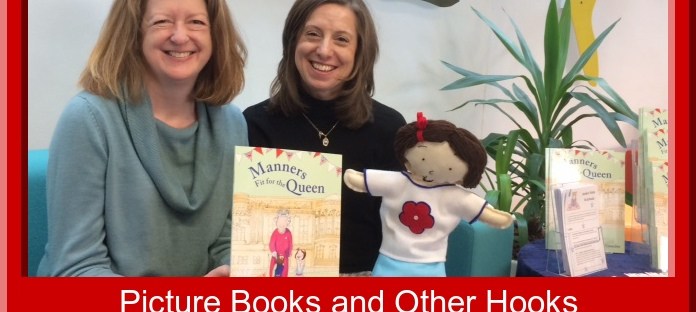
My latest CFT post is an interview with local children’s writer, Anne Wan. For her latest book, Manners Fit for the Queen, she teams up with local illustrator, Sally Goodden.

The interview looks at the colloborative process needed to produce a picture book and why picture books matter.

For most of us, one of our first introductions to the wonderful world of stories would have been through a picture book. I still love a well illustrated book. (The maps in the Lord of the Rings are fab!).

NB.  I love it when a title for a post just “comes” to me and I particularly like this week’s one.  Picture Books and Other Hooks has a good rhythm to it!

This slideshow requires JavaScript.

Looking forward to having a go at the writing prompt for this week from my diary. The prompt is to show the groundhog’s point of view as it prepares to meet his/her public for Groundhog Day (great film incidentally)!

Will have a crack at that challenge over the weekend. Should be fun! I can categorically state I’ve never created a groundhog character before! Am probably unlikely to do so again but it will be fun to find out what comes from this.

Later in the year, there‘s another prompt asking me to list 10 words associated with a train journey. People could have a lot of fun with that depending on which train operator they use regularly! (I think there should have been a comment in the prompt to “keep it clean” but that’s just me!).

As you will have gathered, I love this writing diary!


My CFT post this week will be an interview with children’s writer, Anne Wan, and illustrator, Sally Goodden. They recently had a story and craft event at Chandler’s Ford Library based on Anne’s most recent book, Manners Fit for the Queen, which is a picture book.

The ladies discuss how they worked collaboratively and how they met. Picture books look “easy” but are notoriously difficult to get right. The pictures need to convey enough of the story but without giving it all away. The text needs to be pitched right for the age range.

This slideshow requires JavaScript.

Facebook – From Light to Dark and Back Again

When did you first come across flash fiction? I ask as my latest CFT post looks at picture books and interviews Anne Wan/Sally Goodden on their colloborative work here. It made me realise that my way into reading, as it would have been for many of us, was via well cherished picture books. So on to my great love now – flash fiction – how did I get into that?

For me, it was via the 100-word challenge issued by Cafelit. Prior to that, I’d not heard of the form, yet alone had a go at it! I think part of the “not hearing” about it was due to the term used. I HAD heard about micro fiction but had not been clear about what that meant. I know now!

This slideshow requires JavaScript.

A good story will always make you react in some way. I’ve read (and written) stories that are meant to make you laugh or chill you to the bone.

So if a story isn’t working for you as you draft and edit it, look at what impact it is making on you as you read it. Is there an impact at all? If not, there is where the problem is! So think about what impact do you want it to have? How can the characters generate that impact?

If a character isn’t strong enough, ask why. Are they the right character for this story? Do you need to outline them in more depth to get right into their soul and really find out what makes them tick and react?

I’ve found a good way to get started is think of an extreme situation and look at how your character responds to it. For example, a fire breaks out in the character’s house so what do they do? What do they HAVE to save before they get out and why?

One of the nice sides to writing is you never lose the joy of hearing when something has been accepted! One huge advantage to writing flash fiction and short stories is being able to produce work and, hopefully, get it out there, building up publication credits, while working on a longer project.

Everyone knows how difficult it can be to get a novel out there but that doesn’t mean flash fiction and short stories should be considered “easy”. They’re not! You still need to craft the stories very well in order for them to have a chance of being accepted. You still need to pitch them to the right competitions/markets. They should also be recognised as a joy to write in their own right.

Ironically, it can be harder to write short than it is to write long. I always overwrite my stories but the advantage to that is I get off to a flying start with my editing pen! I find it a good acid test of whether a story is strong enough that I need to cut it back. If I’m having to pad (and I’ve only done this rarely), then the story idea isn’t strong enough in the first place (and I’ve always ended up either abandoning the idea altogether or finding ways of improving it. It never stays as it was).

Fairytales With Bite – What Matters to Your Characters?

What matters most to your characters and why? Get your characters to face losing what matters to them most and that will increase the tensions in your story considerably.

The nice things with this is whatever it is that matters most can vary considerably. For one character, it could be a life or death situation. Another character could be terribly worked up because they’re late back with their library book. The potential for humour is here too.

The one proviso is that your characters have to have very good reasons for why these things matter. A life or death scenario has an obvious “why it matters” inherent in it. In the case of the library book scenario, could it be that your character has never been late in their life for anything and fears losing control over their neat little life if they ARE late at all? Maybe they worry about what the librarian will think – other people’s opinions matter to this character. You get the idea.

Have fun and play with this. Work out what could make your character lose what matters most. For someone with a controlled life, what on earth has happened to make the possibility of being late back with their library book happen at all? Something catastrophic (to them) must have occurred. Hopefully it will be very entertaining for a reader!

This World and Others – Collaboration

Collaboration is vital when producing picture books, as discussed by local writer, Anne Wan, and illustrator, Sally Goodden in this week’s CFT post. (I must admit I was pleased with the title for this one – Picture Books and Other Hooks!).

Working in partnership matters even when you write on your own!  How and why?

For me, this means seeing writing as two distinct processes.  One is the fun creative side of getting everything down on paper or on screen.  The second is the editing process where you tighten your story up and really give it muscle by getting rid of anything and everything that does not contribute to moving your tale onwards and upwards to its conclusion.  I love editing.  I love the sense of the story improving as I spot repetitions etc I didn’t see in the giddy delight of creating new characters etc.  I love the sense of getting rid of what isn’t helping the story.

So where does the collaboration come in?  By accepting these are two distinct processes and not trying to do both at the same time.

Give your creative side free rein and enjoy the ride. Don’t let your inner editor spoil that.  It’s not time for them to come in yet.  Once that side is finished, then recognise the fact that all stories are improved (and therefore stand a better chance of publication) by good editing.

See editing as what gives your stories the wings to fly!  I do and find this side of things fun as a result.  Nothing is going to beat the heady thrill of creating something new but it helps enormously to know nobody has ever produced a truly terrific story in one go!  Everyone needs at least a second draft!  Good luck.


Getting Started and Moving On

Facebook – General

I often think the hardest part of writing is getting started! Once I’m away on a piece, whether it is a FB post like this, a flash fiction or longer short story, I get the “bit between the teeth” and get on with it until I’ve got that first draft down.

I’m not deliberately procrastinating incidentally. I set myself down to write at pretty much the same time every night and get on with it. It’s just finding those first few words to get the ball rolling…

Ah well, time to get on with the next piece!

Does music help you with your creativity?

I write usually with classical music on in the background (courtesy of #ClassicFM most of the time). It doesn’t matter whether it’s Beethoven’s 5th or his Moonlight Sonata, I find that just having the music on relaxes me and I just get on and write more effectively.

I am very fond of the Saturday Night at the Movies show on Classic and it is amazing how the right music can make a film. I bet you can name at least four John Williams’ themes for a start. Think of the films you’ve thought of WITHOUT that music. Almost impossible, isn’t it?

Sometimes when I create characters, I think of what music would best suit them. It never makes it into the story itself but it does help me to picture them better so I write about/for them with more depth and that DOES show in a story.

This slideshow requires JavaScript.

Enjoying the new series of I’m Sorry I Haven’t A Clue on Radio 4. Always love the word play on here. You can’t keep a bad pun down, no matter how much you might want to!

Playing with the language, inventing puns etc, is something I occasionally do as a writing exercise. Always good fun. Makes you think in a different way. (Just how excruciating can I get with a pun?!). Sometimes that has triggered story ideas precisely because I’ve allowed my brain to go off on a tangent for a bit. Try it and see what you come up with. If nothing else, you should have fun with some mental word games here!

This slideshow requires JavaScript.

Delighted to share more publication news. My flash fiction piece, Moving On, is now live on Cafelit. Hope you enjoy, especially if you’re considering a career change!

Facebook – From Light to Dark and Back Again

When do you know if a flash fiction piece has had impact?

If you’re really lucky, a reader will tell you so but for me generally it has been when I can recall most, if not all, of the story days later and it still makes me feel the way I did on first reading it. And that applies whether I’ve written the piece or not. There is a kind of “hits you between the eyes” feeling to stories like this.


Looking forward to sharing more publication news next week. Also looking forward to the Bridge House event in London next Saturday and seeing old friends and meeting new ones there!

Plus, as ever, am planning to do plenty of writing on the train journeys. All hail, Evernote, I get so much done!! I find I either write several flash fiction stories or draft one or two CFT posts in an average train journey. So at some point I ought to go on a long train journey – hmm… what could I get drafted on the sleeper train to Scotland I wonder? If I ever find out, I will report back.😀😉

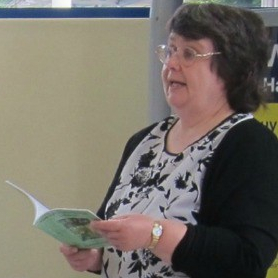
Will be reading some flash fiction pieces at the Bridge House event on Saturday. Looking forward to that. Looking forward to hearing all the other wonderful stories from my fellow authors there as well. I love sitting back entranced. And how often, as adults, do we get to be read TO? Not often enough I suspect.

To love writing you have GOT to love reading (though taking in stories via other forms such as audio is fine but nothing for me will beat a book). I owe a huge debt to my late mum for instilling a love of stories and reading in me at a very young age. She got to see my first published story – A Helping Hand in the Bridge House Alternative Renditions anthology – and my dad got to see my first book, From Light to Dark and Back Again, published. There’s a pleasing symmetry to that.

This slideshow requires JavaScript.

My latest flash story, Moving On, which is now on Cafelit, was one of those tales where I started with the opening line and based the story around it. I wanted something different to the normal meaning associated with “learning to let go”. I like taking phrases like that and putting my own take on them. Give it a go, it is good fun!

http://cafelitcreativecafe.blogspot.com/20…/…/moving-on.html


Goodreads Author Programme BlogImpact of Writing

The impact of writing on the world in general cannot be underestimated.

As well as the Bible, Shakespeare, Dickens etc., all of which have contributed so much to our language and whose stories have been the inspiration for so many others, there are things like the Domesday Book and Magna Carta.

Historical documents which colour so much else in life and law. Nobody could have foreseen at the time of writing just how much impact these would have (though there would have been many hopes about the Magna Carta. Not least that King John was hoping to get rid of it again as soon as he possibly could! An early recognition of dangerous writing perhaps?).

What makes us love our favourite books and stories the way we do? It is also down to impact. The impact of them stays with us. We want to be like the heroic lead characters perhaps. We feel fear for the characters we love as they face dangers. We feel relief, joy etc when our favourites survive.

So do writers’ play with their readers’ emotions then? Yes but it is always best done subtly. The reader has to be willing to go along with the writer here. The writer has to deliver on the promise of his/her opening lines. We have got to be able to identify with those in the story to want to find out whether they make it through to the end or not.

So the impact of writing is everything then. As readers then we need to decide what impact we want to experience.

This slideshow requires JavaScript.


All About Time

Facebook – General – and Chandler’s Ford Today

My latest CFT post looks at time management (and oh I would love to be better at that!) and at time travel. Naturally a certain Doctor makes an appearance in the post and I also look at if time travel were to become possible, where would you go and why? What would you do while there? Comments as ever welcome on the CFT page.

This slideshow requires JavaScript.

I discuss the art of time management and time travel in this week’s CFT post. (I suppose thinking about it further, you could say one of the earliest forms of time management in the UK was when the railways standardised time for us all).

On the assumption time travel ever becomes possible (and I’m not counting the gags that say something like travelling on XXX railway makes you feel as if you’ve gone back to the 1860s!), where would go and why?

Thinking heads on. Link goes up tomorrow. Comments welcome in the CFT comments box when post goes live. (If you’re really keen it goes live at just after midnight but you may have to wait to get a reply from me! Unlike Cinderella, I know where I’m going to be at midnight and it won’t be at my keyboard… ah the joys of middle age!).

One good thing about the dark nights coming in earlier is it does encourage reading and writing!

I don’t need much of an excuse to curl up with a good book or get on with various writing projects as it is but the lighter evenings during the summer months can make me feel a bit guilty about not getting more gardening done etc. Note the “a bit”. Easy enough to squash so I can get on with reading and writing! I just wish I could stop feeling the slightly guilty feeling at all!

I often prefer lighter reading and writing during the darker months too. Contrast in mood perhaps? Whatever, it’s definitely time to get on with some writing once again!

Facebook – From Light to Dark and Back Again

I often use lightning flashes in my photos for posts like this, given I think they reflect accurately how a flash fiction story illuminates and impacts on the reader. Very briefly and then over, but you don’t forget the impact.

A short story (say 1500 words+) to me is like shining a torch around – more light for a greater period of time but the impact can be diluted.

Sometimes you want that – you want the story as a whole to impact on your reader and you can only know if it‘s done that by reading and re-reading the whole thing.

The novel is like having a great big light on constantly. When you switch it off (stop reading it), that’s when you think about the impact it has made on you. Or that is how it has always seemed to be to me. I didn’t really appreciate the greatness of The Lord of the Rings until I’d finished reading it. You then take a mental step back and realise the huge scale of the trilogy.

Flash fiction makes you focus on the little details but the great thing with that is you can take this and use it to sharpen your longer works of fiction. No dull bits ever, thank you! The sections that are necessary to link the action should still carry the reader with them. The reader should be as keen to read those sections as they are the main scenes. Flash makes you tighten up your writing and this is enormously useful for ensuring your longer stories flow as they should.

This slideshow requires JavaScript.

Time is the theme of my CFT post this week (time management and time travel. If the latter ever becomes possible, you will have to be really good at the former to make said travelling work well for you!). I’ve used time as a theme for a few of my flash fiction pieces – Telling the Time (there’s a clue somewhere here!) and Time Waits for No Man (likewise!).

My main use of time though for flash fiction is deciding on when I’m setting the story. Am I going to tell it as it “happens” to the character or will I get the character to look back on an event? I use both regularly and usually it is clear which would work better. So much depends on the character A reflective type would be best suited to looking back at something that had happened (which I do in They Don’t Understand). An active “go get them” kind would probably be better off telling the story AS it happens, implying the passing of time as we go through the events with them.

What do I look for in an opening line for flash fiction? I don’t necessarily need to know who the lead character is funnily enough, but I DO need to know the setting, the attitude of the narrator (especially if this is a first person piece), and some indication of what the problem is. That problem and how it is overcome IS the story of course.

Something about the narrator/lead character has got to intrigue me enough to make me want to read on. A great piece of flash fiction will make you ponder whether YOU would have acted in the same way as the character you’ve just read about!

Fairytales with Bite – Favourite Times

What are your characters’ favourite times? Curling up with a good book? Lazing in the bath? Going for a good walk with the dog?

Use questions like this to help you establish your character. The answers may not appear in your story but knowing something about the character before you start writing about them will be enormously helpful. You don’t need to know each and every little detail. What you want is enough information that you can write clearly for them, knowing how they would react to a situation and why. The reader will pick up on the fact you really do know your character (even if they do this subconciously, in many ways it is better if they do pick up on this that way) and the writing will flow better as a result.

Of course, working out what your characters’ favourite times will tell you so much about them. Do they curl up with a good book because they can’t face what is their real life? Why can’t they face it? Dig deep. Maybe you will surprise yourself with what your characters show you about themselves. Use that.

This World and Others – Time

My Chandler’s Ford Today post this week talks about time management and time travel.  Guess which one I want to get better at!  Joking aside, this led me to think about how we use time in stories.

A lot of my flash fiction stories are set within a very short time period (appropriately) and are written in the first person, precisely because I want to achieve a sense of “immediacy”.  For other pieces I have the lead character looking back at their lives and being reflective so the time within stories like that is longer, “stretched” if you like, and the pace of the story is slower.  What grabs you with those kinds of tale is the character – something about them intrigues you enough to make you want to find out more.

Time in itself can make a useful theme for stories (too little of it, too much of it etc) but I’ve found it helpful to think about the kind of story I want to tell and then work out what the best time frame for that tale would be.  In my Pressing the Flesh the opening line is “It was 3 am”.  The impact of that is to make you wonder (a) why the time is important and (b) to assume the character concerned is unlikely to be up to any good at that time of night.  (Quite right too – see my From Light to Dark and Back Again for the whole story!).


Memories and Collections

Facebook – General

What memories are special for your characters and why? Are they shared memories with other family/tribe members or individual ones or both? Does your created world have special events where certain memories are officially recalled? Is the past a good place for your characters to visit or do they block out all memories to avoid inflicting more pain on themselves?

This post came about because I was showing some lovely photos of my maternal grandparents’ wedding (set in the grounds of Chiswick House) to other members of my family today. I only came across these photos after I cleared out my late parents’ house. My only regret is had I known of their existence before, I would have quizzed my mother in particular over one photo where she and her younger sister were bridesmaids. There were people in this photo I didn’t know and the family and I took intelligent guesses at who they were.

I guess this shows the importance of maintaining memories and cherishing what is vital from the past, your past. So how do your characters do that?

When you read a book outside of the genre you write in, what are you looking for?

I’m looking for a world I can identify with (though almost inevitably I wouldn’t want to live there!) and characters whose motivations I understand (and usually sympathise with).

I like a fast pace to the story and other background information to help me make sense of the setting. I also want there to be gaps that I have to fill in with my imagination. I want the dialogue to hook me so that I have to read on and not notice the “he said/she said” tags. Well written dialogue does make me skip over these tags as if they weren’t there.

And when I’ve finished the story, I want to feel as if not one word could be added. I also want to regret coming to the end of the story because I enjoyed it so much.

And the challenge here is to write this way myself so hopefully people will feel the same way about MY stories!

I have collections by several of my favourite authors on my shelves – Agatha Christie, P.G. Wodehouse, Terry Pratchett to name a few. Love all that they wrote. Tremendously difficult to pick a favourite book by any of them.

What I especially adore though is when they take their major characters and put them into situations they would never have anticipated encountering. For example, Murder on the Orient Express gives Poirot a moral dilemma (and I won’t say more than that – no spoilers here). It’s not the kind of moral dilemma he would have anticipated facing. And it is how he handles that which, for me, makes this story fascinating. (The TV version with David Suchet is particularly good on this aspect).

So can you take the usual situations your lead characters would reasonably expect to face and subvert them? That what has worked for your lead characters before cannot possibly work in this new situation so they are forced to come out of their comfort zone and “go for broke” because they have to solve this new condundrum, no matter what?

One thing is for sure: do this and there will be no lack of drama/conflict in your story!

Facebook – From Light to Dark and Back Again

One of the biggest issues facing writers is getting their book out there and, once that has been achieved, how to market it without annoying everyone! One simple thing is just to let people know where it can be found and leave it at that. So taking my own advice then…!

FLTDBA in the Swanwick Book Room

FLTDBA for sale in the Swanwick Book Room. Image by Allison Symes

cropped-cropped-version-of-my-reading-at-railway-station

FromLightToDark_medium-2

Chapeltown Books have a distinctive central image in a frame such as with mine. Image by Allison Symes

FromLightToDark_back_medium

Back cover of FLTDBA. Image by Allison Symes

I was enjoying an old Doctor Who episode earlier this evening when Catherine Tate came in as companion, Donna Noble, to David Tennant’s Doctor. Great episode. What I liked about the character of Donna was her feistiness, her abilty to think on her feet, and the fact she wasn’t letting the Doctor get away with ANYTHING. Her character claimed that the Doctor needed someone to stop him sometimes. I think it’s a fair assessment too.

But this highlighted for me the fact well written characters shine through whatever story they’re in and make themselves and the tale memorable. Something to always aspire to when writing my own characters I think.

The joy of coming up with one line stories is you can either leave them like that and perhaps enter them into 25-word flash fiction competitions OR you can expand them.

From there of course, you can either have a longer flash fiction story or go to 1500-2000 words (standard short story competition word count). I think if you were to go much beyond that, you would be changing your initial idea as you would need more characters, at least one decent subplot and so on for the story to be able to “stand up” over that greater “distance” and still make sense.

I don’t revisit my one-liners that often but it did occur to me perhaps I should do so more regularly! A case of double whammy for the writer here I think!

This slideshow requires JavaScript.


Finding a Fresh Angle, Blogging and Adjusting Your Reading

Well, there’s a nice mixed bag of topics for you.  Plus I will share my top 10 tips for helping the writer in your life.  (Fellow writers, you can always drop a lot of hints to non-writing friends based on my list!).

Facebook – General

When you’ve had a website or a blog for a while, it pays from time to time to go back into your older posts and have another look. I do this a few times a year and inevitably I can think of a fresh angle on the topic I’ve pulled out of the archives to have a look at. Hey presto – a new post!

Some other ways to generate ideas for fresh posts include:-

1. Think about what irks you most about writing and why. Share! You won’t be alone. (My biggest bug bear? Never having as much time to write as I’d like. Answer: Just make the most of the time I do have!). You can share tips about how you overcome these bugbears or how to minimise their impact.

2. Think about why you started writing in the first place. Think about where you are now with your writing. Be encouraged by how far you’ve come but again this topic is great for being able to share what you’ve learned on your own writing journey.

3. Think about your favourite writers and stories and why you love these. Share your thoughts and invite comments. Briefly, I love the works of Terry Pratchett, Jane Austen, and P.G. Wodehouse (now there’s a combo if ever there was one!).

4. Share writing advice that you’ve found helpful and equally that which has not been relevant for you. Other writers will find this really useful.

5. What would you have found most helpful to know when you were starting out as a writer that you only found out much later on? Share!

Above all, have fun writing your posts. My CFT post this week will be Part 2 of Why I Blog. I’ll share the links later in the week but finding out what other writers have to say on a topic is (a) fascinating and (b) you learn so much yourself.

My CFT post this week will be Part 2 of Why I Blog. Many thanks again to all the fab writers for taking part in both parts of this. Lots of interesting insights and proof people really do blog for all kinds of reasons. More on Friday when I’ll put the link up.

Will be reviewing the recent Hursley Park Book Fair soon too. Good fun, lots of footfall, a very promising start to what I hope will be an annual event.

And Swanwick Writers’ Summer School draws ever closer too!


Do you adjust your reading according to the seasons?

The nearest I get to it is that I make sure I read or listen to Terry Pratchett’s Reaper Man around September time and his Hogfather in the run up to Christmas. (I also sneak in either reading or watching A Christmas Carol during December – the Muppet version is my favourite!).

I suppose summer is associated with “light” reading to match the longer, lighter days, but I don’t change my reading much here. I am still reading history (and historical fiction), flash fiction, short stories, novels across the genres etc. What affects my reading choice more is mood.

As for writing, well it’s always a case of “game on” for my flash fiction and blog posts!

This slideshow requires JavaScript.

Facebook – From Light to Dark and Back Again

I think every flash story has to contain an element of surprise for it to engage the reader. Okay, you may well see where the author is going but isn’t the fun to be had there in finding out whether you are right or not?

That is what keeps me reading when I think I’ve guessed ahead correctly (and sometimes I’m right, sometimes the author twists the tale again and fools me. I like both of those options!).

Having said all that, it doesn’t mean the surprise has to be a nice one, far from it!

What should come through in your flash fiction pieces above all else is what makes your character tick. There is usually room for 1, maybe 2 characters, at most and their attitude should come through clearly. The attitude doesn’t need to be a “nice” one but it should be one readers can understand and, as they read on, see why the character has developed this.

As ever, it is the telling detail that matters here. For example, in The Outcome, the opening line is “I’m pleased to be wrong about my misgivings”. The attitude here is of a character who is open to the possibility of being wrong and being willing to admit it. Of course you then hopefully want to find out what they were wrong about! But it is that hook, the attitude of the character, which draws you in, I think.

Top ten tips to help the writer in your life:-

1. Buy their books!

2. Review said books. Doesn’t have to be a long review but must be honest.

3. Go to their book events to show support. Trust me, it is appreciated and, as a certain supermarket would say, every little bit helps.

4. Always get them nice notebooks and pens. The idea that any writer could ever have enough of these is just plain wrong! From your point of view, you’ll never be stuck for present ideas for your writer friend ever again. Win, win here.

5. If you are a computer whizz and can act as technical support, fantastic! You’ll save them a small fortune. No doubt your grateful friend will put you in their next book and not as a character to be killed off horribly either.

6. Plentiful supplies of tea/coffee/chocolate/other treats generally go down well with said writer. If it lifts their mood because they’ve got bogged down in Chapter 8, it benefits you. Do away with moody-writer-syndrome. Feed them their favourite treats. You know it makes sense.

7. If you really do feel you can’t get your writer friend any more notebooks and YOU feel like getting them something different, go for book vouchers or vouchers towards a writing course/retreat. Will go down well.

8. Accept said friend will often seem to be in a world of their own. That is because they are! Give them time to come back to earth before engaging in conversation. You’ll get more sense out of them for one thing doing that.

9.Never ask where they get their ideas from. You want to stay friends with them, yes? Just trust me on this one. If you insist on asking, don’t blame me if your friend gives you a long lecture on well this idea led to that one, I was inspired by one paragraph in A Christmas Carol, I thought I’d add a twist here and there, etc etc. Your friend should be able to go on at length as to where they get their ideas from. If you get bored, (and you almost certainly will), you only have yourself to blame here.

10. And last but not least, do spread the word about their books. It all helps.

 Goodreads Author Programme – Blog

What do you have in the way of book accessories?

I love bookmarks and those clear plastic stands for displaying books at signings etc. They make such a difference to your presentation.

I also like nice pens with a book logo on them and had some produced to go with my flash fiction collection when that came out. Likewise, a nice spiral notebook with the cover of the book on also went down well as prizes for my launch.

But the ultimate book accessory for me I think is the hardback and jacket! While nothing will diminish my love of the paperback, I do have some wonderful hardbacks, including a Sherlock Holmes collection, where the book itself is simply beautiful (and the contents brilliant! Got to hand it to Conan Doyle…).

I must admit when I do choose a hardback, I tend to have a quick peep to see if the cover has been reproduced on the book or if it is just on the jacket. A lot of the time it is the latter, all to keep costs down, but I have some where the cover has been reproduced on the book itself. Always looks great.

Even with a “plain” cover, a hardback book can be lovely in the way it has been bound etc.

So while the contents of the book are always the most important thing for me, I do enjoy the aesthetics of a lovely tome as well.

This slideshow requires JavaScript.


WEATHER, PLANS, AND THE WRITING JOURNEY

Facebook – General

Must admit I struggle a bit in the heat, due to being asthmatic (much easier to breathe in cooler air). But then I still don’t really associate Britain with heatwaves, really. It just doesn’t feel right for this country.

And yes I do remember the summer of 1976. Government appointed a Minister for Drought and within about a week the heavens opened. Someone liked a laugh there!

I don’t tend to use the weather in my stories but how your characters react to (a) standard and (b) unusual conditions can help your readers find out more about them. I wilt in the heat. Others get edgy. How do your characters react? Does their behaviour and attitudes change notably?

Food for thought when outlining your characters as, even if you don’t use this in a story directly, just knowing how they would react helps you as a writer to show something of that in the situations you do put them in.

Time really does fly – hard to believe it’s July already. Still, on the plus side, it’s just over a month to the Swanwick Writers’ Summer School. Really looking forward to that.

Need to get some more submissions out so will try and focus on that. (Third flash fiction book coming along nicely though). Am also beginning to look at some non-fiction work I’d like to do. Would like to make good progress on that by the end of the year.

Am reading well, which is great. I see reading as the fuel to writing. How can you know what you like to write unless you know what you like to read? Deliberately mixing up my reading formats. Sometimes I focus on the Kindle, other times good old fashioned paperbacks, still other times catching up with magazine reading. All wonderful material.

When you first start out as a writer, you look to improve what you do (and this is something you continue to keep on trying to do). Then you aim for publication. Then you see if you can be published again and again and again etc.

All the time you are trying to improve what you do in terms of output and quality. You are also getting to grips (or trying to!) with marketing and promotion, arranging book events, using social media effectively to attract a readership and so on.

So at no point in the writing journey are you standing still and that is a good thing.

But it does pay every so often to stop and look at where you are and what you would like to do next (and then go for it!). Focus on enjoying what you write – that enjoyment will help you keep going through the tougher times.

This slideshow requires JavaScript.

Facebook – From Light to Dark and Back Again

Flash fiction is a good outlet for one liners which sum up a character.

One of my favourites comes from Making the Grade: “Still, as I told Mother, if this is what I can do when I’m honest, just think of the possibilities when I’m not!” Attitude to life, feisty character all in one line!

Flash fiction is the epitome of economical writing! This is another reason why I love it. It challenges me to convey as much information as possible in as few words as possible. All good fun!

I love an intriguing first line
Be it in flash or short story.
But what is wonderful and fine
Is the ending in its glory.

Allison Symes – 1st July 2018

I’m partial to some doggerel too! Having said that, intriguing first lines are fabulous but the story has to follow through on them. The story must never peter out. The ending must back up all that has come before. You want your reader to feel they’ve had a satisfying read, whether it is a funny tale or a grim one.

This slideshow requires JavaScript.

Flash is a great vehicle for sci-fi and fantasy, even though both are known for (a) epic novels and (b) world building (which leads to the size of said epic novels!). Why?

Because you can conjure up a world with a few well chosen words and leave the rest to your reader’s imagination. In my The Truth, I refer to a Mark 3 Intergalatic Spacecraft with the latest time warp technology. I haven’t room in this 100-word story to tell you more than that, but the great thing is YOUR vision of what such a spacecraft would be like is as valid as mine would be. And you can picture the kind of world that would have such a thing in the first place.

I like to have fun with my flash stories in giving the one telling detail a reader would need to know and leaving it at that! I’m not being rotten, honest. I think a reader engages much more with any story if they have gaps to fill in. I know I love this when I have to fill in gaps on stories I read.

N.B. Do you think they have trouble changing head light bulbs on your average UFO given the trouble most of us have trying to do the same task on our cars? Just a thought…!


Being Creative

Facebook – General

I think most of us need to find some form of being creative – whether that’s using a pen to write or gardening tools to make the “perfect plot” (pun intentional, no apologies!).

I suppose it is because creativity gives us an outlet, especially if most of the time we are doing something far more humdrum. (I love that word humdrum, just sounds good, and conjures up the exact image of what it means).

Creativity is good for mental and physical health so why does it seem sometimes as if it is something that is “indulged in”? (I don’t have that problem, my family are very supportive of my writing, for which I am enormously grateful as I know not every writer can say that).


Facebook – General

Pleased with writing achievements on the train yesterday. A whole CFT post written for next week and a flash fiction story (though one at the higher word count end for me). Hope to have a good look and edit of the latter during the week and submit it somewhere.

Looking forward to taking part in the inaugural Hursley Park Book Fair in June. Over 40 authors are taking part and I will have more details nearer the time via a CFT post about it.

Reading, for me at the moment, is pretty much split 50/50 between paper and Kindle. That is a change for me as it used to be 80/20 paper to Kindle. (But you can’t beat the convenience of slipping your Kindle into a bag with loads of books to choose from over having to limit yourself to one or two paperbacks, depending on the size of one’s bag of course. Goodness knows how men manage here. Is that a paperback in your pocket or…. well you can fill in the rest!😁).

This slideshow requires JavaScript.

Facebook – General

I’ll be resuming my 101 Things to Put into Room 101 series for CFT this week. Up to No. 76 already! Drafted this on the train at the weekend. Had no problem thinking of things to shove (hard) into the vault of doom.

Am hoping to get a couple of flash fiction stories off for competition later this week. I am pleased (and frankly relieved) so many competitions now accept online submissions. I used to spend a small fortune in postage when I first started writing – and yes, the dinosaurs did still walk the earth then. I was one of them – easily spotted. I was part of that sad group forever in a Post Office queue! (I could almost guarantee I’d be out of stamps when I needed them for a competition. I guess the online equivalent would be finding out your server is down just as you’re trying to send your story in. Murphy’s Law does get everywhere).

Facebook – From Light to Dark and Back Again

Glad to say I’ve had to order more copies of From Light to Dark and Back Again ready for book events coming up over the summer months. Will post more about those nearer to the time of each though I am glad that at one of them in particular, I should have the chance to catch up with friends, which is always a lovely bonus.

I did manage to write some flash fiction on my train journey today – one of my longer pieces. (I also wrote an entire CFT post too so a productive day!)

Facebook – From Light to Dark and Back Again

I am definitely going to have to go on more train journeys as all of the ones I’ve taken so far this year have meant I’ve drafted LOADS of flash fiction stories, which I hope will end up in a third collection eventually. Just a pity my Swanwick trip in August is going to involve a replacement bus service due to major works happening at Derby Station over the summer. Will be interesting to see how I write while on a bus – assuming I can of course.

This slideshow requires JavaScript.

Facebook – From Light to Dark and Back Again

The nature of flash fiction in that it gives only a glimpse into the world of its story makes it useful for when you want to imply your character is a time travelling alien or what have you but don’t need to set up a lot of details as to the world they’ve come from.

I’ve found the odd line showing the character’s reaction to the world they’ve left can be telling. It can be a case of what they don’t say that will imply to the reader the world they left was horrendous. Equally a comment, a throwaway line from the character will show their attitude and from that a lot can be deduced.

This slideshow requires JavaScript.

Goodreads Author Programme – Blog – Broadening the Mind

The old saying goes that travel broadens the mind and, of course, it can do. But so can reading widely across genres and non-fiction.

Also reading contemporary AND classic fiction is useful here as the former keeps you in touch with what is out there now, and the other keeps you in touch with where writing has come from.

Also I’d argue that writers such as Wodehouse, Austen, Dickens etc have all stood the test of time and will continue to do so. What is fun is to watch out for those contemporary (or near contemporary) authors who will go on to stand the test of time. (I’d have the late, great Terry Pratchett as a certainty here. Also J.K. Rowling for Harry Potter.).

Writing, especially when it involves any kind of research, also encourages mind broadening. (The great thing with this is most of us don’t want our waists to broaden, but you can broaden the mind as much as you like! No calories involved whatsoever…!).

So read and write away!