Story Endings and Why I Love Creative Writing

This slideshow requires JavaScript.

Image Credits:-
All images from Pixabay/Pexels unless otherwise stated with many created in Book Brush. Book cover images from Chapeltown Books and Bridge House Publishing. Screenshots taken by me, Allison Symes.
Hope you had a good weekend. Wet and stormy again here though crocuses are emerging in my garden. Plenty done writing wise which I’m very pleased about. Hope the rest of the week continues to be productive.

Facebook – General

You know I said yesterday Writers’ Narrative was due out soon (see below!), well I was right. It’s out now! Do check out the magazine below.

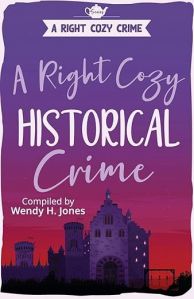
The theme this time is historical fiction. Plenty of wonderful articles in here sharing useful insights. Time for a good drink and a great read I say. You can find my piece on pages 16 and 17 where I look at how historical fiction can be written for the shorter forms of writing too.

This slideshow requires JavaScript.

Hope you have had a good start to the week. Park so muddy this morning. Lady didn’t worry thought (she never does!) and focused on having a nice time with her Hungarian Vizler pal. Quite right too.

Writing wise, I had a lovely weekend, submitting stories and picking others to edit for competition entries later. Also drafted articles and got on with my longer term project (well, one of them anyway).

Don’t forget my author newsletter will be out again on Saturday. Yes, it is almost March already! To receive news, tips, story links, prompts etc do head over to my landing page at https://allisonsymescollectedworks.com

Also Writers’ Narrative will be out again soon. I was right – see above!

This slideshow requires JavaScript.


Hope your Sunday has gone well. Nice quiet one here though the wind is getting stronger. Storm due later.

Why do I love creative writing, fiction or otherwise? There is no one answer to that but my love of reading made me want to write stories of my own. Basically, I wanted to see if I could do it and I soon discovered writing is addictive (albeit in a good way).

My love of reading non-fiction has led to me wanting to and then going on to write non-fiction articles and posts. And, of course writing is a creative outlet. I suspect most people have at least one way of being creative and I soon found that writing was the one for me.

Best of all has been getting to make so many writing friends. All of us understand the need to create stories and articles without having to explain why. When we get together in person or online, that is lovely. We do pick up from where we left off!

It will be a little while before I go to my next writing event though, as well as running the Association of Christian Writers Flash Fiction Group this coming week, I’m going to attend an event ACW are putting on in early April, which I’m sure will be encouraging and useful.

Hope your weekend has got off to a good start. Had some sun today which is lovely and have potted the first crocus emerging in my garden.

Writing wise, I’ll be sharing The Writers’ Wish List for Chandler’s Ford Today next week. (Well, it will be this writer’s wish list but there will be plenty to agree with and maybe add to via the CFT comments box on Friday!).

Delighted to be Editor’s Choice on Friday Flash Fiction this week with my Best Advice tale. Link here in case you missed it yesterday and a huge thank you for all the lovely comments coming in on this so far.

Looking forward to flash fiction Sunday afternoon tomorrow too. I have been submitting a number of stories recently which is great. I need to take some time out to look for other possible competitions and I hope to do this tomorrow too. I make a point of checking out the competition background just to reassure myself all it as it should be before I send anything anywhere.

Facebook – From Light to Dark and Back Again

Hope today has been good for you. Lovely to see some sunshine. Lady got to see her Hungarian Vizler pal and an old friend, Daisy, whom we haven’t seen for a while.

Writing Tip: You can show something of your characters’ general attitude to life by showing how they react to minor annoyances, you know the kind we all have.

Do they swear like the proverbial trooper when they stub their toes or do they express their annoyance in a less fortnight manner?

How do they react in certain weather conditions? What brings out the worse of them here (and bear in mind in a fantasy story you could have another magical character deliberately make them face this situation knowing it will cause them to react badly).

It’s Monday. It’s been stormy (overnight) and so muddy in the park. Definitely time for a story then. Hope you like my latest on YouTube – People Watching.

Just another woman working away in a cafe over a chocolate brownie and tea or is there something more sinister in her work? Find out here.


Finding topics for my flash fiction and short stories varies. I use the random generators. I use books of prompts (some have been published by Bridge House Publishing. I’ve contributed to those and there is now a Big Book of Prompts available – see link below).

I also use story cubes. Sometimes a topic is set by the competition I want to have a crack at and sometimes I use a competition theme even if I don’t enter it. (This is usually due to my having discovered the competition a bit too late to enter it but I can still use the topic and get a story out of it. I can find another home for it later).

I like having a variety of methods to “get into” a story (though my all time favourite is working out who my lead character will be and then finding a lovely situation to dump them in – great fun!).


Flash can be punchy, moving, funny, and anything in between those things. You can set your characters anywhere and everywhere including in time, in this world and others you make up. The word count can vary from a few words to a few hundred but as long as you don’t go over 1000 at a time, it’s fine.

You can bring out flash collections, share individual pieces on websites like Friday Flash Fiction, and there are competitions specifically for the form. And you wonder why I love flash fiction! (The fact it is responsible for me finally having books to my name has a great deal to do with it too!).

This slideshow requires JavaScript.

Goodreads Author Blog – Story Endings

A story doesn’t keep its implied promise of a good read until a reader reaches the end of it and then even the magic words The End are no guarantee it was a satisfying read.

A great story ending ties up loose ends and has an appropriate conclusion for the characters involved. It doesn’t necessarily need to be a happy ending but it does have to be “right” for what we have come to know of the characters and the plot line. It has to “fit”. Otherwise a reader will feel “jarred” by that ending and will wonder whether the book or story was worth their time reading it after all, something no author wants to encourage.

Sometimes when I write my short stories and flash fiction, I have the closing line immediately. I have sometimes entered competitions where they give you the closing line and you then work out what must have come before that.

I enjoy this exercise. It makes me think from B to A rather than A to B. I deliberately make myself start stories this way first every so often to encourage my own creative thinking. The huge advantage of course is I know what the ending is going to be. I have an outline (a very rough one) from that alone.

I like to read books and stories where I feel the ending couldn’t have been different from the ones which have been given. To me that is a successful story.

WRITERS NARRATIVE SUBSCRIBER LINK

As the March issue is hot off the press (see above), so to speak, I thought I would share the February issue again here. Double bubble here, folks. Hope you enjoy both magazines. Do subscribe. Link above and in the magazine itself.

AMAZON AUTHOR CENTRAL – ALLISON SYMES

This slideshow requires JavaScript.

https://platform.twitter.com/widgets.js https://platform.twitter.com/widgets.js https://platform.twitter.com/widgets.js

Processing…
Success! You're on the list.

Author Interview: Sophie Neville – A Creative Life Part 1

This slideshow requires JavaScript.

Image Credits:-
All images from Pixabay/Pexels unless otherwise stated with many created in Book Brush. Book cover images from Chapeltown Books and Bridge House Publishing. Screenshots taken by me, Allison Symes.
Hope you have had a good few days since the last post. Weather still all over the place but Lady running all over the place with her closest chums so they’re happy at least!
Am so thrilled to welcome Sophie Neville to Chandler’s Ford Today – she is a very talented actress (best known for Swallows and Amazons), has written many books, and is an award winning scriptwriter as well. This interview is a two parter, with the next stage coming out on 12th April. Don’t miss either parts – there is so much to inspire here.

BookBrushImage-2024-4-5-19-1554

Facebook – General and Chandler’s Ford Today

Hope you have had a good Friday. Lady and her Rhodesian Ridgeback pal rounded off their “working week” with a superb playing, good zoomies (you stand out of the way!), and who then went home tired and happy. I was happy to dodge the rain. That counts as a win this week.

For Chandler’s Ford Today this week, I am delighted to share Part 1 of a wonderful interview with actress and writer (and much else besides), Sophie Neville, who is best known for her role as Titty in Swallows and Amazons, a classic children’s film. She went on to do much more in front of and behind the camera plus her writing, especially her scripts, has won her awards too.

This week we look at how the different aspects of Sophie’s work have fed into each other, her thoughts on preparing for talks (useful tips shared too), and her involvement with the Wild Otter Trust and much more.

Do enjoy! Part 2 this time next week. Don’t miss!

Author Interview: Sophie Neville – A Creative Life on Water, in Film, and in Writing – Part 1

This slideshow requires JavaScript.

Lady has had a super duper week in that she has got to see her friends for most of it! Had a lovely time again earlier today with her Rhodesian Ridgeback pal. It is quite something to see the pair of them running.

Don’t miss tomorrow’s Chandler’s Ford Today post. I will be sharing Part 1 of a splendid two part interview with the hugely creative and talented Sophie Neville of Swallows and Amazons fame and much else besides. The whole interview is so inspiring to anyone with any interest in the creative life so do look out for it. More tomorrow on this. See above.

Writing Tip: When writing flash fiction, don’t worry about the word count. I know that seems an odd thing to say but focus on getting the story right first. Once you’ve got that sorted, then figure out what the word count should be.

If my draft ends up coming in at, say, 120 words, I will then and only then see if I can genuinely get it down to a 100 word count. Sometimes I can. That’s great. Sometimes I can’t (because it would spoil the story in some way) so in that case I leave it alone and I send it in to a category which is over 100 words instead.

How can I judge what would spoil the story in some way? Simply by asking myself would cuts take away from the characterisation I am trying to show. If it does, I don’t do it.

The star of any flash fiction story is the character. The reader needs to know who they are (in some cases in my stories, what they are too!) so if my cutting takes something away from their enjoyment of the character, that’s when I leave the story alone.

But if I can genuinely cut something to tighten up pace, give my characters a sharper focus, then I will do that.


Hope you have had a good day. Strange weather though thankfully Lady did get to see her Hungarian Vizler and Rhodesian Ridgeback pals again today. Came home tired but happy. She always gets a buzz from being with her chums.

I was talking earlier today about non-fiction books via a Facebook group I am part of and I mentioned I’m currently reading Double Cross by Ben Macintyre, the true stories of the double agents used to fool Hitler. Fascinating reading. Highly recommend. I love the development of non-fiction told in narrative style, as this book is, as it almost seems like a novel (and a page turning one at that). Great way to take in history, I think.

I do sometimes write historical flash fiction though I do use standard modern English for my characters here. Why? Old English is not that easy to read so my one conceit is to allow past characters to talk in a way we would understand now. My historical flash pieces are all based on fact and/or reasonable supposition on the basis of known facts. Fun to do.

By using the flash format for this, I do have to hone in on what really matters to my characters. (And that applies to every other flash piece I write too, regardless of genre. Flash is a great writing discipline for this).

434500112_10161812547272053_4478909043558913187_n

Facebook – From Light to Dark and Back Again

No story on Friday Flash Fiction this week as they’re closed to submissions at the moment after the Andrew Siderius competition. Many congratulations to the winners and all who where shortlisted. It was great fun to take part. I submitted a story in the 100 words category and then a longer flash (151 to 500 words) over the two weeks the competition was running.

If you need to look at what 100 word stories look like on screen (or the longer up to 500 words category), do check out the website. I’ve found doing this useful in the past because it gives me a visual aid for what to “aim for” when drafting my story.

If I know a 100 word story could be three short paragraphs, I’ve already got a kind of structure in place. First paragraph – set up, meet character, know problem. Second paragraph – things worsen, character has to do something. Third paragraph – Character has done something and this is the resolution. Visual aids like that can be handy at times.

Also check out the wide range of stories on here. You’ll be in for a great read. The link takes you to a page full of useful tips for writing flash fiction. Do check them out.
Screenshot 2024-04-05 at 17-07-46 Writing Good Flash Fiction

One great thing about the opening line writing exercise is it challenges you to come up with excellent prose to follow on from it. I find I want to deliver on that cracking opening line and not let it down. So I need a strong character, one I know well and whose reactions and actions make sense based on my portrayal of them.

Do I like all of my own characters? Not necessarily! I can think of some of mine who make my skin crawl but the way I’ve portrayed them, their actions and attitudes would make sense if only to them. I don’t write too many of this kind of character because they’re not my favourite type but sometimes I have an idea for a plot where that kind of character has to be the one to “star” in it for it to make sense.

I do love my witty characters though and have a very soft spot for them. I especially love the ones who come up with wonderful one liners. What I need to watch there is to ensure I don’t write those lines just for the sake of it. Any and every line does need to move the character and the story on.

Any and every line has to earn its place in my stories. If there’s any doubt, then that tells me this line isn’t strong enough. Equally it tells me it doesn’t stand out enough to justify staying in the tale so out it comes.

433949985_862760885863774_6838487424595193097_nSometimes I’m inspired by films I like and take the viewpoint of another character for my flash piece. In my Where The Wild Wind Blows (Tripping the Flash Fantastic) I take the viewpoint of the witch from The Wizard of Oz who was unfortunate enough to have a farmhouse land on her. Just what are the odds of that happening, even in a magical world, I wonder! Good fun to do as it is interesting to explore what another character would make of the situation that has happened to them.

When Cinders got married, not all considered this to be good news – the stepmother and her daughters for a start. You can have fun playing with that kind of idea (and indeed I did with my A Helping Hand from Alternative Renditions (Bridge House Publishing), which was my first story in print back in 2009).

I’ve mentioned about using proverbs and sayings for inspiration (and they are fabulous sources) but why not the fairytales too? Whose story hasn’t been told? Who thinks they’ve been treated unfairly? A lot of fun stories could be told here (and I love the way the Shrek films covers this idea too).

Fairytales with Bite – Magical Studying

The best known magical school is, of course, J.K. Rowling’s Hogwarts. (Love those books and films). But when it comes to your own stories and settings, how would your characters be educated? Would there be formal education such as Hogwarts or would there something akin to learning from the “elders” of the people in a more traditional, oral manner? Would your characters have access to any education at all? If not, why not?

You can show a great deal about your society by showing who is allowed to be educated and who is not. Equally for your stories where education doesn’t come directly into the plot lines, your characters would still have needed to learn some skills in a magical world so they could survive. Do they ever talk about what they learned and how?

Good teachers have a positive influence on you for life. I recall with great fondness my English teacher, Miss Mackenzie, who introduced me to Jane Austen (Pride and Prejudice). I learned irony was a thing in fiction from that one book!

After that, we went on to The Day of the Triffids (John Wyndham), a book I was sure I would hate given it was science fiction. I was wrong. I was pleased to be wrong. Miss Mackenzie gave me an invaluable lesson here in mixing up your reading and not being afraid to try genres new to you, something that remains with me (and I am sure has had a positive influence on my own fiction writing).

So what teachers would have had an influence, good or bad, on your characters and how does that play out in your story? How does your characters’ magical studying, no matter how they did this, affect what they can do in your plot line? When they are in trouble, as all characters will be at some point (!), do the lessons they studied earlier in their lives come to their aid now?

Studying has a life long impact. So it would make sense for that to apply to characters too. It could make a huge difference to whether they survive or not. Story ideas a plenty there, I think!

BookBrushImage-2024-4-5-19-4417

This World and Others – Discoveries

I’m always pleased to hear of discoveries which will be useful to mankind (medicine perhaps being the obvious one here). I also love to hear of discoveries which are simply amazing. I love seeing the photos from the various space telescopes, for example. The images are amazing (and that in turn gives me a renewed appreciation for the wonders of the human eye, for colour, and for photography).

So think about your characters. Which discoveries do they value and why? Do any of these come to their aid in the course of the story? Development in transport, for example, could make a huge difference as to whether your characters succeed in their quest or not.

What does your fictional world think about science or do they equate their magic with our science? In terms of the ruling powers, do they encourage new discoveries or try to suppress them? Not all would welcome people being able to find out more because that, in turn, could well lead to said people questioning how they are governed, especially if their discoveries are in things like finding out other places have democracy and they themselves do not.

Discoveries can take many forms. Which would your world/characters appreciate? Which would they not want and why? Who is behind making the discoveries and are they on their own here or do they have support?

If the ruling powers support discoveries, is that only for specialized fields such as military applications?
Give some thought too as to which discoveries would turn your fictional world upside down and is that a good thing or a bad one? Not all would see it as good. Not all would see it as bad. What could that split in opinion lead to?

Which discoveries could your fictional world/characters really do with having? Is your setting anywhere near obtaining these?

One single discovery could change so much too. Think about the discovery of pencillin for us. How many lives has that saved? So what would your world’s equivalent of the “game changer” be?

Again, plenty of story ideas there, I think.

BookBrushImage-2024-4-5-19-5021

WRITERS NARRATIVE SUBSCRIBER LINK

AMAZON AUTHOR CENTRAL – ALLISON SYMES
Allison Symes - advertising books and services resized 640Twitter Corner with hashtag, Scrabble tiles, and the blue bird

https://platform.twitter.com/widgets.js https://platform.twitter.com/widgets.js

Processing…
Success! You're on the list.

Tewkesbury and Top Flash Fiction Tips

Facebook – General

I’ve been to the Tewkesbury War of the Roses Re-enactment today for the first time. In previous years I’ve either been on holiday or otherwise engaged, so it has been lovely to finally tick this one off my To Do list. It has also been great catching up with family in this part of the world.

Lady stayed at home with my better half as, not only is it hot, I thought all the sights and sounds would over-excite her and I was right! The sights and sounds were incredible.

I sometimes think of the Wars of the Roses as an earlier English Civil War. There are so many stories here – not just of the victors and defeated but those of people who simply had to do what their lord did here. If the lord backed the wrong side, the consequences would be heavy and would go all the way down to whoever followed him. How many families were torn apart this way?

Historical fiction, when well done, can show you something of that and boost your history knowledge. Flash fiction can show you brief moments but a quick light burst can be enough at times.

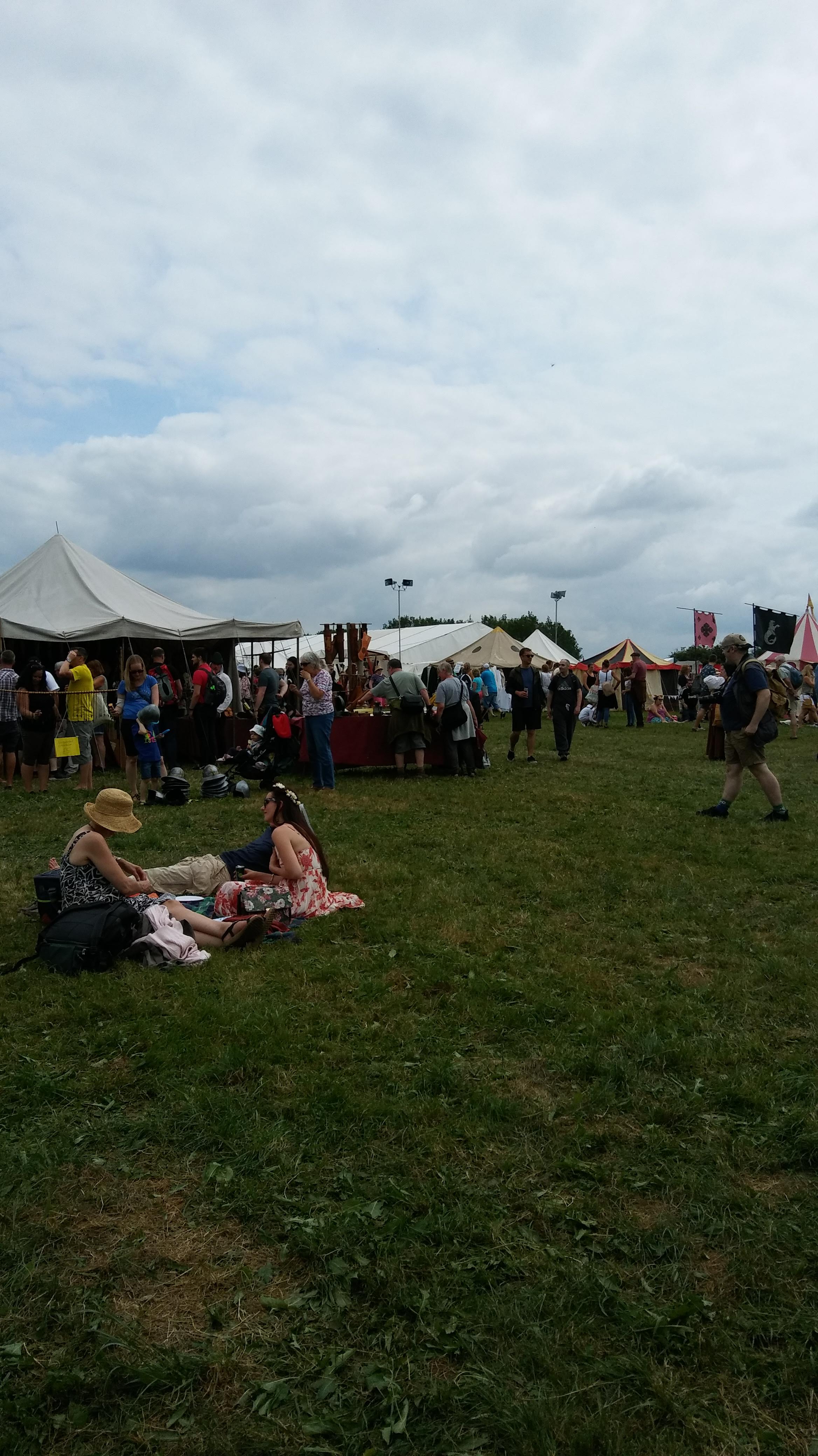
This is only a very small section of the Tewkesbury Medieval Fair

This is only a small section of the Tewkesbury Medieval Festival. Image by Allison Symes

A beautiful place to kneel and pray inside the Abbey

A beautiful place to pray in Tewkesbury Abbey. Image by Allison Symes

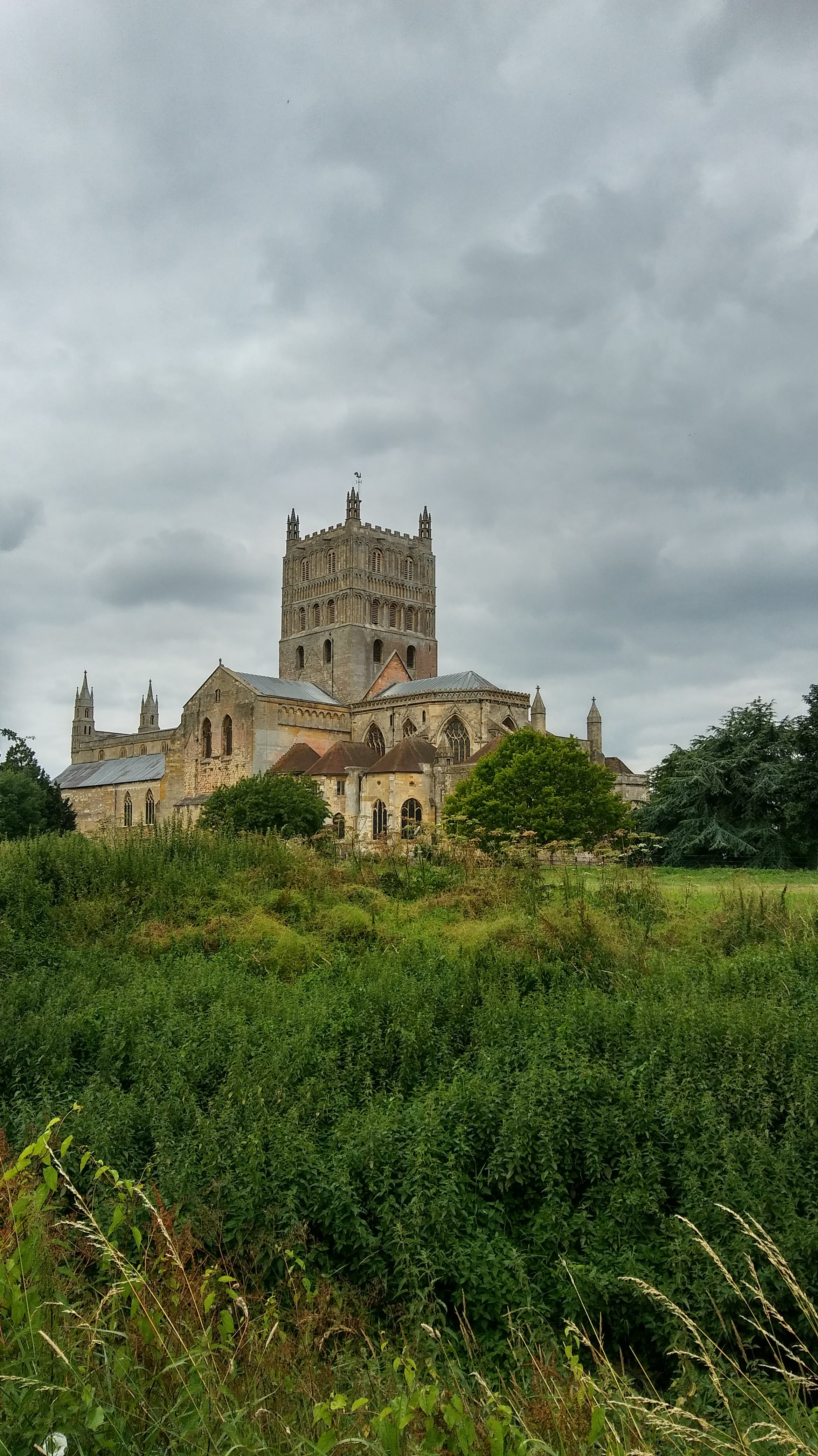
Tewkesbury Abbey

Tewkesbury Abbey. Image by Allison Symes

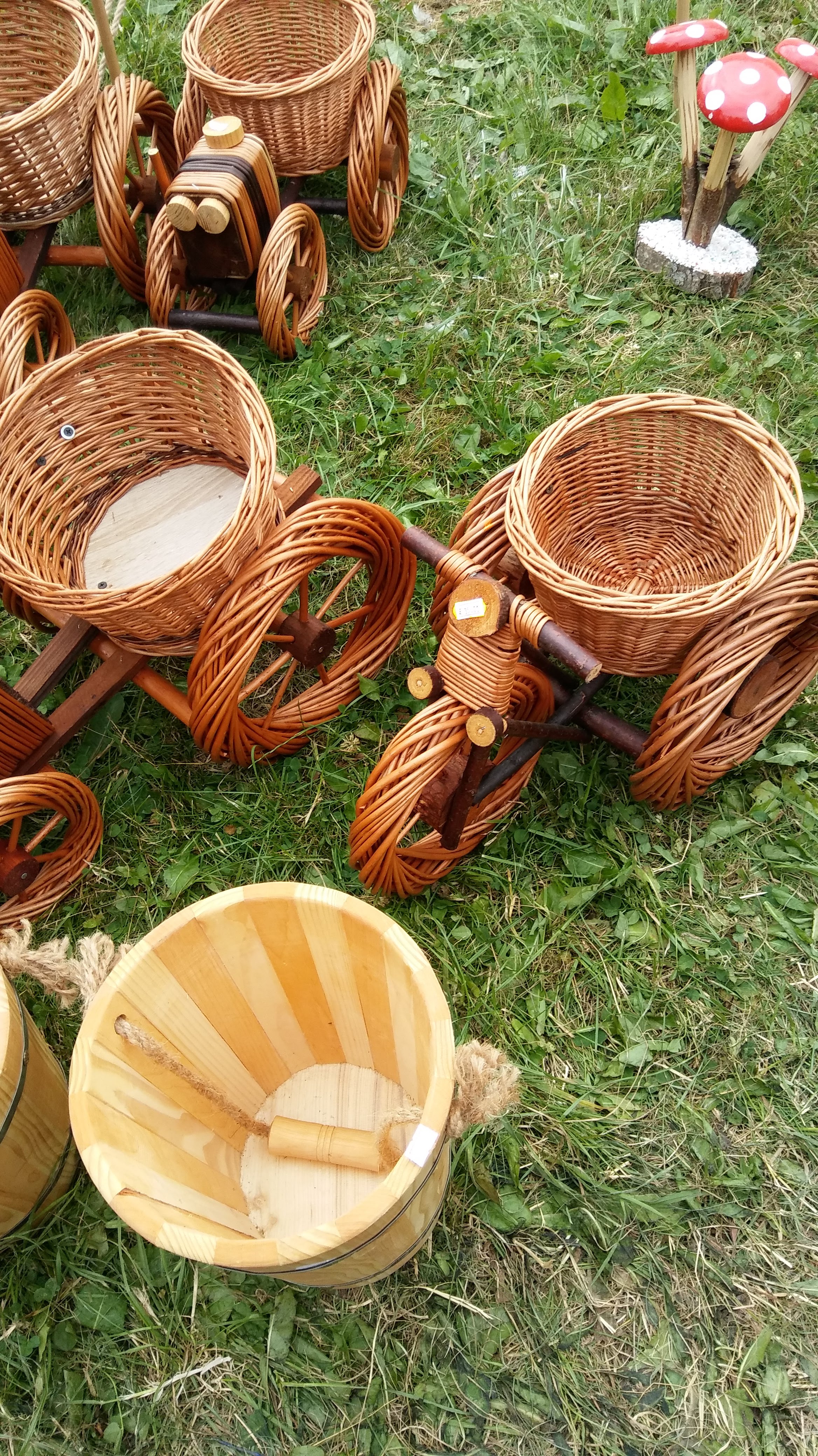
TF 2019 - Have never seen basketwork like this before

Incredible basket and weaving work was part of the Festival. Image by Allison Symes

I was amazed at the range of stalls at the Tewkesbury Medieval Fair yesterday. I didn’t get to cover them all either! There really was everything from longbows (including a pink one which I presume is meant for the ladies – hmmm… I’ve never been a pink type of girl anyway. I preferred the dark red ones. Before you ask, no I didn’t get one. Lugging that home on the Great Western Railway would not have been fun!).

What was lovely though was:-

a. Seeing the Richard III Society stand and having a lovely chat with the lady running it.

b. Meeting Alex Marchant of Grant Me the Carving of His Name, an anthology of stories with Richard III at the heart of them. This anthology has a story by #JenWilson in it and the book is raising funds for the Scilosis Society (and apologies if I spelt that wrong!). Alex’s YA book Order of the White Boar was on sale too.

I’m always going to love having a good nose around author stalls at events like this and yesterday was no exception! (It is also lovely to meet face to face people you “meet” on Facebook the rest of the year).

There was also a storytelling tent (aimed at children) but that ties in beautifully with the theme of oral storytelling traditions, which I’ve written about before.

Today has been spent recovering from a lot of walking (it is amazing how much you do walk around for events like this) and anticipating next year’s event!

Does going to events like this inspire story/article ideas? Yes, they can do and have done for me. It’ll be fun to find out what comes from this visit in that department.

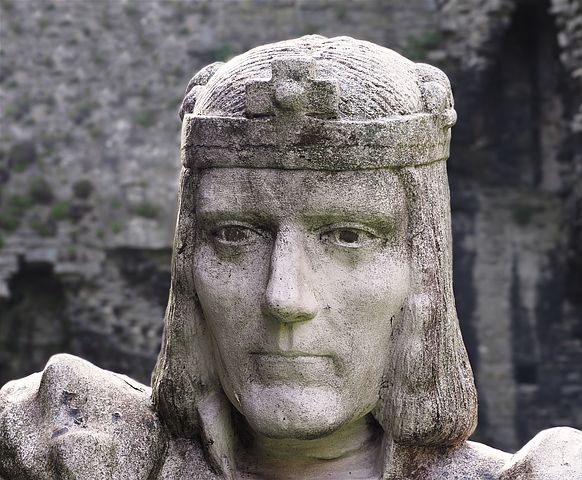
Richard III - one document found by George Buck led to a reassessment of the king

Richard III. Pixabay.

Old documents reveal so much about our history including the writer's bias - Pixabay

Old documents can shed light on so much (lots of stories to be found here). Pixabay

Currently in power cut mode. Thank goodness for a smartphone and mobile data! Apparently someone went through the electric cables so SSE engineers now out working to fix things.

Much as I loved my Tewkesbury visit at the weekend, I am so glad I live now and not in mediaeval times. I appreciate literacy. The likelihood of my having any back then would be extremely remote. My best chance of any would be to be of high birth but I just know I’d be of peasant stock.

How many stories have there been of those rebelling against their “allotted” pace and role in life? How many lives have been changed due to being literate in a way their ancestors would envy?

Pictures are all from the magnificent Tewkesbury Abbey and taken by me.

This slideshow requires JavaScript.

What are the key ingredients to a story, regardless of its length?

1. Strong characters (strong in that they are memorable to readers. Readers don’t necessarily need to like them though).

2. A crisis (or series of them) that must be resolved (not necessarily well or happily) and usually involving great personal cost to the lead character.

3. A good pace as the crisis develops. Readers need to have the “must find out what happens next” reaction to what you have written.

4. A satisfactory conclusion, but again it doesn’t necessarily have to be a happy one.

Strong characters don’t have to be strong in the conventional sense. A character who is weak, backstabbing, treacherous etc can still be a strong one in that their actions will be crucial to your story and readers will remember them. (And if any fellow fans of Richard III are NOT instantly thinking of Lord Stanley here, I would be most surprised!).

Facebook – From Light to Dark and Back Again

The A to Z of Flash Fiction Writing Tips by Allison Symes

How about an A to Z of flash fiction writing tips? I’ll be holding my breath seeing what I come up with for Q as well but here goes…

A – Alliteration in your titles can make them memorable. (Examples from me are Telling the Time and The Truth, though I haven’t consciously singled out the letter T for alliteration usage, honest!).

B – Backstory. Not a lot of room for this in flash fiction but what you can do is hint at it and leave readers to fill in the rest.

C – Characters. Couldn’t really be anything else. Characters drive the story, regardless of its length. It will be the characters readers remember and either love or love to loathe.

D – Dialogue. Again not a lot of room in flash fiction so keep it to the point. For any story dialogue has to earn its place by moving the story on or revealing information the reader needs to know (and it can be both). This is even more important in flash fiction.

E – Episodes. Yes, you can write linked flash fiction where either one character features in more than one story or they are referred to in another tale. I didn’t do this in From Light to Dark and Back Again but have played with this in my third flash fiction collection (currently in draft form) and it is good fun.

This slideshow requires JavaScript.

So on to the next section of my A to Z of Flash Fiction Writing Tips.

F – Flexibility – I do see this as one of the great strengths of flash fiction. As it has to be character led for impact in as short a space as possible, you can have fun setting that character wherever and whenever you wish. Talking of which…

G – Genre – Have fun mixing up the genres for your flash stories. I’ve written in fantasy, historical, crime, and horror to name a few. See what you can do here. Mixing things up keeps you on your toes too, which is great for honing your writing to a particular genre’s requirements.

H – Humour – Flash fiction can be a great place for witty one-liners. I’ve sometimes ended stories this way as they can double up as a twist ending. You can also start stories this way andxsee where a promising witty character takes you. Enjoy!

I – Imagination – Being restricted to a specific word count shouldn’t restrict your imagination. It should fire it up! Why? Because you have to use your imaginative powers to select words which carry as much weight and have as much impact as possible. You choose what a reader has to know and what they can work out. Just what are the telling details that matter?

J – Justice – Poetic justice stories work well in flash fiction as the best of these go for maximum impact and that is best “concentrated”. You don’t want that kind of story dragging as it will lose its effectiveness.

More tomorrow but meantime a flash story tying in with my visit to the Battle of Tewkesbury Re-enactment.

Cut Down

I saw the standard bearer fall. I really thought my master had done it. Victory had to be ours…

But no… Master was cut down, betrayed.

My regret? Not taking the chance to cut down Lord Stanley. Without his command to switch sides, my master would still be here and not slung naked over the back of a horse.

Ends

Allison Symes – 13th July 2019

This slideshow requires JavaScript.

So more on the A to Z of Flash Fiction Writing Tips then and we start with K.

K – Knaves. Unless you write to the top end of flash fiction, there isn’t often the room for an out and out battle between good and evil in your stories. But what can be fun is writing a story from the knave’s viewpoint and working out why they are committing the acts they are (or are about to do) and how they justify doing so to themselves. Yes, you can do that in 100 words! (My Getting It Right is an example of this kind of story).

L – Lively Lines. I love writing dialogue but unless it moves a story on in some way, it has no purpose. In flash especially, dialogue between two characters will take up a lot of your word count. Now you might not worry about that, especially if you’re writing an all-dialogue type tale, but I’ve found instead of using dialogue, showing up a character’s attitudes via internal thoughts saves on the word count. I can still give them good lines too. They’re just not spoken out loud, that’s all, but the reader still picks up what the character is like etc and, I think, more directly too.

M – Monologue. I’ve always thought these work best when they are kept short. And so can they work in flash fiction? Oh yes. I write a lot of flash tales from within the viewpoint of one character only so it is as if they are monologuing to a reader. My Telling the Time is just one example of this.

N – Narrative Voice. Has got to be strong. Has got to make an impact. This is another reason why I like to get into the head of one character and write directly from that viewpoint. I can only use one narrative voice doing this and the impact is strong as a result of that. This is why it is a good idea not to have too many characters in flash fiction. It’s not just about the word count.

O – Originality. Is it possible when it has been said there are only a few basic plots? Yes. It is how you treat your characters and the voice you give them that makes your stories unique to you. Use the flexibility of flash fiction to help you here. You might prefer to write just funny flashes or crime ones or what have you (or mix them up, as I do) but play to your strengths and originality will come from that. You will develop your niche.

This slideshow requires JavaScript.

Moving on with the next section of my A to Z of Flash Fiction Writing Tips.

P – Pace. Despite the reduced word count, pace is still vital in terms of getting it right for the story. I’ve read and written fast and thoughtful pieces. The important thing is you need to know what pace will be best before you start and hit the ground running with it. Using character thoughts is a great way in here.

Q – Quirky. Flash fiction is a good vehicle for work that defies categories. It has to be character led and you can make your characters as quirky as you like. Have fun here, I do!

R – Reading. Crucial for a writer isthe willingness to read widely in and out of genre. Flash fiction comes in novella form, as well as collections, so explore the form. See what you like to read and it may well be it is what you like to write too.

S – Story. It’s all about the story and that is down to the strength or otherwise of your characters. Look for the impact your story has on you. Is it memorable to you after time away from it?

T – Tension. This will be more intense in flash tales as you have less set up and calm down again time. I think of this as that moment in the spotlight where everything is focussed on one point. Helps with pace a lot! So work out where the tension should be and play up to it. Don’t let your characters off the hook.

U – Universe. Your flash tale is its own universe. Is it somewhere you yourself would want to be? Why? If not, why? Whatever your answer is you need to convey that to your reader.

More tomorrow..

And finally to the last section on my A to Z of Flash Fiction Writing Tips. I start with a tricky letter (to place in Scrabble at times anyway!).

V – Variety. One of the joys of flash fiction is it is so easy to mix up your genres here so do so and have fun with it! It has to be character led so set your character where and when you want. I’ve written historical flash fiction pieces, crime ones, horror stories etc so mix up what you do here. It’ll be fun for you and some of that fun at least will come through in what you write to a reader.

W – Word Count. Had to be really. Don’t forget flash is quite flexible here. It has so many sub-divisions there is bound to be at least one which suits you. Play around with your writing and see where you tend to favour most. I tend to write up to about 500 words mostly, with the occasional longer piece.

X – Xerox! Am I cheating here? Well, maybe. What I mean here is it is good to read what has gone before but don’t copy it directly. Use the flexibility of flash fiction to create marvellous, inventive characters of your own. Read widely to see what characters you love reading about. Can you write a character who would bring out the same reaction in another reader? Look at how and why the character who appeals to you achieves that. You want to “xerox” the technique, not the actual writing or characters.

Y – Yardstick. Think about how you judge what a successful story is. Is it one that has been published? Yes, it can be, but you will have come across published stories that simply don’t work for you. The trick here of course is to make sure none of YOUR stories do that! (Again look at why a story didn’t grip you and look at how you can avoid doing that in your own writing). For me the yardstick is am I proud of the story? Could I make it better? The answers should be yes and no!

Z – Zips. This is what your story should be doing – zipping along with great characters and pace and keeping your readers gripped. Easier said than done? Frankly, yes, but it is worth striving for. A story that zips along and entertains is always going to be of interest to an editor somewhere.

This slideshow requires JavaScript.

Goodreads Author Blog Storytelling

I love taking in stories via reading, of course, but also have a very soft spot for the oral storytelling tradition. We owe our oldest tales to that tradition, but there is something wonderful about being told a story.

Whether it brings back happy memories of being read to as a child, or of great jokes told as a story, if you get the chance to go to Open Prose and/or Poetry Nights, do go. As well as supporting those taking part, you are helping to keep this fantastic heritage going.

I always loved the Ronnie Corbett monologues in The Two Ronnies. The ultimate in shaggy dog tales, I think, though I also love the My Word collection by the equally much missed Frank Muir and Denis Norden. I didn’t hear the radio series on which these are based, but if you love puns, do look them up.

Stories on radio and audio books are the modern oral storytelling methods, I guess. What would Chaucer or Shakespeare made of those?!

This slideshow requires JavaScript.


SELF-CENSORSHIP AND JUDGEMENT

I concede the above title is not the most fun one I have ever invented but I hope my thoughts in my Fairytales with Bite (judgement) and This World and Others (self-censorship) prove useful.

FAIRYTALES WITH BITE

All writers sit in judgement on themselves.  Sounds harsh but it is true.  We have to judge what is relevant for our stories and articles etc so we can edit efficiently and well.

The thought of judgement came up for this post partly as a result of Part 2 of my Chandler’s Ford Today interview with Gill James.  This does look at censorship, including the self-imposed variety, as we continue to discuss writing historical fiction and its joys and woes.  (One great joy, which is also a woe, is being tempted to use all of that lovely research which was needed to write the book but, if it were included, would weigh said book down and put readers off with far too much information). I also talk more about this issue on my This World and Others site.

This question of judgement is a strange one for writers.  In many ways we are the worst people to do it.  Why?  I think it fair to say most writers swing between thinking everything we write is total rubbish or, conversely, is a work of genius and not one word must be cut!

The truth, as with most things, is somewhere in the middle!  Yes, you’ve got good work here but it does need at least one damned good edit to get rid of what your reader doesn’t really need to know to enjoy and get the most out of the story/article.  The judgement is in working out what is needed to be known and what isn’t.  This is where that phrase “never be afraid to kill your darlings” comes in.  Everything has to be relevant to the story.  Everything has to move it on in some way.  Whatever is not doing either of those things (and ideally both) is what comes out.

I’ve also found I have to put work away for a while before being able to read it again with a less prejudiced eye.  I try to read what I’ve written, after said suitable gap, as if I was the reader, as if I’d NOT written it and I ask myself questions as I go through the piece (mainly is this relevant?  Do I need to know this?  Would the story sag without this information etc etc?  What do I make of the characters now I am reading their story in the cold light of day so to speak?).

It has taken me a while to realise I cannot judge my story or article immediately.  I really must put it away for a bit but it does mean when I return to it, I can wear my editor’s hat comfortably and get on with what I know needs to be done:  getting rid of the rubbish I wrote in that first draft!


Fill that blank sheet with ideas from non-fiction as well as other fiction works - image via Pixabay

The start of the process, though no writing is complete without at least one good edit.  Image via Pixabay.


Well, what is your story - image via Pixabay

Being able to judge what is relevant to your story/article is vital.  Image via Pixabay.


THIS WORLD AND OTHERS

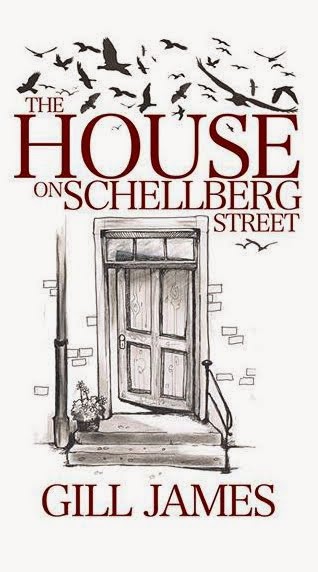
Part of my interview with Gill James on Chandler’s Ford Today for this week looks at the issue of censorship, including the self-imposed variety. Is there ever a case for doing this?  I think so – and I recommend a read of the interview so you can see what Gill thinks about it.  Her experience of writing historical fiction is based on writing her book The House on Schellberg Street, which is set in Germany throughout World War Two, so censorship would have been an issue for her characters and something they had to work with.

In many ways, any writer who edits their work (and I would hope that is all of us!) self-censors.  We look at the way we originally wrote a piece, realise we can write it with stronger words and so on and cut out the deadwood.  We deliberately make choices as to what remains.  Also we have to work out what our reader really does need to know about our characters to get the most out of the story.  I can’t think of any fiction writer who, preparing biographies for their characters (whether detailed or a simpler outline), puts every single thing into their stories!  They would become top-heavy with information for a start.  As for word count restrictions forget it, you’d never meet them if every single thing you created went into your finished piece.

The important thing, I feel, is whether writing non-fiction or fiction, is to ask yourself if the information is relevant to the reader?  If you left the information out, would the article or story still stand?  If the answer to that is no, then the information goes in and stays in!

18frontcoverTHoSS

Cover of The House on Schellberg Street.  Image supplied by Gill James.  Working in historical fiction will mean dealing with censorship, especially if writing about an era where it is prevalent.

One thing that has been true throughout history is the need for a good edit! Image via Pixabay

Editing immediately means accepting you are self-censoring to a certain extent, yet without it your story will be weaker. Image via Pixabay

CHANDLER’S FORD TODAY/FACEBOOK – GENERAL

Part 2 of my interview with Gill James looks at the issue of censorship.  Gill also shares her joys and woes when it comes to writing historical fiction and also offers some very useful tips for writers new to the genre. I hope to be writing more “writing in other genres” posts for CFT later in the year, including crime and ghost stories.  Will post more details when I have them.


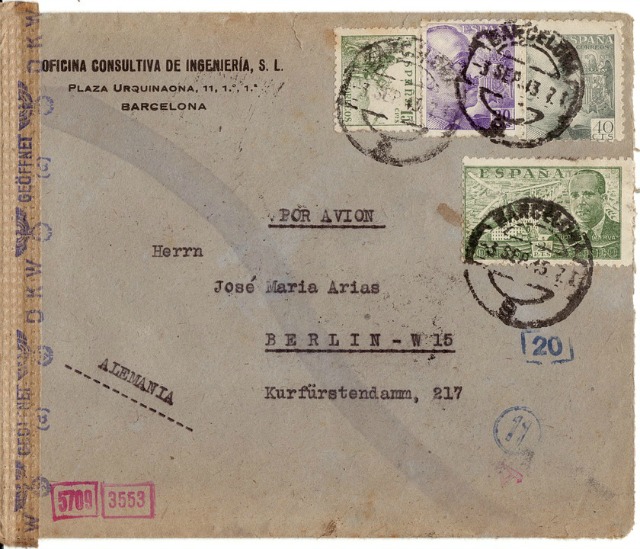
Note the dates on the postmarks - clear censorship - image via Pixabay

Note the dates on the envelope, clear indications of censorship.  Image via Pixabay.


FACEBOOK – FROM LIGHT TO DARK AND BACK AGAIN

I share some thoughts on competitions and whether titles count as part of a word count limit in tonight’s post.

https://www.facebook.com/plugins/post.php?href=https%3A%2F%2Fwww.facebook.com%2Ffairytaleladyallisonsymes%2Fposts%2F612259645829514&width=500


Copyright (never enter a competition asking you to give away ALL rights) - image via Pixabay

Never enter a competition which asks you to sign over ALL your rights. If in doubt seek advice from writers’ groups, the Society of Authors etc.  Image via Pixabay.


WHAT FASCINATES ME ABOUT GENRE FICTION

What I Find Fascinating about Genre Fiction

What I find fascinating about the different genres in fiction are the different ways in which they appeal to different people.

Why is crime always such a big seller? People want to see justice done, are fascinated by what makes others turn to crime, have become a fan of the detective or whoever is the hero of the novel they’re reading and wants to read the latest adventure and also to solve the puzzle that the crime story sets. (Of course, most readers have more than one reason for loving a certain type of story. I know I do).

As for historical fiction, for me, the big appeal is looking at viewpoints you might not have thought about before and also to work out what could have happened in situations where there is no definite conclusion. (What actually happened to the Princes in the Tower is the obvious one here. Were they killed? Were they smuggled out of the country? Why was Henry VII so worried about Perkin Warbeck? You can have lots of fun writing books that try to answer questions like that. You don’t need to be right even. What you do need to be is accurate with the proven history and make a good case for the solution you are coming up with).

So what do you like to read and why? (I love to read outside my normal genre for writing in, which is healthy, I think).

Writer at work. Image via Pixabay.

Writer at work. Image via Pixabay.

Chandler’s Ford Today

My comments above tie in nicely with this week’s Chandler’s Ford Today post where I interview Gill James about her historical fiction, The House on Schellberg Street.  More details tomorrow.

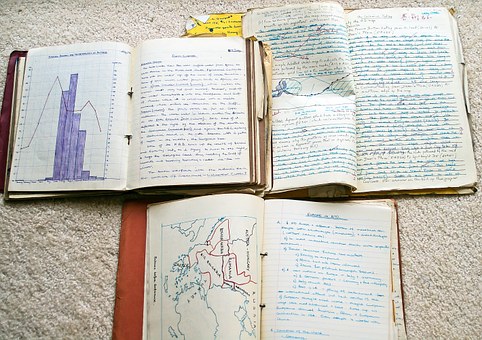
Personal history can often be found in things like old exercise books, which in turn reveal things about political history and how much people knew at the time.  Image via Pixabay.

Personal history can often be found in things like old exercise books, which in turn reveal things about political history and how much people knew at the time. Image via Pixabay.

From Light to Dark and Back Again – Reviews

Many thanks to all who have left reviews for From Light to Dark and Back Again (Kindle or paperback versions). One example is below but all are much appreciated.

Feedback, negative or positive, is vital for any writer. We learn from mistakes. We learn we can’t please all of the people all of the time! It is also confirmation you are reaching out to readers (hopefully in a good way).

What you can glean from reviews is the general consensus, which can be incredibly useful in thinking about who your Ideal Reader is likely to be, which in turn helps you to write more effectively for that mythical creation.

I wrote a piece a while ago about book reviews (and why they matter) on Chandler’s Ford Today.  I share the link here.  See what you think.  The great thing with a review is it doesn’t have to be long but does give at least one clear reason as to why you liked something or didn’t.  Help an author – review them!


“This is a quirky collection of flash fiction: from malevolent fairies to gritty contemporary dramas and bite-size funny stories. I like the way Allison is playful with words and gives a fresh slant to traditional tales. A very enjoyable read.”

FromLightToDark_medium-2