A BUNCH OF AMATEURS, THE MAGIC OF THEATRE, AND NON-FICTION

Facebook – General – and Chandler’s Ford Today

It’s a joy to review the plays performed by The Chameleon Theatre Group as there is always a good mix of shows put on during the course of a year. I’ve watched pantos, tragedies, and comedies. Each review I do for CFT on these means having a look at the background of the play and/or the writers of it and I always learn something.

It’s a great way of taking in stories that are new to you: go and see them acted on stage!

A Bunch of Amateurs is written by Ian Hislop and Nick Newman.  The plot hinges on a local theatre company, the Stratford Players, desperately trying to save their theatre so bringing in a fading American star, Jefferson Steel, to get sponsorship and bring in the punters seems such a good idea….   You know the phrase “famous last words”?  Well, that applies here!

Image Credit:  All images below are kindly supplied by Lionel Elliott and the Chameleon Theatre Group and used with permission.  Many thanks to them.


This slideshow requires JavaScript.

Facebook – From Light to Dark and Back Again

I was watching a Dr Who episode tonight (Peter Capaldi) and a phrase “stories are where memories go” caught my attention. Mind, it many ways it should do!

What memories of a character could you turn into a flash fiction piece (or longer)? Can you write a story where a character is led astray by mistaken or deliberately falsified memories (and why would someone do that)? Have you got another character who uses memories as weapons against others and how do they do this? What do they gain? How are they stopped, assuming that they are?

There are some good stories to be written out of memories, that’s for sure! (And the great thing is you can create the memories to write about in first place. The lovely thing about fiction is it should be rooted in truth to ring true to your readers, but it doesn’t actually have to be true, otherwise we’d have little in the way of sci-fi or fantasy!).

This slideshow requires JavaScript.

Fairytales with Bite – The Magic of the Theatre

My latest CFT post is a review of A Bunch of Amateurs (written by Ian Hislop and Nick Newman), which was recently performed by the Chameleon Theatre Group.  It was a great play, brilliantly performed.  But it led me to thinking:-

1.  Going to the theatre is a great way of taking in stories!

2.  In your fictional world(s), how do your characters take in stories?  Do they read?  Do they have theatres/cinemas etc?  What would they watch/read?

3.  When you go to a performance like this, you go in knowing you are seeing a “pretence” but being willing to suspend disbelief.  You focus on wanting to see how the story ends and enjoy the performances taking you to that point.  The challenge for writers is hooking our readers quickly enough at the start of the story to achieve the same effect for the length of the tale, whether it is a flash piece or a trilogy of novels!  So face the challenge!  The key is in creating characters readers will want to follow through anything.

Happy writing!

This World and Others – Why Non-Fiction Matters to Fiction Writers

I’ve written about this in a post for Chandler’s Ford Today (Fiction -v- Non-Fiction? No Contest!) a while ago, but it is a topic close to my pen so thought I’d bring it up again here.  Why does reading non-fiction matter to fiction writers then?

1.  If you are writing material which means you need to world build, finding out how this world works/has worked/has made blunderingly colossial historical mistakes/created some fascinating engineering etc can directly inspire you for how your fictional world carries out these things.  (Sometimes it can be the direct opposite of how we’ve done it but you need to know how we did it first to be able to do that!).

2.  Ideas spark off other ideas and non-fiction is full of them.  What did make an inventor come up with their revolutionary new designs?  What made them come up with a new system for, say, transport when nobody else had realised a need for it?  There are ideas for characters here too…

3.  When anyone comes up with something new, there will be opposition.  Sometimes it’s justified, sometimes not.  How does your hero/heroine overcome that?  Or if they are the ones behind the opposition, do they achieve their objective?

Plenty of story triggers there!

This slideshow requires JavaScript.


Judgement Day

Chandler’s Ford Today

My latest post is called Judgement Day and talks about reviews and critiques.  It is NOT a comment on the blood moon tonight (Friday 27th July 2018)!

Feature Image - Judgement Day.docx

Alwyas a good iea! Pixabay imag.

What good judging should be and that includes for reviews etc

What every review should be. Pixabay image,

Facebook – General

Am looking forward to writing my review of A Bunch of Amateurs, which the local Chameleon Theatre Group performed tonight. Ironically, this week’s CFT post from me talks about reviewing and critiques so will feed beautifully into my play review!

Confession time: these things are NOT always planned! (They mostly are of course but not in this case).

Also delighted the Chameleons have quoted excerpts from some of my reviews (and also those of Ben Williams also of CFT) in their programme. All helps build up the profile.

This slideshow requires JavaScript.

Have you ever been to any kind of reunion? Did it work well or were you only too glad to get out of there?! I’m pleased to say the reunions I’ve been too have been jolly affairs but the thought occurred to me that you could use reunions to test your characters’ mettle. What WOULD happen when your characters go to this kind of event?

Their reactions will tell the readers so much more about them (especially if you show, for example, agitation by getting your character to walk around and around his lawn in the middle of the night, something he wouldn’t do normally).

Can reunions have unexpected consequences? Someone hears something they weren’t supposed to and reacts badly to it? Equally the dynamics between relationships resurrected (no matter how briefly) can lead to both comic and tragic writing. What would you plump for?

Had to smile. Facebook, bless them, have just invited me to add myself to the “Allison Symes team”!! Ahem… there is a team of 1 here – me! Not sure how I can join myself (and I’m not after suggestions!). 😁

My CFT post this week is called Judgement Day – no links to the blood moon were intended, honestly! I talk about judgement for writers in terms of reviews and critiques. I also share some hints and tips about what to expect from a critique you send off for, as well as advice on writing reviews.

This will tie in nicely with my post for next week when I’ll be reviewing a local theatre production!


Facebook – From Light to Dark and Back Again

Regardless of your writing format, it is the killer line that stands out. I’ve been watching a play, What a Bunch of Amateurs, tonight at our local theatre group’s hall (more to come on this on CFT in due course) and there were many laugh out loud lines. Enjoyed by all of course.

How can you make your lines stand out?

They have to be something the audience wasn’t expecting. The funny moments often come, in films at least, when the audience is caught off balance.

The lead character has got to have strong appeal to the readers OR have a good reason for acting the way they are. Their dialogue should show something of who they are. A good character grips the reader and won’t let go!

Flash may be this odd fiction’s name
But rushing it is not the game.
You still need to edit and craft
No-one publishes that first draft.
The one comfort I know is true
Is Shakespeare had to rewrite too!

Allison Symes – 26th July 2018


This slideshow requires JavaScript.

The great thing with using well known sayings for your flash fiction titles is you can “twist these”. For example we all know what is meant by the phrase “pressing the flesh” but I take quite a different approach to it with my story of the same name without losing its appropriateness.

I also love “open” titles such as My Life, The Outcome, and Expecting. There are so many different directions those titles could take the reader – they’re unlikely to guess them all!

I have to have a title to begin writing a story, even if I end up changing it. I don’t change titles that often but sometimes as I write, something better comes to mind. Something that has a stronger twist or can keep the reader guessing in a better way – if that comes up as I write, I switch to it. I want the title to have a strong impact on the reader, as well as the rest of the story.

After all, the title works “harder” in a flash fiction story as due to the limited word count, you can convey a lot of information through that so I’ve found I want to make the most of it.

Goodreads Author Blog – How Influential are Book Titles for You?

When writing my own stories, I must have a title to help me get started, even if I change it later on. I am very fond of “open” titles where I could go in several directions with it. It helps to keep the reader guessing!

With books, I want a title to intrigue me enough to make me want to go on to read the blurb and maybe then the first paragraph or two. I then want to read the book to see if it lives up to the promise given by that title and the blurb.

But I never buy a book on the strength of its title alone. I see the role of a title is to “get me through the door” so I look at the book in more detail in the first place.

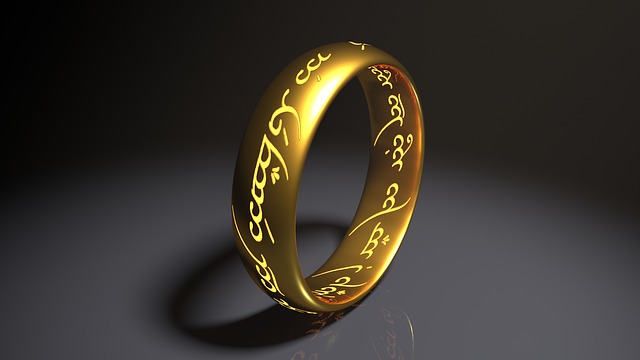
Some of my favourite titles include The Lord of the Rings (don’t you just want to know who the Lord is?), The ABC Murders (how can the alphabet be relevant to a crime), and The Lion, the Witch and the Wardrobe (got to find out where they all come into a story, yes?).

What are your favourite book titles and why?

Fairytales with Bite – Finding Titles

I’ve got a theme rolling on titles this week, thanks to my latest Goodreads blog, which asks How Influential are Book Titles for You?

My CFT post has one of those titles which tie in with an event!  There is a blood moon tonight and my post is called Judgement Day!  I hadn’t planned that, honestly, but I like the idea of the link!  The actual post is about judging for writers, especially in terms of reviews and critiques.  I also share some hints and tips.

How do you find titles for your stories?  I use a mixture of proverbs, well known sayings, as well as phrases used frequently.  I like open titles where I could go in a number of directions – there are several examples of this in my From Light to Dark and Back Again.  For example:  The Outcome and Expecting.  Expecting what?  The outcome of what?  The whole idea, of course, is that the reader will want to find out so they read the stories.

The rest of the story has got to follow through on the promise an intriguing title gives its reader.  So it’s no good thinking up the best title in the world only for the story itself to let it down.  People remember that!

Also, never be afraid to change the title if you feel it is not quite strong enough or just doesn’t feel right for the story.  I don’t often change mine but when I do, it is always because a better, stronger title has popped into my head.  Sometimes you need to start writing the story to find out what the real title is.

Happy writing!

This World and Others – Titles

It is appropriate that I have a simple title for this post!

My latest Goodreads blog asks How Influential are Book Titles for You? and the idea for this post sprang from that.

Firstly, do books as we know them exist on your fictional world?  If yes, but not as we would recognise them, what form do they take?  Can everyone read or is that the right of a privileged few?  Is reading encouraged or considered dangerous?

Secondly, does your fictional society confer titles on those that have served it well?  Is the system a monarchy or republic and how would that affect titles given?  Again, are titles only given to those from the “right background” (and what would that background be?).

Thirdly, how is land title passed on?  Can anyone own property (and what form does it take)?  How does selling land/property or bequeathing it work in your world?  Do you have a system where the government automatically takes a certain percentage of the value of the property as its “inheritance tax”?

Last but not least, I love titles which are open and give me plenty of possibilities to work with.  This is a good example of that!

Author News

Just to say I now have an author page on Book Bub.  Many thanks to Wendy H Jones for putting me on to this.  You need to sign in to be able to see the page but the site is free and they send you details of books on special offer etc.

Frustrating Things about Writing

Facebook – General

What do you find is the most frustrating thing about writing?

Rejections?

That lovely moment when you think you’ve got a corker of an idea but you go to write it down and it suddenly evaporates?

Being interrupted when you’ve got going nicely and you know you will have to come back later and find you can’t quite get into your rhythm again?

All of them, I hear you cry! I know. It is difficult to choose from this particular shortlist.

Rejections – I take some comfort from the fact EVERY writer has them, it really isn’t just you or me for that matter. But hopefully you can learn and improve on what you do with each one. Also just because a piece is rejected somewhere, it doesn’t mean it can’t be accepted elsewhere. So keep trying, keep going!

Ideas Disappearing – it happens. Write down what you can. Then think laterally. I sometimes use a spider diagram. Sometimes I get the idea I had initially back, other times I think of something better. Win, win there either way!

Interruptions – On the plus side, whoever you are prepared to drop your writing for must be pretty important to you so treasure them! I carve out blocks of time for my writing and, unless there is a dire emergency, I stick to those. I’ve found it helps to be consistent with this. It also helps to show loved ones what I’ve produced in this time, publication credits when I get them etc so they can see the point of what I’m doing that way. It helps lessen the risk of any “non urgent” interruptions!

One of the highlights of my writing year is rapidly approaching – the Swanwick Writers’ Summer School. Brochure arrived yesterday.

I think I know what courses I’m going to be doing – I went through the programme when it was put up on the website (I know, I know, girly swot!). Having said that, the brochure gives me the perfect chance to change my mind again and then again and then… well you get the picture!

Looking forward to catching up with old friends and making new ones! Pictures below taken by me – The Hayes is a stunning place to be.

How can you tell when a story idea really is something you should run with?

When the idea haunts you, basically.

When you start writing the idea down and more ideas flood in as you do so.

I’ve only had a couple of ideas where, on outlining, I found I couldn’t expand them further to create a story. All that promise and nothing… bah humbug!

So does it pay to outline? Definitely. Can save a lot of time.

As for outlining flash fiction, I keep this brief, aptly. Character is X, major trait is Y, how is latter going to help or hinder X?

I often find that a flash story can go in a couple of different directions and then it is down to what mood I want to go for. A humorous story is when X’s major trait hinders, causes trouble etc – there is a lot of comic potential there.

A more sombre story shows the major trait hindering X but they are not necessarily aware of it. What X sees as persistence, all those around them see as stubborness and X being an awkward so and so.

But a good idea gives you that potential to go in different directions.

This slideshow requires JavaScript.

Looking forward to seeing the latest production by local theatre group, The Chameleons, tomorrow night. Will be writing more about it for CFT later but my lovely editor, Janet Williams, is also going so I think I can classify this as the nearest thing CFT has to a “works’ outing”!

My CFT post this week will be looking at what to look for in a good review/critique. I also share some tips – link to go up on Friday.

The local wildflower meadow I wrote about for last week’s CFT post is still going strong I’m glad to say. This is totally unlike the grass in the park, our lawn, and most of our plants. I’ve also noticed the trees have started to shed leaves. Really wouldn’t mind some rain now… and talking of the weather, it has been mad here today. It was hotter at 8 am than it was at lunchtime and hotter still at about 5/6 pm!

This is not in my genre at all but I guess there is room for climate change fiction!! (And practically all of it will be based on facts…).

Facebook – From Light to Dark and Back Again

I don’t set out to write fiction with a “purpose” other than hopefully to be entertaining. I’m all for books that can educate, open readers’ eyes to new worlds etc etc. but there is absolutely nothing wrong in wanting to write stories which make people smile/laugh/scream as appropriate and be for sheer entertainment only.

I’ve never understood why some can look down on genre fiction due to its easy accessibility to readers. You want people to read, yes? Fine, let them get on with that. Maybe people will move on to “more worthy” books later when they are ready but if not, they will still be reading, which is always a good thing.

(And writing to entertain can be easier said than done anyway! Now back to the writing… oh and the first one you have to entertain IS you. If you don’t like it, why should anyone else?}

When is the right time to start a new flash fiction book? Directly after you’ve finished the last one and sent it off to the publisher!

Am making good progress on my third collection. Am planning to make even more progress on it while I’m at Swanwick. I also plan to revisit my unpublished novel (as I would like to change the status on that one!!).

So plenty to do and no chance of getting bored – good, bring in on, say I!

Should you be able to guess the ending of a story, regardless of length?

I must admit one of the joys of reading for me is to try to work out where the story will head. It is great when I’m right. It is even better when I’m not! I like a really good story twist that takes me by surprise yet when I go back through the tale find that the clues to it were there all along.

When I write my twist endings, I nearly always reject the first idea that comes to me. Why? Because inevitably the first idea that occurs is the same one that will occur to most other people too! There is no fun to be had in guessing the ending there!

I do write that first idea down though, despite knowing I inevitably won’t use it. Why? I’ve found the very act of writing it down helps generate other, better, stronger ideas. I find it easier to come up with something when paper and ink are involved somewhere in the process rather than just think it all up. I suppose in a way in drafting ideas like that I am kind of giving myself permission to “play about” with the thoughts that have occurred to me. Whatever the deep down reason, all I know is that it works!

In flash fiction you don’t have room for many characters but you can “infer” some to compensate for that. I do this by revealing what my lead character thinks of X even if X never makes it into the story itself. This also reveals my lead character’s attitude to X and can show how likely it is my lead gets on with others (or not. I can think of quite a few of my “people” I wouldn’t get on with but the great thing is I don’t have to like them to write about them!!).

Another way of showing another character yet without them taking up precious word count room is to have the story written as a letter, diary etc. I use the letter format in my You Never Know where my lead character’s attitude to who they’re writing to is all too apparent! It is also clear they are irked by the attitude of the unseen character.

I love being able to imply things with stories like this. I’ve never been that keen on stories where the author spells everything out. I like putting two and two together for myself and if the writer can send me up a false trail, well done them!


Goodreads Author Programme – Blog – Book Covers

I think everyone does judge a book by its cover. How else can you do so? You need something to draw you in initially and that is the cover’s job.

I like a cover to be appropriate for whatever it is I’m reading and, ironically for a writer, I want the picture to do most of the work.

I’ve sometimes given opinions on book covers before the books concerned are published and the ones with lots of text merely look cluttered. Far from giving me more to read on the cover, too much text here switches me off.

Where I do want the text is on the back for the blurb. Have you ever read a book, enticed by the blurb and cover, but the story fails to deliver on its promise? I think most of us have and you just feel let down. (All writers beware here!)

The great thing here though is that despite the cover and blurb being really important, it is STILL the story that matters most of all. And what we are all after is a story that entertains, educates, keeps us gripped to the final page and so on.

This slideshow requires JavaScript.


Finding Story Ideas, Getting Out and About, and Myths and Legends

Another nice mixed bag!

Facebook – and Chandler’s Ford Today

It is nice with my CFT posts to take a little time out now and again to write a more reflective article. I do so this week with my Out and About – Summer 2018 article. And getting out and about with the dog gives me not only the fresh air and exercise but a chat to talk with other dog owners.

From a writing viewpoint, the break is good for the little grey cells and that, I think, is the main benefit. The nice thing is the break you take doesn’t have to be expensive and can be right on your doorstep. But refreshing yourself in this kind of way is of value to your physical and mental health and that has to feed into your writing in a positive way.

You can also think about things like: how would your characters take a much needed break? Where would they go? What would they do? How does it help them face up to their “quest”? All good details, which even if you don’t put them directly in your story, will help you know more about your people and, as a result, write about them much more effectively.

Facebook – From Light to Dark and Back Again

Flash fiction stories can be great for those moments in a character’s life which are defining but which in themselves are not enough to make a full length 2000-word story.

You can also use punchlines for an effective ending. My The Mint with a Hole and Little Packages are examples of this (and the first one uses a well known advertising slogan from many moons ago as its title as well).

But as with any kind of story, you have to hook your readers and reel them in! Happy writing!

This slideshow requires JavaScript.

Fairytales with Bite – Finding Story Ideas

I know I’ve talked about this topic before but it is one of those timeless ones and always useful.  I was looking through my From Light to Dark and Back Again and I would list the inspiration/themes for the stories in here as coming from:-

1. Fantasia by Walt Disney
2. My loathing of hunting increasingly rare animals for “sport”.  There’s a strong poetic justice theme here!
3. The Tooth Fairy not being as nice as perhaps traditionally thought.  (An idea to take and run with, possibly run away from if you are likely to require her services!).
4. Revenge.
5. The Sword in the Stone/King Arthur
6. Transformation/the idea someone could be a magical being and we’d never know.
7. Santa Claus and the idea that government inspectorates get everywhere!

And that’s just the first few stories in the book!

So you can use your favourite films/music etc as ideas to get you started.  With regard to bringing in your personal dislikes, don’t rant!  My story here, A Kind of Hell, shows my not so nice character getting their comeuppance but there’s no anti-hunting rare animals rant here.  It is all implied.  Less is definitely more.

As for my fairytale inspirations, it has long been established that fairy folk are not always that nice, a theme so many writers have used, but it is a rich seam for stories and highly unlikely to run dry any time soon!  Happy writing!

This World and Others – Myths and Legends

One aspect of world building to consider is to work out what your world would have for its cherished myths and legends. Who are its heroes/heroines? How did they earn this honour? Does everyone respect them or is their reputation controversial? Are the stories written down or is your world based on an oral tradition of story telling (and how accurate is that)?

Are the heroes/heroines from centuries before your story starts or are they in your current tale and you hint at their back story? How are myths and legends reported by your world’s media/historical societies/officialdom (which can also include religious officialdom)?

How does your hero/heroine cope with being a living legend? (Would make it awkward to go to the shops at times I would have thought! Now I’m being a little flippant here but you get the point. Your characters would have difficulties most would never face to enjoy any semblance of a normal life at all so how do they overcome all that or come to terms with it?).

Hope you find some wonderful story ideas here.

This slideshow requires JavaScript.


Guest Blogging and Facebook Author Page Likes

Many thanks to Val Penny for hosting a spot from me on her book reviews site.  More in a moment on that…

Facebook – General

Many thanks to Val Penny for hosting me on her book reviews site. It was huge fun to write! Hope you enjoy reading. I chat about my flash fiction (and what I love about flash fiction in general) and Chandler’s Ford Today

Looking forward to catching up with Val at Swanwick next month!

This slideshow requires JavaScript.

My CFT post is very close to home this week. There are some lovely places to walk in my area, whether I’m with the dog or not, and I share some of those, along with some gorgeous pics of a wildflower meadow. Link up tomorrow.

I don’t tend to think about stories etc while out and about. I’m too busy (a) watching out for what Lady is doing or sniffing (!) and (b) appreciating the local fauna and flora.

The benefit from the writing point of view is having that break away from the desk or household chores (or both) and coming back tired but refreshed. (Lady sees to the tired bit, she comes home and sleeps during the afternoon, lucky girl!).

Many thanks to all who have liked my author page. It is lovely to have 50 of you on board now, thanks to you all!

thank you text on black and brown board

Indeed! Image via Pexels

beautiful beautiful flowers bouquet color

And you can also say it with flowers! No hayfever either! Image via Pexels

Facebook – From Light to Dark and Back Again

Always nice to guest blog so many thanks to Val Penny for hosting me today.

I suppose in a way flash fiction and blogging are good “bedfellows” since you’ve got to watch the word count with both of them! For flash, you’ve got room for usually one character. For blogging, it pays to stick to one topic per post. (Ironically with my Word Press site, I can’t really do that as it is meant to be a round up of what I write where, but for things like this post, it pays to stick to one theme).

Have you got a favourite theme for your stories? Was it one that emerged naturally as you wrote or did you plan it from the start? There are a lot of poetic justice stories in From Light to Dark and Back Again. In my case, the theme emerged.

How about you? Comments welcome.

I love the flexibility of flash fiction. There is some flexibility with word count, ironically. I’ve often found what I thought might be a 100-word story works better as a 500-word one, but that’s fine.

You can be flexible with genre of the specific tale. I’ve written historical fiction as flash fiction, likewise fantasy, crime, light horror, ghost stories etc.

You can also go back or forward in time. Your characters can be human or other worldly. You can write in first or third person. (I do both, though not in the same story!). You can write dialogue alone, though I think all stories, regardless of type, work best with a mixture of narrative and conversation/thoughts.

Flash fiction is a style of writing to have a lot of fun with!

This slideshow requires JavaScript.


WRITING NIGGLES, CONFERENCES AND A REVIEW OF THE FAIR

Facebook – General – and Chandler’s Ford Today

I take a look back at the recent Hursley Park Book Fair for this week’s CFT post.

There are many things non-writer friends/family can do to support the writer in their life and one is to go to their events and show some moral support. Trust me, it is appreciated!

The biggest nightmare for all writers is being at an event where nobody turns up.

Helping to distribute flyers etc is also something that will go down well with your writer. (And plentiful supplies of tea/coffee/chocolate etc though in fairness those go down well with practically everyone!).

This slideshow requires JavaScript.

Managed to get caught in some rain while walking the dog this evening. Came home to find it hadn’t rained here at all. Better half and I had only gone a couple of miles up the road to one of our favourite walks! Talk about localised weather… (it was also ironic that, for once, I had hoped for more rain).

On to writing niggles then….

How to Irritate a Writer Part 10001….. (I may be exaggerating)

1. Tell them you like books but much prefer films. (Grrrr….)

2. Tell them you think books are expensive. (Double Grrrr… – books are relatively cheap when you consider you can read them over and over. A really good book will make you want to have repeat reads. It’s exactly like revisiting an old friend).

3. Tell them you think the paperback is on its way out. (If by this time the writer has refrained from throwing something at you, count your blessings for you have done very well).

4. Ask the writer of How to Irritate a Writer Part 10001 where the other 10000 posts are on the topic!😉

5. Tell them you’ll wait until they hit bestseller status and then you might get a copy of their book. They want to know it is really popular first. The writer by this time is using every inch of self control they’ve got not to grab the nearest bit of 4 x 2 and hit you with it….

6. Tell them you can’t possibly leave a review for them, they’re not well known enough. It is almost certainly a waste of breath telling such like that everyone has to start somewhere and reviews help everybody, no matter where they are on their writing journey.

7. Tell them you think notebooks and pens are outdated. Surely everyone writes to screen these days. The writer by this time is already thinking of the perfect crime story where an irritating “friend” is done to death by an angry author and have already made plans for dumping the body. There may be wistful thoughts as to why they can’t do this for real….

My fellow writers, feel free to add your own thoughts here!


My CFT post this week will be a review of the Hursley Park Book Fair from a couple of weeks ago. Link to go up on Friday.

And to all my fellow authors taking part in festivals etc, hope they all go well.

Am looking forward to Swanwick Writers’ Summer School in mid-August. Always good fun. Lovely to catch up with friends who for the rest of the year I’m in contact with via Facebook etc.

I remember being dreadfully nervous going to my first writing conference years ago (and set on the lovely Isle of Wight – and run by Felicity Fair Thompson.  It was great to catch up with her again at the recent Hursley Park Book Fair.). The nerves went when I realised networking was talking about something I absolutely love (writing and, associated with it, reading).

Also it is easy to get a conversation going with a writer – ask them what they’re writing! They in turn should ask you and before you know it, you are chatting away as if you’ve known each other all your lives. And that is how it should be.

Facebook – From Light to Dark and Back Again

What do you like to see in a good flash fiction story? Some of my thoughts include:-

1. The story has to be the right length. Whether that’s 100, 250, or 500 words, it has got to be appropriate and right to that particular story. You want the reader to feel that nothing else could be added to the story, nor could there be anything taken away.

2. A strong lead character. Without that any flash fiction piece falls flat. The great thing is that strength can come in different forms – physical strength, mental strength etc. How your character shows their inner strength is up to you but it has to be there somewhere. Else why are they the lead?

3. There has to be a good ending (though not necessarily a happy one). The story has to “follow through”. Okay, sometimes that will be a twist ending, sometimes it can be a character coming to a conclusion about what they’ve just done or have been through. But the ending has to be right for all that has come before it.

The big challenge of flash is not so much the word count but having a complete story which has a proper beginning, middle and end in that word count limit. It is too easy to just write “truncated prose” but that does not come across as a proper story and rightly so. It can leave your reader feeling cheated.

At the end of a flash piece, your reader must not be left wondering where the rest of the story is! You want them thinking the story could not have ended any other way. I see flash as short, sharp looks into a character’s life. Look, write down what you see, and stop there.

What do I look for in flash fiction, whether I’m reading or writing it?

I look for a strong character and an ending I don’t see coming but which is entirely appropriate for the story.

I do enjoy playing “guess the ending”, sometimes I’m right, more often I’m not, and I always like that.

This is where I find writing the ending first can be helpful. If I’ve got something that makes a powerful impact which is what I want my readers to finish with, then I’ll work backwards from that point to see how the story could start. I find it a useful technique.

When I brainstorm ideas for new flash fiction, I’ll sometimes come up with something that will make the perfect ending, so leave it at that. I will be looking for what “threads” could come from what I’ve written and if it seems to be linear, then I’ll write the story in the traditional way from start to end.

But it doesn’t always work like that. The threads can sometimes lead away from what I’ve written back to a start point and that’s generally when I know I’ve got something that will make a wonderful ending to the story. I know enough now to NOT force something to be a start when it really isn’t suitable for that.

I also think it a good thing to mix up how I write here. It helps keep things “fresh” for me as a writer, and that will hopefully show through in the stories.

Fairytales with Bite – Fairytale Themes

If you’re looking for themes for your stories, analyse some fairytales and ideas will leap out at you!

After all, what is the theme of Cinderella?  Never giving up?  Justice will “out” in the end?  Whatever you think the theme is, you can use that for your stories.

Themes such as anti-bullying emerge from stories like The Ugly Duckling.  (Also beauty is only skin deep and transformation is always possible!  Lots of themes from this one).

The lovely thing is that the themes from fairytales are timeless.  It is one major reason we still love these old stories.  They still resonate.  I think they always will.  They reflect on our nature.  There will always be jealousy (Snow White), a need for sensible building materials (The Three Little Pigs!), and  greed (Goldilocks – I always have sympathised with the three bears here). That is to name just a few examples.

And there’s nothing to stop you combining themes either.  After all your lead character may have the virtues of, say, Puss in Boots and the villain the qualities of The Big Bad Wolf.  Set up the conflict and away you go!

Generating the writing ideas maybe - image via Pixabay

Generating the writing ideas. Image via Pixabay.

Lost in a good book - image via Pixabay

Lost in a good book. Image via Pixabay.

Books create their own sense of space - image via Pixabay

Books have their own sense of time and space. Image via Pixabay.

Books are wonderful whatever their format - image via Pixabay

Books are fabulous, whatever the format. Image via Pixabay.

CLARITY POST - Editing is vital to help you be as clear as possible - image via Pixabay - Copy

Editing – the crucial part to getting a story right. Image via Pixabay.

Books can be one major key to knowledge - image via Pixabay

Books are the keys to knowledge. Image via Pixabay

Printers would have fun trying to print this - image via Pixabay

Let the ideas flow and let journeys encourage that! Image via Pixabay

Use review questions to find out more about your characters, image via Pixabay

Use personal reviews to help you generate character and story outlines. Image via Pixabay.

Creation is good for us, image via Pixabay

Well, let’s do so by writing lots of stories! Image via Pixabay.

This World and Others – Character Virtues -v- Vices

I thought I’d list a few character virtues and vices to look at how these can be used in storytelling.

Patience/Impatience
Patience doesn’t always come across well in fiction. Much as I love Little Women, I did find the very patient Beth to be a little too much of a goody goody for my tastes.  I think patience translates better when it is shown as a character actively trying to seek a goal, is at a point where they need to wait for a very good reason before taking further action, and that they do so.  There is a point to the patience then.  It is also an “active patience”, an act of will.  I find I want to read to find out if they CAN see that patience out and have the reward for doing so.

Impatience, of course, can be shown as a character’s weak point, causing them more problems than they needed to have (which adds to the conflicts and drama of the story).  Sometimes impatience can be used more positively in that it can be the trigger for change.  Someone is impatient with the lack of education, say, in their village and actively seeks to change that.  Again, the impatience at the status quo here can be a good catalyst for the story.  There are bound to be those who want the status quo continued.  Is there a reason why they don’t want the villagers to be educated?

Calmness/Anger
Calmness I think is easier to show in a story as there are always characters who are needed to calm other characters down and make them see sense.  What effect would that have on the tale?  If they failed to calm the other one down, what would the consequences be?  Keeping calm can be a crucial need in a thriller where that virtue gives the character time to think, time to work out a way of escape etc.  (Less likely to think of this if the character is panicking, getting worked up etc).

Anger can be shown as a character’s downfall – their temper alienates anyone who might help them.  It can be used to show a character’s sense of justice.  (You’ve got to question why anyone wouldn’t be angry at abuse, violence etc).  It can also be shown as part of a character’s development.  At the start of the story they’re hotheaded, at the end they’ve learned to temper their temper, so to speak.

This slideshow requires JavaScript.


Getting Into Character

Facebook – General

I’ve been catching up with some concerts recorded a while back and I finished watching the John Williams Prom today.

Fab music and what is so telling is that in everything he has ever composed, it is clear he has entered the head of the character he has chosen to focus on and come up with the music that would suit them. This is especially true for Indiana Jones and Jaws!

Much as I adore the music, story wise, I’m very fond of only one of those… I leave it to you to guess which one!

But there is an object lesson here: know your characters, REALLY know your characters, if you want to write “for” them well.

This slideshow requires JavaScript.

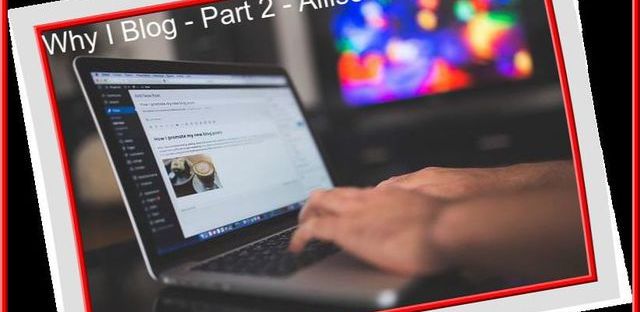
Many thanks, once again, to all the fab writers who shared their thoughts on my recent Why I Blog posts for Chandler’s Ford Today. I find blogging, including on posts like this, wonderful for getting me “into” my writing sessions.

I love the freedom blogging gives but have found it helps to have one major topic. In my case that’s writing of course, but all sorts of things can come off that – such as the importance of reading, editing tips and so on.

The rules I generally follow for blogging include:-

1. Keep it simple. Not in terms of content but in terms of expression. Bullet points for headlines, expand later in the text.

2. Stick to a word count. For CFT I stick to 1500 words absolute max (and it’s usually nearer 1200). More than that, such as the Why I Blog pieces, I split into two or more parts. For the monthly ACW blog, it’s up to 500 words. (I love the discipline of writing to different word counts like this. It makes me “up my game”. It is far easier to write “long” than short).

3. Think of who you are writing for and go for topics which people will find useful, interesting, or would be happy to comment on. The best topics of course combine all of those!

And now on to my other blogs before I turn to fiction for this evening…

The start of another sweltering week in deepest, darkest Hampshire sees me cracking on with more flash fiction for my current WIP. Am happy with how that is going but would like to submit more work as well, so that’s my next mini target.

I’m a little ahead of the game when it comes to my CFT posts (and would like that happy state of affairs to continue). My next post will be a review of the recent Hursley Park Book Fair. More details later in the week.

I’m also drafting some non-time dependent blog posts that I can slot into different places as and when I need them. I must do this more often as it’s useful having material to hand for those on holiday times, down with the dreaded lurgy times, having too good a time at Swanwick Writers’ Summer School time etc etc. I love being able to schedule!

Somewhat cooler today, much pleasanter… Lady appreciated it too.

What is your chief reason for writing? For me, it is a mixture of wanting to share my stories and non-fiction AND wanting to do something positive with that wonderful treasure called literacy, which is so easy to take for granted.

I think most people have some sort of artistic “bent”. It is a question of whether they recognise it or not, and whether they try to develop it or not. Rejections are a pain, especially when there seems to be no “real” reason for them, but you are at least getting work out there. You are being creative.

And every time you try to develop your skills further, you (a) learn and (b) that in turn will help improve your chances of success. The great irony is that success can come after learning to deal with rejections.

The rejections do make you look at your work again and, especially after a gap between sending it out and getting the bad news, it is easier to take a fresher look at your story. Where you see room for improvement, do the necessary work and resubmit elsewhere. Where you really can’t see what you could do better, see if there are other markets which may be interested and submit there, following their guidelines.

Above all, keep writing. Be open to different forms of writing and enjoy what you do!


Facebook – From Light to Dark and Back Again

I like to give my characters a “matter of fact” tone to them. I think it makes their portrayal more realistic and, as a reader, I love to find out what characters like these end up doing.

Why? Because characters who are “matter of fact” can end up clashing with those who do not appreciate their honest approach to life. That is where the conflict is, and therefore where the story is too.

I also need to convince readers to stay with my characters so giving them a tone many will identify with is another way of encouraging people to read on.

I like to get into my stories “hitting the ground running” so to speak. One of the best ways I find of doing this is by getting into the lead character’s head quickly and showing their thoughts and attitudes.

The great thing with this is that it doesn’t necessarily mean the character has to be likeable and generate the readers’ sympathy. All any potential reader has to be able to do is see where the character is coming from. It doesn’t mean you have to like the journey this character is on!

Having said that, the truly great characters will spark a reaction in readers, whether it is a good reaction or not. Sometimes a character’s attitude will encourage the reader to keep reading to see if they can get away with said attitude or will the character be brought to earth crashing. I love reading stories like that.

This slideshow requires JavaScript.

As well as writing flash fiction, I’m thoroughly enjoying reading it. It is a very simple way of ensuring I get to read contemporary fiction (and in my genre) and it is lovely to have my reader’s hat on and just enjoy the stories. It reminds me of why I wanted to write flash in the first place and you kind of end up falling in love with the genre all over again.

I think the biggest thing for me has to be the fact flash has to be character led but you can set that character in any time, place, or world you choose. There is so much freedom there despite the demands of the tight word count.

Sometimes I will start a flash fiction piece but realise, usually fairly quickly, that this character is going to “run” and the story will end up be standard competition length (1500 to 2000 words generally). That’s fine and it is a joy to write to that length of story too.

However, the reverse is true sometimes too. What I think would make a good competition entry story really is best written as a flash story. There is one pivotal moment, which is entertaining enough, but if you were to add more, it would (a) spoil it and (b) be obvious padding.

So when writing I’ve found it to keep an open mine and judge what the story needs (which is not always what I think it will be!).

The ever useful post it note - image via Pixabay

The ever useful post-it note. Image via Pixabay.

Part 5 - Keeping the language simple and above all clear

No room for gobbledygook here. Image via Pixabay.

The fantastic world of books must include non-fiction too - image via Pixabay

The wonderful world of writing should include non-fiction, which benefits from creative techniques too. Image via Pixabay.

Time to find a new place to call home perhaps - what stories could that lead to - image via Pixabay

Time to have another home perhaps? Good stories to be had here! Image via Pixabay

Feature Image - Facts and Fiction - image via Pixabay

What writing triggers will help you create your new worlds? Image via Pixabay

A familiar desk scene for writers - image via Pixabay

The familiar sight of the writing desk, regardless of genre! Image via Pixabay.

Good historical fiction will make it seem as if you had stepped back in time - image via Pixabay

Could this picture inspire stories? Good fiction will take you out of the world for a while. Image via Pixabay.

20171202_134855

A great selection of books. Image by Allison Symes

My book stand at the Discovery Centre

Enjoy what you write and read! Image by Allison Symes

Laptops - all have a global reach - image via Pixabay

Reviews can have global reach. Most impact I think can often be local to the writer.

Goodreads Author Programme – Blog – What Makes a Character Work for You?

In all of the best stories I’ve read, certain things have to be true about the characters.

1. They’ve got to be interesting in some way, whether it is by being so different to these around them it is bound to grab your attention, or they do something which goes against what is expected of them. You immediately want to know why and what the consequences are. Result! You read on…

2. They have to have flaws and virtues and, above all, understandable reasons for acting the way they are. It doesn’t mean you have to agree or like them.

3. Personal one here – I’m particularly fond of the underdog. I like to see if they can “win out”. Fairytales of course feature a lot of these (and they do win!) so that fuels my love of this one.

4. They have to overcome adversity in some way, whether that is a major one (or is only major to them).

5. They have to develop in some way over the course of the story or novel and by the end, even if not successful in their aim which is driving the story, have come to a better understanding of themselves and the world they live in. The reader can see they’ve changed for the better.


WHY I BLOG (PART 2) AND WHAT YOUR FICTIONAL WORLD NEEDS

Facebook – General – and Chandler’s Ford Today

Many thanks to all of my guest writers for sharing their thoughts on my CFT Why I Blog two part series. Part 2 is up on site now – do see the link. It has been fascinating from my viewpoint to read the different takes on this. Comments, as ever, are very welcome in the CFT comments box.

Facebook – From Light to Dark and Back Again

Am planning to catch up on my flash fiction writing this weekend. Most of the week has been a non-fiction “fest” for me (not that I’m complaining. I’ve come to love non-fiction in a way I never anticipated. For one thing, I’d never anticipated writing it at all when I started out as a writer!).

For my current WIP, I’ve been trying out historical flash fiction – i.e. stories told from the viewpoint of a certain historical character. Good fun to do and another way of getting into the heads of characters, which is something I love doing.

I love finding out what makes my characters tick and to do this to someone who lived and died centuries before makes me look at why they acted the way they are known to have done. It also gives me a very good excuse to read my history books again – I really can call it research here. Not that I really need an excuse to read such books.

In cases where there is speculation as to what happened because nobody really knows, then I can have some fun suggesting what might have occurred or coming up with a viewpoint the character might have held.

Fairytales With Bite – What Fairytales Reveal

One reason I love fairytales is for their honesty.  They call evil exactly that and have done with it.  Fairytales are very revealing about human nature (and the pictures they portray via words are not always flattering).

For example, Cinderella is realistic in the portrayal of the stepmother and her daughters and their ill treatment of Cinders.  Resentment, dislike, hatred even of anything not connected to blood kin does happen and more often than perhaps we would care to admit.

Then there’s the topic of pride and what that can lead to when unchecked.  Go to Snow White’s stepmother for the tips there!  Pride/vanity can and has led to people trying to destroy those better than themselves (and sometimes succeeding, sadly).

As for unrequited love, The Little Mermaid could tell you all about that.  Anyone who has ever been a victim of bullying because they look different would sympathise with The Ugly Duckling. 

A thought occurred to me recently as a result of a discussion I was having on Facebook about the left behind disabled child in The Pied Piper of Hamelin.  It was asked whether we felt the child felt left out or had had a lucky escape.  Opinion was pretty much split down the middle, I fall into the child feeling left out camp, but it occurred to me that Hans Christen Andersen was ahead of his time here in recognising the disabled can and do often feel left out and was highlighting that.  Sadly, still relevant.  I would like to think one day it wouldn’t be because we leave that “leaving out” state behind us.

In the meantime, I think we need, and will always need, the blunt honesty of fairytales showing up what we can be like.

This slideshow requires JavaScript.

This World and Others – What Your Fictional World Needs

A lot will depend on the scale of your story obviously.  (One advantage of flash fiction is you need less!  One advantage of novels is you can build your own world in a reasonable amount of detail).  But I think for most situations your fictional world will need:-

1.  A sense of what the world is like.  In my flash fiction stories in From Light to Dark and Back Again, I only have the word count to give a fleeting impression, which is fine.  It is just that the fleeting impression has to be strong enough to register with your reader.  With a longer story, of course, you can show more but do beware of showing anything that is not absolutely critical to your tale.  You don’t want to “info dump”.  Just show your readers what they need to make sense of your story, whether that is one line, one page or what have you.

2.  What your character is like.  This is best shown in their actions, reactions, dialogue and thoughts.  In my flash tale, The Outcome, I don’t go into a physical description of Becram, my alien lead, but I do show you his attitude!  And for this 100-word story, that is enough.

3.  A sense of how the world is run.  For my unpublished novel (hope to be working to change that soon, watch this space!), I do show how the government is run.  Terry Pratchett in his Discworld series worked out how Ankh-Morpork could operate based on how people got rid of their waste and then how the city was governed grew out of that.  You need to pick a place to start to work out to yourself first and foremost how things would work.  Then it is a question of working out just what your reader needs to know and which is just for you to enable you to write the story.

4.  How needs are met.  This can be done lightly.  Again in my The Outcome, a few words indicate Becram comes from a highly technological society (so you can imply from that the basics such as food and drink supplies really are not a problem!).

5.  Problems!  It may sound ironic, but there is no such thing as a perfect world for real, yet alone in fiction, so give it problems it has to try to resolve.  For example, does your world get on well with its neighbours?  If not, why not?  Is it your world’s fault or theirs?  Have there been attempts to resolve the issues here?


Finding a Fresh Angle, Blogging and Adjusting Your Reading

Well, there’s a nice mixed bag of topics for you.  Plus I will share my top 10 tips for helping the writer in your life.  (Fellow writers, you can always drop a lot of hints to non-writing friends based on my list!).

Facebook – General

When you’ve had a website or a blog for a while, it pays from time to time to go back into your older posts and have another look. I do this a few times a year and inevitably I can think of a fresh angle on the topic I’ve pulled out of the archives to have a look at. Hey presto – a new post!

Some other ways to generate ideas for fresh posts include:-

1. Think about what irks you most about writing and why. Share! You won’t be alone. (My biggest bug bear? Never having as much time to write as I’d like. Answer: Just make the most of the time I do have!). You can share tips about how you overcome these bugbears or how to minimise their impact.

2. Think about why you started writing in the first place. Think about where you are now with your writing. Be encouraged by how far you’ve come but again this topic is great for being able to share what you’ve learned on your own writing journey.

3. Think about your favourite writers and stories and why you love these. Share your thoughts and invite comments. Briefly, I love the works of Terry Pratchett, Jane Austen, and P.G. Wodehouse (now there’s a combo if ever there was one!).

4. Share writing advice that you’ve found helpful and equally that which has not been relevant for you. Other writers will find this really useful.

5. What would you have found most helpful to know when you were starting out as a writer that you only found out much later on? Share!

Above all, have fun writing your posts. My CFT post this week will be Part 2 of Why I Blog. I’ll share the links later in the week but finding out what other writers have to say on a topic is (a) fascinating and (b) you learn so much yourself.

My CFT post this week will be Part 2 of Why I Blog. Many thanks again to all the fab writers for taking part in both parts of this. Lots of interesting insights and proof people really do blog for all kinds of reasons. More on Friday when I’ll put the link up.

Will be reviewing the recent Hursley Park Book Fair soon too. Good fun, lots of footfall, a very promising start to what I hope will be an annual event.

And Swanwick Writers’ Summer School draws ever closer too!


Do you adjust your reading according to the seasons?

The nearest I get to it is that I make sure I read or listen to Terry Pratchett’s Reaper Man around September time and his Hogfather in the run up to Christmas. (I also sneak in either reading or watching A Christmas Carol during December – the Muppet version is my favourite!).

I suppose summer is associated with “light” reading to match the longer, lighter days, but I don’t change my reading much here. I am still reading history (and historical fiction), flash fiction, short stories, novels across the genres etc. What affects my reading choice more is mood.

As for writing, well it’s always a case of “game on” for my flash fiction and blog posts!

This slideshow requires JavaScript.

Facebook – From Light to Dark and Back Again

I think every flash story has to contain an element of surprise for it to engage the reader. Okay, you may well see where the author is going but isn’t the fun to be had there in finding out whether you are right or not?

That is what keeps me reading when I think I’ve guessed ahead correctly (and sometimes I’m right, sometimes the author twists the tale again and fools me. I like both of those options!).

Having said all that, it doesn’t mean the surprise has to be a nice one, far from it!

What should come through in your flash fiction pieces above all else is what makes your character tick. There is usually room for 1, maybe 2 characters, at most and their attitude should come through clearly. The attitude doesn’t need to be a “nice” one but it should be one readers can understand and, as they read on, see why the character has developed this.

As ever, it is the telling detail that matters here. For example, in The Outcome, the opening line is “I’m pleased to be wrong about my misgivings”. The attitude here is of a character who is open to the possibility of being wrong and being willing to admit it. Of course you then hopefully want to find out what they were wrong about! But it is that hook, the attitude of the character, which draws you in, I think.

Top ten tips to help the writer in your life:-

1. Buy their books!

2. Review said books. Doesn’t have to be a long review but must be honest.

3. Go to their book events to show support. Trust me, it is appreciated and, as a certain supermarket would say, every little bit helps.

4. Always get them nice notebooks and pens. The idea that any writer could ever have enough of these is just plain wrong! From your point of view, you’ll never be stuck for present ideas for your writer friend ever again. Win, win here.

5. If you are a computer whizz and can act as technical support, fantastic! You’ll save them a small fortune. No doubt your grateful friend will put you in their next book and not as a character to be killed off horribly either.

6. Plentiful supplies of tea/coffee/chocolate/other treats generally go down well with said writer. If it lifts their mood because they’ve got bogged down in Chapter 8, it benefits you. Do away with moody-writer-syndrome. Feed them their favourite treats. You know it makes sense.

7. If you really do feel you can’t get your writer friend any more notebooks and YOU feel like getting them something different, go for book vouchers or vouchers towards a writing course/retreat. Will go down well.

8. Accept said friend will often seem to be in a world of their own. That is because they are! Give them time to come back to earth before engaging in conversation. You’ll get more sense out of them for one thing doing that.

9.Never ask where they get their ideas from. You want to stay friends with them, yes? Just trust me on this one. If you insist on asking, don’t blame me if your friend gives you a long lecture on well this idea led to that one, I was inspired by one paragraph in A Christmas Carol, I thought I’d add a twist here and there, etc etc. Your friend should be able to go on at length as to where they get their ideas from. If you get bored, (and you almost certainly will), you only have yourself to blame here.

10. And last but not least, do spread the word about their books. It all helps.

 Goodreads Author Programme – Blog

What do you have in the way of book accessories?

I love bookmarks and those clear plastic stands for displaying books at signings etc. They make such a difference to your presentation.

I also like nice pens with a book logo on them and had some produced to go with my flash fiction collection when that came out. Likewise, a nice spiral notebook with the cover of the book on also went down well as prizes for my launch.

But the ultimate book accessory for me I think is the hardback and jacket! While nothing will diminish my love of the paperback, I do have some wonderful hardbacks, including a Sherlock Holmes collection, where the book itself is simply beautiful (and the contents brilliant! Got to hand it to Conan Doyle…).

I must admit when I do choose a hardback, I tend to have a quick peep to see if the cover has been reproduced on the book or if it is just on the jacket. A lot of the time it is the latter, all to keep costs down, but I have some where the cover has been reproduced on the book itself. Always looks great.

Even with a “plain” cover, a hardback book can be lovely in the way it has been bound etc.

So while the contents of the book are always the most important thing for me, I do enjoy the aesthetics of a lovely tome as well.

This slideshow requires JavaScript.


Why I Blog (and some stories in a sentence!)

An apt title as my main focus in the last few days has been blogging on different sites.  All good fun, hope you enjoy.

Facebook – General – and Chandler’s Ford Today

My latest CFT post is Part 1 of a 2 part series called Why I Blog. Many thanks to my guest writers for sharing their thoughts too.

I blog for a variety of reasons – from marketing to self expression to the fact it is simple and fun to do! Who says you have to have one reason?!

See what you think and do post your comments in the CFT comments box.

This slideshow requires JavaScript.

Looking forward to sharing the Why I Blog post on CFT tomorrow (with part 2 next week). Many thanks to my fellow writers for their thoughts on the topic.

I often use blogging as a warm up “writing exercise” before I tackle my fiction. I suppose I find that useful because blogging is immediate, I can get a few hundred words under my belt fairly quickly, and then I am right into the “zone” so to speak.

My ACW post is due up on site tomorrow as well as the CFT one. Another Goodreads one is due from me soon too. Writing for the different audiences is also useful – it makes you think about your material more and that is never a bad thing.

This slideshow requires JavaScript.

Facebook – From Light to Dark and Back Again

My favourite way of getting started on a new piece of flash fiction is to take a well known saying and see what I can do with it. Sometimes the results are funny, other times the results are much darker, but I find it a great way to start.

I find I need something to “peg” my idea to so must have a title. It also challenges me to ensure my story fits that title but not in a blatantly obvious way, there still has to be room to surprise the reader, and the first reader I have to surprise is me! What I always love is when, as I am writing the story, I can kind of “feel” the tale coming together and I know then that the piece will work. It is then a question of finding the right home for it but that’s another story, so to speak.

I sometimes have fun writing stories in one sentence. Usually I go on to expand these a bit so they become either flash fiction pieces circa the 100 words mark or standard length short stories. However, occasionally, it is fun to leave them as they are. After all, Ernest Hemingway did this with his For Sale: one pair baby shoes.

1. After the latest foul-tasing meat scandal, the dragon decided it was time to go veggie.

2. Jemma knew monsters existed, the monsters knew they existed, so why did everyone else scoff at the idea and then end up eaten by the things?

3. Just for once, the fairy was going to grant her own wish and the authorities could go hang.

Allison Symes – 29th June 2018


Goodreads Author Programme – Blog – What Does Reading Do For You?

Well, what DOES reading do for you?

In my case, it depends on the book. I read for:-

1. Entertainment – whether it makes me laugh, cry or scream.

2. Escapism – nearly always fantasy/fairytales for grown-ups so I enter another world for a while as I read.

3. To learn (especially from non-fiction) – I read a fair amount of history and am currently enjoying London by Peter Ackroyd and Double Cross by Ben Macintyre. Different “storytelling” techniques used here but both brilliant.

4. To relish what I know from past experience is masterly prose – Terry Pratchett, Jane Austen, P.G. Wodehouse for me here.

5. To experience something different from what I usually read and/or write. I like to read in my genre, flash fiction, but it is refreshing to read longer short stories, novels etc.

Reading takes me out of myself and into other places for a while. You see things from other perspectives. You identify with characters, whether you like them or not. Reading makes you think. (No wonder one of the first actions of any dictatorship is to try to limit or ban books and/or journalism).

Reading, like the arts, is good for the soul. It feeds the mind, even if the fare you prefer is lighthearted, humorous, not intended to be taken seriously etc. I do know I feel much poorer in myself during those times when things get in the way of my reading time. When life is stressful, turning to a good book won’t resolve the crisis, but gives you time out from it for a while. Sometimes that is all that is needed. At other times, the break is useful for you.

So happy reading!

More than Writers – Association of Christian Writers blog – Should You Resemble your Characters?

I can think of several colleagues who would take one glance at that question and say “no way”. Some may express that more forcibly!

I can think of several of my own characters whom I would never want to meet in life, yet alone resemble, and for all sorts of reasons.

So why ask? Well, so much depends on the character, doesn’t it? If a character shows grit, determination, honour etc, we probably wouldn’t mind emulating them. If a character shows horrible traits, we’d pass, thank you. How many of us want to be a coward for example?

In outlining our stories, we have to create our “people” based on what we know about human nature and behaviour. We know we need our characters to be believable so that means no goody-goody heroes of whatever gender. It also means no cardboard cut out villains. They’ve got to have some redeeming quality or a motive which is understandable. Often writers do both of course.

Redemption, of course, is possible, as is a good character going astray. What makes us choose which way they go? A wish to show that if this character was us, this is how we’d be? Or do we opt for the choice of this is how the character would be and I wouldn’t be like this in a zillion years?

In creating our characters, we have to be honest in their portrayal (or readers will see straight through it and switch off). So maybe I should have rephrased the question to read do we resemble our characters? I suspect there would be some interesting answers to that!

Truth is stranger than fiction but good fiction can reveal something of what humans are capable of, even if we use fantastical creatures to represent us in some way. Sometimes good fiction can be  prophetic and I am thinking of George Orwell’s 1984 here especially.  Whatever would he have made of social media? I can imagine his harsh criticism of it.

And what is the great thing about honest character portrayal? Simply, I’ve found both as a reader and writer, that honesty comes through, and I am engaged with those characters and their stories as a result. It is, for me, honestly portrayed characters, whether they’re goodies or baddies, that grip me and keep me reading.  I identify with the truth behind their portrayal.

Even in flash fiction, my genre, the moment I have what my character is like outlined, I am away, happily scribbling the story down. After all, if I’m not engaged with my people, why should anyone else be?

So it’s off to write characters that intrigue me then. The great thing is I don’t have to like them, yet alone resemble them. Just as well really. Fiction would suffer without the characters we dislike. Story is conflict and it is the dubious characters that get that conflict going. We need to see the Ebenezer Scrooges before their transformation to be able to appreciate that transformation when it happens. Now just how human is that?!

This slideshow requires JavaScript.

Fairytales with Bite – What Makes a Great Fairytale Character?

A great fairytale character will:-

1.  Be easy to identify with.  I love Tinkerbell in J.M. Barrie’s Peter Pan for “wanting to get at those who didn’t clap” when the children had been told clapping would restore her.  You can just imagine the annoyness and irritation there, can’t you?

2.  Sometimes arouse your pity, other times your anger.  Fairytales are strong on right and wrong (which I think is why kids love them so much.  I remember at a very young age already knowing the world wasn’t fair so stories which put “things to rights” very much appealed).  The Little Mermaid always generates pity in me.  The vileness of the cruel characters in fairytales riles me but all of the characters make you feel something.

3.  Be on some journey or quest and you just HAVE to find out how it goes.  This can be anything from finding out whether Cinderella will go to the ball or not to discovering if Frodo will complete his mission in the right way in The Lord of the Rings.

This World and Others – Populating Your World

How do you populate your fictional worlds?

A lot will depend on genre, of course. (One great reason for loving fantasy and sci-fi is the huge scope for creating your own peoples and civilisations).

However, one fundamental here is that there will be a major people/alien being group and minorities around it. Of course there are a lot of stories to be had in showing how the major group treats the minorities and do they rebel against ill treatment etc? But even where there are no direct clashes on the grounds of racism etc, what do your peoples need to survive and how do they get this? Is there a have and have-not society going on?

You will need the suppliers and the supplied-to. You will need the ruled and the rulers. Different peoples will have specific needs so how does your world cater to those needs? What are the belief systems? Do the peoples share common values/faith etc or not?

And, to add spice to the mix, there will always be those characters who defy their society’s expectations of/for them.

So have fun creating your peoples!