Books, Acrostics, and Writing Regrets

Facebook – General

Hope you enjoy If It’s Too Good To Be True, my latest story on Cafelit. Loved writing it. (Oh and spot the typo! Made me laugh – and I hope the story does too…)

IMPACT - What impact does your story have - Pixabay

Do you have any writing regrets?

My main one is not starting to write seriously earlier than I did. Of course, on starting out, you have no idea how long it can take to get to publication standard. Knowing what I do now, I would’ve started at least five years earlier than I did!

My other regret is not discovering the joys of flash fiction sooner but the point is I have discovered them now!

Whatever writing regrets you might have, the important thing is to enjoy what you write. Go for writing opportunities that suit you. (The worst that can happen is your work is turned down. Then you can revise said work and submit it elsewhere).

B = Brilliant covers draw your attention
O = Original storylines
O = Opening lines entice you into the stories.
K = Kindle – so easy to carry – one device to hold them all!
S = Stunning plots keep you enthralled.

A = Action should keep you riveted to the tale.
R = Read, read, read. It’s what they’re there for!
E = Education? Yes, sometimes, but entertainment too.

F = Fiction or non-fiction? A world of choice!
A = Allegories and fantasies take you into other worlds.
B = Borrow from your library and support them too.
U = Underestimate the importance of characters? Never!
L = Live the lives of the characters through the narrative.
O = Oh my moments should keep you hooked.
U = Underneath the surface: how deep are the characters?
S = Story, story, story.

Well, I think that sums up what I love about books.

This slideshow requires JavaScript.

When did you decide you had to write?

I can’t say there was one particular moment for me. It was just something I’d been building up to doing for a long time (and my only regret is not plucking up the courage to start sooner. Yes, courage, as there is the tendency to think “who am I to think that I can write?”).

What I would recommend for anyone starting out is give it a go. You’ve nothing to lose. Try flash fiction. Try articles. Try longer stories. Play with words and have fun. It’s really important to have fun!

Later, on finding yes this form is my niche, then develop with practice and time the skills to be as good as you can get in that niche.

And there’s absolutely nothing wrong in wanting to just write for your own sake. It’s a great way to start and it was years after I started writing before I decided yes, I would see if I could be published. (Oh and success can take many forms whether it is getting a first publication credit or having a book out).

Facebook – From Light to Dark and Back Again

I’ve mentioned before I use well known phrases as a theme for a story. I also use them as titles. My latest example is If It’s Too Good to Be True on Cafelit. (I laughed at the typo. Conjures up some odd images but fun nonetheless!).  NB:  See link further up this page.

The great thing with this title is I will use it as a theme for another story at some point. It has a wide range of possibilities!

Playing with words - Pixabay image

Playing with words. Pixabay image.

Many thanks to #AlyRhodes for her six-word challenge earlier. Good fun. I do like these. Good for focusing the mind. And, of course, you can take that initial idea and expand it out to longer flash fiction or a standard short story.  My entry by the way was Tiny Dragon flees murderous girl.  A nice twist on how things usually go in tales involving dragons and young women!

I am very fond of flash fiction collections (not just mine, honestly!) because of the wide mixture of stories you can have in them. You have those collections which focus on theme, those like mine which have stories of differing moods in them, others which stick to a set word count etc. I am currently reading 365 Stories, which was given to me by a friend, and is a flash collection of stories of exactly 365 words with one for every day of the year. Good range of stories in there too.

I sometimes write acrostics (which I guess can be a kind of flash fiction as long as there is a story unfolding line by line). I’ve just written one for Books are Fabulous (and aren’t they just!) on my author page. So how would an acrostic flash fiction piece work then?

I’d keep it simple, short and sweet to maximise its impact. (I think a one word acrostic would be best. More than that I think would seem gimmicky but you can let your imagination run free with a one word acrostic well enough!). For example, what could be done for the word “stories”? Let’s see.

STORIES

S = Sarah knew today would be different.
T = Today she would deal with Bob for good.
O = Organising a hitman proved easier than she thought.
R = Risking everything on a stranger’s act was not something Sarah anticipated she’d ever do.
I = Involuntary shudders ran through Sarah as she recalled Bob’s abuse and violence.
E = Enough was enough.
S = Sentence of death was pronounced and would be carried out at 12.30 precisely.

Allison Symes – 18th March 2019

This slideshow requires JavaScript.

Am glad to share here a 100 word flash piece that appeared on the Association of Christian Writers’ Facebook page earlier today. The theme was worship.

Discovery
‘Where the hell is that singing from, Sarge? The only thing for miles is rubble.’
‘It’s not from hell, lad. It’s that hymn my gran sang, How Great Thou Art.’
The sergeant cleared bricks, revealing tiles. ‘We’re on an old church. They were destroyed when religion was banned. Remember?’
‘Yes. What a fuss. The fuddy-duddies had nowhere to go on Sundays.’
‘Rumours say some meet in underground churches.’
The men looked down.The singing was coming up.
‘Nothing to report.’
‘Sarge?’
‘Nothing here, lad. If we’re wrong, so what? Let them worship. They’re harmless. Shame our bosses aren’t.’

Ends.

Allison Symes – 19th March 2019


This slideshow requires JavaScript.

Goodreads Author Programme Blog –

The Role of Books/Stories

What is the role of books/stories?

For me, the primary role is to entertain and provide some escapism, especially when life is being particularly grim.

A good book will take you into its world and for a while that gives you a breathing space. Somewhere to just be for a bit before facing reality again. The benefits of that can’t be overstated.

I can understand real life stories and misery memoirs. I hope the writers found the writing of these to be enormously beneficial but this material is not something I can read.

I either want to escape into another world completely (via fairytales, The Lord of the Rings, Narnia, Discworld etc) OR, when I want to get my teeth into non-fiction, I want some good solid history. I love history when it is told as a story (which is why I adore Simon Schama’s History of Britain series).

A good story, and this includes non-fiction told as a tale, should have a point to it but I’d like to bang the drum for stories “just” being entertaining. To me there’s no “just” about it. A story doesn’t have to be “worthy” to be of benefit.

A story does just have to live up to the promise of its opening lines. And that’s challenging enough!


This slideshow requires JavaScript.


INFLUENCES – AND A LIFE WELL LIVED

Facebook – General – and Chandler’s Ford Today

There are some posts you really don’t want to write but know are coming and you write them as a way of expressing apprecation for a life well lived.

My tribute to Barbara Large, MBE, who founded the Winchester Writers’ Festival and Hampshire Writers’ Society, comes into that category.

I cannot think of anyone else who has done so much to support and encourage so many writers in our area. Barbara will be much missed.

This slideshow requires JavaScript.

Glad to say I’ll be having a new story up on Cafelit in a couple of days’ time. Will share the link. Do drop by and visit the site. There’s a wonderful range of stories on there in terms of mood, setting etc.

I must admit one reason I’ve developed a real love for classical music is its breadth of style and mood. Am currently listening to The Planet Suite by Gustav Holst. Bliss! I find classical helps me relax and when I relax I write. I wonder though what inspired him to use the planets as inspiration for his music. What matters in the end though was that he did!

However you get your inspiration for story ideas, keep going! Try to produce something as special as you can. One of the great things about writing and reading is, regardless of anything else, it adds richness to your life.

This slideshow requires JavaScript.

My CFT post this week will be an appreciation of Barbara Large, who founded the Winchester Writers’ Festival as it is now known. When I first went, it was under the name of Winchester Writers’ Conference. So many writers have learned so much here (and plenty have been published as a result too) and it is all down to Barbara’s vision and her drive to make that vision happen. Link up on Friday.

Facebook – From Light to Dark and Back Again

Am currently drafting a 750 word story but also want to have another go at the 75 word ones!

I do love the freedom flash fiction gives you. Yes, there is a strict word count but you can choose what it is to a certain extent. There are markets for 75 words, 25 words, 100 words etc etc.

Have recently discovered a possible one to try which goes for 53 words, yes 53. New one on me but may well give it a go! Mixes things up nicely though. Now to find the time… (There are times I really could use Hermione Granger’s time turner device).

Tips for finding your character’s voice:-

1. Write a short scene and just dump the character in it. What is their FIRST reaction? It can be exactly how you’d react. It could be the exact opposite. But once you know what that reaction is, you will have a good idea of their general attitude and approach. You will have that in mind as you write your story.

2. Ask yourself questions about your character. For example, what are their political beliefs? If they don’t have any, what do they believe in and why? Get your character to explain themselves to you! Interviewing your character can be a great way of producing an outline for the story and helping you discover hidden depths to your people. Most of that may not go into your story but you will write with more conviction because YOU know what your people are really like.

I suspect one of the major reasons for the increasing popularity of flash fiction is due to how easy it is to read on a screen, regardless of the latter’s size. The drive in technology, especially mobiles, tablets etc, has helped flash fiction spread. Naturally I’m all for that.

My hope is reluctant readers will be tempted in by an easy read on a screen and then go on to read longer works later. I was saddened though by a recent FB cartoon showing people poking and prodding at a book, not knowing what it was. I only wish I could be certain that would never happen!

But online markets give writers more opportunities to get their work out there. I would far rather people read online than not read at all.

Talking of online reading, I’ll have a new story up on Cafelit on 16th March. Will share the link once I have it. Keep reading!

This slideshow requires JavaScript.

Fairytales With Bite – Influences and a Life Well Lived

My CFT post this week pays tribute to the late Barbara Large, MBE, who founded the Winchester Writers’ Festival (as it is now known) and the Hampshire Writers’ Society. I cannot think of anyone else who has done so much to help so many writers over so many years.  She will be much missed.  I first met Barbara many years ago and her encouragement made a huge difference.  So many writers will say the same (including the children’s author, Anne Wan, whom I’ve also interviewed for CFT).

Influences matter to a writer and can make all the difference to whether someone keeps going or gives up.  This applies to our characters too.  What influences are your characters under or swayed by?  Are they positive ones?  If there are negative influences about, what do your characters do to fight that?

Barbara’s life was very much a life well lived and that is something we should all aspire to do.

As for our characters, what do you want your people to aspire to be?  What drives them?  What gets in their way?  Answer those questions and you have the very essence of a good, drama driven story.  And isn’t that what we all want for our books and stories?

Image Credit:  A big thank you to children’s author, Anne Wan, for supplying the images of Barbara Large.  It has been a real pleasure to interview both ladies for CFT at varying points.

This World and Others – The A to Z of Story Essentials

The great thing with an A to Z post is it gives you an instant framework! So my A to Z of story essentials (to be shared over the next couple of weeks or so) includes the following.

A = Action – without this there is no story.  Something has to happen!

B = Belief – this can be the belief of the character, the beliefs held by the world in which they’re set or both of course.  The lead character has to have belief in what they are doing to be able to follow it through.

C = Credible Characters – there has to be characters a reader can get behind, whether it is to cheer them on, or hope said characters fail.  (It is cathartic to boo on the villain!).  We should be able to understand why your characters are the way they are/acting the way they are even if we don’t necessarily agree with them.

D = Dialogue – also has to be convincing.  Accents and dialects are best used sparingly.  The odd word will give enough of a flavour of the relevant accent/dialect without overdoing it.  Dialogue in characters should sound natural (read it out loud to see if it does flow well.  If not, edit!)

E = Editing – this is the writer’s friend, honestly.  Nobody produces a perfect draft first go.  Shakespeare didn’t.  Dickens didn’t.  We’re not going to either.  But put work aside for a while so you can come back to it and look at it with a fresh eye.  Remember editing is not just about spotting the typos and grammatical errors.  There should be structural and story edits to ensure the structure and the story holds together and works the way they should.

More next time…


Dangerous Words and What Flash Fiction Isn’t

Facebook – General – and Publication News

My flash fiction story, Dangerous Words, is now up on Cafelit. Hope you enjoy it. There’ll be another from me here on 16th March.

I love getting straight into the heads of my characters and letting them get on with it! The writing seems to flow better when I do this.  And here is the link to my page on Cafelit.  Hope you enjoy the stories!

When you think about who your favourite authors are, do you stop and think about why they’ve made it on to your list of favourites?

No reader or writer worth their salt ever has one favourite author only! You are reading widely across genres to help inspire your own creativity, aren’t you?!

Besides, with such a wonderful wealth of books out there, why stick to just one genre? (I’m the same about chocolate – yes I will always prefer milk, but there’s no way I’m missing out on dark and white!).

I strongly suspect the big draw will be the characters your favourite author(s) created. A well drawn character will have you sympathising with their predicament, their hopes, the obstacles they’ve got to overcome to have any chance of realising those hopes etc.

So turn this around then and ask yourself what you can do with your characters to make readers feel all that about them. Readers should be able to identify with said predicaments and hopes (though not necessarily agree with them or the way your characters handle matters).

I’ve been sharing on Twitter some of my favourite books, the kind you have to take to the mythical desert island with you. Amongst the list are Men at Arms (Terry Pratchett), Pride and Prejudice (Jane Austen), Murder on the Orient Express (Agatha Christie), and The Daughter of Time (Josephine Tey). A nice mixed bunch so far but then I’ve never seen the point of limiting your reading to just one genre.

What do I look for from a good book? An entertaining story, characters that make me want to root for them, for good to prevail over evil, and where the story can make me think as well, even better. The Daughter of Time remains, to date, the only novel to make me change my mind over something (Richard III and whether he was innocent or guilty of the murder of the Princes in the Tower).

The challenge as a writer is to create your stories in such a way they resonate with your readers long after they’ve read them. I’ve only ever read To Kill a Mockingbird once (at secondary school) but certain images and the way it made me feel against injustice remain with me to this day. I’ve not read the follow-up and I don’t know if I will but to be able to haunt your readers long after they’ve finished your book is something to aspire to, I think.

This slideshow requires JavaScript.

I love getting right inside the heads of my characters when writing stories and often use that as a way to get started on a piece.

I like to think of it as hitting the ground running, because a brief incursion into the character’s mind will reveal (a) what they’re facing and (b) their attitude to it. That’s when the sparks fly!

It also means I’m showing you the story from the viewpoint of that lead character. No telling here! It does mean you’ve got to know your character well enough from the outset so you can write them convincingly but this is where outlining a few thoughts comes into its own. That outline can be as detailed or not as you want, but as long as YOU know enough to write the character, that is what matters. How to tell?

Ask yourself how your character would react to a situation you are not actually writing about for this story. Do you instantly know how they would react? If so, good. If not, you need to flesh your character out more to yourself so you can turn that no into a yes.

This slideshow requires JavaScript.

Facebook – From Light to Dark and Back Again

Delighted Dangerous Words is now up on Cafelit. I’m very fond of stories where the main character reveals a lot of what appears to be backstory but is very relevant to what they are facing at the time! I’m also very fond of stories about little old ladies who aren’t quite as innocent as they might seem to be.

How easy do I find writing flash fiction?

The simple answer is I never know when I write flash how it is going to turn out until I do it so I take an idea and run with it and see what happens.

Sometimes that idea will work better as a longer standard length short story (and that’s okay because there will be markets and competitions for it). At other times, something I thought would make a great flash fiction idea really isn’t strong enough.

Flash fiction ISN’T a diluted short story. It has to be a complete story in and of itself. It captures a moment in time (a short story can capture more than one) but it has to be a moment worth sharing! One moment finely honed. And it takes practice too. But that’s true of any form of writing.

Learning to write short will help with creating blurbs for a novel amongst other things so practising writing flash fiction I think is great for all writers to do. The editing and polishing skils you pick up over time will pay off in other writing work you do.

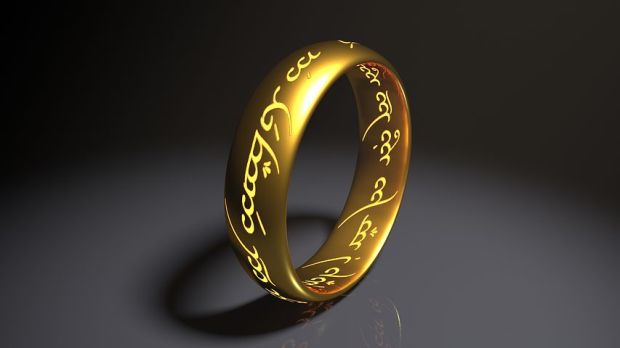
The Lord of the Rings

The Lord of the Rings – the ultimate in dangerous words is on this ring!. Pixabay image.

The writing prompt in my diary for this week was of a bird watching its potential mate carrying out a ritual wing display. (The mischievious side of me would have loved the picture to have shown the female holding up a score card – you know the marks out of 10 kind of thing – but then that’s my quirky sense of humour).

The prompt was to tie in with Valentine’s Day and I’ve drafted a flash story (in poetic form) where the female wishes she could have the special treatment more often during the rest of the year, that it wasn’t all down to mating etc, that there could be something special during the day to day effort to survive. My draft needs a lot of work (as all drafts do) but I sympathise with my character’s viewpoint here.

For all writers, the heady moments are (a) when you know you’ve created something good, (b) when you hear you’re going to be published, and (c) when the book contract (a good one obviously) turns up for you to sign! The nature of things means those heady moments are “spaced out” and we have to cope with the daily nitty gritty, which is far less “glamorous”.

The nitty gritty then for all writers is to get the writing done, get it out there, cope with the rejections that will come in, and so on.

And on that note I must get on!

Does flash fiction have its limitations?

Well, there is the word count of course, but I suppose the main one would be is it is not the vehicle for an in depth character study! What it can and should do is show a reader enough about a character so they fill in the gaps themselves. It is like shining a torch and you pick up ONE thing to focus more attention on.

I’ve always loved it when writers don’t tell me every last detail. I want to be able to work things out myself and flash fiction IS the perfect vehicle for that!

I really enjoy reading and writing flash fiction stories which end with a punch. Sometimes that can be literal (!) and is most satisfying when the character has deserved it (and that will be the view your readers will take too). One huge advantage of fiction is wrongs can be righted in a way they’re so often not in real life. I believe that is one reason why fairytales are always popular!

I also love the witty one-liners that can close a story. It’s good to finish a story on an “uplift” where that is appropriate. Of course the set up for that finish happens much earlier in the story and it can be as simple as showing your character has the type of attitude which will make a witty one-line retort likely. (It usually is a retort!).

Above all, it is fun, which is what writing should be after all.

This slideshow requires JavaScript.

Goodreads Author Blog Hooks into Books

I seem to have a “thing” for rhyming titles at the moment. Sure it will be a passing fad…!

What attracts you to a book? Is it the title, the blurb, the cover, or a combination of the lot?

For me, the cover draws me in but the blurb is what clinches a sale for me, whether I’m reading on Kindle or a paperback. If I like the premise of the blurb, I will “look inside” a Kindle book or look at the opening page of a paperback. If it seems to deliver, I’ll go ahead and buy.

There is no such thing as a foolproof system but this works for me!

Of course, another great hook is reading a book by an author whose works you know you like. I love series novels and my favourite of these has to be Discworld. Each book original and entertaining but there’s enough familiarity with the world to make you feel right at home as you continue to enjoy the series.

Whatever you read, enjoy!

This slideshow requires JavaScript.


Stories, Persistence, and Progress

Facebook – General

Making good progress on the novel. Really enjoying finding out what my heroine is getting up to again! My third volume of flash fiction is coming along nicely as well, though I need to group the stories better. I’ve found grouping flash fiction really well helps add to the pace of the book as you read through so it is worth getting right.

Not impressed with the snow and ice. Okay they’re hardly a surprise in the UK in February but I’ve got to watch it when I take the dog out as she doesn’t seem to understand Mum really doesn’t want to go downhill skiing so Lady can get to the park that bit quicker! Lady is generally pretty good on the lead unless she knows we’re near the park! Pleased to make the acquaintance of a 12 week old Labrador puppy this week who wanted to use Lady’s ball chucker as an outsized teething ring…

One huge advantage of being a dog owner is you get to meet all sorts of interesting characters…. four legged and otherwise!

Now how can I put them into a story I wonder…!

There is an advert about great characters making great drama doing the rounds at the moment. And it is true but it is also true the characters don’t think they ARE great. They’re just getting on with the job or situation they’re in. What makes them great is how they handle things and their persistence. They almost always need that to keep going.

So what drives that persistence? Look deep into what really motivates your characters. What will they absolutely NOT stand? Then make them face it!

You’ll have fun writing that and readers will love reading it!

Submitted flash fiction pieces over the weekend so pleased about that. I often end up submitting flash stories in batches. Mind, I often write them in batches too.

One of the pieces was based on a character study writing prompt in my writing diary for this year (which is proving to be worth its weight in ink just on the challenges from the prompts alone. I do love the way the prompts are varied. Keeps me on my toes).

Editing of novel going well and, looking ahead a little, am investigating publishers to approach with it when ready. Some publishers accept submissions from unagented writers so that’s almost certainly the route I’ll have a crack at. I’ve got a couple of non-fiction ideas ticking away in the back of my mind too so definitely no chance of boredom setting in!

This slideshow requires JavaScript.

Glad to report there’ll be a couple of stories of mine on Cafelit over the next month. Will flag up more details nearer to the time of each. Have also submitted an entry for the Waterloo Festival writing competition, which Bridge House Publishing sponsors. Am also drafting a story for Bridge House’s own annual anthology.

I strongly suspect the writing prompts in my diary are going to generate stories for submission as well. I used to have the Mslexia diary but the new one I’m using has regular spots for To Do lists, Monthly Achievements, as well as the different writing prompts. There are plenty of pages at the back for notes too. It’s almost like a writing scrapbook but I like the format and will almost certainly go for it again. I find a writing diary helpful for keeping track of submissions but this one is helping me to produce more work, thanks to those excellent prompts. I just HAVE to do them (which of course is the idea!).

This slideshow requires JavaScript.

Facebook – From Light to Dark and Back Again

Which characters do you like writing about/for the most?

I adore writing characters who I know will make me smile.

I also have a very soft spot for characters with hidden depths whether they use those depths for good or ill.

That element of surprise is wonderful to write and I know when reading that kind of thing by other authors, those are always the most memorable parts of the stories.

Sometimes you can guess at the surprise to come, you pick up on the early hints; at other times you don’t guess, but in both cases, the story has you gripped. Job done on the part of the writer there!

This slideshow requires JavaScript.

Stories are ultimately problem solvers. Your characters must have something they wish to achieve and there must be obstacles in their way. Often those obstacles are other characters of course who either want the desired “object” themselves or simply don’t want your hero having it!

The great thing though is the way the character solves the problem can be so varied and that will affect the tone of the story. A wisecracking character is going to tip the story into humour, a sour one into a crime one (another character will be totally fed up with them and bump them off by Chapter 5 – well, you now know what I’d do!).

The problem has to be sufficiently important for the character (and ultimately your reader) to care about the outcome. The character needs to be appealing to readers (though bear in mind there’s a reason the charming villain as a character works. Readers love them. There has to be a wish to find out what really makes the character tick).

And flash fiction? You do all that in as few words as possible of course!

Flash fiction can encourage word play especially where it can convey more than one meaning. That in turn saves a lot on the word count!

Below is a story of mine called Test Pilot. I appear to use the same word twice in the same sentence (that’s a sin for a start, isn’t it?!) but the meanings are very different.

TEST PILOT
The crash landings were becoming embarrassing. Nobody minded the odd accident. That happened to everyone but this one was going to mean the test pilot, if unlucky enough to survive, would be hauled before the Board of Inquiry.
Like all such Boards, there was a hell of a lot of bureaucracy and paperwork. Unlike most Boards, said bureaucracy was to minute in minute detail what happened to the late specimens who’d faced them.
And this latest Inquiry was going to play to a packed house.
The crash had been spotted by those pests of the universe – humans.
Nobody was going to forget the Board of Inquiry for Roswell.

ENDS

Allison Symes – 4th February 2019

Hope you enjoy!


This slideshow requires JavaScript.

Glad to say a couple of my flash fiction pieces will be appearing on Cafelit over the next few weeks. Hope to get more out to them in due course, naturally.

When writing a story, of whatever length, I have to be able to hear the voice of the main character and know what is their chief attribute. From that I can gauge what mood would suit the character best and I write the story accordingly.

Of course, the great thing with, say, a pompous character is that gives great possibilities for humourous tales. Equally a pompous character could work in a tragedy (either by being the character that causes the tragedy for others or by being the victim because their pomposity blinded them to things that others could see all too clearly).


This slideshow requires JavaScript.

Goodreads Author Programme Blog – Series or Singles?

Which kind of book do you prefer reading? A series or a stand-alone book?

I love both. Really good series ensure each book in it DOES stand alone. Brilliant series ensure you have to read the others in it! Bit of a challenge there then…

There are books which I think work best as stand-alones and/or have had sequels/prequels which didn’t really work. Well, they didn’t work for me at least. I never did “get” the Pride and Prejudice and Zombies thing. Yes to the former, it is one of my favourite novels and a well written zombie book is fine too but to mix the two? Argh! Definitely not for me.

Of course a series author can’t know when a new reader is going to get into their books. I’ve never yet read a series from Book 1! I find the series, am gripped by the book I read and THEN look back at what else the writer has done and explore those works before going on to books beyond the first one I discovered.

The most important thing for me always is did I enjoy the book? And my answer to that is always down to whether I got behind the characters or not.


Tried and Tested – and Book Offers!

A very busy night tonight and a special post about book offers too and I will start with those I think!  Also included this week is a link to my guest spot on crime writer Val Penny’s wonderful Book Review blog.  Many thanks to her for hosting me.

BOOK OFFERS!  ONE WEEK ONLY.  ENDS 18TH JANUARY 2019

Book news! I’m Bridge House Publishing/Chapeltown’s author of the week and there are free books up for grabs AND special offers on others. What’s not to like?

I’ve had the great pleasure of being published by BHP/CB in various anthologies as well as with From Light To Dark and Back Again. These form the basis of the package below.

BOOK PACKAGE: There are SIX, count them SIX, publications where I have work on offer for £4.00, all as mobi-files. This includes To Be…To Become (the Waterloo Festival competition, anthology), Baubles (BH anthology), The Best of Cafelit 4, 5 AND 6 and From Light to Dark and Back Again, my first flash fiction collection.

And for those of you who would like print paperbacks there’s an offer for you too.

PAPERBACK OFFER: My first published story was A Helping Hand in Bridge House Publishing’s Alternative Renditions. That isn’t available on Kindle BUT is in paperback and that along with From Light to Dark and Back Again is on offer at a mere £7.00 for the two!

FREE BOOKS! BUT YOU HAVE TO BE QUICK.

I’m giving away one signed copy of:-

From Light to Dark and Back Again AND
Alternative Renditions OR
Baubles OR
One of the Best of Cafelit books I’m in.

First come, first served, naturally. Also one book per customer.

If you’re interested email my lovely editor, Gill James, at editor@bridgehousepublishing.co.uk with your contact details. Also let her know which of the books you would like and Gill and I will take things from there. I’m looking forward to getting some books off in the post next week!

So two lucky people can be in for a free read! What are you waiting for? Gill is waiting to hear from you!

All of the above books are available on Amazon.

And if you would like to try some of my work out first, head over to Cafelit at http://cafelitcreativecafe.blogspot.com/…/l…/Allison%20Symes

Do check out the other wonderful stories here. You’re in for a great read, I promise.

This slideshow requires JavaScript.

Facebook – General – and Chandler’s Ford Today

Busy night tonight but fun! Hope you saw the book offer posts earlier. Meanwhile back to CFT and I’m glad to share my Tried and Tested Writing Tips this week. Hope you find it useful.

This slideshow requires JavaScript.

Will be a busy day tomorrow. As well as my usual CFT post (all about tried and tested writing tips), I’m Bridge House Publishing/Chapeltown Books author of the week and will have news of book offers so stay tuned.

Re my CFT post: I’ve picked those tips I use most often and go into detail as to why they are useful.

Absolutely delighted to have been guest blogger on Val Penny‘s Book Reviews blog. Many thanks to her – it’s been a good week writing wise when it comes to getting the word out there!

And talking of words, the ones I’ve found most helpful are the ones that encourage when all that seem to come in are rejections etc. This is why you need writing friends. We know what it is like – both the joys and the down sides. It is a roller coaster ride but nobody says you have to be alone on the thing!

Am delighted to share the link to the great blog from crime writer Val Penny. The fact that I am her guest on it tonight is not at all coincidental!

Many thanks, Val, for the invite. The questions were great fun to answer. Val and I met at Swanwick Writers’ Summer School (or more accurately just outside Derby Railway Station just ahead of us both going to Swanwick!) and we’ve been great friends ever since.

It is also lovely being on the receiving end of questions too!

Facebook – From Light to Dark and Back Again

I’m due to be Bridge House Publishing/Chapeltown Books author of the week. News of book offers tomorrow.

Getting the balance right between writing new material, revising and improving material that has not yet found a home, and marketing has never been easy to get right. Has there ever been a writer who doesn’t feel there is always something they could be doing better in any of these departments? I don’t think so!

One advantage to flash fiction of course is it can be a great way of getting work done and “out there” while working on longer projects. (And if said work is published, you’re building up your writing CV too).

What questions would you put to your characters to get the best out of them before you write their story?

One of my favourites here is “what drives you?” I use it to dig deep into a character because there will be an answer that is something nobody would mind revealing – the public face, if you like.

However, it is the answer the character (and we as individuals) try to keep to ourselves that is the really interesting one to work with! It can also reveal things about our characters that make us realise we can do so much more with them. It IS worth digging that bit deeper to get to these points.

Your stories will be deeper and have more impact as a result – even the shortest of flash fiction stories will benefit. If I know my character thinks they’re capable of, say, robbery, but I dig deeper and find in certain situations, they could kill, guess which story I’m going with!

You DO want to dump your characters right in the mire and put them under as much stress as possible and really see what they’re made of. Let the drama play out. Have fun with this, I do! (Oh and nobody said writers have to be nice to their characters, often it’s the opposite in fact!).


Many thanks to #ValPenny for hosting me on her Book Reviews blog. It was great fun answering the questions.

Questions like these are really useful for making you evaluate why you write and whether the “how” could be improved. (The answer is almost certainly “yes” to that by the way!).

Fairytales with Bite – Storytelling

Storytelling is one of our oldest traditions of course. You can understand the appeal of fairytales especially when it comes to the oral storytelling tradition. A simple plot, a structure that works, a clear goodie and baddie, and a happy ever after ending. Perfect way to end the day!

Now, of course, we expect our characters to be more nuanced. There is no such thing as the perfect hero. Villains have to have good (and understandable) reasons for acting the way they are (and that can include the fact they simply enjoy being evil. To them, that is reason enough!).

What I love about stories is that there is no one perfect format. I love books in all their forms but totally understand why audiobooks work for some, whereas the print format doesn’t. Our focus as writers is to come up with stories that can work in several formats. Our focus is to entertain. I’ve never understood why some look down on escapism. The world is sad and bad enough to make a wish to escape understandable. After all why did our cavemen ancestors tell stories? To remember what was important. To bring the community closer together. To escape the cares of their day and the ones to come for a while.

So as a writer then I want my characters to appeal to readers. I also want to drop my characters right in it whenever I can. I want my books to engage people. It’s a good thing to aim for: to improve your storytelling as much as possible. You discover better ways of expressing things, learn what works and what doesn’t. Enjoy your storytelling and relish every moment of it.


This slideshow requires JavaScript.

This World and Others – Tried and Tested

My latest CFT post is Tried and Tested Writing Tips, which I hope you find useful.

How are your characters tried and tested?  Do they pass the tests you set them?  In almost any story you can think of, it is only when the characters are put right through the emotional wringer, do you see what they are capable of and where their limits are.  That is also where sidekick characters are useful – to help see your leads through to the bitter end and to get them through that “about to give it all up” moment.

Testing doesn’t need to to be overly dramatic either.  It can be as simple as a character having their patience tested by a relative who is trying to goad them (deliberately or otherwise, it’s not always consciously done).  Your character is very patient to begin with, then they become slightly less patient as time and the goading continues, and so on before they snap or do something they would not ordinarily have done.  Your character may be aware of this process so what do they do to try and fight it?  To not give in to that urge to snap no matter what the provocation?

Think about what would stress your characters out.  Think about their coping mechanisms.  What would happen if they failed or weren’t available when needed?

Have fun finding out!

Writing Wish List, Why Write Flash Fiction, and Special Offers

Facebook – General

If you could make a writing related list for Santa, what would be on it? I’d ask for:-

1. The ability to stretch time so I can get all the writing I’d like to do in and done! Naturally I would not feel any side effects from this.

2. The ability to spot ALL typos etc before submitting work anywhere ALL the time. (If it is any comfort, most writers spot errors in work later on. We just don’t admit to it! We do feel annoyed at ourselves over them though – very much the “why didn’t I spot that one?” school of thought.

3. To never run out of pens, notebooks, ink cartridges, paper etc and also to arrange for the printer toner NOT to run out half way through a print run ever again. (You do get sick of this happening when it occurs more than once. Trust me on this).

4. To never miss a writing competition that might suit you ever again. (It is difficult to keep on top of them all so help from Santa here would be useful).

5. To never run out of inspiration and ideas and to always follow them through thoroughly.

6. Extra stamina would also come in handy. You need it when the umpteenth rejection comes in during the week.

7. More reviews of my book!

8. For the charlatans in the publishing industry to disappear from it for good so nobody is ever taken in by false promises again. Meanwhile, do check out the Society of Authors and/or ALLI, the Alliance of Independent Authors websites for sound advice on what to look for in publishing contracts, self publishing services etc.

9. To never run out of bookmarks. When I don’t need them I seem to have loads. When I do, can I find any? What do you think?

10. For more independent book shops and for them to thrive and do well.

I’m not putting these in any order of importance though 10 should be very high up on any list to Santa, I think.

Am glad to share, via the link, details of some special offers on Chapeltown Books’ flash fiction collections, including From Light to Dark and Back Again by yours truly.

The offers are open until the end of the week. There are currently 8 books in the Chapeltown series and there is an offer on for all of those. Equally you can buy three or four of them and still have a special offer! This offer is on until 21st December.

Some last minute Christmas present ideas, everyone?

Hope that whatever else is amongst your presents this Christmas, some good books are amongst them!

This slideshow requires JavaScript.

The YouTube below shows the books produced by Cafelit/Chapeltown/Bridge House during the year. A lovely selection.

I was in the To Be…To Become ebook produced by Bridge House. This contains the 16 winning entries to the Waterloo Arts Festival’s first writing competition. I hope they go on to have others!

What can be confirmed is there is a lovely variety of books and stories to suit all tastes here.

When do you know a story is really special? When you can’t forget the characters.

For me, story has always been about finding out what happens to the characters. I don’t necessarily need to like them (though most of the time I do) but I do need to be intrigued enough to find out what happens to them. So then there has to be something about the characters I can either identify with or which hits my “curiosity switch” and keeps that pressed down so I have to keep reading!

A good plot can be let down by characters that aren’t strong enough for it (and this means the writer hasn’t got to know his people well enough before writing about them). Great characters will lift any story they’re in. Great characters will generate plot. Imagine the chaos a devious character can cause when they set out to cause mischief deliberately. All sorts of stories can come from that, humorous and otherwise, but the character has to be well portrayed for that to work.

Facebook – From Light to Dark and Back Again

Time for some micro Christmas stories then:-

1. The innkeeper smiled, having seen his guests to the last available room. Nobody else would be disturbing his sleep tonight then.

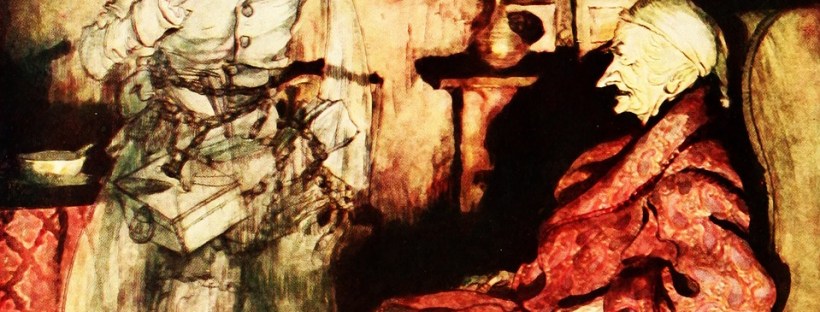
2. Scrooge grimaced as he walked home, having heard some youngster tell a snippet of a ghost story. Ghosts! Whatever next?

3. In the bleak midwinter, they could have done with a snow plough.4. Rudolph the red-nosed reindeer found that telling everyone he was suffering from a nasty cold stopped the awkward jokes about what he was adding to his water trough to generate said red nose.

5. Frosty the Snowman was the first to admit he really could not appreciate the benefits of central heating.

Allison Symes – 15th December 2018

This slideshow requires JavaScript.

Never worry about overwriting a story. That overwriting can and should be cut later. Usually this is a case of sharpening up phrases etc. I like the creative aspect of that side of editing where you are happy with your characters and story but know you can express things better than you have done with your first draft.

For me, it is far more of a problem when, on odd occasions, my story is too short. Not a problem for my flash fiction but it can be for standard length short stories (usually 1500 words or so). This always means one thing in my book, pun intended (!), and that is my idea simply wasn’t strong enough. I needed to do far more outlining to see where the idea could take me before I committed to writing it and that process would have shown up inherent weaknesses in it.

So do outline. It can save you a lot of grief later.

Reasons to write flash fiction:-

1. You learn how to edit well.

2. You learn to be ruthless when cutting out anything that is not moving the story forward.

3. You really do watch your word count. (This pays off for other forms of writing competitions too).

4. Given flash fiction markets and competitions have different requirements (for example some include the title as part of the word count, others specificially do not), you learn to make sure you ARE following the right rules for the competitions you’re interested in.

5. It is a great way to get work out there while you are working on a longer project.

6. There ARE more competitions and markets out there now so there should be at least one to suit your style of writing.

7. You have to write character driven stories but there’s nothing to stop you setting that character in any time, genre, or setting of your choosing. You are definitely NOT stuck to one genre here.

8. Flash fiction can make a great warm up writing exercise ahead of a longer project. The great thing is you can now do something with what your produce from those writing exercises!

9. You learn to write precisely because you are looking for the maximum impact on your readers for the minimum word count . This is a fantastic discipline which can be transferred across to other forms of writing you enjoy.

10. It’s fun! I’ve loved the challenge of writing to 100 words, to 75, to 50 etc. Flash fiction can be addictive!

This slideshow requires JavaScript.

F = Fantastic Fiction
L = Lines that Hit Home
A = Amazing Characters
S = Stories with Impact
H = Humour and sometimes with a twist too.

F = Fairytales with Bite
I = Imagination is fired up!
C = Can cross genres
T = The word count is the main thing to watch
I = Insist on ruthless editing to cut all that is unnecessary
O = On the look out for markets and competitions
N = Never underestimate the time taken to craft your tales!

Allison Symes – 18th December 2018

Goodreads Author Programme Blog – Christmas Wish List

Naturally I’m assuming books are high up on your Christmas wish list. I would like to add to that though the following:-

1. More time to read!

2. More time to re-read old favourites. Does anyone else feel a pang of guilt sometimes when you really want to go back to a novel you’ve read a few times when you know there are so many other books you really should be getting on with and reading? That you actually want to read but the “clarion call” of the old favourite just can’t be resisted.

3. Being able to read “children’s” books without feeling guilty or embarrassed. Incidentally I understand the point of more grown up covers for certain books to get around this issue but for me this doesn’t really work. I like the original covers far better in the majority of cases and want to stick with those!

4. That all adaptations of stories and books do justice to their source materials. Too many don’t!

5. That I can always find a bookmark when I want one. (I either have LOADS when I don’t need them or none at all. Don’t ask… it is the way it is!).

Hope you have a book and story filled Christmas. The joy of the winter months is WANTING to stay indoors and curl up with a good book!

This slideshow requires JavaScript.


Celebrations, Reading Work Out, and Framing Stories

A nice mixed bag tonight I think!

Facebook – General – and Chandler’s Ford Today

My CFT post this week is the review of the recent Bridge House event, Celebrations, Crackers, Chapeltown, and Cafelit, though I’m quite pleased I managed to come up with an alliterative title! I also look at how reading work out is useful to writers, as is listening to others reading their work out. For one thing, you literally hear a story’s rhythm and can apply that to your own stories.

Many thanks to Dawn Kentish Knox for kind permission to use some of the images in this piece. I’ve yet to find a way of reading work out and taking my own pictures of me doing this at the same time! (Oh and before you ask, I am really not keen on selfies!).

This slideshow requires JavaScript.

My CFT post this week will be a look back at the Bridge House celebration event held on 1st December. I’ll also share some thoughts on the benefits of reading work out loud and on being read to, both of which are lovely!

One of the nicest things about this time of year is that it is very much a time for stories, which is a theme I will be looking at for CFT before too long. Naturally, I love the Christian Nativity story but I also love those wonderful tales associated with it. For example, how did the robin get his red breast? By burning himself on a fire he was fanning to keep a fire going to keep the Holy Family warm.

I also like to have a general review of the year (and also a specific writing review. How did things go? Did I achieve all the goals I set myself? What goals would I like to set for 2019 etc?). So that’s my CFT posts sorted until the year end! Just have to finish writing them now…

One of the great joys of stories (both writing and reading them) is their escapism value, especially if the news is particularly grim. That shouldn’t be underrated.

Whether you read or write humour, horror, sci-fi, or what have you, a story, of whatever length, should transport you into its world. You should be happy to stay there for the duration too! That, ultimately, I think is the biggest challenge to a writer. But it’s a great challenge to have a crack at!

Facebook – From Light to Dark and Back Again

I like to choose themes which can be open ended. Love, for example, can obviously provide happy stories. It can also provide tragedies, something Shakespeare took good advantage of in Romeo and Juliet.

I’ve found that picking the theme I would like to use and then deciding on the mood of the story is so helpful in giving me a “frame” for my story. Then the title comes into play and again I try to choose one which is open, unless I specifically want to put a twist into the tale right at the beginning (my Punish the Innocent is a good example of that).

I find it useful to have my “frame” and then write. It helps me focus.

When drafting a story, what is the first thing you are keen to get right?

For me, it’s ensuring I know my character well enough to know how they would react/act regardless of what situation I drop them right in! (Dropping your characters right in it can be a great way of finding out just what they’re made of). I also like to know what would shake my character out of their sang-froid and what their general beliefs are. Naturally, there should then be something to challenge all of that!

I like to use things that inspire me as a source of story ideas. The great thing with this method is what inspires me and how I combine these to create a new tale will help my writer’s voice to come through. Nobody’s tastes and inspirations are exactly the same. The way these are combined will also differ from writer to writer. So list what your inspirations are. Think about how you can use these. At the very least, you should find some great themes emerging. Good luck!

Fairytales With Bite – Why Fairytales with Bite?

It occurs to me I should have written this post long ago but never mind!

I use the phrase “fairytales with bite” as a lot of my flash fiction work, in particular, is set in a fantasy world and I use a lot of irony. There really is a bite to a lot of what I write. I like quirky writing – my own and that of others! I also use twist endings a lot and there can be a great deal of bite behind those. I am, after all, looking to make an impact with my stories.

My catchphrase is also a reaction against those who think fairytales are twee. I know I’ve touched on this topic before, here and on other blogs I’m involved in, but fairytales can show up human nature for what it is and are anything but twee as a result. Think of all the tales where kindness is rewarded and/or greed is punished. What happens to the villains in lot of fairytales is anything but twee!

Of course, with the Big Bad Wolf, you could argue the fairytale with bite is literal here!

This slideshow requires JavaScript.

This World and Others – Reading Work Out Loud

This theme ties in with some thoughts I share on this as part of my Chandler’s Ford Today post this week called Celebrations, Crackers, Chapeltown, and Cafelit.  The latter is a look back at my publisher’s annual celebration event but one part of this is where some of the writers, including me, read some of our stories out to our audience.  Good fun whether you’re taking part or not, but for a writer it’s incredibly useful and here are some reasons why.

1.  You quickly realise if you stumble over words, so will your readers, so out comes the editing pen again.  Always better though that this happens before you submit the story anywhere.  By reading the work out to yourself before submission, this acts as another editing layer and can save your blushes!

2.  You literally hear the rhythm of the story.  There should be a natural ebb and flow to it.

3.  Especially if you write in a genre where you’re inventing names/place names etc, you can literally hear if what you’ve come up with is pronounceable!!  So no more Xxxrbtrzog (try saying that sober yet alone if you have had alcohol!) but something like Xerstone is “do-able” and still conveys to a reader they are in a setting NOT of this world.

4.  As you listen to someone else’s work, take note of what makes a real impact on you.  Is it the power of the dialogue?  Is the sentence structure hitting home well?  I usually find short, simple, and to the point works best.

5.  As you listen, watch out for where you are anticipating what comes next.  What MAKES you wonder what comes next?  Can you apply those thoughts to your own writing?

6.  We all love a story, it’s why we’re writers, and the oral tradition of storytelling is fantastic.  Without it we would have no stories at all so it is a joy to take part in and kind of “support it” ourselves.

Love your reading!


Stories!

Facebook – General – and Chandler’s Ford Today

My latest CFT post is a review of one of my favourite stories, A Christmas Carol, as performed by the MDG Players at the Dovetail Centre recently. Well done to all!

And this is the only production where the audience got to join in! If you want to know how, read the post! Oh and yes I joined in too.

I forgot to mention I’ve had a couple of stories on Cafelit recently. Anne Boleyn fans will like my story, Consistency, published by Cafelit on 24th November.  It’s been a good week on Cafelit given my Moving On was published by them on 27th November.  Hope you enjoy them both.

My Doubting the Obvious was published by Paragraph Planet on 22nd November.  I need more weeks like this!  The link should take you to their archive for November, which is why I’ve listed the date in case you need to scroll through to find this.  Having said that, have a look good at the other stories here (and indeed on Cafelit too).  There is some wonderful writing here – all very entertaining tales!

This slideshow requires JavaScript.

Facebook – General – and Association of Christian Writers’ More than Writers blog spot

I discuss writing goals in my monthly spot on the Association of Christian Writers’ More than Writers blog.

Do you set any? Have you achieved what you hoped to do? Did you take part in NaNo? I didn’t because I know I’d exceed the word count on some days, be under on others, and while it might balance out in the end, I just don’t need the guilt of “not achieving”! And I would feel guilty…

See what I DO do about setting goals in this post.


This slideshow requires JavaScript.

Facebook – General

My CFT post this week will be a review of A Christmas Carol as staged by the MDG Players.

A Christmas Carol is my favourite Dickens story and one of my favourite tales overall. It has everything – a villain (at least to begin with), ghosts who reveal why Scrooge has become the way he has and what it will mean for him if he doesn’t change, and redemption. The story is its own little world and just works so well.

Still love the Muppet version with Michael Caine. Is on my must watch list again this year. It is just really well done. Looking forward to sharing my post on Friday.

Facebook – From Light to Dark and Back Again

Sometimes I write flash fiction with a historical flavour to it. Here’s one for Anne Boleyn fans. Consistency was published by Cafelit on 24th November. Hope you enjoy.  Link given above.

I’ve been talking about achieving goals as my monthly Association of Christian Writers’ blog has been about that. See below. I don’t set a particular number of flash fiction stories to write or submit in a year. What I DO try to do is seek to produce a regular number of stories and then submit them to outlets as often and consistently as I can.
 

Where is the point where a story really comes alive for you?

For me, it is when I realise I have GOT to find out what happens to the character, whether I love them or loathe them. I generally want to see villains get their comeuppance so read on to see if they do! Equally I want the “good guys” to win through so again read on.

So when creating my own characters, I am always trying to ask myself will this one grip a reader? Is the character strong enough? What is there to love and/or loathe about them?

Fairytales With Bite – When Is a Story Ready to be “out there?”

There is no hard and fast answer to the above question, of course, but what I have found to be true is that a story is ready for submitting when:-

1.  You really cannot edit another word of it without spoiling it in some way.

2.  The story haunts you – and you wrote it!  (Good chance readers will be haunted by it too).

3.  Having deadlines to submit (for reputable competitions say) can be really useful as it makes you work to a date and encourages you to let a story “go”.  It can be easy to keep editing and polishing.  At some point you need to pluck up courage and test the market with your stories.

4.  When you can genuinely envisage your piece as suiting Publication X, say, because you have read several of their editions, have a feel for their style and your story or article fits in beautifully.  If you are right go on and send it in but be sure to follow their submission guidelines.

5.  You come across other published stories which you have cause to feel are not as good as yours.  Only one way to find out if you’re right or not:  send your one in!

This slideshow requires JavaScript.

This World and Others – Story Moods

What’s your favourite mood for a story or does it depend on what mood you are in at the time of reading?

I love humorous and poignant stories and am glad to say Cafelit have published one of mine in each of these categories in the last few days.  Consistency is a historical piece and Moving Onis a changing job story, both very different in mood.  I should add the mood varies for my Chandler’s Ford Today pieces too.  My post this week is a review of A Christmas Carol as staged by the MDG Players recently.  In articles like this, as well as the actual review, I like to give some background to either the material or the writer of the material which is being performed so I generally go for an informative. chatty style.  For my scam alert pieces, I obviously adopt a more serious tone.

The key, of course, is having the right “mood” for the right story or article.  Yes, you can have funny crime and I’ve read and listened to some wonderful stories in that genre, but generally, unless it is flagged up, you would expect crime stories to have a fairly sombre tone to them.  This is where the blurb on books is so important.  A reader will pick up on the mood of the book and decide if it suits them thanks to that so it is vital to get this right.

With my From Light to Dark and Back Again the title is the big clue that there is a variety of moods here (as is my strapline – “a story to suit every mood”).

Yes, I think you should play to your strengths when writing so if that is serious writing, go for it, but I would also say don’t be afraid to experiment and play with words.  If you find you can write in more than one mood or tone of story, so much the better.  It will open up more competitions and markets for you to try.  Good luck!

Goodreads Author Programme Blog – Impact of Writing

The impact of writing on the world in general cannot be underestimated.

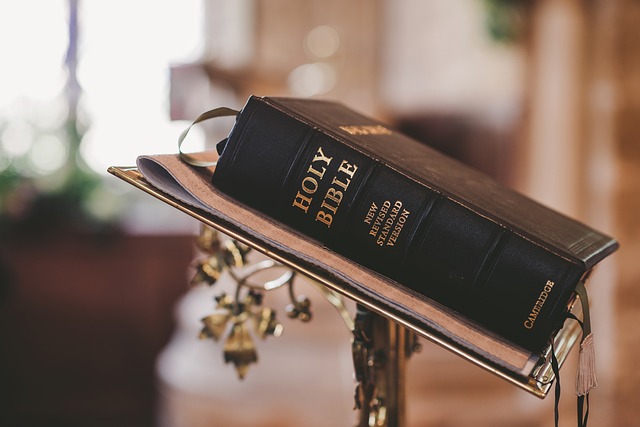
As well as the Bible, Shakespeare, Dickens etc., all of which have contributed so much to our language and whose stories have been the inspiration for so many others, there are things like the Domesday Book and Magna Carta.

Historical documents which colour so much else in life and law. Nobody could have foreseen at the time of writing just how much impact these would have (though there would have been many hopes about the Magna Carta. Not least that King John was hoping to get rid of it again as soon as he possibly could! An early recognition of dangerous writing perhaps?).

What makes us love our favourite books and stories the way we do? It is also down to impact. The impact of them stays with us. We want to be like the heroic lead characters perhaps. We feel fear for the characters we love as they face dangers. We feel relief, joy etc when our favourites survive.

So do writers’ play with their readers’ emotions then? Yes but it is always best done subtly. The reader has to be willing to go along with the writer here. The writer has to deliver on the promise of his/her opening lines. We have got to be able to identify with those in the story to want to find out whether they make it through to the end or not.

So the impact of writing is everything then. As readers then we need to decide what impact we want to experience.


Getting Started and Moving On

Facebook – General

I often think the hardest part of writing is getting started! Once I’m away on a piece, whether it is a FB post like this, a flash fiction or longer short story, I get the “bit between the teeth” and get on with it until I’ve got that first draft down.

I’m not deliberately procrastinating incidentally. I set myself down to write at pretty much the same time every night and get on with it. It’s just finding those first few words to get the ball rolling…

Ah well, time to get on with the next piece!

Does music help you with your creativity?

I write usually with classical music on in the background (courtesy of #ClassicFM most of the time). It doesn’t matter whether it’s Beethoven’s 5th or his Moonlight Sonata, I find that just having the music on relaxes me and I just get on and write more effectively.

I am very fond of the Saturday Night at the Movies show on Classic and it is amazing how the right music can make a film. I bet you can name at least four John Williams’ themes for a start. Think of the films you’ve thought of WITHOUT that music. Almost impossible, isn’t it?

Sometimes when I create characters, I think of what music would best suit them. It never makes it into the story itself but it does help me to picture them better so I write about/for them with more depth and that DOES show in a story.

This slideshow requires JavaScript.

Enjoying the new series of I’m Sorry I Haven’t A Clue on Radio 4. Always love the word play on here. You can’t keep a bad pun down, no matter how much you might want to!

Playing with the language, inventing puns etc, is something I occasionally do as a writing exercise. Always good fun. Makes you think in a different way. (Just how excruciating can I get with a pun?!). Sometimes that has triggered story ideas precisely because I’ve allowed my brain to go off on a tangent for a bit. Try it and see what you come up with. If nothing else, you should have fun with some mental word games here!

This slideshow requires JavaScript.

Delighted to share more publication news. My flash fiction piece, Moving On, is now live on Cafelit. Hope you enjoy, especially if you’re considering a career change!

Facebook – From Light to Dark and Back Again

When do you know if a flash fiction piece has had impact?

If you’re really lucky, a reader will tell you so but for me generally it has been when I can recall most, if not all, of the story days later and it still makes me feel the way I did on first reading it. And that applies whether I’ve written the piece or not. There is a kind of “hits you between the eyes” feeling to stories like this.


Looking forward to sharing more publication news next week. Also looking forward to the Bridge House event in London next Saturday and seeing old friends and meeting new ones there!

Plus, as ever, am planning to do plenty of writing on the train journeys. All hail, Evernote, I get so much done!! I find I either write several flash fiction stories or draft one or two CFT posts in an average train journey. So at some point I ought to go on a long train journey – hmm… what could I get drafted on the sleeper train to Scotland I wonder? If I ever find out, I will report back.😀😉

Will be reading some flash fiction pieces at the Bridge House event on Saturday. Looking forward to that. Looking forward to hearing all the other wonderful stories from my fellow authors there as well. I love sitting back entranced. And how often, as adults, do we get to be read TO? Not often enough I suspect.

To love writing you have GOT to love reading (though taking in stories via other forms such as audio is fine but nothing for me will beat a book). I owe a huge debt to my late mum for instilling a love of stories and reading in me at a very young age. She got to see my first published story – A Helping Hand in the Bridge House Alternative Renditions anthology – and my dad got to see my first book, From Light to Dark and Back Again, published. There’s a pleasing symmetry to that.

This slideshow requires JavaScript.

My latest flash story, Moving On, which is now on Cafelit, was one of those tales where I started with the opening line and based the story around it. I wanted something different to the normal meaning associated with “learning to let go”. I like taking phrases like that and putting my own take on them. Give it a go, it is good fun!

http://cafelitcreativecafe.blogspot.com/20…/…/moving-on.html


Goodreads Author Programme BlogImpact of Writing

The impact of writing on the world in general cannot be underestimated.

As well as the Bible, Shakespeare, Dickens etc., all of which have contributed so much to our language and whose stories have been the inspiration for so many others, there are things like the Domesday Book and Magna Carta.

Historical documents which colour so much else in life and law. Nobody could have foreseen at the time of writing just how much impact these would have (though there would have been many hopes about the Magna Carta. Not least that King John was hoping to get rid of it again as soon as he possibly could! An early recognition of dangerous writing perhaps?).

What makes us love our favourite books and stories the way we do? It is also down to impact. The impact of them stays with us. We want to be like the heroic lead characters perhaps. We feel fear for the characters we love as they face dangers. We feel relief, joy etc when our favourites survive.

So do writers’ play with their readers’ emotions then? Yes but it is always best done subtly. The reader has to be willing to go along with the writer here. The writer has to deliver on the promise of his/her opening lines. We have got to be able to identify with those in the story to want to find out whether they make it through to the end or not.

So the impact of writing is everything then. As readers then we need to decide what impact we want to experience.

This slideshow requires JavaScript.


Fears, Flash Fiction, and Keeping It Simple

Facebook – General

Pleased to say a new flash fiction story of mine is now up on Cafelit. Story below but am sharing the link to Cafelit too.  Do explore the wide range of stories on there. Hope you enjoy Jack of All Trades.

This is influenced by an old Bob Newhart sketch (where a new employee has to report to his boss that King Kong is climbing up the side of the Empire State Building! Newhart is fab – I have a CD of his very best material including The Driving Instructor and highly recommend him).

Jack of All Trades by Allison Symes

chocolate milkshake

Nothing was said about this in the manual. Jack blinked. He hadn’t been mistaken. The purple dinosaur was there and it didn’t look happy. Still, Jack knew he had to report these things so he tapped his supervisor’s number out on his mobile.

It took several minutes for Jack to stop repeating his description of the beast and longer still for the supervisor to stop swearing. The purple dinosaur was munching its way through what had been the supermarket.

At least demolishing the contents of the butcher’s counter was keeping the creature occupied and its attention away from Jack. He felt this was good news. Jack’s supervisor felt differently – his cousin was the butcher at that supermarket. It was made clear Jack was disposable.

Jack hung up. If he didn’t resolve this, he’d be eaten or, if he survived, sacked. If he did resolve it, the supervisor wouldn’t mind having the call cut off.

He saw the dinosaur had finished the meat. The next aisle contained the veg.

It won’t want that, Jack thought. I never do. Still, if a creature comes through from the next world, it can jolly well go back there again and at speed. We don’t want his sort here.

‘Come here, boy,’ Jack did a quick check, ‘sorry, girl. This world is no place for you.’

Jack took a flare out from his tool belt and fired it above the dinosaur. It roared and ran back through the gaping hole in dimensions its body had blocked from Jack’s view.

Jack sighed. He’d have to fix that too.

About the author

Allison Symes is published by Chapeltown Books, Cafe Lit, and Bridge House Publishing amongst others.  She is a member of the Society of Authors and Association of Christian Writers.  Her website is www.allisonsymescollectedworks.wordpress.com and she blogs for Chandler’s Ford Today – http://chandlersfordtoday.co.uk/author/allison-symes/

Am enjoying Doctor Who though admittedly tonight’s episode was not for the arachnophobes amongst us. Scary though, as DW is meant to be. I always did sympathise with Ron Weasley in Harry Potter and the Chamber of Secrets over his reaction to the giant spiders in that.

Character fears can be a good area to explore to:-

a. Find out whether or not they overcome them
b. How the fears developed
c. What happens when forced to face up to them.

Fears can be the making of a character if, to use the modern phrase, “they feel the fear and do it anyway”. There have got to be some great stories there!

This slideshow requires JavaScript.

Facebook – General – and More than Writers, ACW blog

Time for my monthly spot on More Than Writers, the Association of Christian Writers’ blog. This time, I look at KISS and why Keeping It Simple really isn’t a stupid thing to do.

The irony is that effortless reading (which is a joy) has almost certainly been subject to many an edit to get it to that point. Writing directly can be harder than you think. Fighting the urge to embellish what doesn’t need it is an ongoing thing.

Anyway, hope you enjoy.

Keeping It Simple Is Definitely Not Stupid

I’m not fond of the acronym, KISS (Keep It Simple, Stupid), as there’s nothing stupid about “direct” writing. Keeping it simple is much harder to do than whoever invented that acronym supposed. I guess it is meant to imply the other person IS stupid for not keeping it simple but the reality is you have to edit hard to get your prose to the state where it reads as if it has been written effortlessly.

In my honest opinion, keeping your writing simple is never a stupid thing to do.  Pixabay image.

You then repeat the process until you reach the point where you cannot improve the work. Sometimes you reach the point of being heartily sick of it but that’s another story.  It shows it’s time to take a break and come back to it later and look at it again with a fresh perspective.  The distance away from it does help.

Some editing is definitely needed here!  Pixabay image!

I learned a long time ago when someone makes something look easy, whether it is writing or any other creative art, you can bet that same someone has worked their socks off for years, perfecting their craft, to achieve this.  (And, as they say, other hosiery items are available!).

Just how much hard work has gone into getting to this stage?  Pixabay image

I start my editing of a story or a blog post by looking for what I know are my wasted words – “very”, “actually” and “that”.  The first two contribute little to a piece, you do need “that” sometimes but not nearly as often as you might think, and I have found by focusing on removing these words first, I enter straight into “editor mode”.  It is easier when in that mindset to cut what has to be cut.  (I can justify the “that” there!).

I overwrite, which I used to hate, but now I accept it is part of how I write and there is little a good edit or several can’t fix!  Rarely have I written a piece where I’ve needed to “fill” and I hated it when I did.  It felt artificial and was one of those rare instances where I binned the whole idea (and that is needed sometimes if, no matter what you do, it isn’t working).

If an idea isn’t working, despite time away from it, binning it can be the right thing to do. Pixabay image.

The other good thing was this instance made me brainstorm for better ideas, which is what I should have done in the first place.  Lesson learned there.  I don’t mind effort, indeed I expect it as we all should with our work, but I loathe it when it seems to be wasted.  Still, I’m not planning on making that mistake again so I think some good has come out of it.

Also when editing, I look for how the sentences flow.  Do they read easily?  Do they convey the exact meaning I wanted?  Could I express things better?  (The answer to that one is nearly always yes).

No matter how fantastic your fictional world, it still pays to keep the writing simple.  Pixabay image.

Simple writing then is not lazy writing.  It is hard work but well worth the effort.  Simple writing pulls the reader in.  Look at Jesus’s parables.  Straightforward storytelling.  Not a wasted word.  No waffle.  Now there’s a challenge to us all!

Jesus’s stories are the work of the master storyteller.  Pixabay image.

My CFT post this week will be a review of The Chameleon Theatre Company’s latest production, Blackadder Goes Forth. Link up on Friday though I will say now that final scene of the last episode is incredibly moving and the way it was performed on stage was excellent.

Generally I find it is moments in books, TV shows etc that stand out (and in a really good series, say, helps recall the rest of the show. The chandelier scene in Only Fools and Horses is another classic here, as is Del Boy falling “through” the bar).

I suppose the challenge here for any writer is to ensure we put plenty of stand out moments in our stories!

Facebook – From Light to Dark and Back Again

The writer’s way is strewn with words
Chittering away like the birds.
The issue is how to edit
Would the dialogue really be said
Or does it seem not real somehow?
Does your piece make your reader go “wow”?
Is the tale all action, does it flow?
Is the pace fast enough or, eek, slow?
The advantage to writing flash fiction
Is it teaches writing with precision.

Allison Symes – 30th October 2018

To finish my alphabetical look at flash fiction (in particular attributes useful for writing it), I finish with Y and Z. Now there’s a challenge but at least I know it’s been coming!

Y = Young. Can be taken to mean having a mixture of character ages in your stories or what a character will do to defend their young. Interesting tales to be had from both of these. Also if you tend to write from the viewpoint of older characters, why not switch and see if you can write from the viewpoint of someone, say, 20 or 30 years younger? Mixing things up helps to keep your writing fresh and you will enjoy it far more.

Z = Zealous. Firstly, are your characters zealous enough for their cause to see it through no matter what? They should be. If not, is their cause strong enough? If it is, why isn’t the character engaging with it fully? Look again at what your character wants. Do they want this enough? Secondly, are you zealous about editing your work well, as well as enjoying the more obviously fun creative side of writing? You need both to get work out there and it makes sense then to relish both the writing and the editing.

Now at the tail end of the alphabet for my flash fiction listing.

V = Variation. As with any fiction, vary the pace of your flash fiction tales. There is room for reflective, thought provoking pieces, as well as the action story. Vary how you tell the tale – first person, second etc. Vary the settings. Above all have fun. The first person to enjoy your writing should be you.

W = Writing. What else? Write regularly. Write first, edit later. The lovely thing about flash fiction is you can use it as a warm up exercise ahead of major writing (e.g. a novel) but there’s nothing to stop you editing those exercises and getting them out into the flash fiction markets and competitions.

X = Xerox! I was determined not to use X-rated for this one but Xerox does have a serious point to it. The great joy of writing is inventing something you have created (albeit inspired by what you have read over time). Never ever xerox/copy another writer’s work. Create your own work always. That IS the whole point.

Will have a go at Y and Z tomorrow!

Getting nearer to the end of the alphabet with my flash fiction “requisites”.

S = Story. Has to be really. It is all about the story and that is dictated by the characters. Without memorable characters there is no story. A story is about conflict and resolution in most cases and the characters “carry that”.

T = Turning Point. In flash fiction you obviously reach this point quicker than in standard length short stories. Sometimes the turning point can be revealed in the last line (often via the classic twist in the tale ending). Sometimes you can start with it. In my George Changes His Mind, I start with “He refused to kill the dragon”. There’s the turning point immediately. It is clearly expected George SHOULD kill the beast. The story then hinges on finding out why he didn’t and what the outcome was.

U = Universe. Each flash fiction has to be its own complete universe. By the end of it, a reader should have a sense of your setting, been mesmerised by your character(s), and the conclusion to the tale should be appropriate to the story (and satisfactory as a result, even if the ending is not a happy one). The nice thing is your story universe can be set in a fantastic world or this one in amongst the mundane! Your call but we should be wanting to find out what happens in the world you show us.

This slideshow requires JavaScript.

Goodreads Author Programme – Blog – Music and Stories

As I’m typing this, I’m listening to a concert of John Williams’ music being broadcast on Classic FM. (I do love the Listen Again feature!).

Every piece of music conjures up memories of films (often Spielberg ones) and with those memories come stories. Stories of when I discovered the film, the story contained within the movie itself etc. Of course so many movies are based on novels too.

So do you find a certain piece of music always conjures up stories for you? I’ve only to hear the opening notes of the Harry Potter film to be whisked away to recalling the books and movies (loved both).

I sometimes use music as a guide to help me create characters for my own writing. Character X would love this, Y would love that, etc.

I also love stories set to music. Up the Junction by Squeeze is a wonderful example of this – and a great ballad in the old tradition too.

When reading I have to read in silence but music is fab for when I can’t just drop everything to pick up a book. I still have the stories and the memories of stories as I work on other matters and that has to be a good thing.