The Power of Language

Image Credit:  Unless otherwise stated, images are from Pixabay

Facebook – General – and Chandler’s Ford Today

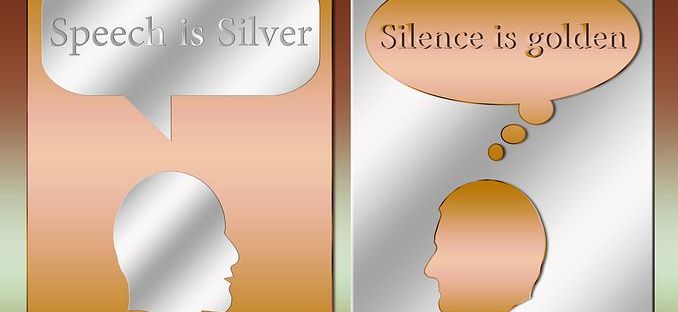
I think I may have found my favourite image for this week’s CFT post. There is so much truth in it, don’t you think?!

I look at the Power of Language and discuss rhetoric, the role of swearing, putting words INTO the language, and how flash fiction has affected how I use language. I also feel we should celebrate language, its richness and its origins. English of course notably borrows, sorry steals, from other languages and is the richer for it.

I also find proof of someone cheating at Scrabble…

Hope you enjoy! Captions over on CFT.


This slideshow requires JavaScript.

If you ask most writers what every new writer needs, I think the answers would be something like:-

1. Comfortable working environment with good support for your back given you can be at your desk for some time.

2. A willingness to commit what time you can to writing and to accept you are in for the long haul.

3. The ability to develop a thick skin when rejections/critical feedback/bad reviews come in, as they do.

4. Pens, paper, laptop, printer, and all requisites.

5. Tea/coffee/other drink of choice which will keep you going.

6. The ability to focus.

7. Accepting rewrites (often many) are a necessary part of the process.

8. A love of books in a wide range of genres and a good reading habit.

9. A willingness to learn and improve your craft.

All of these are vital BUT I would add in:-

10. An appreciation of language and what you can do with it. Play with words, have fun with them.

(It’s not just because I talk about the Power of Language on my CFT post tonight, though it helps!).

This slideshow requires JavaScript.

Questions to ask as you outline a story:-

1. What is its mood?

2. Why is it the right mood for the story?

3. What makes the lead character tick?

4. Are they the right lead character for this story? (It doesn’t always work out the way you think it will. I’ve rewritten a story from another viewpoint which proved to be far better than the one I’d originally chosen. If something doesn’t seem to be working, it may be worth looking at whether you are telling the story from the right character’s viewpoint).

5. What does the lead character want?

6. Why does it matter? (This one is crucial. The motivation has got to be strong enough to convince a reader a character would do X, Y, Z etc to obtain it).

7. What gets in the lead character’s way?

8. How are they going to overcome the obstacles? (At outlining, you may only have the vaguest idea but there should be something within the personality of your character that will make all the difference to the resolution of the story).

This slideshow requires JavaScript.

I’ll be looking at the Power of Language in my CFT post later this week. I share my thoughts on rhetoric and swearing amongst other things (and there’s a good mix!). Post up on Friday.

It’s one of those topics I should have had a look at before given flash fiction writing has meant I have to concentrate on the impact of the words I use given I can’t use as many as a short story writer (1500+) or a novelist (80K or so).

I’m also looking forward to sharing a new series, What Books Mean to Me, where guest writers share their answers to three specific questions. I finish the series by answering them myself. I didn’t pick easy questions, honestly. One of them is a question all writers would want to “modify” but more on that when the series starts in October.


This slideshow requires JavaScript.

Facebook – From Light to Dark and Back Again

Glad to report I will have a short story called Three Wishes up on Cafelit on Monday. Will share the link then. Yes, I’ve been flirting with the longer form of fiction but have also written new flash work this week. So a very good week then!

But I will always have a very soft spot for the flash fiction with fantasy at its heart. This is a relatively new one of mine which I hope will make it into a future collection.

And it solves a mystery too.. what DID happen to Humpty Dumpty?

I’M BORED
‘It’s up to you, I really don’t mind,’ Joe said, swinging his legs idly against the brick wall.
‘Grrr… all I asked was what would you like to do today, as a considerate friend does and as I ask every bloody day, and you still come up with that rot. Are you incapable of giving me a straight answer? I get so bored trying to come up with different things for us at least to try. It is boring sitting on this wall all the time.’
‘Then stop asking me such a stupid question then,’ and with that Joe pushed Humpty Dumpty off the wall.
The mess on the pavement was impressive. Humpty had been a huge egg.
‘Not going to be bored any more, are you, Hump?’

Ends
Allison Symes – September 2019

This slideshow requires JavaScript.

Do you ever use photos as writing prompts? I do occasionally (and usually use the ones in my writing diary) but there are some pictures I just know I couldn’t write about. Why?

Because I know I can’t have enough distance from the subject in the photos. Therefore I wouldn’t be able to write objectively. Without that objectivity, the story fails. I’ve got to be able to see the characters IN the picture as exactly that.

Landscapes are easier to do but if they are of places I know well or have special memories attached to them, then they’re out, again due to the lack of objectivity.

See what you can do with the ones below then. Pixabay as ever are the image suppliers here (except the ones of sunlight around a Scottish loch. I took that while on holiday earlier this year and was amazed at how the light worked on this one).

As I use first person a lot in my flash stories, I don’t use many names. When I do though, I look for something that will indicate age, class/background, their level of formality they’re likely to countenance etc. It saves on the word count too!

My parents named me thinking you couldn’t abbreviate Allison. Wrong! I never minded being called Ali (and still don’t). I deliberately gave my son a name where all the abbreviations of it we liked as much as the full name. Win-win there.

So what can you do your characters here? An Abigail is likely to be more formal than an Abby. What would you make of a George as opposed to a Georgie (and that can apply to male or female characters)?

Think of how you want your characters to come across to your reader. That should be the benchmark for you to decide on the appropriate names for your people.

Fairytales with Bite – Character Motivation

Character motivations can cover a wide spectrum. There are the “obvious” ones of love, revenge, seeking justice etc but motivations can be more subtle than that – for example the wish to prove someone wrong.

What matters is whatever the motivation is, it is the be all and end all to your character, even if it seems to everyone else they’re making a fuss about very little.

A motivated character will do whatever it takes to get what they want and the important thing is to ensure your people are driven enough.

It’s not enough for a character to just want to stay out of trouble. But if your character goes to extraordinary lengths to stay out of trouble then  a great deal of humour or tragedy can result from that.

What could be behind that? Maybe they’ve got a bet on with a friend to stay out of trouble for six days, say, and the friend has always been right in the past but this time our hero wants to prove them wrong and is determined to do so. They’re fed up with their friend being right all the time and finally want something to go their way.

There, the motivation is powerful enough and understandable. Your readers have to get behind your character to carry on reading their adventures after all. Naturally your character’s friend will know or be able to guess at their friend’s motivation here and will do all they can to scupper any chances of success. Voila! Instant clashes and tension as you work out how your hero does or does not prove the friend wrong.

This slideshow requires JavaScript.

This World and Others – The Power of Language

My CFT post this week looks at The Power of Language.  I look at this from a variety of angles, including how flash fiction has affected how I use language.  But let’s turn to this topic from the viewpoint of our stories and created worlds.

Is your created world one where everyone speaks formally? Is it one where you have to know the right language to use to be able to get anywhere in life and only certain people have that knowledge?

Is the power of language suppressed in any way? For example, does your setting allow for free speech, good access to different literature etc. How are journalists and other writers treated? With respect or are they considered threats? (Sadly, they too often are for real of course).

Where magic comes into your stories, does it have a special language all of its own? Is it widely accessible to beings of all backgrounds or again do only certain people have the knowledge? How are they stopped from controlling everything?

Some story ideas there I think!

This slideshow requires JavaScript.


Back to Earth, Special Moments for Writers, and Publication News

Publication News

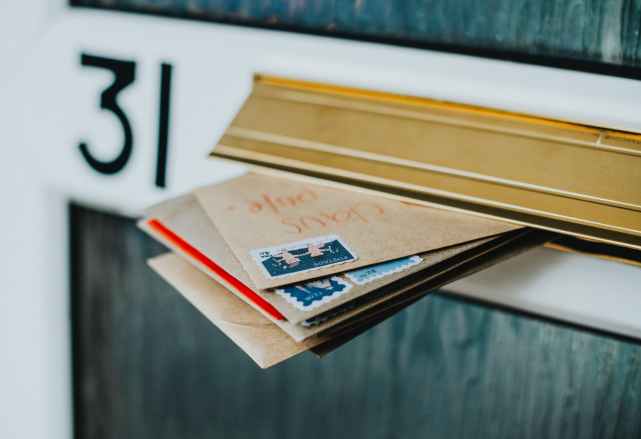
My story, The Delivery, is now up on Cafelit. It looks at what can happen when you fall foul of the old boss and not just any old boss, come to that. Hope you enjoy. It was good fun to write!

brown envelopes in mail box

The Delivery! Photo by rawpixel.com on Pexels.com

Facebook – General – and Chandler’s Ford Today

My CFT post this week was a real labour of love. (They all are but this one is particularly so). I get to talk about Swanwick Writers’ Summer School! I also look at why seeking to develop and feeding your mind is so important to a writer.

The lovely thing is you feed your mind through fabulous things like reading and interacting with your fellow writers! The best forms of development should be fun (otherwise you won’t stick with them, will you?).

Image Credit:  All Swanwick images taken by Allison Symes, except those of me reading at the Prose Open Mic Night. A huge thank you to Penny Blackburn for those. Captions as ever on the CFT post. (Also it was great to include here a photo of Jennifer C Wilson of the Kindred Spirits series at her Social Media for Writers talk at Swanwick, which rightly was very well received).

This slideshow requires JavaScript.


Tough questions to answer:-

1. Why does time drag when doing anything boring yet flies by when you’re enjoying your writing and/or reading? The latter is when I want time to slow down, thank you. I wish there was a way we could control these things.

2. Why do you run out of paper and/or printer ink half way through printing a MSS you want to work on? Why can it never be at a convenient moment? I’ve lost count of the times I’ve had to re-run a significant portion of a MSS because I went and did something else during the printing, only to come back and go “argh” (or swear, much depends on my mood!), as I discover the last 30% or so is not readable.

3. Why are there either loads of writing competitions you want to go in for because you know you can meet the brief or none at all when you could do with them? You either have the dilemma of working out what you can do in the time and miss out on entering some because you know you can’t do them all, or have nothing to submit to, and neither is good!

Special moments for writers:-

1. Finishing first story/article/book. Just getting to the end is a huge achievement. Well done! (Many say they will write, many will start, not all will see it through and complete the work).

2. First rejection. I know it sounds odd but it is proof you are getting work out there. Also, all writers get them. You’re not going to avoid this (so it’s best to face up to this and remember it is never, ever personal). This is where it can be helpful to have a couple of pieces of work out there at any one time. There is always something then that might do better.

3. First publication.

4. First writing conference (and knowing you fit right in!).

5. First acceptance of a previously rejected piece of work. You’ve looked at the piece again, edited it again, and send it to another competition or market. They take it. I believe no writing is ever wasted. So what might be rejected now might, with more work, be accepted somewhere else later.

6. Discovering new competitions/markets to submit to – this is fun!

7. First review of something you’ve written (on the assumption it is a good one).

8. First shortlisting in a competition.

9. First book signing.

10. First taking part in a book fair etc with other writers. (Okay, getting sales is another matter but it is good experience and usually fun too. They can be great opportunities to engage with readers. I’ve nearly always found, after an event, my Kindle sales have gone up even if I didn’t sell many paperbacks).

Can you think of others to add to this list? I’ve treasured all of the above (and still do).

This slideshow requires JavaScript.

Facebook – From Light to Dark and Back Again

Delighted to have my story, The Delivery, up on Cafelit today. Hope you enjoy.

Will be out and about over the weekend so hope to get more work drafted while travelling. It’s a great use of time!


red mail box

See the link to post in The Delivery. Photo by Lisa Fotios on Pexels.com


Which writing exercise do you find the most difficult?

For me, I think it is where you have to put a certain line in the middle of a story. I have written these but not often as I much prefer an opening line or a closing one.

With closing lines, I will “outline backwards” before writing the story up to make sure I get to the required line in a way that makes sense. Once I’ve got my outline I will look to see if I can improve on my initial thoughts. I nearly always can and then when happy with the outline, I write the story up.

But with a middle line, I’ve found the temptation is to cut the story into two halves. The problem with that is it may well come across to the reader as a story of two halves, which is not what you really want. So the trick there is to ensure you can’t see the join, as the wonderful Eric Morecambe so often said to the equally wonderful Ernie Wise!

What is your favourite writing exercise?

I love them all but I think for me it has to be the opening line. Why? Because a promising opening line can take you in all kinds of directions and that’s very addictive!

Usually with this I jot down a few thoughts as to where the story could go and then pick the one I like most and away I write. I do look at the ones I discarded again later and occasionally pick up on another one or two on the list. Why only occasionally?

Because inevitably those at the top of my list are the “obvious” ideas and while there is nothing wrong with them, a competition judge will have seen them all before. You want your own take on the theme that has been set which still meets that theme. You have to dig deep to find the gold.

One wonderful idea that came from Swanwick was to write down your first ten ideas. Having to come up with ten forces you to think more deeply (and laterally) about the topic and that is never a bad thing. And this can be applied to whatever kind of writing exercise or prompt you use too.

Fairytales with Bite –

Top Tips for the Aspiring Character

You are a character who wants to come to life on your creator’s page but they’re umming and ahhing about whether you are really the character they want to lead what they laughingly call their story. It is your story, naturally. They just haven’t realised it yet. So what can be done to make your writer give you your proper place in the tale?  Top tips include:-

1.  Ensure your personality is strong enough. Don’t be a doormat. Doormats not only get trodden on but, far worse, they’re forgotten. That must not happen to you.

2.  You must have good turns of phrase so your conversation is unforgettable too. If you can be witty and come out with appropriate one-liners, so much the better. Readers remember those. Your writer should remember that.

3.  Are you prepared for adventure? Are you happy for your writer to drop you right in it, several times if need be and usually from a great height? Yes? Good! They can do what they like with you then and they will like that.

Good luck! (And tell your writer to get a move on and get you in the story).

This slideshow requires JavaScript.

This World and Others – Back to Earth

I had a wonderful week at the Swanwick Writers’ Summer School and now it is back down to earth once more. I share a little of what it is like at Swanwick on my Chandler’s Ford Today post this week. I do think you need at least a week to get over a holiday, wonderful writing school or what have you.

How do your characters react when they have to come back to reality after their adventures? Most of the time we don’t find out of course because the story stops when the adventure does. One thing I love about The Lord of the Rings is it does show that things are never the same again, particularly for Frodo, when he finally returns to Middle Earth. I won’t say more than that but I thought this part of the story is realistically done. Frodo would be affected by all that he has gone through.

All stories should show that your characters (especially your main one) have changed in some way, otherwise there is no story. Changes can be positive or negative. Now I must admit I generally prefer positive changes but there is a place for the opposite. What would work best for your character and story?


Post-Swanwick and Reading Time

Publication News

Another story, The Delivery, will be on Cafelit very soon. Will share more details and the link next time. One thing I absolutely love about writing is the thrill of being published never diminishes.

Facebook – General

I expect the post-Swanwick blues to hit me on Monday when up to neck in the daily chores once again. What will keep me going is (a) looking forward to next year’s event (can’t start that too early, can you?) and (b) cracking on with my writing goals.

There was a four letter acronym at one of the courses which I’m not going to forget in a hurry and which I won’t repeat on here. (Get On With It is a politer version!). Let’s just say it’s all the motivation I need when the blues strike!

And one of the things I love about writing is the fact it DOES take you away from the world for a bit. I always feel better after writing, whether it is a short session or longer one, and that, for me, will always be reason enough to write at all.


This slideshow requires JavaScript.

Catching up with some reading now I’m back home again. It does seem odd NOT to be talking writing and books all the time (but for the sake of my family and friends, it is just as well!).

Have written down some goals and a rough timescale in which to achieve them. When outlining my stories, I do actually then get on and write them so am hoping the same will happen with the goals I’ve set myself. (It does seem more real putting them down on paper, which is vital).

Have some blog posts to prepare so time to get on but I’ll leave some mottoes for genre writers to consider!

Fantasy Writers – Off In a World of Our Own

Crime Writers – Desperately Seeking Someone Annoying to Kill for Next Book

Horror Writers – It is Always Fright Night

Historical Fiction – The Past IS my present (career!).

Delighted to say another story of mine will be up on Cafelit soon. More details later in the week.

I’ll also be sharing a few thoughts on why I love Swanwick Writers’ Summer School for CFT on Friday. I will also be looking at why writers should keep developing and honing their craft (which is only one good reason to love Swanwick as you have plenty of opportunities to do this there!).

Whether you go to conferences or not, getting out and about every now and then is a good thing for a writer. Trips out are splendid opportunities for people watching and you never know what you will come across on a visit.

One of the issues I have, given I write fairytales with bite, is it does make it difficult to find a place of direct relevance to my storytelling! I’ve yet to come across Fairyland…!😀😀 (And I am NOT the right age for Disney!).

But what I do is look for points of interest that may help feed the background of my stories later.

I went to Carisbrooke Castle on the Isle of Wight a couple of years ago and came across a psaltery there. You were allowed to play its strings and the sound was beautiful. Have not used this recollection in a story yet (note the yet!). It is funny what images and sounds stick in the memory though. What I do know is those images and sounds will come in useful for stories at some point.

This slideshow requires JavaScript.

Well I’ve had my Slimming World weigh in. Only half a pound on, which is my best ever result after a week at Swanwick Writers’ Summer School! Now if I could only manage that at Christmas…

One downside to writing is it that it is not conducive to exercise! Exercising the little grey cells to come up with the next blog post or story doesn’t exactly shed the calories. My main exercise is walking Lady at least three times a day (though one of those walks is her sprinting after her ball. She’s been playing lately with an 8.5 year old collie called Mobi and it has been great hearing a thundering collie gallop in perfect stereo!).

My other exercise is swimming. I did thnk when I first started swimming, I would be bound to come up with story ideas etc during it. Not a bean! Aside from ensuring I’m not in anyone’s way and getting round those who may be in mine (!), I tend not to think of much at all. But that I guess is where the relaxing side to swimming comes in. Freeing the mind for a while frees it up later to be creative again.

Facebook – From Light to Dark and Back Again

I was “mugged” by the dog on my return from Swanwick so I was in no doubt she WAS pleased to see me back!😃😃 Dogs are very in your face about how they feel – literally so at times. There is no pretence about them, which is one of their great strengths.

Humans… well that’s another story. We have to work out how people are feeling (or guess at it) when there are no obvious clues to work with.

How do your characters show emotion? (Not in quite the same way as my dog I presume!). Are they “open” emotionally or is it hard work to get any reaction out of them?

In a flash story, there isn’t much room for detailed emotional relationships. I tend to focus on one main character and love to show what their emotional state is via their thoughts. It is direct, saves a lot on the word count, and you as a reader see what the character really thinks (even if the character is kidding themselves).

This slideshow requires JavaScript.

F = Fun to write
L = Lively character(s)
A = Action immediately
S = Stories great for ending with a twist
H = Heroes/heroines are dropped right in it from the start

F = Finite story length but you do have some choice
I = Imagination intense to make an intense story work
C = Character(s) has/have to grip you immediately.
T = Tension, yes there’s plenty of that and not a lot of space to resolve it.
I = Intensity can vary. Reflective pieces can work well but the character has to be compelling to make that successful.
O = Oh my… what is your flash tale’s “oh my” moment?
N = Narrative take? I often favour first person.

This slideshow requires JavaScript.

Sparks for flash fiction ideas have come to me from:-

1. A scene in classic Ealing comedy, The Ladykillers.
2. Pride and Prejudice.
3. Historical events.
4. Fairytales including narrating from the fairy godmother’s POV
5. Frankenstein
6. The Sorcerer’s Apprentice
7. St. George and the Dragon (though my take on this is not the usual one!).
8. Crime stories
9. Nursery rhymes
10. Owning a dog!

The more you can mix up where you get your sparks from, the better. The more you read and take in from different genres including non-fiction, the better. Yes, watching film can help too. (When all is said and done, you are taking in a story this way. It’s just in a visual format).

Happy ideas sparking!

This slideshow requires JavaScript.

Unless I’m writing for a specific competition or market, I don’t always know what word count my flash fiction will end up being. I’ve learned not to worry about this.

I write my idea up and then see what I have to work with. I then edit it and polish it, and check the word count then. If it is close to a standard format (e.g. 110, 40, 230 etc), I will edit it to get to that point (e.g. 100, 50, 250). This makes finding a home for the piece easier to do.

If I really can’t polish the story any more, then I submit it to a market or competition which is open on word count. It really is a case of finding the right home for your story and sometimes that takes a little longer than I’d like but it is the only way I know of to increase my chances of story acceptances.


This slideshow requires JavaScript.

Goodreads Author Blog – Reading Time

I’ve not long got back from the fabulous Swanwick Writers’ Summer School and, naturally, I picked up some wonderful books from the Book Room here.

What I didn’t get while I was there was any time to do any reading! After a full day of courses, workshops, catching up with old friends, and making new ones, I was far too tired to do much in the way of reading.

I managed to read two magazine articles while I was there! Hmm… not much at all in six days.

Of course, this has meant my TBR pile has increased but there are worse problems in life than that one!

Having said all of that, I was taking in plenty of great material via the course presentations etc and that was the important reading I did want to focus on.

Catching up with my reading will cheer me up immensely as the post-Swanwick and back to the real world blues hit home.

There is much to be grateful for when it comes to reading!

My usual routine is to give myself enough time to read before sleeping and I will often dip into a magazine at lunchtime, say. That was out of the question while I was away but being immersed in a world totally dedicated to reading and writing stories, books, scripts, non-fiction etc. was fantastic.

This slideshow requires JavaScript.


Swanwick Report 2 (This Time It’s Personal!)

Facebook – General – and Chandler’s Ford Today

I was on way home from Swanwick as I drafted this earlier this afternoon. Not sure I’m ready to face the real world yet but the weekend will help.

Mind, it was lovely getting home to the family again, and I was mugged by Lady in a totally good way as well! One happy dog…

My CFT post this week is Making Space Part 2 and here I share thoughts and tips on this for writers. Hope you find at least some of them helpful.

Planning is key to my getting writing done at all and it pays to make space for that planning. It really does help you be more productive. Try it and see!

Image Credit:  Pixabay.  Captions on CFT.

This slideshow requires JavaScript.

Publication News:  Cafelit

Busy night for me! I forgot to share this earlier this week but better late than never…

Am pleased to say my story, Life is What You Make It, went up on Cafelit on 12th August. Hope you enjoy.

This slideshow requires JavaScript.

Why does Swanwick week always speed by? Glad to see sun come out in time for the Dregs Party held on the main lawn though.

Really encouraged on the non-fiction front and have written flash fiction stories too. Plenty to be getting on with when I get back home (and not just my laundry!).

The joy of writing is in being creative and discovering and enjoying new forms in which to write.

The joy of Swanwick is you know there are close to 300 people there with you who totally understand that.

Image Credit:  Swanwick pictures taken by me but a huge thank  you to Penny Blackburn for the one of me reading at the Open Prose Mic Night.

This slideshow requires JavaScript.

I picked Getting Lost, Mirrored, and Test Pilot to read at the Swanwick Prose Open Mic night. Many thanks to Penny Blackburn for the pic (above).

Another full day of inspiring courses and workshops. It takes a while after you get home to process all you know will be useful to you but that’s fine. Knowing what you want to do is key and coming to Swanwick can and has been helping me hone in on that.

Facebook – From Light to Dark and Back Again

Have three flash stories drafted as a result of Swanwick. All need polishing though. I never get as much writing done as I think I will at Swanwick, because your head (and notebooks) are full of ideas to follow up when you get back.

I also want to cherish time spent with other writers, most of whom I won’t see for another year. This is where social media is such a blessing in that it makes you able to stay in touch that way.

What was great was coming across a number of other flash fiction writers. The form is growing and that will lead to more fantastic stories. Win-win there!

The nice thing with writing for competitions is if a place doesn’t get placed, you have a story you can look at again and rework and submit elsewhere.

Most of the time you won’t be placed. Does that sound depressing? Perhaps but on the assumption there’s nothing wrong with your story, other factors happen such as:-

  1. The judge has already read a story very similar to yours and, for whatever reason, the other has the edge. There’s not much you can do here other than make your work as polished as possible and try not to go for the too obvious interpretation of a theme.

  2. For open competitions especially, judges may genuinely have a preference for a particular story type or genre and yours doesn’t float their boat. Just get the work out somewhere else appropriate.

Good luck!

This slideshow requires JavaScript.

I love it when flashes of inspiration strike though nobody says they have to come at convenient times, unfortunately.

My awkward-to-get-to-a-pen moments include:-

Being in the shower when a real cracker of an idea turns up.

Being on the loo when etc etc.

Being stuck in traffic and I’m driving.

Longing to write when on a train but you’re packed in so tight even an exceptionally skinny ant would have trouble finding space. {Anyone come across an obese ant? Just thought I’d ask!).

Oh well…

This slideshow requires JavaScript.

Fairytales with Bite – Making Space

My CFT post this week discusses why Making Space is a great idea for writers. See http://chandlersfordtoday.co.uk/making-space-part-2-the-writing-view/

I believe fairytales and fantasy fills the spaces between reality and chaos. Why? Because so many tales in these genres reflect what we can be like, while others give strong moral messages. Why do we need such things?

  1. To guide us as to what our behaviour should/should not be;
  2. To show us what life could be like without kindness, gratitude etc. Would you really not want things to come right for Cinderella, for example?

As writers, we also need to give our characters space to develop in themselves and as part of the plot development. A character who doesn’t change will be of little interest to readers.

This World and Others – Entering Another World

You do feel as if you enter another world when you go to Swanwick Writers’ Summer School. For a week, I do! Coming out of that world again can be a wrench too.

Image Credit:  Photos of Swanwick taken by me with the exception of my reading at the Open Prose Mic Night. Many thanks to Penny Blackburn for that. ALREADY SHARED ABOVE.

But going home with ideas to work on will take me back into the fantastic world of the imagination in no time. So that’s all right then!😀 The really nice thing about this?

It applies whether you write flash or other fiction and non-fiction.

When you want to escape this world for a bit, write!

Your title needs to make an impact quickly and especially if writing flash fiction as it can set mood and save you word count - PixabayThe first title idea you have may need to change later but that's okay - PixabayAnd the first thing people will want to know is the title - Pixabay918521_S.jpg

594132_S.jpg

Still room for pen and paper drafts. Pixabay


Making Space and Variety

Publication News

Another story, Life Is What You Make It, will be up on Cafelit on 12th August. Am sharing link to my author page here but do check out the other writers on here too. There is a wonderful range of writing here.

Facebook – General – and Chandler’s Ford Today

My CFT post this week on Making Space is a two-parter and was inspired by a recent visit to the Sky Gardens in London. I had great fun spotting so many landmarks from a literally great height!

Making space to write is fundamental and, for me, this involves planning out my writing slots and how I’ll use them. I know that without the planning, I would get far less done, far less stories sent out (and less chance of acceptances too) etc.

I’ll share some tips I’ve found useful here in Part 2 of this post which will be be up on 16th August. And, yes, I’ve scheduled it! I should schedule posts more often but my problem is finding time/making the space to draft several blog posts in one go. I also do like writing posts like this “live” as it keeps me on my toes, which is never a bad thing.

The happy answer of course is to do a mixture of both but I find that I do most of my scheduling ahead of things like Swanwick or my holidays. I suspect that may be true for many of us!

Image Credit:  The images of London from the Sky Gardens were taken by Allison Symes on 27th July 2019. The other images, as ever, are from the marvellous Pixabay. Captions are on the CFT post.

This slideshow requires JavaScript.

Have set up a list of tasks on Evernote for me to start drafting while on the train to Derbyshire on Saturday for the Swanwick Writers’ Summer School. (Hit the ground running so to speak!).

Discovered recently the Slimming World HQ is near where I’ll be going too. Have no plans to call in (especially towards the end of next week. They do look after you very well at Swanwick!).

Will be taking a couple of projects to work on as well. How much time I get to spend on them remains to be seen but I always like to have something to work on. (I usually do get more done than I might have done at home).

Have I made up my mind about what courses/workshops I’ll go to? Of course not! Yes, I’ve a rough idea, but I know I’ll change my mind yet again before getting there! But that’s the fun of it….

Anticipate meeting up with old friends, making new ones, learning loads, and ending up with a head and notebook crammed full of ideas to work on. Now what’s NOT to like about that?

Image Credit:  Images from Swanwick taken by me. It is such a lovely place to be. A big thank you to Geoff Parkes for taking the image of me reading at the Swanwick Prose Open Mic night last year.  All other images are from Pixabay.


This slideshow requires JavaScript.

My CFT post this week is a two-parter on Making Space. Part 1 focuses on making space in cities, making space in packing (apt given I’m about to go to Swanwick Writers’ Summer School!), and I also discuss decluttering and books.

Mind, you can probably guess what stance I take on decluttering when it comes to books.

I also share my thoughts on white space and share my favourite quote about packing/going away which always makes me laugh out loud when I re-read it. Hope it does the same for you!

Facebook – From Light to Dark and Back Again

Transformation stories can work well in flash fiction. My Getting It Right is an example of this. It is written from the viewpoint of Snow White’s evil stepmother as she transforms into the old crone. I ONLY show that moment and her thoughts on what has led to it and that’s all. It’s all that’s needed.

Flash is brilliant at making you focus on the core of the story, which is another reason I love it. I like to think of it as precision writing given every word must punch its weight to justify staying in the story.


Key ingredients for a good flash fiction story:-

1. Strong leading character.
2. A focused incident/point of change. Less IS more here.
3. Dialogue (if used) or internal thoughts to be to the point.
4. Promising opening line (which can keep a reader guessing).
5. No sagging middles!
6. A powerful ending that fulfil the promise of the opening line.

Last but not least:-

7. An intriguing title which can be open to interpretation.

Why put that one last especially as I have to a title to get me started on any piece of work?

Because an intriguing title is fab but without the other six ingredients being in place, said title will fall flat.

This slideshow requires JavaScript.

What makes a good flash fiction story become a great one? My thoughts on that are:-

1. The story has to make me react – a story that is meant to be funny DOES amuse me, a scary one DOES make my blood run cold etc.

2. A powerful beginning which is backed up all the way to an equally powerful ending. No “sagging bits”.

3. Unforgettable characters (whether I love to love them or loathe them).

4. I am a sucker for a good punchline, I admit, or a twist ending that I didn’t see coming. What I love with those is then going back through the story again and spotting the clues the author did put in. On first reading, I am always keen just to see how the story pans out so it easy to miss something enroute. A really great story will withstand repeated readings and will give you something new with each read too. (Sometimes that can just be an increased sense of admiration for wonderful characterisation. I love that – and of course it inspires me to “up my own game”, which is never a bad thing).

This slideshow requires JavaScript.

Fairytales with Bite – Variety is the Spice of Life

Variety is the spice of the writing life. Last week’s CFT post was a review of a wonderful spoof staged by The Chameleon Theatre Group and this week I discuss Making Space.

I love variety in reading and writing. The former inspire ideas for posts and stories (and the wider you cast your net here the more opportunities you have for being inspired. Literally keep an open mind and feed your mind well with wonderful material from other writers!).  The latter keeps me on my toes. I love meeting the challenges of flash fiction and short story writing. I love meeting the challenges of non-fiction writing too.

But there’s nothing wrong with sticking to one genre if that is what you prefer to do. So how can you bring variety in here? The crucial point is to enjoy what you write, whatever it is you go in for. If you’re bored, that will show through in your writing (and I think will eventually lead you to stop writing altogether). For story writers, it is all down to characters as you can come up with so many combinations of characters and situations to write about. For me, a story is all about the character. It’s then fun to find out what happens to them.

For non-fiction, I look at themes that interest me and write articles and posts around those. One obvious theme is writing. I love reading and writing about writing (and I enjoy sharing tips I’ve found useful. I am grateful to authors who have likewise inspired and helped me here. One of the loveliest things about the writing world is, with few exceptions, it is a supportive one. You learn something, share it, someone else learns, their writing benefits and overall literature benefits too. We will always need a supply of writers across the genres and age ranges).

This World and Others – Making Space

I start a two-part series on Chandler’s Ford Today this week on Making Space and next week’s part will share some thoughts on this from a writing perspective. Meanwhile, where does making space come into your creation of characters?

I think the best way to answer that is to list what I think a truly great character needs to have. Also, it really does pay to take time out (make space) to think about your characters in advance and plan them out. It doesn’t mean you have to plan everything but you do need to know about your people in enough detail to be able to write about and for them with utter conviction. You need to decide what you need to know first!

I am convinced that when a writer writes with conviction something of that does show through in your writing and readers subconciously pick up on that. I also think they pick up when a character really doesn’t work and I know, for me, when that has happened, it is nearly always due to my not taking the time to flesh my character out properly in the first place.

So a truly great character should:-

  1. Be Memorable (and that usually means having distinctive traits a reader will love to love or love to hate. Both work but not usually in the same character!).
  2. Be someone a reader would want to identify with or be happy they’re nothing like them!
  3. Be put in situations a reader has to find out whether the character resolves or not (and how.  Failure to resolve something can ironically be a resolution of sorts. For example, a character wants to achieve a goal, they find they can’t do it, but they do achieve something positive they had not done before despite the overall “failure”. Readers will pick up on something being achieved, a positive point of change for the character, and everyone accepts not all endings are happy ones necessarily. Endings do have to be appropriate).

This slideshow requires JavaScript.


Work In Progress/Flash Fiction Ideas

Image Credit: Unless otherwise stated, all pictures are from Pixabay.

Facebook – General

A week today and I’ll be at the Swanwick Writers’ Summer School again. Can’t wait! Always good to catch up with old friends, make new ones, and learn so much from the different courses and workshops. The usual dilemma of which ones to go to applies… but I know I’m in good company with that!

Many thanks to all who’ve read Stolen on Cafelit.

Hope to get another story off for a competition this coming week. Am making a conscious effort to increase my throughput (so to speak) and am pleased I’ve done better this year on this than I did at the same time twelve months ago.

As for where I don’t hear what the results are or where I receive outright rejections, I will review those stories later in the year and see if I can submit them elsewhere. Usually, I can. Sometimes I can spot something, after a break away from it, that could do with strengthening so I work on the story and then re-submit it. Very little is wasted!

Update:  Am pleased to say I will have another story up on Cafelit on 12th August. More nearer the time.

And the first thing people will want to know is the title - Pixabay

I can’t remember what the first story I wrote was. It was not published but to begin with I didn’t write with publication in mind. My first thoughts were to see if (a) I could write a story at all and then (b) can I repeat the process?

I kept doing that for a while until I had a reasonable number and then started submitting work (on the grounds I had absolutely nothing to lose so may as well give it my best shot. If I was published I’d be thrilled to bits. I was – and I was! I still love that thrill of knowing something of mine has been accepted for publication. That’s the nice thing. That thrill does not diminish!).

I will always remember the first story that was published though! (A Helping Hand in Bridge House Publishing’s Alternative Renditions anthology. I suspect time will stand still long before I forget that!).

This slideshow requires JavaScript.

Pleased Just a Minute is back on Radio 4. That and Clue are the main comedy shows I listen to now. JAM is a wonderful way of discovering just how hard it is NOT to repeat, deviate, or hesitate when talking on a topic. Know I couldn’t do it.

Repetition in writing is something I have mixed feelings on. I sometimes repeat a word or phrase deliberately for emphasis. Sometimes I get a character to use a particular word so whenever it comes up, you know it’s that character who is speaking. (I avoid tags as much as possible but generally stick to he said/she said/it said when I do need to use them).

When I edit, I’m looking out for the repetitions I didn’t mean to do and there are always some! (This is another reason for reading work out loud by the way. I’ve found I’ve missed things even looking at a printout. Reading the work out literally brings home your repetitions and other failings as you hear yourself speak and realise you’ve used a phrase several times when you didn’t need to or mean to).

Delighted to say I’ll have another story up on Cafelit next week too. More details a bit nearer the time. Looking forward to sharing the link while I’m at Swanwick too.

This slideshow requires JavaScript.

I don’t schedule posts as often as could but I will be preparing a two-part CFT article on Making Space, which I’ll schedule for this Friday and the one after. (I will be very tired but happy after a wonderful week at Swanwick for the second part of my post, which will focus on making space as a writer. More details on the first part tomorrow).

I usually schedule posts for when I’m due to be away but, increasingly thanks to Evernote and a smartphone, I’m drafting posts and then putting up later the same day. I often use train journeys for this as well as my flash fiction. It means I get a nice mixture of writing done.

I need to try to write up posts in batches more often and schedule them, as I’m sure that will prove to be more efficient. The nice thing is as well is if something topical comes up, you just change your schedule for whatever you WERE going to post. You can always use that another time. The only thing to watch is to ensure any batch posts are all timeless and could go up at any time.

Pleased to say I submitted another story yesterday for a competition. Have submitted more work at this time this year than twelve months ago so pleased with that. Need to catch up on the writing prompts in my diary too as I know those will trigger more stories.

As you can no doubt tell, I don’t have time to get bored! But that is a very good thing indeed…

This slideshow requires JavaScript.

Facebook – From Light to Dark and Back Again

Favourite things about flash fiction for me:-

1. Can read a story in one sitting. (Invaluable when I’m short of time).

2. Great for twist endings (which I adore).

3. One-liners and punchlines work well here too and again I adore those.

4. You can set your character in any genre you want. It is only the word count you’re watching. I’ve found as a result the story has to be character led as that is more direct. There is no room for descriptions or interaction with many other characters after all.

5. I love writing dialogue. Not a lot of room for that in flash but what I can do is show you some of my character’s thoughts and I love writing those too. The great thing with that is you will pick up on the character’s general attitude to life. In dialogue they may disguise that especially if they want to impress someone.

Sometimes a flash story tips over and becomes a longer 1500+ tale and that’s fine. It just gets submitted to a different market/competition.

I’ve learned over time to let my character(s) have their voice. The trick is ensuring that what emerges IS relevant to the story (or deepens it and makes it more meaningful).

Writers need to come with an in-built “you’re waffling and you know you are, cut NOW” detector!

The critical test for me is to ask myself does a reader really need to know this? Will their enjoyment of the story be greater if this is in the piece? If it’s Yes and Yes, the material stays in. If there’s any doubt on either, out it comes.

This slideshow requires JavaScript.

Loving listening to the Pink Panther theme on Classic FM tonight. (You’ll be humming it all night now. I know I will but it is wonderful music! Loved the films AND the cartoons. I don’t know how many other films spawned cartoons either).

So you have distinctive and memorable pieces of music then across the genres. The challenge for writers is to make OUR writing distinctive and memorable.

For me, the only way to do that is to have stand-out characters. It’s never about the plot for me. It’s always about whether the character engages me regardless of whether the story is a 50 word dribble, a 100 word drabble, or a 250,000 word epic saga!

I find working out what my main character’s chief trait is going to be a useful way to unlocking what makes them tick, WHY that trait is their chief one and so on.

For my flash stories (and especially the first person ones), I have to know what my character’s voice is before I start writing them. Are they whiny? Boastful? Remorseful etc etc? Only when I think I’ve got a handle on who they really are do I start writing the story. Outlining like this has saved me a lot of time later.

Where I’ve found ideas for flash fiction stories includes:-

1. Proverbs (to use both as titles and themes).

2. Advertising phrases

3. Taking a period of history I like and writing from the viewpoint of one of my favourite characters from that period.

4. Other well known phrases (e.g. my Circle of Life, Pressing the Flesh, and Coming Up Roses).

5. Turning stereotypes on their head (e.g. my George Changes His Mind. Let’s just say I have an alternative view as to what happened when George met that dragon).

6. Using an alliterative title and seeing where it takes me (e.g. my Pen Portrait). The more open to interpretation the title, the better.

7. Taking a book I like (e.g. Pride and Prejudice) and writing a snapshot story from the viewpoint of one of the characters (e.g. my Changing My Mind is from the viewpoint of Mr Darcy).

8. Picking a fiction genre and seeing if I can write a flash fiction story in it. (I’ve written what I call light horror such as my Calling the Doctor in this vein).

9. Posing a question as the title and again seeing where it might take me.

10. Using a letter format from one character to another to generate a story.

What I like most is mixing up the methods used. It keeps me on my toes and I think makes the writing more interesting. It is really important to have fun with what you write, I think.

This slideshow requires JavaScript.

Goodreads Author Blog – Books You Can’t Finish

I’m glad to say there aren’t many books I haven’t been able to finish but I guess this is one of those things that happens to most of us.

I always think it’s a bit of a shame when this does occur and I ask myself just why I couldn’t finish the book. The answer is nearly always that the characters didn’t grip me enough to make me want to find out what happened to them.

These days, given life is short and I have to TBR pile to be seen to be believed (and on my Kindle too!), anything that doesn’t hook me quickly is discarded.

It’s a good challenge to me as a writer to ensure I do put plenty of hooks into my flash fiction and short stories.

It also makes you appreciate those wonderful writers who can keep doing this book after book after book over many, many years. When I think P.G. Wodehouse wrote over 90 books and was consistently funny, well for me that’s genius and should be recognised as such.

Now back to my reading…


PERSPECTIVE AND PUBLICATION NEWS

Facebook – General

Hope it has cooled down where you are. I prefer a temperate climate, as does the dog. I also find it easier to focus.

Does the time of year affect what you write? I can’t say it does for me as I write a mixture of light and darker pieces throughout the year.

If the seasons do affect what you write, how can you play to the strengths of this? I would’ve thought it is probably better to work with it rather than to try to fight it, if only because you’ll feel less frustrated that way.

Analysing how you work is a good idea, whether you’re affected by the seasons or not. For me, the amount of time I have per writing session is more important and I aim to make the most of each slot. My goal is to be able to look back and feel it was a good writing session, regardless of whether I had ten minutes or three hours.

Happy writing!😊


Image Credit:  Generally Pixabay as usual but the Scottish beach and loch pictures were taken by me earlier this year.

Glad to be home from a very busy day in London yesterday. Loved visiting the Sky Gardens. They were great and the views incredible. I’d never seen the Tower of London look like it was a Lego sized kit before! I guess it just goes to show perspective is everything.

Perspective is everything for your characters too and indeed for you as you write the story. Just who is your lead and why have you chosen them? Why does it matter to show their perspective and not another character‘s view of the world instead?

What is fun is to write from the perspective of a character you know you wouldn’t sympathise with in any kind of life yet alone the real one. The challenge here is to write about them convincingly despite your own antipathy to them.

Working out how to get into their head to show their reasons for being the way they are will push you into exploring how they got to be at this point in the first place. That will make for interesting characterisation for one thing. It will almost certainly increase the drama in your story too.

Images below taken by me as at 27th July 2019. It isn’t often I get to take a shot with the caption already on it! Also have fun spotting the landmarks.

Publication News

A busy day on the writing front. Glad to share the links for my ACW More Than Writers’ blog which discusses whether or not it is easier to write during the summer.

Also glad to share the link to Stolen, my latest story on Cafelit. This is the nearest I’ve got to an autobiographical story (and probably the nearest I will get I think. I identify with Sarah in this one).

The nature of this story meant I knew it wasn’t going to be a flash piece but that’s fine. The story has to be what it is. If it’s over 1000 words then so be it.


Am sharing an extract from both More than Writers and Stolen here as a taster. Hope you enjoy.

Summertime and the Writing Is Easy…

Or not maybe… Apologies to George Gershwin for misquoting his classic (though I still prefer Rhapsody in Blue).

Do you find writing in summer easier than during the winter? The jury’s out for me here. I try to keep a consistent writing level up for most of the year because, regardless of season, there are always distractions. But there are times when I write less and I’ve learned to come to terms with that…..

Stolen

by Allison Symes

cranberry juice


I’m not going to the bloody doctors.  I couldn’t tell you how often Sarah goes on about it.  When will she take the hint?  I do know my own mind.  I swear she thinks I’m going loopy.  She says not but why else would she want me to go to the doctors when there’s nothing wrong with me?

It’s perfectly normal for older people to forget things sometimes.  Hell, she’s done so herself.  She forgot my birthday last week.  I was really hurt by that.  I was bloody annoyed when she told me my birthday is next month.  I should know my own birthday.

Oh my cup of tea has gone cold.  Did I forget to drink it?  Did I forget to put the kettle on at all and just poured cold water into my mug?  I did do that last Wednesday but I’d had a stressful time of it arguing with Sarah again and well that kind of thing is bound to make you forget odd things, isn’t it?  I didn’t tell Sarah I did this.  She’d have seen it as proof I do need to go and see Dr. Page.

Sarah keeps telling me I shouldn’t be afraid to go to the doctors.  Dr. Page is sympathetic, is bound to have treated patients with memory loss before and there is more awareness now of “mind” issues.  Sarah says this covers everything from depression to dementia.  Sarah is right on all of this but how it applies to me I couldn’t tell you.  I am perfectly healthy.  Sarah says I’m in denial.  There is something wrong when your own daughter tries to tell you what to do.

And I’m simply not having that.  Sarah ought to be pleased.  If ever there was proof I do know my own mind, this is it, surely……

Facebook – General

The challenge of writing stories like Stolen, when they pack an emotional punch, is keeping your own emotions out of it while you’re writing it. You have to put some distance between yourself and the voice of your lead character(s) so it is THEIR story coming through and not yours as the author. You also want the emotion to be authentic and not spill over into melodrama.

This is why it is crucial to put a story aside for a while before revisiting it to edit it. I’ve found it is the only way to get the necessary distance so I can judge what I’ve still got to do on the story objectively (and there is always something!).

This slideshow requires JavaScript.

Facebook – From Light to Dark and Back Again

What is your favourite form of flash fiction? The 100-worder? The 500-worder? Funny? Darker? I love them all of course but if there is one kind that sneaks its way to the top of my list, it is the 100-worder with a humorous twist. So here goes…

Late Running

The ghost train ran straight through the station. It must make up time.

If you thought fines issued to late running train companies on earth were inadequate, you wouldn’t be disappointed here.

Miscreants were treated according to species. Ghosts were obliterated. Vampires were drained down. The rumours tonight were not good.The controllers were more foul than usual. The Boss was due to visit to check all was well…or as bad as this service was meant to be. He wouldn’t be let down by sloppy staff.

Bonemeal was mentioned.

After all, the train was run by a skeleton crew.

Ends.

Allison Symes – 27th July 2019

This slideshow requires JavaScript.

Image may contain: night

If there’s anything odd going on tonight, the cat will not spill the beans.  Pixabay

Image may contain: outdoor

Speeding restrictions apply to all but there are always some who ignore the rules. Pixabay

Must ‘fess up and say I’ve got a few writing prompts to catch up with in my diary but all have the potential to make promising flash fiction stories. Will probably have a go at some of these later in the week. (I tend to get my CFT post sorted first, then resume work on fiction).

Was pleased with my Late Running story I wrote on the train yesterday. Hope you enjoyed it. I am partial to puns and they can be used in flash fiction effectively. You can’t go on at length in flash as you’d defeat the whole object of it so a short pun as a twist ending or as part of a character’s thoughts can work well.

I love writing as well as reading these but, as with most things I guess, puns etc work best when not overdone.

This slideshow requires JavaScript.

My latest story on Cafelit, Stolen, isn’t a flash fiction piece, far from it. The nature of the story meant it had to go well over 1000 words but that’s fine. Not only do I keep my hand in writing a mixture of fiction, it kind of proves the point the story has to be what it has to be.

It never pays to try to cut a story so you can get it to count as flash somewhere.

The stories that work best as flash fiction are those where you want to focus on one intense moment in a character’s life and nothing else. Where there is more than one, you are better off writing a longer story to begin with, otherwise you will sell it short (and reduce your publication chances too).

Time can be an awkward thing to write into flash fiction stories. Most will consist of one vital moment to a character and so the span of time where the action takes place is very short. I’ve found I’ve needed stories towards the upper limit of flash (1000 words) to be able to show action taking place across a longer time span.

For example my Rewards has a time span of one evening and the next morning while my Expecting refers to time as a character realises they haven’t heard from someone for a while.

Flash I think does work best when it is for the moment. Even when I write historical flash, I’m looking at one incident in one character’s life. Time comes into the setting I’ve chosen to use and acts as a backdrop.

This slideshow requires JavaScript.

Goodreads Author Blog –

What a Good Book Can Lead To

Have you known a good book to change you?

For me, The Daughter of Time by Josephine Tey has led to a huge interest in Richard III and conviction he is not guilty of the murder of The Princes in the Tower, assuming they were killed.

There is no evidence they were killed and my own view is at least one was smuggled out of the country. Richard himself was smuggled out as a boy so it would’ve been known it could be done and Henry Tudor was never able to prove where the boys were, else he would’ve done. That really would have damned Richard.

That aside, good books have expanded my view of how irony works thanks to Austen, Wodehouse, and Pratchett. Now there’s a trio for you!

Good books have expanded my ideas of what can be done in fiction, especially in fantasy. There’s a reason The Lord of the Rings is considered an epic. It is! The sheer scale and scope of the trilogy will always amaze me.

Good books open your mind and imagination.

Happy reading!


Publication News and Starting a Story

Facebook – General

I’m thrilled to say two of my flash stories, Dignity and Injustice, and The Art Critic, will be in the Best of Cafelit 8, which will be launched in December. All of the stories included in this book have been voted on by readers too so that makes it even more special. Thank you, everyone.

And a huge congratulations to all my fellow authors, who are as eager to see their stories in this book as I am with mine!

A special thank you to PaulaReadman for putting up the following list on Facebook earlier today. Am cheerfully swiping it to include here. Well done all!

The Best of CafeLit 8
Salisbury Plain, February 1946 by Laura Gray
No Room for Them by Dawn Knox
She Says We’ll Get There Soon by Hannah Retallick
Jeopardy in Pink,by Penny Rogers
Marking Time by Janet Howson
Rose Tinted Glass by Linda Payne
Remembrance Day by Jim Bates
Yellowjackets by James Bates
God works in mysterious ways especially at Christmas by Robin Wrigley
Goodbye My Lush by Shawn Klimek
Losing Tony by Gill James
Self Assessment by Peppy Barlow
Years & Years by Kim Martins
Airport Sandwiches by Pat Jourdan
Budgies and Bingo by Alyson Faye
Dignity and Injustice by Allison Symes
The Lady in Red by Caroline S Kent
Untrodden Snow by Paula Readman
A Walk in the Woods by Jo Deardon
Father Van Der Bosch’s Last Christmas by Robin Wrigley
Gemini Rising by Paula Readman
The First Time by Patricia Gallagher
Bats Downunder by Mehreen Ahmed
Induction Day by Janet Howson
Life Begins at the 250 Bus Stop by Jacqueline Ewers
On Time by Lisa Williams
Redemption by Richard Hough
The Art Critic by Allison Symes

And in the meantime, if you like an ecletic mix of stories in terms of mood, word count, genre etc., do check out the rest of the Cafelit series.

https://www.bookdepository.com/search…

https://www.amazon.co.uk/…/B01…/ref=as_sl_pc_qf_sp_asin_til…

This slideshow requires JavaScript.

How do you start a story? I have to know the voice of my character/narrator. Are they brusque? Are they feisty? Are they hard done by (or feel they are – of course it doesn’t mean they’re right!)?

I also have to know what their main trait is – are they brave? Selfish? Kind to animals but rotten to their fellow man?

With those two things firmly in place, I can then outline more about this character and as they come to life, I can work out the best situations to dump them in to bring out both the best and worst of their personalities.

I find the Scrivener outlining tool on their fiction template really useful for this but you can create your own. Decide on what you need to know about your character before you write them up and turn that into a template. Prep work pays!

Enjoyed the Fryern Funtasia today. Will be writing about that for CFT for Friday. Good to catch up with my lovely CFT editor, Janet Williams, too.

Other events I’m looking forward to are the Winchester Writers’ Festival and Swanwick and I hope to get along to the Waterloo Arts Festival as well. I had a piece in their writing competition ebook To Be…To Become last year.

Right at the end of the year will be the launch of The Best of Cafelit 8 in which I will have two stories. A great time is had by all who go to that!

Whatever writing events you are off to over the next few months, have a fab time!

Image Credit:  Many thanks to Dawn Kentish Knox for the picture of me reading at last year’s Bridge House event.


This slideshow requires JavaScript.

How do your characters handle disappointment? Are they of the “have it all out in one almighty tantrum” school of thought or do they prefer the quiet sulk? What drives them to react the way they do?

Do they use setbacks to find different ways of overcoming problems or do they give up? (If the latter, they’re not going to be of much interest as a character, unless the giving up is temporary, they start again and go on to find better ways of doing things, which can be a great story in itself).

Give some thought as to what really motivates your characters to react the way they do. Are they reacting the way their families have always done/expect them to or rebel against that?

Facebook – From Light to Dark and Back Again

Two of my flash stories, The Art Critic, and Dignity and Injustice, will be appearing in The Best of Cafelit 8 in December. Am thrilled, naturally.

Dignity and Injustice is one of my favourite historical pieces. The Art Critic is very different!

Days like this are wonderful for all sorts of reasons, not least in that it encourages you to get back on and write more flash fiction!

Congratulations to all my fellow authors, who will be appearing in the book too. A special well done to those who are appearing in print for the first time. It is such a special moment!

I am looking forward to catching up with as many of my fellow contributors as possible for a very convivial time at the launch of the book in December! As for the second picture below, well I would say that, wouldn’t I?

This slideshow requires JavaScript.

The best stories reveal something about ourselves. What flash fiction does is focus on one particular point and leave the reader to draw their own conclusions, both from what has been said, and what is inferred but not spelt out.

This was one thing I loved about the plays staged by the Chameleon Theatre Group I reviewed last week. Each play had plenty of inferences. I love filling in the gaps. I just need enough information to be able to do so.

So how do you decide what IS enough information? Well, this is where the restricted word count of flash fiction can be your friend as it imposes a limit. You really do have to work out what a reader has to know to be able to make inferences and leave anything not achieving that out. Best of all, you get to decide what the reader has to know!


This slideshow requires JavaScript.

Things flash fiction should not be:-

1. Too long! (You have up to 1K words).
2. Truncated prose. (The story must have a proper beginning, middle and end, same as with any other form of writing).
3. Too many characters. (You really don’t have the word count for them).
4. Sub plots. (As for 3 above!).
5. Too clever! (A story illuminates a moment of change, flash fiction focuses INTENSELY on one specific moment so you have to focus on what achieves that and nothing else).

Repeating a word to start consecutive sentences in story can be a great way to set a rhythm for the tale, as well as provide emphasis. I do this with Watching Myself.

I also like to use a character’s thoughts sometimes as a great way into the story. You get to see something of the character immediately that way. I do this in Rewards.

It is a good idea to mix up how you start your tales as it keeps things interesting for you (and as a result your reader) and you will get different things from varying the way you start.

Beginning with a character’s thoughts takes you right into their mindset and attitudes and a reader can begin to make conclusions from that.

Beginning with the same word in consecutive sentences sets up a “beat” and should trigger anticipation in the reader. What is important about this word? It must have some bearing on the story (and of course it will).

This slideshow requires JavaScript.


Goodreads Author Blog – The Dangers of Reading

Reading is wonderful but it can also be dangerous. Why?

1. Reading widely will open your mind and challenge thoughts and ideas. That is why in repressive regimes writers and journalists have been amongst the first to suffer. It’s why I admire George Orwell. He got on the nerves of both the far left and far right! That’s the way to do it…

2. Reading widely is often the trigger for creative writing. Once the bug bites you, it doesn’t let go! The challenge of creating your own stories is a wonderful one. The challenge of trying to write better, whether it is for publication or not, makes you try to up your game. You WILL be stretched mentally and imaginatively. That is how it should be.

3. Reading across the genres will help you discover what you like and dislike or, more accurately, what you THINK you like and dislike. I’d never heard of flash fiction when I first started writing (and it wasn’t around as a form when I started reading independently!). But in coming across the form and trying it in terms of reading it as well as writing it, I’ve discovered a love of the very short story form I never anticipated developing.

Where will your reading journey take you?

How will it surprise you and are you ready to be surprised?

Have fun finding out!


Achievements and Descriptions

Facebook – General

When you write descriptions, do you just focus on what a character can see? Do you bring in what they can feel/touch/taste etc? Also an interesting perspective can be to take what is a normal everyday object but show it from the viewpoint of someone who has never seen it before. (The reasons why they haven’t seen it would be interesting too).

In flash fiction, of course, you can’t be overly descriptive. You simply haven’t got the word room. In my Telling the Time I refer to an object as a “beautiful grandfather clock”, leaving it to the reader to imagine what THEY would think such a thing would look like. In my Rewards, I do bring in a thick red carpet but that purpose is to show my character, Becky, pacing around on it!

Description then, like any other element of a story, has to serve a purpose. If it doesn’t, it really shouldn’t be there even if you are writing an epic saga and word count isn’t an issue!

This slideshow requires JavaScript.

What do you want to achieve most with your writing?

For me, it is knowing I’ve created a piece of work (of whatever word count) that entertains others. Course I wouldn’t object to being a bestselling author etc but then who would?!

But given there are no guarantees the latter will ever happen, it is far better to focus on writing because you love it and to do so to the best of your abilities. Then put it out into the market and see what happens!

You also have to accept from the outset I think that you are in for the long haul and adapt expectations accordingly. Persistence pays only when you put in the work to get your MSS up to publication standard and that takes time and more effort than non-writers realise.

This slideshow requires JavaScript.

What made you decide to write and why? Did you find what you wanted to write immediately or did you have to try short stories/novels etc before finally settling on what you really want to do?

The fascinating thing here is no two writers have exactly the same journey, even if a lot of their paths cross.

I started off with an idea for a novel, wrote that book, it was longlisted for a competition years ago and then I wrote short stories and flash fiction. I am now revisiting that early novel given flash fiction has taught me so much about editing and I know applying that to the book will do it the world of good.

As for why I decided to write at all, it was one of those things I knew I would have to at least try. I’ve always loved working with/playing with words. My only regret here is not starting a lot sooner than I did. But what matters is starting and then keeping going.

Biggest joy of writing? Yes, being published, but making so many writer friends is right up there too.

This slideshow requires JavaScript.

I’m looking at the highs and lows of the writing life in this week’s CFT. I hope it’ll be an eyeopener for readers, or indeed anyone who knows a writer, especially on why reviews and supporting writer events matters so much. Link up on Friday.

NB: This post definitely comes into the “write what you know” category!

Also pleased to say I’m in the Spring edition of Christian Writer talking about Making Your Characters Count.

This slideshow requires JavaScript.

Facebook – From Light to Dark and Back Again

For the flash fiction collection I’m currently working on, I’ve had a great deal of fun with linked stories. That is I’ve used the same character(s) in a follow up tale.

I’ve also used a viewpoint of a character in one story and then flipped it to show the viewpoint of another character, who isn’t necessarily in agreement with the first one.

Plus there have been the acrostics, the one-line stories and so on. Flash fiction can be amazingly versatile and the fact you have to work to a word count is a good thing. It helps you write (and edit) with precision. You work to find exactly the right words to convey as much meaning as possible in as short a word count as possible. That discipline can and does spill over into other things you write, which is always a good thing.

When do you know if a flash fiction piece has real bite? When you read it again after a break from it (say a few days) and it still hits you hard, as you originally intended the piece should do.

When I’m editing, I’m always asking myself how the reader would see what I’ve written. CAN they fill in the gaps the way I intend they should? HAVE I given them what they need to know to do that (but no more)? IS the impact what I think it will be? Could what I intend be misconstrued? Is the language used appropriate for the piece? Do I still like or loathe my characters (as appropriate)?

I think it is vital to see editing as a totally separate job to the act of creation. Creation is the fun bit. Editing is the bit which makes sure your created work IS as fun as you meant it to be when read by a stranger. Without good editing, your story will not work as nobody can really claim to ever write a perfect first draft. Shakespeare didn’t so I think it’s safe to claim we won’t either. My attitude to editing changed entirely when I saw it as what would make the difference to my being published or not (and it does).

I was wondering when I had my first piece of flash fiction published on Cafelit. It turns out to be A Study in Magic way back in 2013. Wow! That six years has gone quickly. Well here’s to the next six! I still love the very short story form. It has a great deal of potential and can/should make a powerful impact.

When I analyse a flash fiction piece, what am I looking for?

1. Do the characters “grab” me? It doesn’t matter if I love or loathe them. Have they got my attention? Have I GOT to find out what happens to them?

2. Does the story have an impact on me? If it’s funny, did I laugh? If it’s a crime story, did my blood run suitably cold?

3. Are there stand-out lines which, when written by other authors, make me wish I’d written them? (I use that to spur me on incidentally, which is what great writing should do).

4. Is the start intriguing enough?

5. Does the story end with a suitable punch? When it’s twist in the tale, did I see that twist coming? I don’t mind if I do incidentally. Sometimes it’s nice to be right but I adore the ones where the author has wrong-footed me and come up with something really special. Again, I find this encourages me to “up my game”, something all writers should always seek to do.

Goodreads Author Blog – Encouraging Books

Yes, this could mean the self-help books and there is much to be said for those, but for me an encouraging book is one that makes me read further into the subject. This can apply to fiction as well as non-fiction.

For example, Josephine Tey’s The Daughter of Time is fiction based on Richard III and is one of my all time favourite books. It has also led me to read far more about Richard such as The Maligned King, The Last Days of Richard III and others.

For non-fiction, it is easier to go by topic of course when looking for books to encourage further reading.

For fiction, it is nearly always based on how well the main character comes across and the theme of their story that makes me look for similar themes in other tales.

When the character is based on a real person, and if the story has gripped me enough, I nearly always look up non-fiction material on that character as I did with Richard III.

And there is scope for a lot of crossover – fiction leading into non-fiction and vice versa. Book reading leading into magazine reading etc.

I don’t write historical fiction (though I do read some) but I should imagine one of the great joys of it is the research the writer has to do before starting. I should also imagine the big problem here, and one I know I’d have, is stopping the research and actually getting on with the writing!

So what books have encouraged you to read more on their character/theme etc?

This slideshow requires JavaScript.


Gremlins and Hiccups!

Facebook – General

Sorry, can’t share my CFT post for this week as usual. There’s a site issue which is being looked into. Will share the post when I can (I hope at some point over the weekend).

I’ve written about what I think are mankind’s Top 10 achievements and am looking forward to sharing it. It is not a comprehensive list (it can’t be) nor is it in one particular field but I will invite comments once I can share the post!

Meanwhile, a huge thank you to all for the birthday wishes. All very much appreciated.

Pleased I’ve managed to draft flash fiction pieces this week (I like the acrostic form and will use it again). Won’t be around much tomorrow but looking forward to next writing session on Sunday. I like the occasional break but always look forward to writing again and I think that’s a nice position to be in.


NB.  Once I can share the CFT post on Facebook, I will prepare a short separate post here to cover it.  I hope this can be sometime over the weekend.  Meanwhile, I’ve managed to write a blog about gremlins, more below!

I often find getting started with writing is the difficult bit but, once away, there’s no stopping me! This is why I will sometimes leave lines for me to finish or an odd note so that when I resume writing the next day I overcome that starting “hiccup” and can get straight on with things.

It is useful to work out what your writing “hiccups” are and then think of strategies to overcome/minimise them.

This slideshow requires JavaScript.

My CFT post this week will be looking at what I think are amongst mankind’s top accomplishments. Link up on Friday. I will say now amongst other things the domestication of the dog comes into it.

Talking of dogs and having owned three collies now, I’ve spotted the similarities and differences in the characters of Gracie, Mabel, and Lady. Gracie and Lady are both champion cushion throwers (right off the sofa and into the middle of the carpet. I’m not talking sissy little cushions here either! They go for the big ones and don’t muck about). Mabel couldn’t wait to get her head down ON a cushion for her evening nap and wouldn’t dream of throwing them anywhere. She’d be very disapproving of Gracie and Lady for that!

Dogs come into my stories sometimes as pets of the main character. Sometimes they’re the driving force of a story (as in my She Did It Her Way, Kind Of). I do believe in writing what I know – well some of the time anyway!

Facebook – From Light to Dark and Back Again

A technical glitch has hit the CFT website tonight so I hope to share my post for this week later on this weekend, all being well.

The nice thing with flash fiction is you can write it regardless of technology. Pen and paper can be ideal for jotting down story ideas for typing up later. (It’s less useful when trying to write a novel – and yes I have written a novel by longhand. Now, I wouldn’t. I’d outline and go straight to screen).

Whatever writing you’re doing over the weekend, enjoy it! Not around much tomorrow but will look forward to my next “proper” session on Sunday. I’m always refreshed by mini breaks but then raring to write again. Never lose the love of writing!

Time for another acrostic flash fiction piece. I’m enjoying these. They’re stretching the imaginative little grey cells, which is always a good thing! Hope you enjoy. I think the mood of this one reflects general moods in the country at the moment, what with the Brexit uncertainty etc.

TRUTH

Truth is what you make it, I was told.
Rubbish, I replied, if you’re right, truth can be manipulated.
Under certain circumstances it’s needed, truth can be sold.
Then I want no part of it, I told the electioneer at my door.
Honestly, he sighed, I was honest then and you still want no part of it!

Allison Symes – 21st March 2019


Time for another acrostic piece then.

FICTION

Fabulous in pink, she whirled around,
Irritating her drab neighbours who stuck to their grey.
Carefree, unlike them, she ignored their shouts to stop
Trouble happened to others, never to her.
In a moment that situation changed
Oh my… dancing straight into traffic like that
Now on the national news for all the wrong reasons.

Allison Symes – 20th March 2019

This slideshow requires JavaScript.

Publication News:  Cafelit – If It’s Too Good to be True

This was a fun story to write.  Hope you enjoy it.

Fairytales With Bite – Gremlins!

Gremlins have hit the CFT website tonight so I hope to share a double bill of posts with you next week but I thought I’d look at gremlins that can hit a writer.

The Indecision Gremlin
And a right pain this one is too.  You have two good story ideas to work on.  Which to pursue first?  I look at deadlines here and prioritise the one with the closest deadline.  If it’s a choice between a short piece and the novel, I plan out my writing time so I carve out slots specifically for the novel and other time periods I use for shorter pieces.  Over the course of a week, I’ve got done (most of the time) most of the work I’ve wanted to do .  It means I know what I’m doing with each day’s writing session and it kicks the indecision gremlin where it hurts as I don’t give it house room!

The Social Media Gremlin
How much time is the right time to spend on social media?  There’s no definitive answer to that one but I’ve found it has paid me to allow so long on it before I switch it off to write.

The Editing Gremlin
Otherwise known as the “I’ll just edit this one more time” gremlin. Is a very close relative of the indecision gremlin and can be just as much of a pain.  There is no hard and fast rule here but if you find you are just tinkering with a story, stop!  Send it out to the relevant market/competition and see you how do with it.  Remember this gremlin has the power to stop you moving on with new work if you let it.

This slideshow requires JavaScript.

This World and Others –

The A to Z of Story Essentials Part 2

Continuing with what I think are the essentials to any story:-

F = Fun.  You should be enjoying what you’re writing even if you’re putting your characters through the grimmest hell imaginable.  Readers should be able to pick up on your enjoyment of putting a story together.  I detect this when I feel the story flows and has good pace.  That makes you want to read on.  There has to be the “I’ve got to find out what happens next” feel to your story.

G = Genre. Write in the genre you love.  Don’t pick a genre just because it’s fashionable as fashions never last long.  You’re in writing for the long haul so write what you love.  You’ll write better because you love it.

H = Humour.  This is tricky.  What is a great one-liner to one reader falls flat with another.  Allowing for humour being subjective then, write naturally.  Humour must come out of the situation or character you’ve created and must never seem forced.  This way the humour will arise naturally and readers will either get it or not but it won’t be out of place or jar your story in any way.

I = Imagination.  Let it run riot especially when outlining your story idea.  Work out possibilities and go for the one you love most.  It’ll be the one you will write with the most conviction.  And that does show through.

J = Jargon.  The best writing is simple writing.  That doesn’t mean it’s necessarily easy to write.  What you can guarantee is there has been a lot of editing carried out!  Avoid jargon.  Where characters might need to use it, it should be clear from context what the jargon means.  You don’t want to irritate your reader by coming up with something they can’t fathom out the meaning.  I’d also use any such jargon sparingly.

More next week….