Chandler’s Ford Today
My latest post is called Judgement Day and talks about reviews and critiques. It is NOT a comment on the blood moon tonight (Friday 27th July 2018)!

Alwyas a good iea! Pixabay imag.

What every review should be. Pixabay image,
Facebook – General
Am looking forward to writing my review of A Bunch of Amateurs, which the local Chameleon Theatre Group performed tonight. Ironically, this week’s CFT post from me talks about reviewing and critiques so will feed beautifully into my play review!
Confession time: these things are NOT always planned! (They mostly are of course but not in this case).
Also delighted the Chameleons have quoted excerpts from some of my reviews (and also those of Ben Williams also of CFT) in their programme. All helps build up the profile.
This slideshow requires JavaScript.
Have you ever been to any kind of reunion? Did it work well or were you only too glad to get out of there?! I’m pleased to say the reunions I’ve been too have been jolly affairs but the thought occurred to me that you could use reunions to test your characters’ mettle. What WOULD happen when your characters go to this kind of event?
Their reactions will tell the readers so much more about them (especially if you show, for example, agitation by getting your character to walk around and around his lawn in the middle of the night, something he wouldn’t do normally).
Can reunions have unexpected consequences? Someone hears something they weren’t supposed to and reacts badly to it? Equally the dynamics between relationships resurrected (no matter how briefly) can lead to both comic and tragic writing. What would you plump for?

Reunions can be fun – Pexels image.

No calories here! Image via Pexels.

Always good advice! Pixabay image.

So many places to share your blog. Image via Pixabay,

Fiction can take you anywhere. Image via Pixabay.

What decisions will your characters make? Image via Pixabay.

Ready to write? Image via Pixabay.
Had to smile. Facebook, bless them, have just invited me to add myself to the “Allison Symes team”!! Ahem… there is a team of 1 here – me! Not sure how I can join myself (and I’m not after suggestions!).  😁
😁
My CFT post this week is called Judgement Day – no links to the blood moon were intended, honestly! I talk about judgement for writers in terms of reviews and critiques. I also share some hints and tips about what to expect from a critique you send off for, as well as advice on writing reviews.
This will tie in nicely with my post for next week when I’ll be reviewing a local theatre production!

Discussing your work with others can be benefiefcia

Tickbox sheets can be useful for evaluating work. Pixabay Image.

Studying to see if all the corrections have been dealth with. Pixabay image.

What every review should be. Pixabay image,

Alwyas a good iea! Pixabay imag.
Facebook – From Light to Dark and Back Again
Regardless of your writing format, it is the killer line that stands out. I’ve been watching a play, What a Bunch of Amateurs, tonight at our local theatre group’s hall (more to come on this on CFT in due course) and there were many laugh out loud lines. Enjoyed by all of course.
How can you make your lines stand out?
They have to be something the audience wasn’t expecting. The funny moments often come, in films at least, when the audience is caught off balance.
The lead character has got to have strong appeal to the readers OR have a good reason for acting the way they are. Their dialogue should show something of who they are. A good character grips the reader and won’t let go!

Great characters will engross you. You will lose time reading their stories. Image via Pixabay.

Even in the heart of a city, books can provide escapism. Image via Pixabay.

Great characters = great books. Image via Pixabay.

Pressing on towards the light. Image via Pixabay

Characters no matter what their world should resonate with readers. Image via Pixabay

Love the books and the lightshade! Pexels image.

The ultimate smartphone maybe?! Image via Pixabay

Don’t drop it! Pexels image.

Whenever and whatever you read, enjoy. Image via Pixabay.

What wonderful worlds we can creat! Image via Pixabay.
Flash may be this odd fiction’s name
But rushing it is not the game.
You still need to edit and craft
No-one publishes that first draft.
The one comfort I know is true
Is Shakespeare had to rewrite too!
Allison Symes – 26th July 2018
This slideshow requires JavaScript.
The great thing with using well known sayings for your flash fiction titles is you can “twist these”. For example we all know what is meant by the phrase “pressing the flesh” but I take quite a different approach to it with my story of the same name without losing its appropriateness.
I also love “open” titles such as My Life, The Outcome, and Expecting. There are so many different directions those titles could take the reader – they’re unlikely to guess them all!
I have to have a title to begin writing a story, even if I end up changing it. I don’t change titles that often but sometimes as I write, something better comes to mind. Something that has a stronger twist or can keep the reader guessing in a better way – if that comes up as I write, I switch to it. I want the title to have a strong impact on the reader, as well as the rest of the story.
After all, the title works “harder” in a flash fiction story as due to the limited word count, you can convey a lot of information through that so I’ve found I want to make the most of it.

Great way to relax. Now where are those biscuits? Image via Pixabay

Love that clock. Pexels image.

Books are wonderful – whether in print or electronic, whether as audio stories or told by a storyteller. Image via Pixabay.

Stories reflect all sorts of moods. There is a story to suit everyone out there! Image via Pixabay.

Outlining your characters, perhaps. Image via Pexel

Such a familiar look. Image via Pixabay.

Gorgeous covers. Image via Pexels.

My stand at the Winchester discovery Centre event. Image by Allison Symes

Creating great characters does mean hard work. Image via Pexels.

The wonderful world of stories. Image via Pixabay
When writing my own stories, I must have a title to help me get started, even if I change it later on. I am very fond of “open” titles where I could go in several directions with it. It helps to keep the reader guessing!
With books, I want a title to intrigue me enough to make me want to go on to read the blurb and maybe then the first paragraph or two. I then want to read the book to see if it lives up to the promise given by that title and the blurb.
But I never buy a book on the strength of its title alone. I see the role of a title is to “get me through the door” so I look at the book in more detail in the first place.
Some of my favourite titles include The Lord of the Rings (don’t you just want to know who the Lord is?), The ABC Murders (how can the alphabet be relevant to a crime), and The Lion, the Witch and the Wardrobe (got to find out where they all come into a story, yes?).
What are your favourite book titles and why?
-

-
Ebooks and print – both have their own frustrations when it comes to publishing. Image via Pixabay
-

-
I loved the long, light evenings in the Far North of Scotland. Image by me.
-

-
Time flies when reading or writing. Image via Pixabay
-

-
What fictional world have you created? What ways and rules have you set for your characters? Image via Pixabay.
-
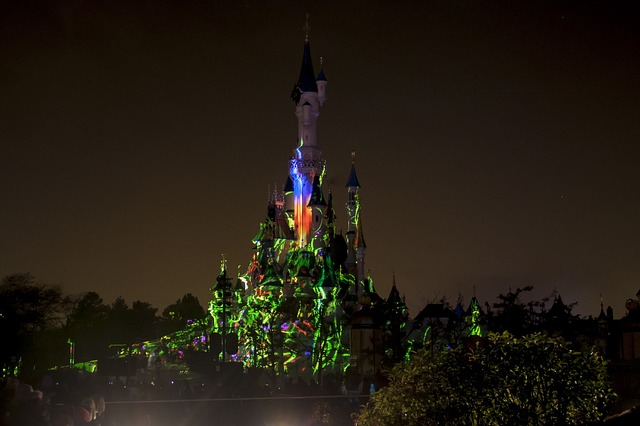
-
Is a fairytale world really magical to live in for those who find it hard to keep their chin up and fit in with the rest? Image via Pixabay
-
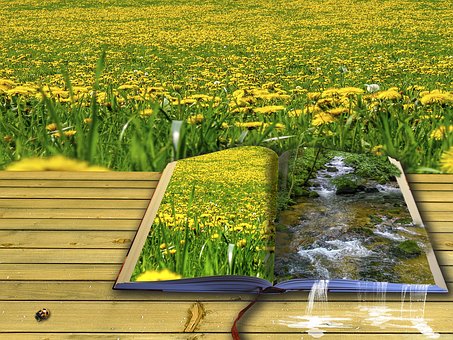
-
Let the ideas flow and let journeys encourage that! Image via Pixabay
-

-
Lovely in black and white. Pexels image,
-

-
One of my favourite book images. They really are magical. Transportation into other worlds and around this one in a few hundred pages. Brilliant! Image via Pixabay.
-

-
The best advice for any writer. Image via Pixabay.
I’ve got a theme rolling on titles this week, thanks to my latest Goodreads blog, which asks How Influential are Book Titles for You?
My CFT post has one of those titles which tie in with an event! There is a blood moon tonight and my post is called Judgement Day! I hadn’t planned that, honestly, but I like the idea of the link! The actual post is about judging for writers, especially in terms of reviews and critiques. I also share some hints and tips.
How do you find titles for your stories? I use a mixture of proverbs, well known sayings, as well as phrases used frequently. I like open titles where I could go in a number of directions – there are several examples of this in my From Light to Dark and Back Again. For example: The Outcome and Expecting. Expecting what? The outcome of what? The whole idea, of course, is that the reader will want to find out so they read the stories.
The rest of the story has got to follow through on the promise an intriguing title gives its reader. So it’s no good thinking up the best title in the world only for the story itself to let it down. People remember that!
Also, never be afraid to change the title if you feel it is not quite strong enough or just doesn’t feel right for the story. I don’t often change mine but when I do, it is always because a better, stronger title has popped into my head. Sometimes you need to start writing the story to find out what the real title is.
Happy writing!

Studying to see if all the corrections have been dealth with. Pixabay image.

Good advice – and it applies to our characters too. Image via Pixabay

Plenty to enjoy here! Image via Pixabay

Aiming for more “magic” from my stories this year! Image via Pixabay.

Escape with a good book. Image via Pixabay.

Could this picture inspire stories? Good fiction will take you out of the world for a while. Image via Pixabay.

Characters seeking to change the world are often on a physical journey too. Image via Pixabay.

Magical lands. Image via Pixabay.
This World and Others – Titles
It is appropriate that I have a simple title for this post!
My latest Goodreads blog asks How Influential are Book Titles for You? and the idea for this post sprang from that.
Firstly, do books as we know them exist on your fictional world? If yes, but not as we would recognise them, what form do they take? Can everyone read or is that the right of a privileged few? Is reading encouraged or considered dangerous?
Secondly, does your fictional society confer titles on those that have served it well? Is the system a monarchy or republic and how would that affect titles given? Again, are titles only given to those from the “right background” (and what would that background be?).
Thirdly, how is land title passed on? Can anyone own property (and what form does it take)? How does selling land/property or bequeathing it work in your world? Do you have a system where the government automatically takes a certain percentage of the value of the property as its “inheritance tax”?
Last but not least, I love titles which are open and give me plenty of possibilities to work with. This is a good example of that!

Flash fiction for impact. Image via Pixabay

Where good ideas start… but good ideas need refining and editing, Image via Pixabay

Now here’s a statue that I like! Image via Pixabay

The ultimate Book Circle perhaps? Image via Pixabay

The modern way to read – the Kindle. Image via Pixabay.
Author News
Just to say I now have an author page on Book Bub. Many thanks to Wendy H Jones for putting me on to this. You need to sign in to be able to see the page but the site is free and they send you details of books on special offer etc.




 Allison Symes: Collected Works