LOVING WHAT YOU DO AS A WRITER

I can’t over-emphasize the importance of loving what you do as a writer.  It can help keep you going when all you get in your inbox (or even still these days your letterbox) are the inevitable rejections all writers get.  Treasure any specific comments you receive on rejections as these can be invaluable for showing up weaknesses etc.

Facebook – General

One thing I love about writing for Chandler’s Ford Today is it has helped me work to a deadline (and a relatively short one at that). Most story competitions give you a reasonable amount of time in which to submit your tales. CFT is weekly.

I have brainstorming sessions every so often for ideas for my flash fiction but I also have some for potential articles for CFT. It takes me a while to work through them too, which is good.

There has to be a link to the local area but that link sometimes is me, especially when I’m interviewing other authors from outside the area.

Writing articles for your local online magazine could be a good place to start and it can lead to you having a track record (always handy for publishers, if you’re submitting work to magazines etc). Okay so you don’t get paid but you do learn a lot from it. I know I have.


Facebook – General

One of the lovely moments in story writing is when you discover you really like your characters and find yourself rooting for them. And you know how the story ends too!

I’m currently editing a story about two ladies of a certain age and love the pair of them! Mind, it probably helps no end I’d probably be in that “certain age” bracket now…

What appeals to you about your own characters? What drove you to write them in the first place? There has to be something special to get you to do so (and that includes villains too. Many a writer has fallen for their own evildoers!).

This slideshow requires JavaScript.

Facebook – General

My Chandler’s Ford Today post this week is called Writing Sayings – Truth or Nonsense? I look at old favourites like never judge a book by its cover and write what you know amongst others. Link to go up tomorrow.

I did find some lovely and useful sayings relating to writing I hadn’t come across before and I share those too (from Mark Twain and Margaret Attwood amongst others). I also share a couple of sayings I’d like added to the canon of wise thoughts.

I enjoy writing all of my posts for CFT but this one was great fun and I hope there will be some good comments after the piece goes live tomorrow.


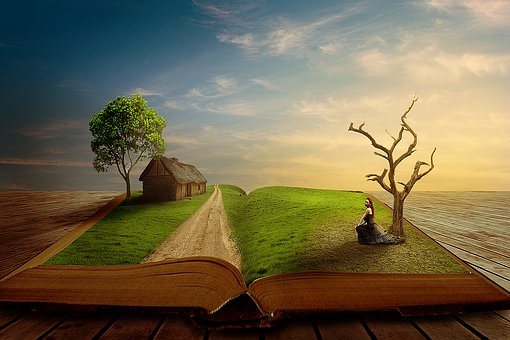
Books invite you into their world - image via Pixabay

Books invite you into their world. Image via Pixabay.

What new scenes will a book show you - image via Pixabay

What new worlds and scenes will books show you? Image via Pixabay

Some very strange characters can be found inside a book - image via Pixabay

Some very strange creatures are in books. Image via Pixabay

Good advice here - all writers need to fail better - image via Pixabay

Good advice. Image via Pixabay.

Facebook – From Light to Dark and Back Again

What would I like flash fiction to achieve?

I would love it to tempt reluctant readers into developing a lifelong love of stories and books.

I would love it to tempt the “gadget freaks” into reading it on Kindle (and even via something that needs no batteries at all – the good old paperback!).

I would love it to show those who claim they have no time to read, well actually you do. Flash fiction really does not take that long! (They’d have to think of another excuse not to read then, wouldn’t they?).

I would love it to show that great characterisation does not mean having to use hundreds of words.

Flash fiction is, I think, the ultimate proof that less is more!


Facebook – From Light to Dark and Back Again

Do you have a favourite writer and, if so, who and why? I’m torn on this. I love P.G. Wodehouse and Terry Pratchett for their humour and ways with words yet their story worlds are so very different! (And that’s another reason I love them both. It’s always good to visit more than one fictional world!).

Whoever your nominee would be, I strongly suspect it is something special about the characters produced by that writer, which would be your deciding factor. (And if that doesn’t settle the argument over character -v- plot, I don’t know what will! Without well drawn characters, any plot falls down badly).

I don’t know about you but I find when recalling a story I’ve not read for a while, I may not remember every single detail about the plot, but I do recall what I loved about the characters.


This slideshow requires JavaScript.

Facebook – From LIght to Dark and Back Again

The dash to write a piece of flash
May result in a wonderful tale
But you need the edit to slash
At your draft so your work may not fail.
Cut the rough and know after all
No great work is achieved overnight
Every word must seek to enthral
Out comes anything that might well blight
You find the real tale from that first draft
This is where you develop your craft.

Allison Symes – 15th February 2018

Not arguing with this saying - image via Pixabay

Not arguing with this! Image via Pixabay

Well, would you - image via Pixabay

Well, would you? Image via Pixabay

Too late for me but a saying worth considering - image via Pixabay

Alas, too late for me! Image via Pixabay

Goodreads Author Programme – Blog

Reading, of course, educates, informs and entertains us. I think all three aspects are vital and should feed off each other.

This is where things like the Horrible Histories series have done so well – information presented with humour goes down better, especially with youngsters, than straight facts presented in a more traditional way.

I read chiefly for pleasure but I also read to research and to expand my knowledge on things I may well write about, either in fiction or for Chandler’s Ford Today at a later date.

Things I know I will want to read later I will either download straight to my Kindle or send to it (and this is so useful. I often catch up with reading here when on train journeys).

So does literacy and the love of books still matter? Of course, it does. It always will.


SHORT STORIES

Facebook – General

When editing a story, I tend to check if my main characters are coming “through” well enough. I love using thoughts as a way of showing what my “people” are really made of (and it’s even more fun when they’re deliberately hiding this from the other characters in the story. You’re left wondering whether the others will find out the truth or not and this can be a great source of conflict if they do!).

If, by the end of the tale, I’ve got a clear picture of who my characters are, what drives them, and they engage me, then hopefully other readers will feel the same way and like them too. (Or in the case of villains love to hate them, which is also good).

This slideshow requires JavaScript.

Facebook – General

A great short story has to have:-

Strong, memorable characters

An intriguing start

A middle that wants to make you keep reading to see what
happens next (definitely no saggy middles)

A powerful and appropriate ending (and I do love twist endings as they end the story with a “punch”. Sometimes I’m pleased when I see the ending coming and basically, my guess turned out to be right, but I’m even more pleased when the writer wrongfoots me).

The right word count for the type of story it is. I like short stories to be 1500 words or so. Flash fiction is 1000 or under but I must admit I feel a bit short-changed if a short story comes in at 1200 words or so. It feels to me like the story hasn’t quite got the “legs” to go the proper distance.

(Many thanks to Dawn Kentish Knox for the picture of me reading from From Light to Dark and Back Again at the Bridge House event in December. Huge fun!).

Facebook – General

Some more Murphy’s Laws for writers:-

1. Your old PC will always play up when you’re trying to save the latest version of your MSS, especially something of novel length – and you have to save several times to make sure you HAVE saved it. (No longer the case for me I’m glad to say!).

2. You’re waiting eagerly for news of how you did in a writing competition. You check your inbox as often as possible at the relevant time. Nothing. You leave the PC for two minutes to go to to the loo, hear the unmistakable sound of more email coming in, get back to your desk as quickly as possible, only to find the new mail is selling you something you didn’t want, or offering you a date with a “hot” babe, which you also don’t want. The latter offers incidentally don’t seem to mind which gender they target.

3. You’re waiting for the author copy of your book to arrive. The days you stay in – guess what? Nothing turns up even though you know it is due. You pop round to see a neighbour or go to the local shops and come back to find… the “Sorry we missed you card” on your mat. Your vocabulary tends to veer into the brusque at this point!

Facebook – From Light to Dark and Back Again

About a week ago, I set up a quick poll as to what was the most important part of a story, regardless of word count. Many thanks to all who voted.

I asked whether an intriguing start or a twist ending was the most important component. And the results are:- (Ta da… imaginary drum roll here!)

83% An intriguing start
17% A twist ending

I’m not surprised by that. After all, if the start of a story doesn’t grip you, the chances of you getting to the twist ending are slim indeed!

Having said that, an intriguing start still has to be well supported by what follows. There has to be “follow through”. If the ending disappoints, would someone read another story from that author even though the start seems very promising? I think there could be a case of “once bitten, twice shy” here.

So my view? I am a little torn on this one as I sometimes write the ending to a piece of flash fiction first and then work backwards. One great thing about doing things that way is you definitely have the twist ending and you can then work out the intriguing start that led to it.

Overall though, I would go for the intriguing start (as I also love coming up with a strong opening line and seeing where it takes me).

Facebook – From Light to Dark and Back Again

Am glad that flash fiction has really taken off as a format and that Chapeltown Books now has a good range of publications to its name.

I love the “frame” around the powerful central images (see link) and think this is a great form of branding. The stories are pretty good too… Now I know I’m bound to say that but I wasn’t just referring to From Light and Dark and Back Again, honestly. Go on, check them out. Available in paperback and Kindle.

The small independent presses are a lifeline for authors and Chapeltown has particularly encouraged quirky fiction. Fine by me! I am a quirky writer…

Facebook – From Light to Dark and Back Again

When is a tale a piece of flash fiction as opposed to a shortened story? When it has a “proper” beginning, middle and end and doesn’t feel as if more could be added to it.

I try to leave my stories on either a twist or punch ending (they’re not quite the same thing) so there really is nothing left to be said. I like people to be able to feel that the ending was an appropriate one (which, of course, is not the same thing as a happy one necessarily!).


TALKING CRIME, RESEARCH IN FICTION AND NETWORKING

A good mix tonight, I think!

Facebook – General – and Chandler’s Ford Today

I talk crime and research, amongst other things, in Part 2 of a fab interview with crime writer, the lovely Val Penny.  Val is the author of Hunter’s Chase, which is the first book in her Edinburgh Crime series. We also talk about writing conferences and I know both of us are looking forward to networking in person later in the year at the Swanwick Writers’ Summer School!

This slideshow requires JavaScript.

Also a big thanks to Gail Aldwin for sharing details about other Chapeltown books including Badlands by Alyson Faye and my own From Light to Dark and Back Again. Much appreciated.

Facebook – General

How do you feel when you reach the end of writing a story or, even more, a book?

A little bereft perhaps but at the same time eager to get on with the next one. That’s my position at the moment.

Have got a few competitions I’d like to have a go at so those will be my next goal. I deliberately want to get work off to these before I start outlining my thoughts for my next book (and I’ve ideas I want to explore there). I think a break between books is a good idea. By the time you come back to writing a book again, you’ll be keen to get on with it!

Facebook – From Light to Dark and Back Again

Where do I get ideas for my stories? From all over the place! When I was starting out as a writer, that kind of answer used to annoy me. My thoughts tended to be along the lines of “well, it’s all right for them to say that but I’m struggling, thank you”. Well, words to that effect anyway.

What I have learned over the years (lots of years too!) is you do learn to develop more of an open mind as to what could make a good story idea. What is useful is having a starting point to trigger ideas that can be developed further. Some of my starting points include:-

1. Proverbs/famous sayings to use as a theme.
2. Picture prompts (not necessarily taken by me). For example, landscapes can offer ideas as to where your setting is or if you are writing fantasy or sci-fi, is your world the complete opposite to the picture? Sometimes that can be useful in getting started.
3. Competition themes can be great as you can then enter the competition too!
4. Snippets of conversation can get you thinking about how a character of yours might get to say something similar.
5. I sometimes have a brainstorming session and write down what could be an opening line to a story. I don’t plan these sessions and try to just write freely for a set time. The lines can be as bizarre or as ordinary as I want but the ones I like the most of later are the ones I write up.

I think the most important thing is to have fun with your writing. If you don’t enjoy it, nobody else will!


Honest feedback is the only kind worth having - image via Pixabay

Honest feedback is the only kind worth having. Image via Pixabay.

Good historical fiction will make it seem as if you had stepped back in time - image via Pixabay

Could this picture inspire stories? Good fiction will take you out of the world for a while. Image via Pixabay.

The best advice for any writer - image via Pixabay

Sound advice.

Feature Image - Flash Fiction - Books are Gateway - image via Pixabay

Says it all really and applies to non-fiction equally as fiction. Image via Pixabay.

writing in many forms via Pixabay

Planning your work. Image via Pixabay.

Facebook – From Light to Dark and Back Again

Looking forward to starting work on a third flash fiction collection after a pause to enter some competitions etc. I find a break between books useful.

Indeed, when I write batches of short stories, I like to have a break and switch to writing flash for a while and vice versa. In between all of this I’m writing posts for Chandler’s Ford Today and More Than Writers (the ACW blog though the lovely thing with writing on the 29th of the month is I have most Februarys off!!).

There are other things I’d like to do at some point (including seeing if I could write a radio play) but those will be projects that I might refer to as my “bits on the side”. I do think it is vital writers have fun with whatever it is they write and also to set themselves fresh challenges now and again.


Fairytales with Bite – Do You Need Research to Write Fiction?

One of the topics I discuss with crime writer, Val Penny, in Part 2 of my interview with her for Chandler’s Ford Today this week is research. We talk about the resources that are available for crime writers and I go on to mention that even for writing fantasy as I do, some research is useful.

Strictly speaking, for any fiction, of course you don’t have to carry out research.  You make it all up!  However, I’ve found that to root my characters so readers can identify with them, I need to know how we react as people and why (so a basic knowledge of how humans “work” is useful).  Also when it comes to world building, knowing how we work is a building block for making up your own  universe.  After all if you decide your world is going to be nothing like this one, you’ve got to work out in exactly which ways it will differ.  So you do have to bring some knowledge to the writing desk to be able to write effectively.

I’ve also found that researching (whether I do so via the internet, a book or what have you) helps me extend my knowledge (obviously!) but the knock-on benefit of that for my fiction writing is it also expands what I can write about.  Write about what you know is good advice so expand what you know and you can expand what you can write.

This World and Others – Networking

I discuss the value of networking in my Chandler’s Ford Today post this week, which is Part 2 of a great interview with crime writer, Val Penny.   Amongst other topics, we share our thoughts on two conferences we’ve been to – Winchester Writers’ Festival and the Swanwick Writers’ Summer School (and indeed are looking forward to networking in person again then!).

How does networking happen on the world you’ve created for your fiction though?  What is it used for?  Can only certain people/beings/robots/strange creatures etc do this?  Is corruption an issue and does anyone try to fight it, if so?  Which of the creative arts is known on your world and are there conferences/classes for them?  How is successful networking “rewarded”?

Have any of your characters formed friendships, which later they depend on in life threatening situations?  How does networking earlier in their life benefit them now?  (Or does it endanger them because the friends they thought they’d made turn out not to be friends at all?!).

This slideshow requires JavaScript.


STORIES – AND A WRITER’S THREE WISHES

Facebook – General

My Chandler’s Ford Today post this week will be Part 2 of my interview with crime writer, Val Penny. She discusses how much research she does and why networking is invaluable for all writers, amongst other topics. Will put the link up on Friday.

I was thinking, for my new Goodreads blog post, which went up earlier this evening, about why I love short stories and flash fiction so much. I think it may be because I’m impatient! With a novel, you have to wait for the tension to build and build… With a short story (and even more so for flash fiction), you get the impact nigh on immediately. That probably says a fair bit about me!

Let creativity spill out - image via Pixabay

Let the creative process flow! Image via Pixabay

Hunter's Chase book cover

Val’s latest crime novel. Image supplied by Val Penny.

The fantastic world of books must include non-fiction too - image via Pixabay

The wonderful world of writing should include non-fiction, which benefits from creative techniques too. Image via Pixabay.

Feature Image - Facts and Fiction - image via Pixabay

What writing triggers will help you create your new worlds? Image via Pixabay

Facebook – General

What do you find most difficult to do – start a story or finish it?

For me, it’s finding the right starting point. Once I’ve got that, I’m up and running, I know I will generally end a story on a “punch” ending (and often a twist in the tale at that). As the story progresses I can sense myself getting to that bit, so finishing a tale is usually okay. I’m the same with blog posts. Get me started and I’m away!

I try to start anything I write with a “hit the ground running” approach. I often will go straight into the main character’s head so “they” can show a potential reader what state/mood they’re in, what crisis they’re facing etc. I find that really useful.

Other opening lines can include a brief indication as to the setting, but I keep that as short as I can. Later, if I need to go back and fill in more details, I do but I am wary of too much description. In flash fiction, there’s no room for it anyway!

This slideshow requires JavaScript.

Facebook – From Light to Dark and Back Again

I created a poll a few days ago about whether an intriguing start or a twist ending was the best for a story. Please do vote if you haven’t already. I’ll discuss results in a few days’ time.

Have submitted my follow-up book to From Light and Dark and Back Again. Really glad to have that done. Would like to focus on my third book and getting more stories out there. Would like to do something with my non-fiction articles too at some point. Always good to have plenty to be getting on with!

Only wish? As ever, that I had more time. Now, this is where I could do with arranging for one of my fairy godmothers to become real and grant all writers three wishes. What would those wishes be?

1. Whatever time you need to write with NO interruptions or disruptions.

2. You will never suffer a dodgy internet connection again.

3. You will also be given as much time as you want to read whenever you want again with NO interruptions or disruptions.

Sounds good to me!

Facebook – From Light to Dark and Back Again

What do you think is the most important part of a story, whether it is standard length or flash fiction?

I’ll leave this poll up for a few days and report back later in the week. I’ll give my view as part of that.

An intriguing start
A twist ending
This poll ends in 2 days

Goodreads Author Programme – Blog

I’ve loved short stories for years. Flash fiction has been a fairly recent innovation and I quickly became addicted to both reading and writing it.

As you can imagine, I was thrilled to be published for the first time last year with Chapeltown Books for a flash fiction collection (From Light to Dark and Back Again).

Now I have nothing against the novel. You can’t beat the novel for a satisfying, longer story when all is said and done.

But sometimes you just want a glimpse into a character’s life (rather than have the whole “spiel”) and this is where short stories, and especially flash fiction, come into their own.

They really do pack a punch when you consider their limited word count. (Even the longer short story is still short when compared to your average novel).

I love to write my stories knowing they will have an impact, whether it is to hopefully make readers laugh or, if the tales are darker, to make them shudder!

The big problem with a novel is keeping impact going without it seeming artificial and ensuring the final impact happens at the right moment. It is possible to write a final scene for a book and then decide you’ve just got to add this, or that, and thaen the final impact is diluted.

You can’t really do that with short stories (and you certainly can’t for flash). You have the big, final moment and that’s it. But to me that is a huge advantage as a writer. I know when to stop then!

The images below were taken at the Bridge House celebration event last December.  We all know the value of stories!

This slideshow requires JavaScript.

Crime Fiction and Writing Triggers

Facebook – and Chandler’s Ford Today

My latest Chandler’s Ford Today post is Part 1 of a great interview with crime writer, Val Penny. Her new book, Hunter’s Chase, is now out in paperback and ebook and is the first of her Edinburgh Crime Series. We discuss what drove Val to crime (!) and why she thinks crime fiction is so popular. She also shares some top tips for writers. Part 2 next week.

Facebook – From Light to Dark and Back Again

I have a very soft spot for stories told from alternative viewpoints, especially fairy tales. My first published story was A Helping Hand in Bridge House Publishing’s Alternative Renditions anthology (many moons ago now) and tells the Cinderella tale from the viewpoint of the youngest stepsister.

In From Light to Dark and Back Again, I take Goldilocks’ viewpoint as my angle in the tale, Health and Safety, (though between you and me, I still think she comes across as the kind of character you wouldn’t want to take into a posh giftware shop given the chaos she caused with one chair and one bed in the Three Bears’ house!).

One great thing about using alternative viewpoints like this is you can explore why that character has behaved the way they have. You can explore their justifications for their actions. The great thing is they don’t have to be right! (It can be even more fun when they’re not but they really think they are. You really get to know what they are made of exploring this kind of avenue).

Fairytales with Bite – Writing Triggers

I mention this topic as part of my interview with crime writer, Val Penny, on Chandler’s Ford Today this week looked at what triggered her wish to write.  It is one of those questions I often ask writers I interview and the results are always fascinating.

Also, it is interesting to note that, while there can be similarities, I believe most writers have triggers to begin writing that are unique to them.  Mine were turning 30 and having given birth to my son, two major life changes that made me face up to the fact if I wanted to be a writer, I had better get on and write then!

I also love writing triggers in the form of opening lines, photos, closing lines etc that encourage you to write something around them.  They can make you really work your imagination.  The theme for competitions can also act as good triggers (and can be useful for writing practice even if you don’t enter the contest.  If you do and win it or are shortlisted, even better though!).

I find the ideal opening line writing trigger is one that can give you all kinds of possibilities to work with.  For example, I would find the line “He refused to cry again” a lot more interesting to work with than “The starship crashed into a crater”.  I could write stories on both and have fun doing so but the first one you could set in any time, any world come to that.  The second is an immediate sci-fi or fantasy story, which is fine, but you are getting your genre and setting in one go here.  (That can be useful when I want triggers for my flash fiction though and that is when I will want a line that does a lot of work for me!).

Let creativity spill out - image via Pixabay

Let the creative process flow! Image via Pixabay

The fantastic world of books must include non-fiction too - image via Pixabay

The wonderful world of writing should include non-fiction, which benefits from creative techniques too. Image via Pixabay.

Feature Image - Facts and Fiction - image via Pixabay

What writing triggers will help you create your new worlds? Image via Pixabay

The old fashioned notebook and pen still have major roles to play in interviewing - image via Pixabay

Can’t beat the notebook and pen for quick notes. Image via Pixabay,

20171015_233807.jpg

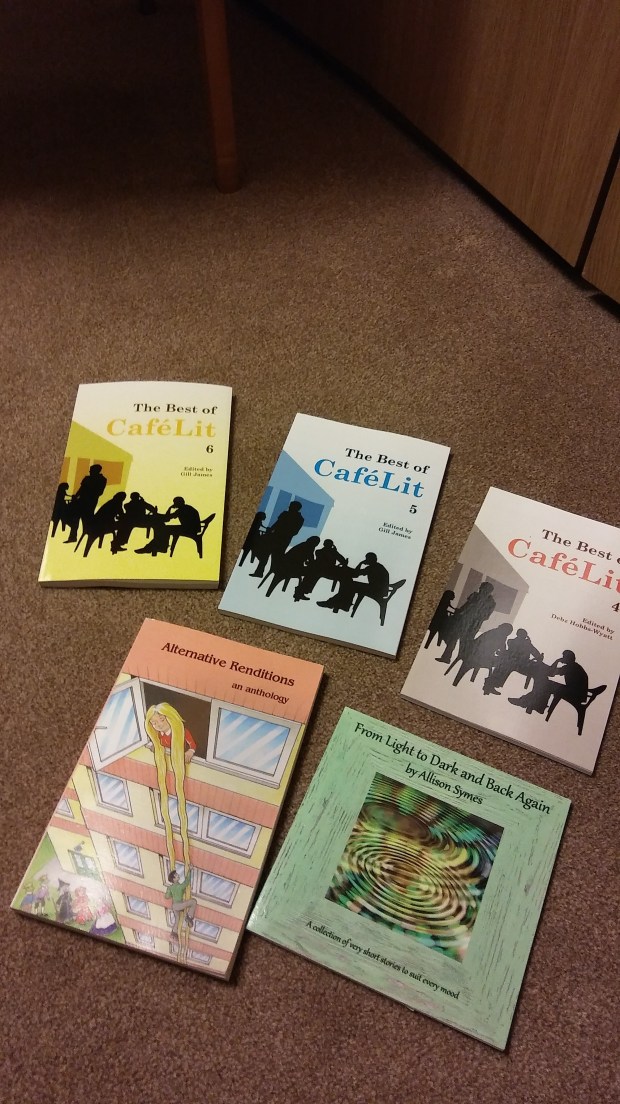
Some of the books I’ve appeared in and FLTDBA of course. Image by Allison Symes

This World and Others – Popular Fiction – Do You Just Write What You Know Will Sell?

The short answer is “no”!  This topic came about thanks to this week’s Chandler’s Ford Today post.  This is Part 1 of my interview with crime writer, Val Penny, and one thing we discussed was why crime fiction is so popular and what drove her to crime (!).

I think crime and horror are probably the two most popular genres in fiction.  There can be crossover and within each genre there is a wide range of sub-categories.  But does this mean you should just write to these two genres, say, because you know there is a proven market for them?  Absolutely not!

You have got to believe in what you write.  You have got to love what you write (at least most of the time!  I appreciate when you’ve been through the sixth rewrite, you may feel a tad tired about the whole thing!  We all do!).

You have got to love your characters, and love those you love to hate. I also believe that if you don’t write what is your “driving fictional instinct”, what you do come out with will be just a poor imitation of the markets you are trying go get into and that will show.  Whereas if you love what you write, that will also show.  It is where your writing voice will come through loud and clear.  Good luck!

This slideshow requires JavaScript.


My Goodreads blog post this time is an expanded version of my Facebook post for From Light to Dark and Back Again.

Goodreads Author Programme – Blog

I have a very soft spot for stories told from alternative viewpoints, especially fairy tales. My first published story was A Helping Hand in Bridge House Publishing’s Alternative Renditions anthology (many moons ago now) and tells the Cinderella tale from the viewpoint of the youngest stepsister. It was great fun to write and, due it being the first thing I’d written that was accepted for publication (thank you, Bridge House!), it will always have a special place in my heart.

In my flash fiction collection, From Light to Dark and Back Again, I take Goldilocks’ viewpoint as my angle in the tale, Health and Safety, (though between you and me, I still think she comes across as the kind of character you wouldn’t want to take into a posh giftware shop given the chaos she caused with one chair and one bed in the Three Bears’ house!).

One great thing about using alternative viewpoints like this is you can explore why that character has behaved the way they have. You can explore their justifications for their actions.

The great thing is they don’t have to be right! (It can be even more fun when they’re not but they really think they are. You really get to know what they are made of exploring this kind of avenue).

You can also prove the truth of the old saying “there are two sides to every story” by exploring what the other characters think! They just have to be strong enough to carry their own story.


QUIZZING YOUR CHARACTERS AND WRITING FRUSTRATIONS

This is kind of a catch up post on my Facebook items this week.  Will share my Chandler’s Ford Today post tomorrow where I have the first part of a fab interview with crime writer, Val Penny.  In the meantime:-

Facebook – General

If you could ask your characters, especially your main leads, just one question, what would it be? I think my question would be to ask what drives them. When I’m creating new people, I like to know what their main characteristic is and I then go back to find out why it is that particular one.

If a character is brave, what led them to discover they had that quality? There could be some interesting stories there. Also, are they really as brave as they think? Is the declaring themselves brave merely their own judgement or is it something others have said of them?

So one question will lead to others, which is how it should be and how you will really find out what your people are made of.

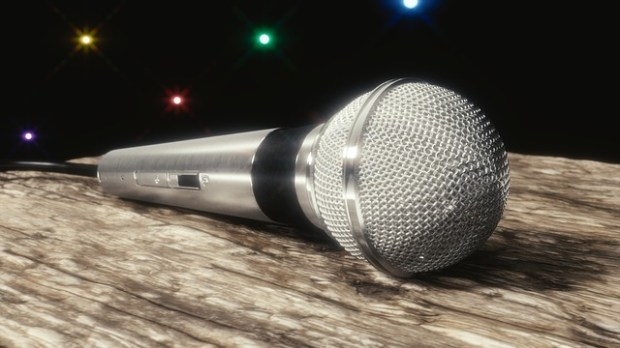
Microphone - image via Pixabay

Quizzing your characters can help you get the best out of them! Image via Pixabay

A blank page can take you anywhere writing wise, image via Pixabay

A blank page can take you anywhere in writing. Image via Pixabay.

One thing that has been true throughout history is the need for a good edit! Image via Pixabay

The joy of editing but a major part of my writing rituals is to always keep this separate from creative writing. Image via Pixabay

Shakespeare had his quill, modern writers have their laptops. Image via Pixabay.

Such a familiar look. Image via Pixabay.

Facebook – General

What is your chief factor in choosing the main character you have for your stories?

I love quirky characters but for me that in itself is not enough. The character has to have a certain amount of drive so that they are prepared to fight for what they want and/or to overcome anything their life throws at them. (Trust me, I tend to throw a great deal at my people, it’s fun and I’m just like that!).

I don’t like goody-goody characters, they never come across as realistic, and there must be at least some redeeming quality about my characters. I’m looking for something any reader can “root” for as they read my character’s story.


Typical of the main track at Jermyns Lane

What kind of journey will your characters go on? Image by Allison Symes

Photo2241

I love walking by water – so calming. Can also inspire how you create your own world. Image by Allison Symes

Good historical fiction will conjure up a sense of the world in which it is set - image via Pixabay

Or not as the case may be! My fiction is quirky!Image via Pixabay.

stones-244244_640

Let your stories have impact. Image via Pixabay

Facebook – General

I’m currently (and finally!) putting the finishing touches to what I hope will be my second book, which I hope to submit shortly. I sometimes think the hardest thing to make yourself do is to put the work aside for a while so you really do come back to it and read it, as if for the first time. It does pay to do this though. I find it is the only way to read the stories as if a reader would.

If you don’t leave enough time before coming back to the work again, you will find yourself still in “editor mode” and will want to change this word here, that word there and not because they really need changing. You need to give yourself time to switch off that “editor mode” and put it back in its box for when it is needed, which is after you have got that first draft down.

Reading the book as a reader would means no editing. Yes, sure, I make notes of anything I spot that I think might need sorting out but I do that as a totally separate task. Also, at this stage, I have already gone through that process so now it really is just a case of reading (and hopefully finding you enjoy it because if you don’t, nobody else will!).


This slideshow requires JavaScript.

Facebook – General

The trouble with writing flash fiction
Is it can cause a lot of friction.
Do you need fifty or seventy-five
Words to make your story come alive?
Bad luck to me here, oh dearie me
I do need one hundred words, you see.
But I understand this is okay
It is just the story format’s way
To have so many different word lengths
Meaning people can write to their strengths.
So dribble away at fifty words
I’ll drabble and be amongst the nerds
One hundred words it will be for me
Nothing less will do for me, you see.

ALLISON SYMES – 31ST JANUARY 2018

The great irony is I’ve counted the words here as coming in at 99! (And I refuse to add “Ends” to make up the “ton” – that would be cheating!).

This slideshow requires JavaScript.

Facebook – General

One of my main writing frustrations is having lots of lovely ideas to work on but not having nearly as much time as I’d like to get on with them! But then I know I’m not alone in that.

I’m trying to focus more on mini-goals at the moment. I’ve made a couple of diary notes to remind me to submit work to X here and again later on. I have found if I write down plans, whether they are long term or short, I am more likely to achieve them!

Incidentally, flash fiction may be very short but that doesn’t necessarily mean they’re fast to write. They still need editing and crafting every much as a longer story.

Facebook – From Light to Dark and Back Again

What is the one thing that makes you proud or ashamed of your characters and why? Is your hero secretly a bit of a wimp and you really prefer your villain? (You would not be the first writer that’s happened to!).

If you could give one bit of advice to your characters, what would it be and why have you chosen this? Does it say more about you than the character?

I like to have a reasonable knowledge of what makes my characters tick before I start writing for them but deliberately don’t fill in each and every detail. I want to have the fun of discovery as well as their story emerges.

This slideshow requires JavaScript.

Facebook – From Light to Dark and Back Again

I think there has to be balance in fiction. The reason for my book’s title is it does reflect most moods. I find I write funny tales for a while (I’ve always had a very soft spot for humorous fiction) and then HAVE to write something darker in tone as a contrast. So it was right my book should reflect all that I write.

Equally, I can only do grim in small doses (flash fiction is brilliant for that!) before I find I’m writing tales that are less grim, then funny ones again.

I think it is inescapable that fiction will reflect on you, the writer, to a certain extent, whether it is the moods of the stories reflecting your moods or whether the main character has your virtues or vices (or both!).

Facebook – From Light to Dark and Back Again

This post comes about as a result of a conversation I joined in with earlier today online.

I don’t usually write a collection of stories to a specific theme but what I found with writing From Light to Dark and Back Again is that groups of themes emerged from the tales I gathered together.

There are the rough justice stories (Punish the Innocent), the creepy ones (Why Stop Now?), as well as the twisted fairytales (Collector’s Piece). Now given all stories reveal something about the writer, I’m not going into details as to what I think my themes make me! Probably best not to go there.

I find it much easier to write to a theme for an individual story for a competition. Not sure why that is, but maybe it is because I’m only committing to writing one tale at a time for such things.

Facebook – From Light to Dark and Back Again

What influences you the most when you write your own stories? I think with me it has to be the books from my past and my present. You do learn how a writer sets out their work, uses grammar etc, as you read their short stories and novels. You also develop a feel for the rhythm of the language used (and I know that has influenced how I do this, though that is a good thing).

With regard to characters, what influences me most is knowing all of them have to justify their places in my stories. They don’t necessarily have to be strong. Weak characters can be interesting as (a) they can become strong and you can explore that journey or (b) they betray a stronger lead character because you always apply the pressure where the chain is most likely to break.

This slideshow requires JavaScript.


BEING CREATIVE

There’s a definite theme tonight!  (Sometimes I don’t plan that, a theme emerges from the different things I’m writing but this theme was planned and is inspired by my wondering if, when you’ve been creating works such as stories for some time, do you still appreciate the joy of doing so?  Anyway, more to follow).

Facebook – General – and Chandler’s Ford Today

This week’s Chandler’s Ford Today post talks about creativity being good for you. It is too!

Being creative has proven health benefits (mentally and physically) and my post talks about that and why creativity is a wonderful thing.

I do sometimes wonder if we appreciate it enough at times (which is my inspiration for writing this post). Whether you bake cakes, write stories, play music or what have you, if you have been doing this for a long time, can you end up taking the joy of creating these things for granted?

I think so and I hope my post helps to give us all a renewed sense of enjoyment about what we do creatively.

This slideshow requires JavaScript.

Facebook – General

My CFT post this week will be on the theme of creativity being good for you. And it is – mentally and physically. I feel much better once I’ve completed something creative during the day – whether it is flash fiction, a Facebook post (😀), or baking a cake.

The nice thing about creativity is anyone can join in and you can find your own level where you want to be. For those wanting to develop creative skills further, there are courses, online as well as the traditional evening classes/OU etc. I’ve found that though my major creative interest is in writing, I have a greater appreciation of all of the arts, music especially.

I also think if you are involved in one art form, you have an appreciation of the hard work that goes unseen behind others. I learned years ago that if a piece of writing looks easy to read then you can bet that author worked their socks off to get it to that point. (Other hosiery accessories are available!).

This slideshow requires JavaScript.

Facebook – General

What is the most helpful aspect of a book review? To be fair, there is more than one! There is obviously the publicity aspect but when people have said what they liked, or what they felt didn’t work so well, that has been what I’ve found most useful to know.

Okay nobody is going to please all of the people all of the time and there are many sound reasons not to even try doing that, but a general consensus does mean you are on the right lines (or not, as the case may be!).

Incidentally I can vouch for the fact Dawn, Paula and I do all appreciate the reviews we have had for books where our stories have appeared!

Paula Readman, Dawn Kentish Knox and Allison Symes and books - with kind permission from Paula Readman - Copy

Paula Readman, Dawn Knox and I at the recent Bridge House celebration event. Many thanks to Paula for the image.

Such appropriate decor for the Bridge House event in a pub room

This was part of the pub decor at the place where Bridge House had their event. Very apt! Image by Allison Symes

20171125_095900.jpg

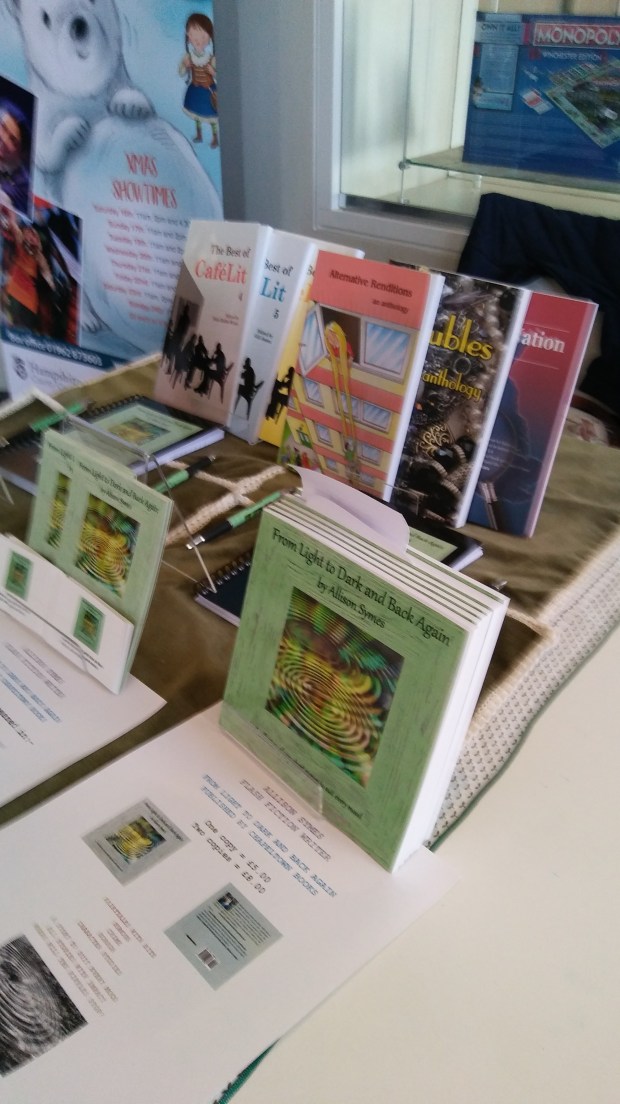
At the back are some of the other books I’ve appeared in. Image by Allison Symes

Facebook – General

Am currently listening to the wonderful Planet Suite by Gustav Holst on Classic FM. Each piece of music within the suite tells its own story. (My favourite piece is Jupiter, the bringer of jollity. It also contains what many will know as the hymn tune for I Vow To Thee, My Country).

Holst used music to convey his thoughts. Writers of course use words. But the way you put them together (and the order) makes a huge difference to meaning. So are your words having the impact you actually mean them to have? Of course, this aspect can be “sent up” for comedic effect (hence the pun, the innuendo etc) but it is true you do have to know the rules before you break them!

Facebook – From Light to Dark and Back Again

Why does editing always take longer than you think it will? Answers on the back of a postcard… Seriously though, I do give myself plenty of time for this and it STILL takes longer than anticipated. I think there must be an unknown Murphy’s Law for Writers happening here. Talking of which:-

1. You tell people you’re a writer, they suddenly need a pen for something, and you cannot find one on you for love or money. Cue one embarrassed writer!

2. Your printer cartridge always runs out halfway through the printing of the story or book you are desperate to get out to your publisher.

3. You know you have more printer cartridges, you remember ordering them, but you filed them somewhere safe and now cannot remember where that place is!

4. You have a power cut just as you are getting to the end of your story and you forgot to back up so you lose what you’ve just written and have to start again from where you HAD last backed up. You discover you have words in your vocabulary you make a mental note NOT to use in front of the vicar when they next call in.

Guess which of these have happened to me!

Contributions to the Murphy’s Law List for Writers very welcome!

Facebook – From Light to Dark and Back Again

What is your favourite way to start a story? I must admit I don’t have one single way. And so much depends on whether I’m writing flash fiction or a standard length short story.

I am very fond of being right inside my main character’s head from the start. I like to think of this as hitting the ground running.

I also like to start with a brief sentence or two scene setting. Using a time as part of this can be handy as if the opening line says it is 4 am in mid-summer, you’ve got an immediate image of light levels, whether it is likely to be warm or not and so on. Setting place names can be great too. Mid-summer in the UK is vastly different to mid-summer in Australia, say.

I always look for the words that give me the strongest images whichever way I start though. It saves on word count and has the greater impact on your reader.

This slideshow requires JavaScript.

Facebook – From Light to Dark and Back Again

I sometimes use the opening line in a short story competition to inspire my flash fiction. (Sometimes I write up the short story and enter the competition!).

It can be an interesting challenge to see what you can do with an opening line meant to generate a 1500-words short story and see if you can make it work for a tale of under 1000 words (and in my case usually around the 100-words mark).

I must admit I much prefer opening lines competitions to those where you have to finish with a certain line. I think there is more freedom in taking an opening line and running with it rather than being told where you have to stop!

What competitions do you prefer?

Facebook – From Light to Dark and Back Again

The challenge of writing a complete story in the shortest number of words is not a new one but it does make you increase your vocabulary. (As a flash fiction writer, you will always be on the lookout for those words that can convey stronger meanings than others or can convey more than one meaning. Saves on the word count (!) and the rightly chosen words will give your story a more powerful impact).

Does that mean you’ll never write longer fiction again? Not a bit of it but working to a tight word count helps develop your editing skills and that is always useful, regardless of what you write.

Goodreads Author Programme – Blog

I have too many favourite characters to name them individually, as I expect is the case with most of us, but I do like particular types.

My overall favourite is the unexpected hero. Think Bilbo and Frodo Baggins! I admit being on the short side myself, I probably was always going to favour the idea of a hobbit as a hero!

I also love those characters who suffer injustice but win through in the end. That covers everything from Cinderella to the Prisoner of Azkaban to The Man In the Iron Mask.

I don’t have a problem with talking animals in stories as long as they make sense! Ideally, I prefer it when the animals know more of what is going on in the story than the hero does. (Hello, Puss in Boots!).

Characters have got to be appropriate to the fictional world in which they’re set so hobbits could only be in a fantasy world. Mind, if I had to live anywhere in fiction, I can think of far worse places than The Shire. (Mordor, for one!).

So what are your favourite character types and why?


Fairytales with Bite – Appreciating What You Do

My Chandler’s Ford Today post this week looks at why creativity is good for you and it was inspired by my wondering whether when you’ve been creating, say, stories for some time, do you still appreciate what you do as much as perhaps you should?

I think it is easy to take the joy of creating anything for granted and I hope this post encourages all of us to take a fresh look at what we do creatively and almost, if you like, fall in love with it all over again.

I also think it is a good thing for writers to be open to trying different forms of writing.  It flexes your writing muscles, you may well discover a form you become addicted to (in my case, I found flash fiction or maybe it was a case of flash fiction finding me!), and you get to find out what you really want to write.

It also means when successes come your way, no matter how large or small, you appreciate those more too and that can never be a bad thing.  One way of appreciating what you do is read your work out.  If you are gripped by the tale, others will be too.  Images below were taken by me and are from the Bridge House celebration event.  The range of stories read out was great.  I took part too.

20171202_154725.jpg

Gill James reading from her January Stones collection. Image by Allison Symes

20171202_160214.jpg

Dawn Knox reading some of her flash fiction. Image by Allison Symes

20171202_162639.jpg

Margaret Bullyment read a wonderful justice story at the Bridge House event in December. Image by Allison Symes

20171202_160630.jpg

Robin Wrigley read a poignant, character driven story. Image by Allison Symes

Lovely having an appreciative audience, pic taken by Dawn Kentish Knox

I read three stories from From Light to Dark and Back Again. Many thanks to Dawn Kentish Knox for the picture!

This World and Others – Enjoying the Creative Process

My latest Chandler’s Ford Today post takes a look at why being creative is beneficial (and for science as well as the arts too).

I think it is vital to enjoy the creative process to get the most from it.  That doesn’t mean it won’t be difficult at times.  You will feel like swearing (and may do so!) when the words don’t seem to flow so easily as they usually do, but if, generally, you love what you do as you create your characters and stories, then you can know you’re on the right lines. That love will keep you going (along with support from other writers whether that’s online or in a good wriitng group) throughout those tougher times and the inevitable rejections we all collect as if they were going out of fashion.  The one great thing is I can’t think of any writer who hasn’t felt in need of that support at times.  You are definitely not the only one!

It is difficult to say what my favourite part of the creative process is but I do feel elated when I know I’ve got a character right.  I know then that what I get them to say or do is right for them, and their story will flow much more easily as I am writing from deep knowledge of who and what and why they are the characters they are. I also think that will come through in the writing itself and make for a better read for future readers.  I also feel elated when I’ve got a first draft down as I know I’ve got something to work with then (and it can only get better!  All first drafts need work, even Shakespeare’s would have done!).


Facts and Fiction

Post up a night early as at a retreat this weekend.  I look at facts and fiction and how one strengthens the other.

Facebook – General – and Chandler’s Ford Today

My CFT post is a night early this week but I take the chance to look at how non-fiction can and does inspire some wonderful fiction. I also look at how a working knowledge of history, of how things work etc, can inspire you as you create your own fictional world, and why looking into historical records can also trigger ideas.

This slideshow requires JavaScript.

Facebook – General

What is the nicest aspect of writing? Well, one obvious answer would be good reviews of your book(s) or positive feedback to a blog post etc. I treasure those, as most writers do!, but I also love the feeling that a story has been completed, I can’t add more to it, it is now ready to go out into the big bad world. It’s an even better feeling when you realise you have enough stories for another collection!


Facebook – General

What is it about a character that draws you to them? For me, it is always the heroic underdog that fights against the odds to win through. Think Bilbo and Frodo Baggins!

I like unexpected heroes, the ones that come from the “wrong” background yet still prevail. I guess there’s a certain amount of having something to prove that drives a character on and really shows what they’re made of when push comes to shove.

If I’m in any doubt about any of my characters, I draft a quick scene (which may or may not make it into the final story) where I drop said characters right in the mire and find out what they do to get out of it again. By the time I’ve drafted this, any doubts about the characters have long gone as by then they’ll have proved themselves (to me at least). (And the great thing with draft scenes like that is they may be strong enough to work into a piece of flash fiction!).

Facebook – From Light to Dark and Back Again

One flash challenge I must have a go at when I remember (!) is the 140 character kind of story. Now there is a restricted word count!

But the biggest thing I’ve gained from writing flash fiction, and what I think I love most about it, is that it has taught me to write “tight”, to cut out wasted words and to never be afraid of a darned good edit! Those are good things to have regardless of what you write!


Good books should bring illumination to a situation, make you see things as you haven't before - image via Pixabay

Aiming for more “magic” from my stories this year! Image via Pixabay.

20171125_095900.jpg

Side view of my book stand. Image by Allison Symes

Feature Image - Flash Fiction - Books are Gateway - image via Pixabay

Says it all really and applies to non-fiction equally as fiction. Image via Pixabay.

Facebook – From Light to Dark and Back Again

I suppose what I love most about flash fiction is knowing that opening line is going to take me, and hopefully readers (!), on a short, sharp journey to an appropriate ending. Sometimes that’s happy, sometimes not, sometimes it’s a twist ending, sometimes it’s a poignant full stop. (Usually for the character too!).

But unlike a novel where it will take you several chapters to get to a resolution (though in fairness that IS the charm of a novel!), with flash, it is an almost instant conclusion. And sometimes stories are genuinely not long enough to be anything other than flash fiction. So rather than waste them, I am so glad of flash as a format as it gives me a home for those mega short tales.


Facebook – From Light to Dark and Back Again

The point of a story is to show a pivotal moment of change in a character’s life. That is where the story is. What is that change? Does the character resist the need to change? What happens if they succeed in this resistance? (I would expect their life/future happiness to be held back in some way because of the unwillingness to accept change). So the point of flash fiction is to illuminate an even briefer change. It really is the lightbulb moment for the character and no longer than that.

Flash fiction does help you focus on what is really important for your character and why. As every word has to “earn” its way into the story, motivations must be powerful enough for a reader to believe in them. What drives your character must be understood (if not necessarily agreed with) by your reader.

This slideshow requires JavaScript.

Fairytales With Bite – When is Enough Information Enough?

My Chandler’s Ford Today post this week, Facts and Fiction, looks at how a good knowledge of non-fiction can and does inspire ideas for stories.

The big danger, of course, is having such a fantastic time looking up all the details, working them into your story and so on, that you lose focus on what you are meant to be writing in the first place!  What I’ve found useful here is to write down a list focussing on the main things only.  Naturally I then get my first draft down and then begins the lovely editing process!  There is always something to be cut out!

So feed your imagination by reading widely and then be selective what you draw on to create your characters and fictional worlds.

This World and Others – Shouldn’t All Fiction Just Be Made Up?

Well, yes it should, of course but the best fiction is stronger when it is backed by non-fiction.  I talk about this more in my Chandler’s Ford Today post for this week called Facts and Fiction.  I look at, for example, how a working knowledge of history can and has inspired some wonderful works of fiction.

So yes you make things up when story telling but you also draw on what you know about how people act and behave to create credible characters.  Sometimes historical or scientific facts can be the pivot around which a short story or novel is based.  To be able to use your imagination to make things up for stories, you need to feed that imagination and, by far, the best way is to read and read widely, in and out of your own genre.

Think about what draws you to create the characters you have.  Who are your favourites?  Those for whom upholding justice is vital? Why is that so?  Does it reflect your own love of justice and fair play or a wish that more of these things were seen in our world and, since you can’t fix that, you can put it into your fiction?!

When you create your worlds, what knowledge are you using of this one to help you work out what your fictional one should be like?  So yes, fiction should be made up but there is all sorts of unconscious thoughts influencing what you write.  And this is based on what you know and what you find out.

The really great thing about all this?  There is no limit to how much you read, how much you feed your imagination and so on so, go on, have a “feast” here!  Your future characters will reflect what you know and what you experience both directly and what you read about so the more widely  you read, the bigger the area you can fish from for ideas for your characters and stories.


THE FLU, INTERVIEWS, MUSIC AND MOODS

Sorry for the longer gap between posts than normal.  I’ve been recovering from flu and have felt as if I have the stamina of your average wet lettuce leaf all week!  So lots to catch up on including news of an interview, my latest CFT and Goodread blogs and new posts on my Fairytales with Bite and This World and Other websites too.

Facebook – and Chandler’s Ford Today and My Interview

A busy night tonight. Firstly, my Chandler’s Ford Today post this week looks at music and moods and how I now avoid having my mood changed when writing. (It does depend on what I listen to!). I share some of my favourite pieces too and why I used Saint Saens Danse Macabre as the music for the book trailer for From Light to Dark and Back Again.

Secondly, I was interviewed a little while ago by fellow Chapeltown author, Aly Rhodes (aka Alyson Faye). Her Chapeltown book, Badlands, is due fairly soon (though is available now on Kindle). Her interview with me is now up on her blog and many thanks to her for hosting me. (It’s always nice when the boot is on the other foot!).


This slideshow requires JavaScript.

Facebook – General – Catch Up posts

Not been around much for the last couple of days as seem to have a bad case of the dreaded lurgy. Am not a happy bunny when poorly.

I want to be “up and doing” as Mr Groat would say (from Terry Pratchett’s marvellous Going Postal – do check it out . I think it has one of the best openings to a book ever and I can’t say more than that without giving a major spoiler away so shan’t! It’s also the only book I can think of that gets away with more than one prologue and both are crucial!).

The one good thing has been enforced early nights have meant I have caught up with some reading. I am having a major history “fest” right now (The Mythology of Richard III, The Wars of the Roses, both by John Ashdown Hill and the updated version of The Maligned King by Annette Carson. Excellent reads all of them and if you want some “facts ” about Richard III thoroughly debunked, do start here.).

The old fashioned notebook and pen still have major roles to play in interviewing - image via Pixabay

Can’t beat the notebook and pen for quick notes. Image via Pixabay,

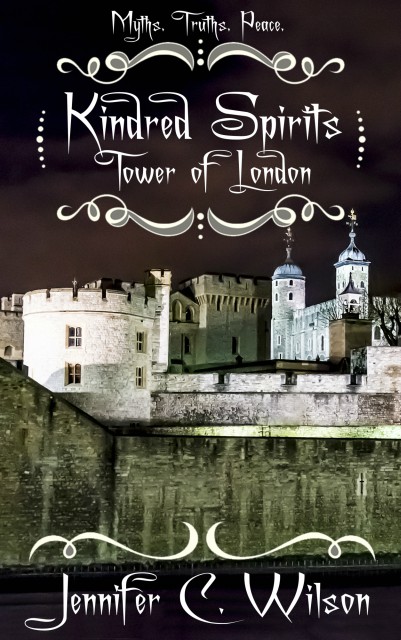
Tower of London Book Cover

Jennifer C Wilson’s first book. Image kindly supplied by Jennifer C Wilson

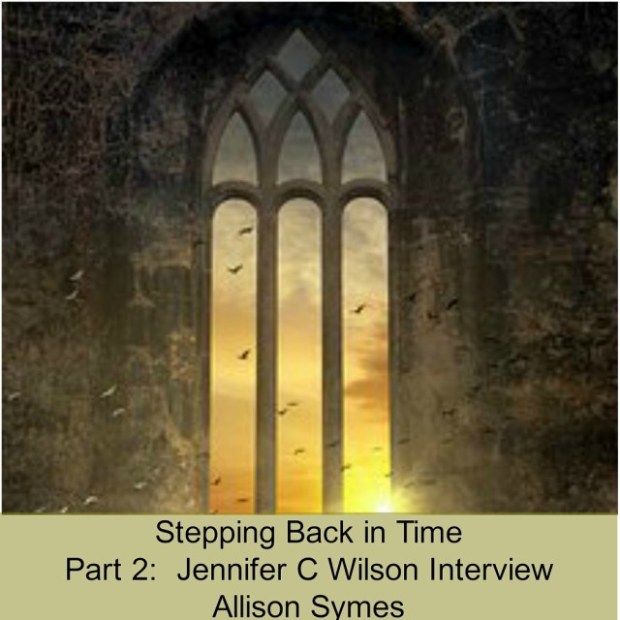
Feature Image Part 2 Jennifer C Wilson Stepping Back in Time

One of my earlier CFT posts. Good historical fiction will make you seem as if you are in that world. Image via Pixabay.

Feature Image - Pivotal History Moments - Bosworth

Another older CFTpost shows how moments in history can literally change everything.. Image via Pixabay.

A fallen knight - Richard III was the ultimate one - image via Pixabay

A fallen knight – and even his enemies acknowledged Richard III as this. Image via Pixabay. Richard III is the lead in Jennifer C Wilson’s Kindred Spirits: Tower of London novel.

Facebook – A Thought on the Muse

The muse sometimes deserves a good kick up the backside.
It should not be spoilt, pampered or given a free ride.
It needs some pushing to show up for work when you do
As working in tandem is ideal for both of you.

Allison Symes – 9th January 2018

Facebook – from earlier this week…

Will be really glad when this flu is finally over with. Am struggling not to feel tired all the time. I am catching up with some reading in bed though, which is about the only positive thing to come out of this week!

Having said that I did complete my CFT post for this week earlier today and that will be about mood and music. This has proven to be more apt than I thought it would be when I first decided to write it! More details tomorrow.

Am on final edits of my second book. Hope to have these done in next week or so. Feel very bad about being so behind but I must say I haven’t felt this ill in a very long time, thankfully. To everyone else out there with this wretched bug, take care and get well soon!

Facebook – From Light to Dark and Back Again

One thing reading history soon teaches you (whether you read fiction or non-fiction) is how vital it is to keep a sense of perspective. (Something Thomas More failed to do with his “history” of Richard III – and Shakespeare even more so).

I’ve also come across some jaw-dropping leaps of “faith” when someone is trying to sum up a person. Charles Dickens in his A Child’s History of England roundly condemns Mary Stuart for being a murderess. He also condemns Elizabeth Tudor executing Mary Stuart. Okay, Charles, just WHAT was Elizabeth meant to do then especially with Parliament hounding her to have the sentence carried out?

Oh and out of interest he does write about Victoria’s early years on the throne. No criticism whatsoever that I could make out! Was he after a knighthood I wonder? (He should have had one of course but not for this particular book! I’ve always seen this as proof every writer has one bad book in them. The clever bit is trying to ensure it never sees the light of day!).

So how does that affect my fiction writing? All of this acts as a warning bell to me to make sure I am telling my character’s story, that they are not over-embellished (there is a place for ham villainy, it’s usually in the panto. Oh yes it is….😁) and to ensure the perspective shown is a reasonable one, at least from the character’s viewpoint.

This slideshow requires JavaScript.

Facebook – From Light to Dark and Back Again

Dark stories, light ones, or those that fall somewhere in between? I love them all and, of course, From Light to Dark and Back Again, has them all in! You have to write what you write. I don’t think, for example, you can write “funny” to order. What should happen is you write a story and your natural humour comes through your characters. It reads more naturally that way too.

Facebook – From Light to Dark and Back Again – Interview by Alyson Faye/Aly Rhodes

Lovely to be interviewed by fellow flash fiction writer and Chapeltown author, Alyson Faye (aka Aly Rhodes), on her blog tonight. Her book, Badlands, is out in Kindle format now and will be out in paperback. As with all Chapeltown books, it has the distinctive frame around a central image.

Meanwhile, it was lovely for this questioner of other writers to be on the receiving end, so thanks again, Aly!

Goodreads Author Programme – Blog

I don’t know about you but my reading moods tend to be one genre at a time, then I switch to another for a while and so on.

At the moment my reading list is mainly history (non-fiction), but almost inevitably when I want a change from that, I’ll go to something almost diametrically opposed to it. (Probably humorous fiction, knowing me and then it’ll the usual crime fest with appropriate body count etc!).

I see all of this as immersing myself well and truly in the world of books and that does have benefits to my fiction. Ideas cross-pollinate, influences that lead to good story ideas can come from almost anywhere (so reading widely really means just casting your imagination’s net out that bit further, which is rarely a bad thing!).

So whatever you are reading enjoy it! Who knows what ideas it might inspire in you for your own writing? (All I know is you’ve got to be open to the prospect of ideas coming in!).

This slideshow requires JavaScript.

Fairytales With Bite – Music and Moods

I talk about music and moods in my latest Chandler’s Ford Today post.

What role does music play in the fictional world you’ve created?  Is it music as we would understand the term?  Are any of your peoples particularly for or against music on religious or other grounds?  Can anyone use music to influence the behaviour of others (and, yes, I am thinking about the Pied Piper of Hamelin story!).

We have our own history of great composers in different fields of music so what would your world’s equivalent be?  Is classical known but rock not?  Or is classical the big unknown or only for the elite?

This World and Others – Character Tastes – Music

My latest Chandler’s Ford Today post is about music and moods and how the former can affect the latter.  I take care what I listen to now as I don’t want my writing affected by what I’m relaxing to!

What are your characters’ tastes in music?  Musical tastes can be used to designate class (or lack of, you decide what’s appropriate here!).  What would win other characters’ approval or disgust?  What does everyone listen to in your created world?  What do they avoid?  Is there any crossover with the music we know and love/hate here?

Is there an  underground music movement (especially if the mainstream is tightly controlled by the authorities)?  Music has always had its rebels (Beethoven and Mozart were there long before punk rock!) so how would your world show this?  Do they get away with their rebelliousness?

WALKING, WRITING AND GETTING AWAY FROM IT ALL

Facebook – General and Chandler’s Ford Today

My Chandler’s Ford Today post this week is another one in my Hidden Hampshire series and looks at a lovely, local woodland walk. Let’s just say Mabel and now Lady were and are huge fans of it!

On a more serious note, I also put out a plea for dog owners here to be more responsible where this applies. There are no dog bins on this walk and the Council do NOT come and collect dumped poo bags (which I do see here) so please, please bag it and bin it at home! Then the walk remains nice for everyone, dogs included.

General forest walk shot but similar to Jermyns Lane, image via Pixabay

General woodland shot but typical of the Jermyns Lane walk I enjoy. Image via Pixabay

Mabel at Jermyns Lane

My late dog, Mabel, used to love walking at Jermyns Lane. Image by Allison Symes

Lady loves Jermyns Lane

Lady, my new dog, also loves Jermyns Lane. Image by Allison Symes

Typical of the main track at Jermyns Lane

Typical of the track at Jermyns Lane. Image by Allison Symes

Facebook – From Light to Dark and Back Again

Is flash fiction a flash in the pan? I don’t think so. After years of everyone saying the short story as a form was dying, I think the advent of flash fiction has breathed new life into that too. Technology isn’t going to go away so there will always be room for a story format that is easy to read on a mobile or tablet.

I love flash fiction for its flexibility. For everyone who loves the 100-word form, there are those who prefer 75 or 50 or 500 and there is room for all. Long may that continue!

This slideshow requires JavaScript.

Fairytales with Bite – Getting Away From It All

I often use walking the dog as a chance to get away from it all for a bit and my latest Chandler’s Ford Today post is another in my Hidden Hampshire series, which looks at a local, lovely woodland walk.

How do your characters get away from it all?  What drives the need for them to do so?  How successful or otherwise are they at this?  Does whatever is “bugging” them catch them up and overwhelm them or does the break away give them the respite needed to find a solution to their problems?

How often can your characters get away from it all?  Are regular mini breaks enough or do they have to get right away for a week or more?  How easy, or otherwise, is it for them to do this and what obstacles might get in their way?  Some good stories to be found in answering those questions I think!

Have a wonderful writing year in 2018.  I plan to!

This World and Others – Walking and Writing

This topic came about as a result of this week’s Chandler’s Ford Today post, which is another in my Hidden Hampshire series, and looks at a lovely, local woodland walk.

The big problem with writing, of course, is it is a sedentary activity (though very good for the brain!), so I walk the dog (a) because she needs it and (b) because I do too!  The break from the desk can and does inspire creative thought, which is another excellent reason to walk.

What kind of exercise do your characters do to keep themselves fit, assuming they do? What are their walks?  What hazards would they face in their world that simply wouldn’t happen on Earth?  What are the similarities?  Going to meet someone of course can be a pivotal point in many a story but where would your characters go if they needed secrecy and can they guarantee this?

Does your created government restrict where people can go?  What are the laws on land ownership, rights of way and trespass, if any?  These sort of details can help flesh out a realistic picture of the world you’re conveying to us as we can appreciate the equivalent of these that we have so it is easier to identify with this.