Character Study

Facebook – General

Do your characters look back at their lives at all? (You should as their creator! Have they developed? If so, positively or negatively? How does this impact on the story?). If the characters do look back at their own lives, why are they doing it? Are they trying to learn from past mistakes and do they actually do so? How does that “look back” change their behaviour (for better or worse) and how does that change the direction in which they go?

Sometimes Character B can look back at Character A’s life and this can be because:-

1. They don’t like the changes in A’s life now (and they may be right to take that view!). By drawing A’s attention to this, B is hoping to get A back to where they used to be.

2. Character B is comparing themselves with A, especially if A has gone on to be really successful. (We all do this for real so why shouldn’t our characters do so?! What is interesting here is how does B respond? Are they jealous? Do they seek to improve themselves or try to “do A down”?).

3. Character B is delighted Character A has changed (and again they may well be right. Equally they may be pleased because A has worsened and it makes B look better! B does not have to have noble motives here!).

All three of these points could generate some fascinating stories.

Facebook – General

One thing to consider when creating your characters is to work out what impact they have on other characters. Naturally, this can be for good or evil. Equally, it can be a happy or sad impact. How would the death of a character affect your story world and its other residents?

There would have to be some impact made, even by a minor character (otherwise why are they in the story at all?). Is a character killed because the assassin(s) know the death will change the political situation in your story world (if so, how?) or it gets a rival out of the way? How did that character become a rival in the first place?

How does personal history impact on the characters themselves? Family background and circumstances usually do impact somewhere. Are they running away from something? Trying to better/prove themselves? Do they succeed?

The history of the story world and the general setting should have an impact on your characters. Someone being brought up in the country will have a different perspective on rural life than someone who has always lived in a town or city and does not know anything about rural life except what they see on the media.

So let your characters have an impact and be impacted upon. Both of these points should generate wonderful tensions within your story and drive the plot along beautifully.

Facebook – General

What do you look for when it comes to the ending of a story?

I don’t necessarily look for a happy ending. What I like to see (and indeed write) is an ending that is appropriate for the characters and the situations they are in. It is so important the ending doesn’t feel forced or “runs out of steam” because you, the writer, were getting to the word count limit!

You also want the ending to wrap up the story with impact. No damp squibs here, thank you!

This slideshow requires JavaScript.

Facebook – General

I’m taking a shortish break from my 101 Things to Put into Room 101 on Chandler’s Ford Today. This week I’ll be looking at some of the frustrations of publishing and then lead into a two-part feature where I interview a fellow Chapeltown author. More details later.

Some great insights to come from the interview and I suspect most of you will have had direct experience of the frustrations of publishing I will be talking about this week. This aspect of the writing life deserves a whole section in Room 101’s vaults! (It was easier to write about them separately though!).

Will return to the Room 101 series later (and look forward to doing so too. Is there any one of us who doesn’t like a good moan every now and again?!

Books invite you into their world - image via Pixabay

Books invite you into their world. Image via Pixabay
Baubles Medium

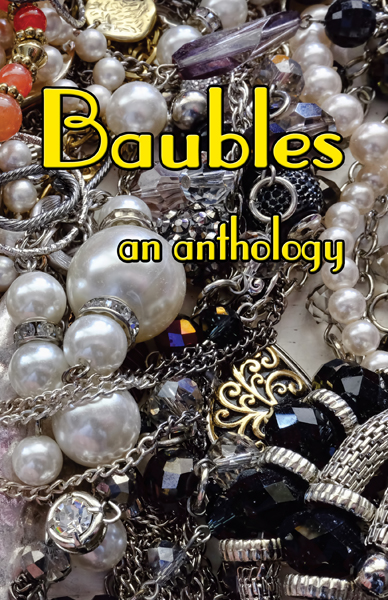
My story Helping Out is in Baubles, the Bridge House anthology for 2016

Good advice here - all writers need to fail better - image via Pixabay

Good advice. Image via Pixabay.

Humans are immensely creative - image via Pixabay

Let those ideas flow! Image via Pixabay,

Photo2241

I love walking by water – so calming. Can also inspire how you create your own world. Image by Allison Symes

Use review questions to find out more about your characters, image via Pixabay

Use personal reviews to help you generate characters and story outlines. Image via Pixabay.
I'm not arguing with this - image via Pixabay

I’m not arguing with this one! Image via Pixabay.

Facebook – This World and Others

Do you have fun with your characters? There should be the initial fun of creating them, of course, but for me, I think the most fun comes when they develop and mature and truly take on a life of their own. You can look back at the earlier stages of their development and literally see how far they have come.

I also enjoy dropping my characters right in it when appropriate to do so but that probably says more about me than them. I will claim dramatic licence though! So yes you should have fun with your characters, especially for novel writing, you will be living with them for a long time. Even in flash fiction writing, while you will generally go from one character to another for each story, you should still know what makes that character tick and enjoy working out how best to get that across to your readers.

If you become tired of your characters, it does show through in your writing so love them, love to hate them, enjoy writing for them, enjoy putting them through the emotional wringer etc! It will help your writing flow and sparkle. Characters written like this always draw me to a story. I think it is the characters, more than anything, that makes a story unforgettable.

Facebook – From Light to Dark and Back Again

There are certain ways of knowing your created world works. These are:-

You can picture in your head everything from how the world is run politically to who the beings are the world depends on to get anything done.

You can visualise the societies of your world – there are class systems everywhere – and how they interact or, conversely, why they don’t.

You can plan out what the history of the world was, how that affects the current situation you’re writing about in that world, and whether there’s an official version and/or revisionist one.

You can see how towns, villages etc are run and the life that goes on in them regardless of what your story is actually about. (The life of towns/villages etc is bound to affect at least some of your characters – are they rebelling against it? Does it inspire them? Are they acting heroically to defend it?).

You can ask yourself questions about your world and answer them!

And it doesn’t matter if you are “just” writing flash fiction, you still need to know where your characters come from, what drives them etc. How their world operates and how it affects them will have a direct impact on that so you still need to know enough about your setting so you can write about your characters with conviction. That in depth knowledge does show through in what you write.

Facebook – From Light to Dark and Back Again

One good thing about flash fiction is that there is nothing to stop you taking characters you enjoyed writing about in this form and then writing longer stories for them. I have done this occasionally (though I find I am so focused on the next idea, the next story, that I don’t do this as often as perhaps I could and should do, but it is something to bear in mind.). Also, a flash piece can be turned into a longer one (so you have two stories on your hands then!).

Another thing you could do is if you have a character in mind for a longer story but are not sure whether they have the capacity to carry the tale, then try them out in a flash piece first. If the character is strong enough to make a good impact in a form that demands a tight word count, no waffle, and getting the story down quickly, then they should have the strength to star in a longer work.

How do you define “good impact”? For me, the characters have to stay with me long after the story has ended. I have to find myself wondering what else they might get up to and so on.

This slideshow requires JavaScript.

Facebook – From Light to Dark and Back Again

I wear two writing hats (and often at the same time!). One hat is the flash fiction and the other is my non-fiction work – in particular, my writing for Chandler’s FordToday. But the great thing has been that skills I’ve learned for CFT (especially writing to a deadline and a word count) have been really useful for my fictional side.

So does it pay to expand on what kind of writing you do? I think so!


READING/WRITING FLASH FICTION

Facebook – General – and Chandler’s Ford Today

My latest Chandler’s Ford Today post is Part 2 of my 101 Things to Put into Room 101. Amongst other things, I consign to eternal doom stilettos, bad grammar, confusing road signs and the 5 pence coin. What would you put in the vault?

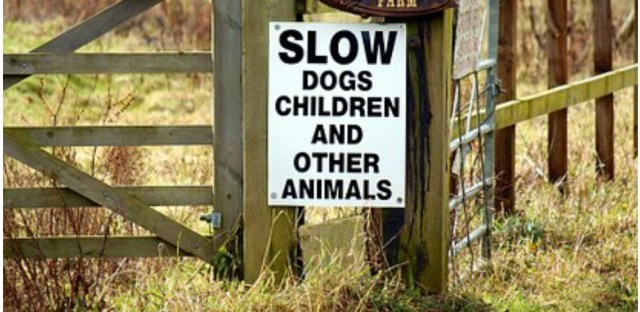
As for the image below, are the dogs slow? Are the dogs and children slow? Or could it even be that the dogs’ children are slow?! Or are all the animals on this farm slow? (That is anything going faster than a slow walking pace is not kept on this farm?!).

If you ever doubted that the comma is important, then let this convince you it really is, it SO is!

PART 2 - Some commas here would be good - image via Pixabay

Oh for some commas here! Image via Pixabay

PART 2 - You know what it is meant here - image via Pixabay

Really?! Image via Pixabay

Facebook – From Light to Dark and Back Again

One thing that is important with flash fiction is you should be reading it as well as writing it (and not stop at just reading your own!). Not only does this give you a greater appreciation of what can be done with the form, you increase your reading of contemporary fiction.

I have no problems at all finding time to read older fiction (Wodehouse, Austen, Dickens etc) but a good reading “diet” must include what is out there now (or has been published fairly recently). Another advantage of reading widely like this is that it will open your eyes to publishers willing to take collections.

Also, I can’t think of any author who wouldn’t appreciate this kind of support. And you would too, wouldn’t you?

This slideshow requires JavaScript.

Fairytales With Bite – Biting Comments

My new mini-series on Chandler’s Ford Today is a humorous look at what things I would put into Room 101, that famous creation of George Orwell.  Part 2 of 101 Things to Put into Room 101 includes items as diverse as stilettos, bad grammar and confusing road signs.

I think stilettos are one of the most stupid things ever invented because they’re not good for your feet or your spine.  When I did wear them, back in the day so to speak, I always dreaded getting them caught in some grating somewhere.  Now that comment is not that biting, I feel, but some of my characters do come out with very pointed remarks at time – and rightly so.  It is part of their personality to do so and the situations they face also justify pointed criticism.

So what kind of biting comments would your characters make?  What would drive them to be like that, or are they like this all the time anyway?  How do the other characters respond?  What kind of conflicts can you get out of this to drive the story along?

Have fun finding out!!

This slideshow requires JavaScript.

This World and Others – Inventions

In my latest Chandler’s Ford Today post, which is Part 2 of 101 Things to Put into Room 101, I list, amongst other things, stilettos.  I describe these as one of the most stupid inventions ever.  They don’t do your feet or your spine any good and when I did wear them in my younger years, I always dreaded getting them caught in a drain cover etc.  There are lots of stupid inventions out there but this is my pet peeve.  They are stupid shoes.

In Terry Pratchett’s marvellous Discworld series, I loved his inventor, Bloody Stupid Johnson, whose ideas never seemed to quite work the way the inventor had envisaged!

So in your created world, who are your creative people, your inventors, your engineers etc?  It helps to bring a world to life if we the readers can see at least part of how your world works for those who live in it.  What are the technologies?  Are your societies developed or are people held back by the lack of progress?

Does your world have anyone whose inventions go wrong or whose ideas get pinched by someone else?  (There is a whole raft of stories there about how someone would cope with that/get their ideas back and so on).


WRITING WHAT YOU KNOW AND FLASH FICTION

Facebook – General

My favourite Christmas carol, based on a poem by Christina Rossetti, is looking more like a cannily accurate weather forecast right now.

In the bleak midwinter, frosty wind made moan,
Earth stood hard as iron, water like a stone;
Snow had fallen, snow on snow, snow on snow,
In the bleak midwinter, long ago.

Not sure that Christina meant it to be a weather forecast but this was certainly a case of write what you know given she would have known only too well what a British winter can be like!

Facebook – General

Part 2 of my 101 Things to Put into Room 101 will be my CFT post for this week. Highlights include my thoughts on stilettos (you will guess they’re not good!), to public parking bays, and confusing road signs. Link up tomorrow and, as ever, comments will be welcome.

I won’t be running the series straight through in one “hit” so to speak as I have a lovely author interview coming up soon. Also, it’s probably best not to have all my moans over several consecutive weeks in any case!

This slideshow requires JavaScript.

Facebook – From Light to Dark and Back Again

What is encouraging is if you do a quick internet trawl for flash fiction competitions, lots come up! All that is needed then is the time to enter them! It is also encouraging to see big name writing competitions include flash fiction as a new category in its own right. It is amazing to see how far flash has come as a genre over the last 10 years.

I think it will still be a while before people stop asking what flash fiction is thought. (Still, that’s all part of the “mission to explain”, isn’t it? I’ve found to date the best way of explaining flash fiction is to read examples of it – from From Light to Dark and Back Again naturally!).

This slideshow requires JavaScript.

Facebook – From Light to Dark and Back Again

What is your favourite kind of flash fiction?

I’m a drabbler, one who generally writes the 100-words stories. The majority of the tales in From Light to Dark and Back Again are of this ilk.

But one nice thing about flash is there is nothing to stop you mixing up the types you write. I’ve written 250, 500, 750 and even the odd 50-words tales. (The latter makes me a dribbler as well. I’d love to know who invented these terms – they make you sound as if you might have an unfortunate complaint!).

So go ahead, mix up your flash fiction and have fun with it! I’ve found my natural default position is the good old drabble but there are some storylines which need to be a bit longer than that, so fine I can do it without straying into short story territory. (Though I must admit I do like doing that too!).


READING AND WRITING PREFERENCES

Facebook – General

What do I like to write best – my flash fiction or non-fiction such as my Chandler’s Ford Today posts? No contest. Love them both. Wish I had more time for both. Also means I never, ever get bored.

I find it helpful to spend some time writing, say, flash fiction and then I switch over to CFT posts. It is just great to be inspired by writing something different to what I had just been working on. I have to take different approaches to what I write and going from one to the other and back again keeps me on my toes.

I am going to try this year to prepare more of my CFT posts (the non-time dependent ones) in advance as I have done this before and find it a great way to free up time overall for other writing work. Didn’t get to do much of this in 2017. I like being able to schedule posts in advance and it is a facility I could do with making more use of.

Facebook – General

Am having a lot of fun writing my 101 Things to be put into Room 101 mini-series for Chandler’s Ford Today. Part 1 went up on Friday and I’ve already drafted Part 2. Am not having any trouble at all coming up with things for this! Grumpy old woman, moi? Surely not!

The joy of writing non-fiction like this is I can have fun with my writing in a different way to my fiction. With that, I love inventing my characters and the situations I put them in but with articles like this, I put my imagination to work and bring facts in to back it up! Well, sometimes anyway. Features like this one are, of course, opinion pieces but it is great to have fun coming up with something you hope will entertain others as well as being able to express views.

And I still want wasps booted into Room 101!

Facebook – General

An interesting point came up in the comments box on my latest CFT post which referred to characters “knowing” they were about to die and later it turned out they hadn’t!

My response was that stories, of whatever length, do have to be logical and make sense. In this case, I would have written the character as genuinely believing they were about to die (and I would also have shown some of her bodily reactions to this – shaking, racing heart etc).

Equally later in the story, if the character had just been plain grateful to have been wrong about her earlier assumption, that would have modified things. But this comment reminded me my characters can only believe things. Their knowledge has to be based on what they CAN know or honestly believe to be true.

This comment also acts as a reminder when editing a story to go back and check that everything does make sense. Otherwise, you will lose your readers as they will see straight through anything illogical like this.

Let creativity spill out - image via Pixabay

Let the creative process flow! Image via Pixabay

The fantastic world of books must include non-fiction too - image via Pixabay

The wonderful world of stories. Image via Pixabay

Books illuminate and fiction is made stronger by using non-fiction to support it - image via Pixabay

Fiction is strengthened when backed by fact. Image via Pixabay

Historical records can be an invaluable source of inspiration - image via Pixabay

Historical records can be an invaluable source of inspiration. Image via Pixabay,

Good books should bring illumination to a situation, make you see things as you haven't before - image via Pixabay

Aiming for more “magic” from my stories this year! Image via Pixabay.

Facebook – General

What is your preferred form of reading? The paper/hardback or Kindle?

I love both but must admit the Kindle is a boon for when I’m away and has saved so much room in my suitcase! It is also nice to know I will definitely not run out of things to read. Also, I find the battery life is reasonable and I do like being able to go to weblinks etc from within an ebook.

However, you can’t beat a good browse in a bookshop and a leisurely half hour with a paperback and a cup of tea, My only complaint here? I wish I could do it more often!

This slideshow requires JavaScript.

Facebook – From Light to Dark and Back Again

Benefits of writing flash fiction:-

1. You really do learn to write to a tight word count!

2. Your editing skills improve as you use the more powerful words to conjure up images in your reader’s minds. No room for waffle here!

3. It can act as really good practice for writing a blurb etc.

4. You focus on what is the nub of the story and get to the point quicker.

5. You can now enter all the flash fiction competitions!


This slideshow requires JavaScript.

Facebook – From Light to Dark and Back Again

Am enjoying drafting some opening lines I plan to write up as flash fiction stories.

I like coming up with the bizarre, the other-worldly and the simple statement which I sometimes twist into something less simple!

For example, in from Light to Dark and Back Again in Health and Safety, the story starts with my character wondering why people are moaning. The tale then reveals the character is Goldilocks and she is sharing her version of events, but that opening line could have been ANY character in ANY setting at ANY time. It did not have to necessarily be a fairytale character.

I do like lines like that which offer so many possibilities.

I write batches of flash fiction at a time, polish them, submit them (and hopefully they then end up in a collection!).

Facebook – From Light to Dark and Back Again

What is the special something about your characters that mean you absolutely HAVE to write their stories?

I often use the major trait of a character as a starting point (and find it easier to write characters whose traits I like. With the ones where I hate the traits, I have to get inside the head of the character to see how they justify their attitude. That can be disturbing at times when you realise how easily they can justify their stance!).

Facebook – From Light to Dark and Back Again

Part of the role of fiction is to show up truths that can’t necessarily be proven by pure fact. Truths about the human condition, truths about what love is and so on.

Flash fiction does this too but in fewer words! I like to think of flash fiction as shining a spotlight on a theme and, of course, the shorter the piece, the greater the intensity of that spotlight!

The challenge can be where you direct that beam or sometimes even knowing where you’ve aimed it! Sometimes you write a piece and the theme can take even you by surprise.

I always write to a character. I know who my leading people are and why they are in that role. I don’t always write to a specific theme and sometimes the theme just leaps out at me AFTER I’ve drafted the story.

When I was editing From Light to Dark and Back Again, it struck me then just how many of my stories dealt with some kind of poetic justice. I never set out to write to that theme (though I guess the things you feel strongly about are bound to come out in your writing somewhere along the line!).

Goodreads Author Programme – Blog

What I Like in a Book Review

This applies to reviews for my From Light to Dark and Back Again as well as those I give for other books!

A good review has:-

1. No spoilers but enough information so the reader knows what they will be reading in terms of genre etc.

2. What the reviewer likes – good characterisation, twist in the tale endings etc.

3. No waffle.

4. No negativity. (The way to criticize a book is to say what you liked, what you thought didn’t work so well etc as the writer will be expecting this. Your thoughts on what didn’t work so well can be very useful to them. What you don’t write is a “hatchet job” on the book or the author).

5. A rough idea of book length and time taken to read it (though I must admit I don’t always remember this one! I DO stress when reviewing flash fiction collections the great thing about this genre is you can read it one sitting but it is also great for dipping in and out of).

6. What you would like to see from the author next time (i.e. next book in the series, continued great characterisation, less of the blood and gore, if appropriate etc).

7. Total honesty from the reviewer.

What would you add to this list?

LIKES, DISLIKES AND SIGNS OF SUCCESS

Facebook – General and Chandler’s Ford Today

My latest Chandler’s Ford Today post is the first part in a new mini-series by me called 101 Things to Put into Room 101. I cover 15 items in this post. See what you think – do you agree? What would you put into the dreaded vault of doom? Funny answers particularly appreciated!

The post was great fun to write and I’m looking forward to writing the rest of the series.

This slideshow requires JavaScript.

Facebook – From Light to Dark and Back Again

We all have our likes and dislikes but what are your characters’ choices here? What is behind their likes and dislikes? Were they forced to accept (for example) a food choice and then the moment they were “free” rejected it? Have they taken a like or dislike to something because their people expect them to or, again, are they rebelling against that expectation?

All characters need to have strong motivations for their actions but this can also apply to their likes and dislikes too. After all, it will be those traits that will directly influence their action. Most people loathe injustice, for example, but that loathing will be intensified if they have ever been the victims of it, or know others who have been. Their dislike has been “focused” by what they have experienced.

Facebook – Cafelit and Chapeltown

Many thanks to Gill James for sharing this post on Facebook!

https://www.facebook.com/plugins/post.php?href=https%3A%2F%2Fwww.facebook.com%2Fgilljameswriter%2Fposts%2F10160134450880094&width=500” target=”_blank” rel=”noopener”>http://https://www.facebook.com/plugins/post.php?href=https%3A%2F%2Fwww.facebook.com%2Fgilljameswriter%2Fposts%2F10160134450880094&width=500

Paula Readman, Dawn Kentish Knox and Allison Symes and books - with kind permission from Paula Readman

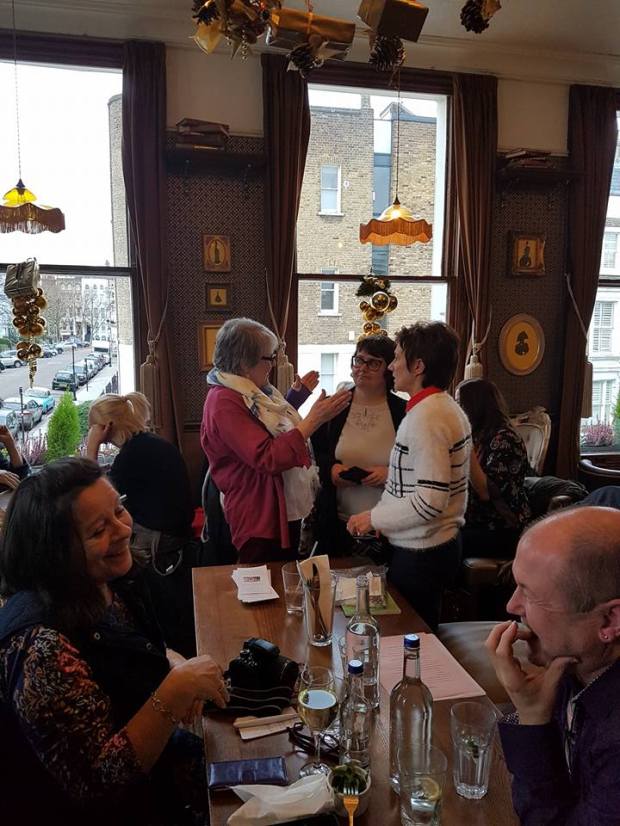
Paula Readman, Dawn Kentish Knox and I celebrate where our stories have appeared! Many thanks to Paula Readman for the picture.!

Lovely having an appreciative audience, pic taken by Dawn Kentish Knox

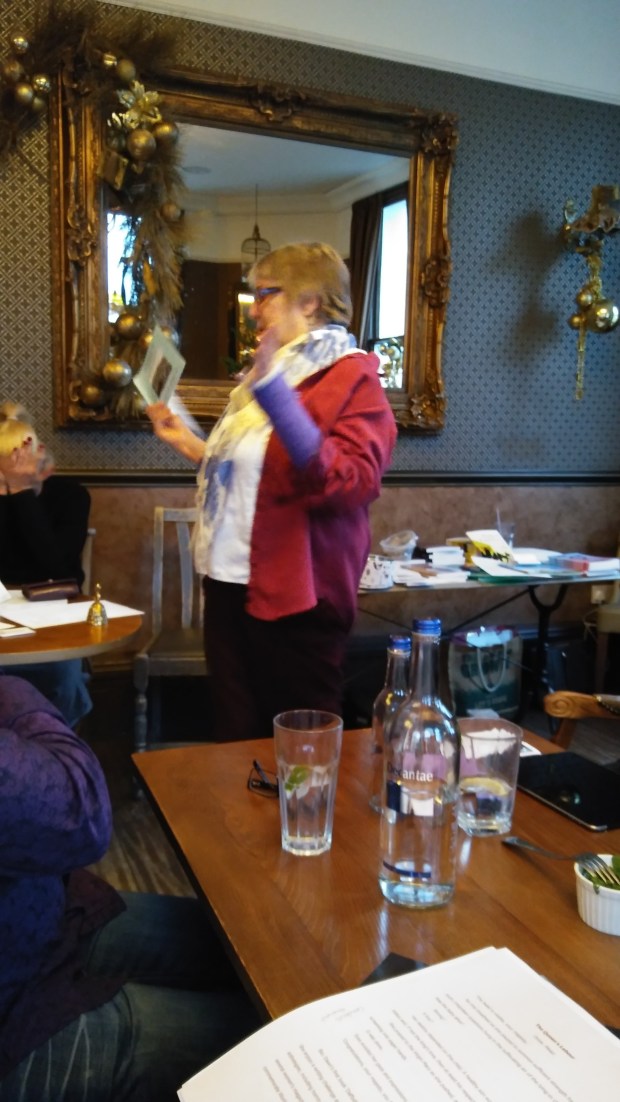
I read three stories from From Light to Dark and Back Again. Many thanks to Dawn Kentish Knox for the picture!

20171202_154720

Gill reads from January Stones. Image by Allison Symes

Gill talks with Dawn and I at the BH event, image taken by Paula Readman

Gill talks with Dawn Kentish Knox and me. Image thanks to Paula Readman.

Fairytales With Bite – Character Likes and Dislikes

What are your characters’ likes and dislikes?  This topic has come up as I’ve started a new series for Chandler’s Ford Today called 101 Things to Put into Room 101 (the latter is, of course, based on George Orwell’s 1984).  Now I know the reasons behind my 101 things (which I’ll share over about 6 to 7 weeks) but what are the reasons behind your characters’ choices here?

Also listing said likes and dislikes can help enormously when outlining.  You should get a much clearer picture of who your characters are and what really drives them in just listing these things.  In the magical world, there is generally a massive dislike of human interference (which is understandable.  What we would do with such powers, given what we have done to our own planet and indeed to each other especially in times of war, is something that could be the stuff of nightmares).  In your created worlds, what are the common things most people/alien beings/even dodgy wizards like/dislike?  How was this consensus reached or was it forced on people?

Even relatively trivial likes and dislikes can tell you something about a character.  A character who loathes broccoli, cauliflower and cabbage but can eat sweetcorn all day long if allowed to do so shows someone who can be picky (and who clearly has a problem with members of the brassica family!).  This could be exploited for comic effect or be used against them.  (An enemy poisons the sweetcorn supply possibly!).

This World and Others – Signs of Success?

One obvious sign of success for a writer is when their words pass into the language and become well known sayings.  Shakespeare is the obvious candidate for highest success rate here, though George Orwell must be unusual in that his Big Brother and Room 101 have been used to form the basis of TV shows here in the UK! How many writers can claim that achievement?  (Mind, what he would make of it is quite another matter, especially for Big Brother.  Room 101 has the saving grace of being funny).

I’ve started a new mini-series for Chandler’s Ford Today called 101 Things to Put Into Room 101 and I’m looking forward to writing the other posts to complete this over the next few weeks or so.  But it led me to think about what success would mean for a writer.

I think for Orwell it would be a question of getting his message about the evils of totalitarianism across well (as he does in Animal Farm as well as 1984).  I also think for most writers it would be a question of writing to the best of your ability and being published.  (Anything after that is a bonus!).

But what would your characters say were the important signs of success as far as they were concerned?  What is getting in their way of achieving that success?  Will they strive for that success at no matter what cost to themselves or to others?  What is the price they pay should they manage to achieve their goals?

Plenty of food for thought for story ideas there, I think.  Happy writing!

This slideshow requires JavaScript.


Plans and Mini-Series

Facebook – General

Happily enjoying some of the latest Chapeltown publications on Kindle. That is the great thing with flash fiction – it is so easy to read on a screen (no matter the size of the screen!).

Am also drafting some challenging opening lines that I hope to create stories from soon. Sometimes this challenge leads to a longer story than expected (but that can always go to a short story – 1500 words+ – collection in due course).

I’d like to enter more competitions this year too as doing that is always good practice for writing to a deadline and if you are lucky enough to be shortlisted or win, then that does look so good on the old writing CV. You feel pretty good about it too!

One of the nicest things about writing is when you are well “into” it and enjoying what you are coming up with. You are your own first audience. If you don’t enjoy what you write, why should anyone else? Later, trusted readers who can tell you what does and doesn’t work are invaluable.

Happy writing!

This slideshow requires JavaScript.

Facebook – General

One great thing about writing is it does give you a much deeper appreciation for the works of other writers, especially the classics. For a work to stand the test of time, it really does have to have something special about it, but it is highly unlikely the author concerned set out to achieve that. They would’ve wanted to write a good, entertaining story, for it to be published (and ideally sell in vast quantities too!).

I think you gain a deeper appreciation of the work that went into creating the story in question. I know I’ve learned that if someone makes something look easy (and that includes writing which is easy to read), I can bet that same someone has worked very hard for years to get to that point.

This slideshow requires JavaScript.

Facebook – General

I’m starting a new mini-series on Chandler’s Ford Today this week. Friday’s post will be part 1 of my 101 Things to Put in Room 101 so this new series will keep me out of mischief for a bit then…

Link to go up tomorrow. Had great fun writing Part 1 so am really looking forward to getting on with Part 2!

I don’t know how many writers manage to achieve the accolade of having parts of their best-known work turned into TV programmes but Orwell is one of the few. What he would have made of Room 101 I don’t know (it can be very funny, sometimes thought provoking) but I suspect there might have been some scathing comments about Big Brother! (And I could always add some of my own there!).

Facebook – From Light to Dark and Back Again

How easy is it to find the right title for your book? Answer: not very!

I used the mood of the stories to get to the title for mine but the title for the one I’ve not long submitted was more difficult to reach. In the end, I picked the title from one of the stories that I liked best and went with that. Am I expecting changes to my MSS? You bet!

Facebook – From Light to Dark and Back Again

I know “luvvies” get their fair share of being mocked but the famous question attributed to them, “what is my motivation in this, darling?” is a great one for writers to ask of their characters.

Any character without a suitably strong motivation should be cut out. The good thing on that is their role might be a minor one but if it is pivotal to the outcome of a sub-plot, which in turn affects the way the main plot turns out, then that is good enough to justify that character and minor role remaining.

Motivations should be something the reader can understand, if not necessarily agree with. The main characters should, of course, have the most powerful motivations of all given they have the most to lose or gain.


Facebook – From Light to Dark and Back Again

I often use proverbs or well-known sayings and then see what I can do with them to create my stories. Flash fiction in itself is the very definition of “less is more” after all!

Sayings are a useful source of themes and can sometimes give you ideas for character motivation. (For example, revenge is sweet could lead you to work out why your characters would want to make that saying come true for them. You’d need to work out backstory here – who they want revenge against and why? How do they make revenge sweet? Does it work or backfire spectacularly?).

What sayings would you choose to use for a theme? (The great thing is you could base an entire collection around a well-chosen theme. We’re never going to run out of love stories in the grand scheme of things but there is always room for the well-written one that takes a different slant on it. Okay the problem after that is finding the right home for it but at least you know every writer faces that dilemma and it definitely isn’t anything personal).

Creative writing takes many forms, including blogging. Image via Pixabay.

Creative writing takes many forms, including blogging. Image via Pixabay.

What a library! Image via Pixabay.

What a library! Image via Pixabay.

I could spend many a happy hour here - the library at Prague. Image via Pixabay.

I could spend many a happy hour here – the library at Prague. Image via Pixabay.

The magical world of the imagination. Image via Pixabay

The magical world of the imagination. Image via Pixabay

A way into the magical realm, perhaps? Image via Pixabay.

The way to the magical realm perhaps? Image via Pixabay.

The perfect way to unwind. Image via Pixabay.

The perfect way to unwind. Image via Pixabay.


BRAINSTORMING AND IDEAS

Facebook – General

How do you know your ideas are strong enough for a story?

1. When the ideas haunt you and you are almost literally itching to get back to your desk to get on with the writing. (These days I use Evernote on my phone so I can at least make a head start! Great way to make the most of “dead” time. Last time I had to wait while my car was being serviced, I’d drafted three pieces of flash fiction on my phone!).

2. When you can’t wait to find out how the story ends!

3. When the characters seem so real to you, you feel a bit disappointed you know you can’t meet them in “life”.

4. When that initial idea, the spark, triggers other ideas and you can suddenly see the story opening up before you.

Of course, you can’t beat the nitty-gritty of getting on with the writing itself. If the ideas are really strong, the writing will flow. It has been my experience that when I’ve not thought out the ideas enough, that is when I can get stuck. I’ve only ever abandoned two stories in my time due to that (which I don’t think is a bad return rate) but I want to make sure there are no other incidents of that!

This slideshow requires JavaScript.

Facebook – General

Am happily brainstorming opening lines I hope to use for flash fiction pieces. I love doing that and then I love the challenge of writing to that line. Am also getting back into writing standard length short stories. (Have just submitted one and am outlining another). I would like to write more flash and more short stories than I did last year so I think that would be my goal for 2018.

I’d also like to try to write more of my blog posts ahead of time and schedule them as appropriate. I do this sometimes but last year for some reason didn’t. I wrote the blog post in the week that I knew it would appear. So I am planning to block time out more to do specific tasks and see if, overall, I achieve more. I think I will.

Meantime, back to the stories!


This slideshow requires JavaScript.

Facebook – General

When does a character really catch my attention?

When I find I’m looking forward to the next scene they’re in and am rooting for them to succeed. (This is awkward if the one you’re rooting for is the villain! Go on, who half wanted Alan Rickman’s Sheriff of Nottingham to somehow get away with it in Robin Hood: Prince of Thieves simply because the portrayal was so good? It wasn’t just me, was it?).

So when I am developing my characters, I am looking for that special something about them, which will catch my readers’ attention. The real trick is to then ensure your characters HOLD your readers’ attention! So your characters have plenty of work to do then (as indeed do you!).

I have found a trait that most people will sympathise with or at least understand is a good way in to developing that special something in a character. Courage, for example, is a good trait to use as you can ask where did that come from in your character? Has it ever been tested etc? You’ll get some great stories out of answering those two questions alone on that one trait.


Facebook – From Light to Dark and Back Again

What would you like your stories to achieve?

I’d like mine to entertain, whether it is to make people laugh or shudder (so much depends on the mood of the tale here!). I’d like books to be seen as valid forms of entertainment (I think it would help encourage people to read more, which is never a bad thing). I want people to remember my characters.

One sign of a great story is when it is easy to recall your favourite line(s) from it. Another is when you look forward to re-reading it, perhaps for the umpteenth time, but you still have as much joy in this reading of it as you did on the second or third, say.

There are certain stories I do re-read at specific times of the year. I try to re-read Terry Pratchett’s Hogfather in the run-up to Christmas and usually Reaper Man in the run-up to Harvest. Sometimes I don’t get to read the books but listen to the audio versions instead but that’s okay. I get to spend time with some wonderful tales again.

So what do you re-read during the year and why?


Facebook – From Light to Dark and Back Again

I do like my opening lines in a flash fiction piece to tell you as much as possible in as few words as possible. For example, from You Never Know, I start with “So you think I live a luxurious life as a tour guide?”

So what does that tell you? I’ve established the character is employed and in what capacity. They are clearly at odds with someone – the tone of the line tells you that. It is also clear the character is about to try and justify themselves. But why does that matter and to whom? Of course, reading the story tells you that but in 12 words, I’ve managed to convey quite a bit of information.

I like to think of this kind of opening to a story as “hitting the ground running”. The trick then is to keep running so the story fulfils its opening promise. Game on, then!

Facebook – From Light to Dark and Back Again

What aspect of book promoting have you liked the most? I’ve enjoyed going to book fairs and having my own signing events (but one thing I learned is I needed to do more of them! Having said that, personal circumstances at the time last year did get in the way somewhat. However, this is something to correct for future occasions!).

The main thing I’ve disliked has been getting the balance between promoting the current book and writing the next one right. I didn’t manage that as well as I could have done with the result being the second book was submitted later than I would’ve liked. Lesson learned: block out time for specific writing tasks and stick to those. That will increase the amount of actual writing achieved. (One thing about writing for Chandler’s Ford Today is it means I have a deadline to work to on that so blocking out time to work on my pieces there is easier to do. I need to set myself deadlines for my fiction and block out time to make sure I meet them).

I have, however, learned to use “dead” time better (especially when on train journeys) thanks to finally getting a smartphone and using Evernote to write and save my drafts. That has helped a lot and I’m sure will continue to do so.

From diving board to keyboard via Pixabay

The keyboard beckons…

Writing first, editing later but both needed - image via Pixabay

Preparing a talk or a flash fiction story perhaps. Image via Pixabay.

Classic Books - image via Pixabay

Classic Books. New Books. Love them all!

book-2134779_640

Grow as a writer? Grow your reading! Image via Pixabay

Stunning place in which to read and review - image via Pixabay

Simply stunning… image via Pixabay

Goodreads Author Programme – Blog

What makes you recommend a book to a friend?

For me, it has to be the great characters in the book. If I think they’re great, my writing and other friends are likely to think so too.

I’ve never understood the character -v- plot debate. Characters drive the plot. Their actions and reactions are pivotal to the entire story.

Characters have to be well enough portrayed to make the plot work. A plot will fail if the characters are not up to it. A strong character can and does make all the difference to whether a story succeeds or not.

So I’ll happily recommend books with great characters. I won’t recommend books with convoluted plots but where the characters, for whatever reason, don’t make me sit up and take notice.

How about you? What are your thoughts here?


TRUTH OR NONSENSE

Facebook – General – and Chandler’s Ford Today

My Chandler’s Ford Today post this week is Writing Sayings – Truth or Nonsense? I share my thoughts about “never judge a book by its cover” and “write what you know” amongst others. I also share a couple of sayings I’d like to see added to the canon of useful writing “proverbs”. See what you think! Comments welcome in the CFT comments box.

Facebook – From Light to Dark and Back Again

How do your characters handle crises in their lives? Brilliantly, badly, or do they somehow just muddle through? How does handling such events change them and does it do so for better or for worse? Do they have coping “aids” (e.g. chocolate, wine etc) and do they really help the characters cope?

If they were rich, how would they handle losing their wealth? If always enjoying good health, how would illness affect them after they’ve got over it? Would it dent their confidence, changing their behaviour and relationships in other ways? How do other characters handle the change in them?

Change is crucial to any story. Something changes, conflict arises (there’s always someone who will resist change), and lo and behold you have your story, but that is thanks to how your characters deal with this event.

My favourite characters are those who battle against the odds and win. They don’t necessarily have to be charismatic, but they do need grit and determination. This is kind of appropriate given every writer needs tonnes of grit and determination to cope with rejections etc!

Fairytales With Bite – When The Truth Costs Dearly

My Chandler’s Ford Today post this week is called Writing Sayings – Truth or Nonsense? and I think some of the well-known sayings relating to writing really are nonsensical! See the post if you want to find out which I debunk!

It is a sad fact of life that truth so often is not welcome and that many people pay a very heavy price for it. Does this mean we shouldn’t portray this in fiction?  I think not.  Where it is appropriate to the story to do so, I think you should portray it.  Indeed, it would be difficult not to given every hero has to have something to be a hero about and so often it usually is fighting for the truth about something to come out etc.

So the story here then is what is the truth as it relates to your characters and their world?  Why is it being suppressed and by whom?  How does your hero/heroine ensure the truth does come out?  What price do they pay for doing this (and there is bound to be one, probably a very heavy one at that.  I always liked the ending of The Lord of the Rings where it is made very clear Frodo has been changed so much by his adventures, that more change, another journey, is necessary for him.  I don’t really want to say more than that in case you haven’t read it or seen the films).

This slideshow requires JavaScript.

This World and Others – Truth or Nonsense?

My latest post for Chandler’s Ford Today is Writing Sayings – Truth or Nonsense? and it was great fun to write.  I discuss well known writing sayings and debunk a couple of them!  But the “truth or nonsense” bit of the title made me wonder about how this can be shown in our fiction.

What would be considered to be truth in your fictional world?  Does everyone have to subscribe to one faith or one political view?  What happens to the outspoken?

Is there “room” for nonsense in your world?  Is humour encouraged?  Or is it clamped down on because it can be subversive (and great satire is, of course.  It has never gone down well with everyone!)?

Are your characters truthful?  How do they handle having to lie if it is vital they do so?  What nonsense does the government come up with (and every regime from time immemorial has come up with nonsense in its time!)?  Do the people “buy it” or have they seen through it ages ago?  Who controls the media and is it responsible, giving good investigative journalism (to name one example), or does it rely on the government telling it what to say?

Food for thought there I think.


LOVING WHAT YOU DO AS A WRITER

I can’t over-emphasize the importance of loving what you do as a writer.  It can help keep you going when all you get in your inbox (or even still these days your letterbox) are the inevitable rejections all writers get.  Treasure any specific comments you receive on rejections as these can be invaluable for showing up weaknesses etc.

Facebook – General

One thing I love about writing for Chandler’s Ford Today is it has helped me work to a deadline (and a relatively short one at that). Most story competitions give you a reasonable amount of time in which to submit your tales. CFT is weekly.

I have brainstorming sessions every so often for ideas for my flash fiction but I also have some for potential articles for CFT. It takes me a while to work through them too, which is good.

There has to be a link to the local area but that link sometimes is me, especially when I’m interviewing other authors from outside the area.

Writing articles for your local online magazine could be a good place to start and it can lead to you having a track record (always handy for publishers, if you’re submitting work to magazines etc). Okay so you don’t get paid but you do learn a lot from it. I know I have.


Facebook – General

One of the lovely moments in story writing is when you discover you really like your characters and find yourself rooting for them. And you know how the story ends too!

I’m currently editing a story about two ladies of a certain age and love the pair of them! Mind, it probably helps no end I’d probably be in that “certain age” bracket now…
What appeals to you about your own characters? What drove you to write them in the first place? There has to be something special to get you to do so (and that includes villains too. Many a writer has fallen for their own evildoers!).

This slideshow requires JavaScript.

Facebook – General

My Chandler’s Ford Today post this week is called Writing Sayings – Truth or Nonsense? I look at old favourites like never judge a book by its cover and write what you know amongst others. Link to go up tomorrow.

I did find some lovely and useful sayings relating to writing I hadn’t come across before and I share those too (from Mark Twain and Margaret Attwood amongst others). I also share a couple of sayings I’d like added to the canon of wise thoughts.

I enjoy writing all of my posts for CFT but this one was great fun and I hope there will be some good comments after the piece goes live tomorrow.


Books invite you into their world - image via Pixabay

Books invite you into their world. Image via Pixabay.

What new scenes will a book show you - image via Pixabay

What new worlds and scenes will books show you? Image via Pixabay

Some very strange characters can be found inside a book - image via Pixabay

Some very strange creatures are in books. Image via Pixabay

Good advice here - all writers need to fail better - image via Pixabay

Good advice. Image via Pixabay.

Facebook – From Light to Dark and Back Again

What would I like flash fiction to achieve?

I would love it to tempt reluctant readers into developing a lifelong love of stories and books.

I would love it to tempt the “gadget freaks” into reading it on Kindle (and even via something that needs no batteries at all – the good old paperback!).

I would love it to show those who claim they have no time to read, well actually you do. Flash fiction really does not take that long! (They’d have to think of another excuse not to read then, wouldn’t they?).

I would love it to show that great characterisation does not mean having to use hundreds of words.

Flash fiction is, I think, the ultimate proof that less is more!


Facebook – From Light to Dark and Back Again

Do you have a favourite writer and, if so, who and why? I’m torn on this. I love P.G. Wodehouse and Terry Pratchett for their humour and ways with words yet their story worlds are so very different! (And that’s another reason I love them both. It’s always good to visit more than one fictional world!).

Whoever your nominee would be, I strongly suspect it is something special about the characters produced by that writer, which would be your deciding factor. (And if that doesn’t settle the argument over character -v- plot, I don’t know what will! Without well drawn characters, any plot falls down badly).

I don’t know about you but I find when recalling a story I’ve not read for a while, I may not remember every single detail about the plot, but I do recall what I loved about the characters.


This slideshow requires JavaScript.

Facebook – From LIght to Dark and Back Again

The dash to write a piece of flash
May result in a wonderful tale
But you need the edit to slash
At your draft so your work may not fail.
Cut the rough and know after all
No great work is achieved overnight
Every word must seek to enthral
Out comes anything that might well blight
You find the real tale from that first draft
This is where you develop your craft.

Allison Symes – 15th February 2018

Not arguing with this saying - image via Pixabay

Not arguing with this! Image via Pixabay

Well, would you - image via Pixabay

Well, would you? Image via Pixabay

Too late for me but a saying worth considering - image via Pixabay

Alas, too late for me! Image via Pixabay

Goodreads Author Programme – Blog

Reading, of course, educates, informs and entertains us. I think all three aspects are vital and should feed off each other.

This is where things like the Horrible Histories series have done so well – information presented with humour goes down better, especially with youngsters, than straight facts presented in a more traditional way.

I read chiefly for pleasure but I also read to research and to expand my knowledge on things I may well write about, either in fiction or for Chandler’s Ford Today at a later date.

Things I know I will want to read later I will either download straight to my Kindle or send to it (and this is so useful. I often catch up with reading here when on train journeys).

So does literacy and the love of books still matter? Of course, it does. It always will.


SHORT STORIES

Facebook – General

When editing a story, I tend to check if my main characters are coming “through” well enough. I love using thoughts as a way of showing what my “people” are really made of (and it’s even more fun when they’re deliberately hiding this from the other characters in the story. You’re left wondering whether the others will find out the truth or not and this can be a great source of conflict if they do!).

If, by the end of the tale, I’ve got a clear picture of who my characters are, what drives them, and they engage me, then hopefully other readers will feel the same way and like them too. (Or in the case of villains love to hate them, which is also good).

This slideshow requires JavaScript.

Facebook – General

A great short story has to have:-

Strong, memorable characters

An intriguing start

A middle that wants to make you keep reading to see what
happens next (definitely no saggy middles)

A powerful and appropriate ending (and I do love twist endings as they end the story with a “punch”. Sometimes I’m pleased when I see the ending coming and basically, my guess turned out to be right, but I’m even more pleased when the writer wrongfoots me).

The right word count for the type of story it is. I like short stories to be 1500 words or so. Flash fiction is 1000 or under but I must admit I feel a bit short-changed if a short story comes in at 1200 words or so. It feels to me like the story hasn’t quite got the “legs” to go the proper distance.

(Many thanks to Dawn Kentish Knox for the picture of me reading from From Light to Dark and Back Again at the Bridge House event in December. Huge fun!).

Facebook – General

Some more Murphy’s Laws for writers:-

1. Your old PC will always play up when you’re trying to save the latest version of your MSS, especially something of novel length – and you have to save several times to make sure you HAVE saved it. (No longer the case for me I’m glad to say!).

2. You’re waiting eagerly for news of how you did in a writing competition. You check your inbox as often as possible at the relevant time. Nothing. You leave the PC for two minutes to go to to the loo, hear the unmistakable sound of more email coming in, get back to your desk as quickly as possible, only to find the new mail is selling you something you didn’t want, or offering you a date with a “hot” babe, which you also don’t want. The latter offers incidentally don’t seem to mind which gender they target.

3. You’re waiting for the author copy of your book to arrive. The days you stay in – guess what? Nothing turns up even though you know it is due. You pop round to see a neighbour or go to the local shops and come back to find… the “Sorry we missed you card” on your mat. Your vocabulary tends to veer into the brusque at this point!

Facebook – From Light to Dark and Back Again

About a week ago, I set up a quick poll as to what was the most important part of a story, regardless of word count. Many thanks to all who voted.

I asked whether an intriguing start or a twist ending was the most important component. And the results are:- (Ta da… imaginary drum roll here!)

83% An intriguing start
17% A twist ending

I’m not surprised by that. After all, if the start of a story doesn’t grip you, the chances of you getting to the twist ending are slim indeed!

Having said that, an intriguing start still has to be well supported by what follows. There has to be “follow through”. If the ending disappoints, would someone read another story from that author even though the start seems very promising? I think there could be a case of “once bitten, twice shy” here.

So my view? I am a little torn on this one as I sometimes write the ending to a piece of flash fiction first and then work backwards. One great thing about doing things that way is you definitely have the twist ending and you can then work out the intriguing start that led to it.

Overall though, I would go for the intriguing start (as I also love coming up with a strong opening line and seeing where it takes me).

Facebook – From Light to Dark and Back Again

Am glad that flash fiction has really taken off as a format and that Chapeltown Books now has a good range of publications to its name.

I love the “frame” around the powerful central images (see link) and think this is a great form of branding. The stories are pretty good too… Now I know I’m bound to say that but I wasn’t just referring to From Light and Dark and Back Again, honestly. Go on, check them out. Available in paperback and Kindle.

The small independent presses are a lifeline for authors and Chapeltown has particularly encouraged quirky fiction. Fine by me! I am a quirky writer…

Facebook – From Light to Dark and Back Again

When is a tale a piece of flash fiction as opposed to a shortened story? When it has a “proper” beginning, middle and end and doesn’t feel as if more could be added to it.

I try to leave my stories on either a twist or punch ending (they’re not quite the same thing) so there really is nothing left to be said. I like people to be able to feel that the ending was an appropriate one (which, of course, is not the same thing as a happy one necessarily!).